
Nepal is a trekking paradise, boasting the top 10 highest summits in the world, vast natural beauty, and spectacular landscapes. Among the many trekking destinations, Mustang in Nepal stands out as a popular choice for both national and international trekkers. Located in the North-West part of the country, Mustang lies at an altitude of 3,840 meters, offering a unique blend of adventure and cultural immersion.
A trek to Mustang is a perfect amalgamation of everything a trekker could wish for. It offers spectacular views of some of the highest mountains in the world, including the majestic Annapurna range, along with diverse culture and landscapes. Moreover, the trek to Mustang is very budget-friendly, making it accessible to a wide range of travelers.
One of the main reasons why the trek to Mustang is highly preferred is its accessibility. This trek is possible throughout the year, including the monsoon season, which is typically the off-season in Nepal. The Upper Mustang region lies in the rain shadow area of the Annapurna massif, which blocks rain and clouds during monsoon months. Additionally, during these months, the water level of the Kali Gandaki River decreases due to less rainfall. This allows trekkers to rent a vehicle in Kathmandu to travel further into the region, making it easier to commute and explore the various trekking routes.

Mustang Region Overview
Mustang is a mystique valley known as the last forbidden kingdom of Nepal. It is also referred to as the ‘Mini Tibet of Nepal’ due to its strong Tibetan Buddhist influence and cultural heritage.
This beautiful land is divided into two sections: Upper Mustang and Lower Mustang. Upper Mustang is popular for adventurous trekking, while Lower Mustang is famous for its natural scenery and the holy site of Muktinath, revered by both Hindus and Buddhists.
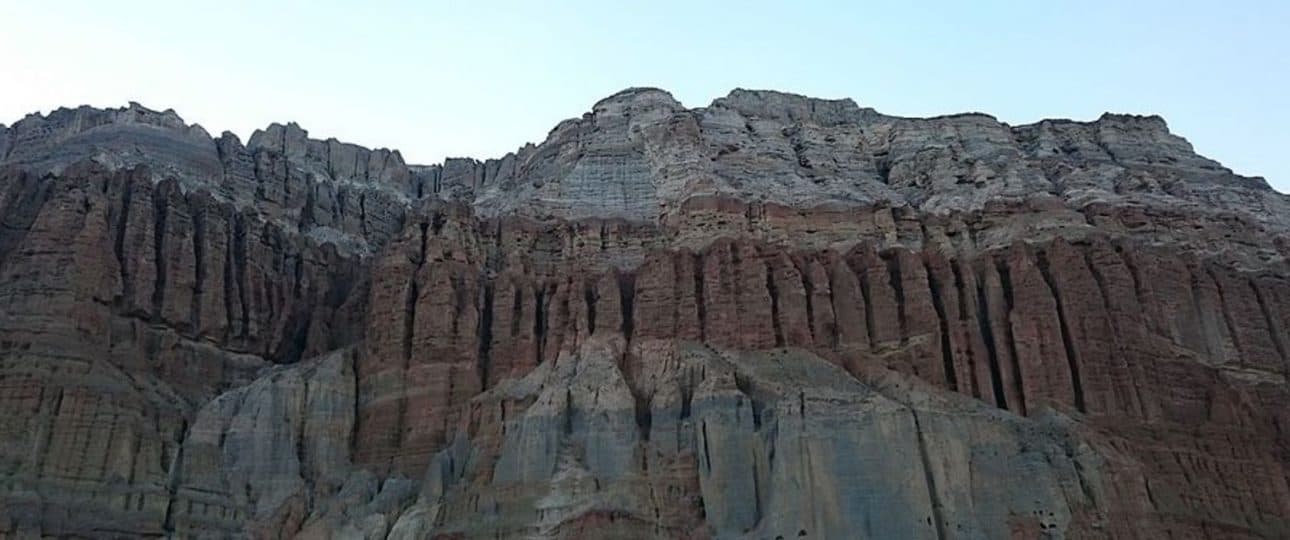
Upper Mustang is part of the ancient Mustang Kingdom. It lies in the middle of the Himalayas along the Kali Gandaki River, forming one of Nepal’s most mysterious and least identified kingdoms. The landscape resembles the Tibetan highlands, with dry terrain almost all year round, surrounded by sandy rocks and dotted with prayer flags.
The main highlight of the Upper Mustang trek is Lo Manthang, the capital of Upper Mustang Nepal. Here, you’ll find art, culture, tradition, and religious practices similar to those of Tibet. The region is home to numerous Tibetan Buddhist ethnic communities, preserving their age-old customs and way of life.
Lower Mustang, while remote, is accessible throughout the year by air and land. It is renowned for its apple orchards, rhododendron forests, and the aforementioned Muktinath temple. The region also falls within a national park, further protecting its unique ecosystem and cultural significance.
Mustang, like other parts of Nepal, experiences four distinct seasons: Spring, Summer, Autumn, and Winter. Each season has its own beauty and offers different trekking conditions. Let’s explore what each season has to offer for trekkers visiting Mustang.
Want more information? Send us your query, and our experts will get back to you within 24 hrs.
Weather of Mustang in Spring
Spring in Nepal falls in March, April, and May. It is a beautiful time to visit Nepal, especially for trekking. You’ll love the pleasant weather, crystalline peaks, and the fresh mountain air. During spring, the lower trails of Mustang come alive with colorful wildflowers, including the national flower of Nepal, the rhododendron.
The clear and bright weather during spring provides excellent visibility, allowing trekkers to capture stunning photographs of the Himalayan peaks and the unique landscape of Mustang. This season also offers comfortable temperatures ranging between 16-22 degrees Celsius, ideal for trekking.
Spring in Mustang isn’t just about natural beauty; it’s also a time of cultural celebration. In May, you have the opportunity to experience the unique spiritual “Tiji Festival”. This three-day festival takes place at Chode Monastery, where monks perform cultural dances that depict a mythical story. The Tiji Festival is the major attraction of Lo Manthang, drawing pilgrims from around the world. Visitors can enjoy traditional Tibetan songs, colorful traditional dress, and the mesmerizing sword dance.
Thus, an Upper Mustang trek in the spring season offers the best cultural experience combined with optimal weather conditions, making it a favorite among experienced trekkers.

Weather of Mustang in Summer/Monsoon
Summer in Nepal (June to August) typically brings heavy monsoon rains to most parts of the country. However, Mustang’s unique geographical location makes it an exception to this rule. While trekking on the trail, you don’t have to worry about slippery and muddy roads, leeches, or unclear mountain views that plague other trekking regions during this time.
The Upper Mustang trek remains safe and enjoyable during this period. The region’s position in the rain shadow of the Annapurna range ensures that trekkers can still expect clear views and dry trails. This is also a great time to observe the vegetation of the Himalayan arid plateau, which adapts to the unique climate of the region.
August marks a special time in Mustang with the celebration of the Yartung festival, also known as the horse festival. This three-day event, coinciding with the full moon, features horse racing, archery, and traditional dances. The warm and clear weather during this time serves as an ideal backdrop for both the festival and trekking activities.
However, it’s important to note that the lower regions of Nepal, including Lower Mustang and Pokhara, can be affected by the monsoon. This may lead to potential flight delays or cancellations. The roads in these areas can also become wet, muddy, and slippery. Therefore, it’s wise to keep extra days in your itinerary to account for possible transportation issues.
Despite these challenges, summer can be an excellent time to trek in Mustang, offering a unique perspective on the region and its culture.

Weather of Mustang in Autumn
Autumn (September, October, and November) is widely regarded as the best season for trekking in Nepal, and Mustang is no exception. After the monsoon rains, the temperature becomes cool, the skies clear, and the air fresh, creating ideal trekking conditions.
During this time, the weather is stable, offering spectacular views of Mt. Annapurna, Mt. Dhaulagiri, Mt. Nilgiri, and other peaks along the trekking routes. The clear skies and crisp air make autumn the peak season for trekking in Mustang, attracting experienced trekkers from around the world.
Autumn is also an excellent time for wildlife enthusiasts. The stable weather conditions make it easier to spot the diverse fauna of the region, including various bird species that call Mustang home.
However, the popularity of this season means that the trails can get crowded with trekkers. You may face difficulties securing accommodation and flight tickets. If you’re planning to trek during this peak time, it’s crucial to book your accommodation and flights well in advance.
Weather of Mustang in Winter
December marks the beginning of winter in Nepal, and Mustang is no exception. During this time, temperatures drop significantly, especially in the evenings, often falling below freezing.
The Upper Mustang trek, while not particularly difficult in terms of altitude (the highest point is only 3,800 meters above sea level), becomes challenging in winter due to heavy snowfall and freezing temperatures. However, trekking and hiking at lower altitudes around 3,500 meters remain favorable, provided trekkers are well-prepared with necessary gear.
Winter offers a unique perspective on Mustang. The trekking trails are quieter compared to other seasons, providing a more solitary experience. However, it’s important to note that from the end of December, many local people start to leave Lo Manthang for warmer areas. Most tea houses at high altitudes remain closed during winter, with only a few staying open to care for animals and the village.
In Lower Mustang, treks are still possible during winter. Local tea houses and lodges remain open, providing fireplaces, warm water, and extra blankets to keep trekkers comfortable. This region receives occasional snowfall, offering opportunities for winter games and stunning snow-covered landscapes.
Despite the challenges, winter trekking in Mustang can be a rewarding experience for those seeking solitude and unique winter landscapes. However, it’s crucial to check weather forecasts regularly and be prepared for harsh conditions.
Highlights of Mustang trek
- Ancient Tibetan Culture – people live here as they did 300 years ago
- Entrance to the once Forbidden Kingdom of Upper Mustang
- Lo Manthang – Home of the King of Mustang and its royal palace
- View of the Caves of Mustang, including the famous Chhoser cave
- The deepest gorge in the world
- Adventurous sports – cycling, mountain biking, horse riding, etc.
- Muktinath Temple with its holy taps
- Cultural immersion trek with local guides who explain Tibetan Buddhist practices and the Himalayan way of life
- Unique landscapes dotted with prayer flags and ancient monasteries
- Opportunity to taste local specialties like apple brandy and barley wine
- Exploration of the walled city of Lo Manthang
- Crossing high mountain passes with breathtaking views of the Himalayan peaks
- Visit to Kagbeni village, the gateway to Upper Mustang
- Interaction with the Thakali people and their unique culture
- Exploration of ancient Buddhist sites like Luri Gompa
Final Thoughts
A trek to Mustang is truly a once-in-a-lifetime experience. Regardless of when you choose to visit, Mustang will not fail to amaze you with its beauty, cultural heritage, and unique landscapes. The region offers a variety of trekking routes suitable for different levels of experience, from novice hikers to seasoned mountaineers.
Upper Mustang, in particular, has remained an untouched locale, maintaining its uniqueness and allowing visitors to get close to age-old Tibetan Buddhist culture. It stands as one of the last surviving examples of traditional mountain lifestyle and culture in Nepal.
While you can complete this trek any time of the year with the right trekking equipment and preparation, it’s always a good idea to keep extra days in your itinerary. This allows you to immerse yourself in the local culture, interact with the friendly Thakali people, and truly appreciate the region’s rich heritage.
Remember to be mindful of altitude sickness, especially if you’re not an experienced trekker. Acclimatization is key to enjoying your trek safely. Also, be prepared for potential flight delays, particularly during the monsoon season.
If you’re still unsure about any aspect of the Mustang trek or have any doubts, don’t hesitate to contact us. It’s our pleasure to guide and assist you with our best knowledge, ensuring you have a safe and unforgettable trekking experience in this remarkable corner of the Himalayas.
Want more information? Send us your query, and our experts will get back to you within 24 hrs.

Madhav Prasad is a seasoned trekking and tourism expert with over two decades of experience in the field. Starting his career in 2001 as a porter, Madhav quickly advanced to the role of trekking guide, gaining invaluable hands-on experience in Nepal’s diverse trekking routes. In 2009, after eight years of dedication to the industry, he co-founded Mosaic Adventure, a leading trekking and tour company known for its commitment to safety, sustainability and personalized service.
Madhav has personally trekked to nearly every major trekking destination in Nepal, including Everest Base Camp, Annapurna Base Camp, the Annapurna Circuit, Poon Hill, Jomsom Muktinath, the Indigenous Peoples Trail, Langtang Valley and Mardi Himal, among others. His experience extends beyond Nepal, as he has also successfully summited Mount Kilimanjaro, Africa’s highest peak.
In addition to his extensive trekking credentials, Madhav is well traveled globally, having explored countries such as Australia, the USA, the UK, France, Japan, China, and many others. His global exposure enhances his ability to understand and cater to the diverse needs of international trekkers.
Madhav is the primary point of contact for many clients at Mosaic Adventure, personally addressing inquiries and helping plan treks with a meticulous and personalized approach. His deep knowledge of Nepal’s trekking routes, combined with his global travel experience, ensures that every trek is well planned, safe and unforgettable.
