
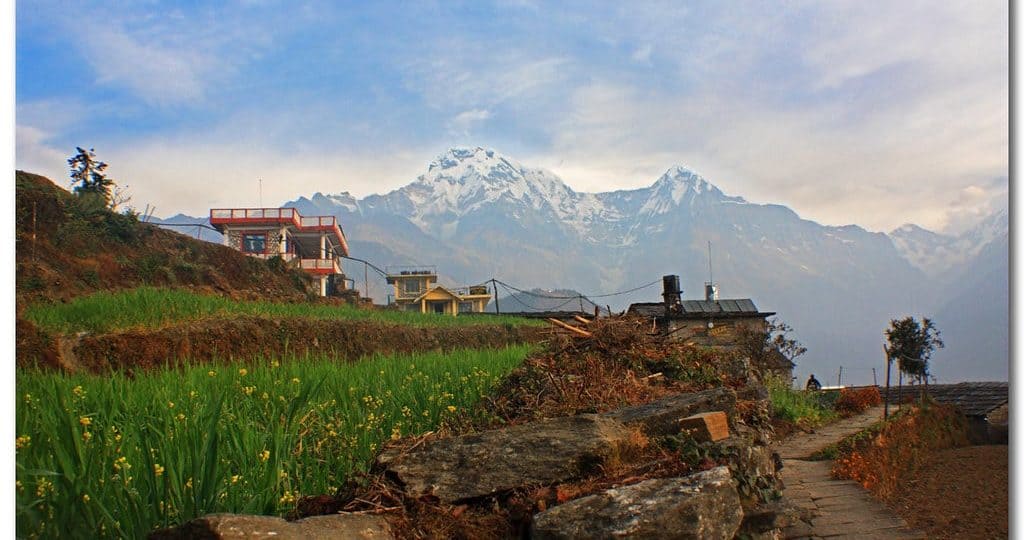
Nepal can be visited year-round, but the experience changes significantly depending on season, region, and travel style. Some months favor trekking and mountain views, others suit cultural travel, wildlife experiences, or budget-focused trips. This guide breaks down the best time to visit Nepal based on what you want from your journey.
Quick Answer: When Is the Best Time to Visit Nepal?
- Best overall: October to mid-December for clear skies and stable weather
- Best for trekking: October to November and March to April
- Best budget season: January to February and June to August
- Best to avoid crowds: Late August, early December
- Best for culture and festivals: September to October
- Best for wildlife safaris: October to March
This guide explains each season in detail so you can confidently choose the best time based on your travel style, budget, and goals.
Understanding Nepal’s Climate and Seasons
Nepal’s seasons affect visibility, trekking access, crowds, and travel logistics in different ways. Rather than focusing only on climate, choosing the right time to visit depends on your travel priorities, such as activities, crowd levels, budget flexibility, and overall pace.
For a detailed breakdown of temperatures, rainfall, and altitude-based climate differences, see our
Nepal Weather & Climate Guide.
Best Months by Travel Purpose
| Travel Goal | Best Months |
|---|---|
| Everest Base Camp Trek | Oct to Nov, Mar to Apr |
| Annapurna Region Treks | Oct to Nov, Mar to May |
| Budget Travel | Jan to Feb, Jun to Aug |
| Wildlife Safari | Oct to Mar |
| Photography | Oct to Nov |
Nepal Climate at a Glance
Nepal’s geography creates very different conditions between lowlands, hills, and high mountains. While climate plays a role in planning, most travelers choose their timing based on activities, crowd levels, and personal travel goals.
For full temperature and rainfall data by region, see our Nepal Weather & Climate Guide.
Best Time to Visit Nepal
Nepal experiences four main seasons, spring, summer, autumn, and winter, each offering different advantages depending on travel priorities and flexibility.

Spring (March to May)
Spring offers a balance between accessibility and moderate crowd levels. It appeals to travelers seeking varied landscapes, wildlife activity, and trekking opportunities without peak-season pressure.
As the season progresses, visibility and comfort can vary, making early spring more predictable than late spring for fixed itineraries.
Monsoon / Summer (June to August)
Monsoon season appeals to travelers who value flexibility, quieter destinations, and unique seasonal landscapes. Costs are generally lower, and popular areas are far less crowded.
However, weather-related disruptions and limited access in some regions mean this season is best suited to adaptable travel plans rather than fixed schedules.
Autumn (Late September to November)
Autumn is the most reliable season for visiting Nepal if you want predictable conditions, full trekking access, and a wide range of cultural experiences. Most regions are accessible, infrastructure is fully operational, and travel plans are easier to execute.
The trade-off is demand. Popular trekking routes, accommodations, and flights are busiest during this period, and advance planning is often necessary.
Winter (December to February)
Winter suits travelers who prioritize quieter travel, cultural exploration, and flexibility. Many lower-elevation destinations remain accessible, and crowd levels are significantly lower than in peak seasons.
However, cold conditions limit access to some high-altitude regions, and travel plans may require more flexibility due to seasonal constraints.

Best Time to Visit Nepal Based on Travel Style
Best Time for First-Time Visitors
For most first-time visitors, October and November are the easiest months to plan around. Services run smoothly, many routes and regions are fully accessible, and it’s simple to combine a short cultural stay with a trek or light hiking.
If you want to start with culture before heading out, consider a short visit such as our Kathmandu UNESCO heritage tour.
Best Time to Visit Nepal on a Budget
If keeping costs low matters most, January to February and June to August are typically more budget-friendly. These periods usually have lower demand for hotels and more flexibility in planning, especially if your schedule can adapt.
Best Time to Avoid Crowds
If you prefer quieter travel, late August, early September, and early December can feel noticeably less busy than peak weeks. These windows tend to suit travelers who value space and flexibility over “perfect” timing.
Best Time for Families and Senior Travelers
Many families and senior travelers prefer spring and autumn for comfortable pacing and broad access to cultural highlights, short hikes, and scenic regions. Choosing routes and daily schedules that match your pace is often more important than chasing a single “best” month.
For an easy-paced itinerary designed for mixed age groups, see our Family Holiday in Nepal.
Best Time for Trekking in Nepal
The best time to trek in Nepal depends heavily on altitude, region, and route choice. While autumn and spring are generally the most reliable seasons, many treks behave very differently depending on location.
Use the detailed guides below to choose the right timing for your trek:
- Best Time to Trek Everest Base Camp
- Best Time to Trek Annapurna Base Camp
- Best Time to Trek Manaslu Circuit
- Best Trekking Seasons in Nepal
Best Time for Jungle Wildlife Tours in Nepal

Wildlife viewing in Nepal is most affected by vegetation density and accessibility rather than temperature alone. Drier months generally provide better visibility, while off-season periods offer quieter parks.
For a deeper look at species and protected areas, see our guide to Wildlife in Nepal.
Best Time for Adventure Activities in Nepal

Adventure activities in Nepal depend heavily on seasonal stability and access. While autumn and spring are generally the most reliable periods, some activities are better suited to shoulder seasons.
Best Time to Witness Festivals in Nepal

If festivals are a priority, timing matters because major celebrations cluster in specific seasons. The list below highlights commonly observed festivals by season. Dates can vary year to year, especially for lunar-calendar events.
Festivals in Spring
- Holi
- Bisket Jatra
- Buddha Jayanti
- Rato Machhendranath Jatra
Festivals in Autumn
- Dashain
- Tihar
- Teej
- Gai Jatra
Festivals in Summer
- Naag Panchami
- Paddy (Rice Planting) Day
Festivals in Winter
- Maghe Sankranti
- Saraswati Puja
For a deeper overview of Nepal’s annual celebrations and cultural context, see: Major Festivals of Nepal.

Field Notes: Questions We Hear All the Time
October or November, which is better?
Both are excellent. October often feels more active on popular routes, while November can bring calmer mornings and a slightly quieter rhythm. If you want the most “plug-and-play” planning, early season dates are easier. If you want a bit more breathing room, later dates can feel less intense.
Is September a safe bet, or still risky?
September can be rewarding, especially later in the month, but it is the most likely time to see leftover monsoon effects. If your trip dates are fixed and you want the highest confidence window, mid-October to mid-November is typically the safer choice.
Spring vs autumn, why do some people say autumn has better views?
Spring often brings comfortable conditions and vibrant landscapes, but it’s also common to see more afternoon cloud build-up as the season progresses. Autumn tends to produce more consistently sharp visibility across many regions, especially in peak weeks.
Can I visit during monsoon, or should I avoid it?
Monsoon travel is not “impossible,” but it changes the experience. Expect more flexibility in your schedule and fewer long-distance mountain views in many areas. If you want a smarter monsoon approach, consider routes and regions known for lower rainfall, including trans-Himalayan rain-shadow areas such as Upper Mustang.
If this is your first high-altitude trek, our guide explains how acclimatization and safety are typically managed: Altitude sickness guide.
Our Expert Advice on the Best Time to Visit Nepal
Nepal can be visited in every season, each offering a different rhythm and experience depending on what you value most. Choosing the right time depends on what matters most to you, activities, pace, budget, or flexibility.
At Mosaic Adventure, we have years of experience helping travelers choose the right season and plan the journey that best matches their interests and budget. If you are unsure about the best time for your Nepal adventure, we are here to guide you with honest and practical advice.
Not Sure Which Season Fits You Best?
No two travelers are the same. Your fitness level, travel dates, budget, and comfort with weather all matter. We help travelers choose the right season and route every day. Contact us today and let us help you plan a Nepal trip that feels smooth, safe, and truly memorable.
Want more information? Send us your query, and our experts will get back to you within 24 hrs.

Madhav Prasad is a seasoned trekking and tourism expert with over two decades of experience in the field. Starting his career in 2001 as a porter, Madhav quickly advanced to the role of trekking guide, gaining invaluable hands-on experience in Nepal’s diverse trekking routes. In 2009, after eight years of dedication to the industry, he co-founded Mosaic Adventure, a leading trekking and tour company known for its commitment to safety, sustainability and personalized service.
Madhav has personally trekked to nearly every major trekking destination in Nepal, including Everest Base Camp, Annapurna Base Camp, the Annapurna Circuit, Poon Hill, Jomsom Muktinath, the Indigenous Peoples Trail, Langtang Valley and Mardi Himal, among others. His experience extends beyond Nepal, as he has also successfully summited Mount Kilimanjaro, Africa’s highest peak.
In addition to his extensive trekking credentials, Madhav is well traveled globally, having explored countries such as Australia, the USA, the UK, France, Japan, China, and many others. His global exposure enhances his ability to understand and cater to the diverse needs of international trekkers.
Madhav is the primary point of contact for many clients at Mosaic Adventure, personally addressing inquiries and helping plan treks with a meticulous and personalized approach. His deep knowledge of Nepal’s trekking routes, combined with his global travel experience, ensures that every trek is well planned, safe and unforgettable.
