Nepal Weather: When to Go Nepal

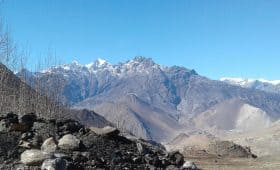
flowers and mountain views that make you forget the difficulty of poon hill trek

Nepal is a land of diverse topography. And, with the change in the topography, the weather condition also changes. The seasonal variations and the weather conditions can determine your experiences while visiting Nepal. Generally Autumn and Spring season marks the best season to trek in Nepal.
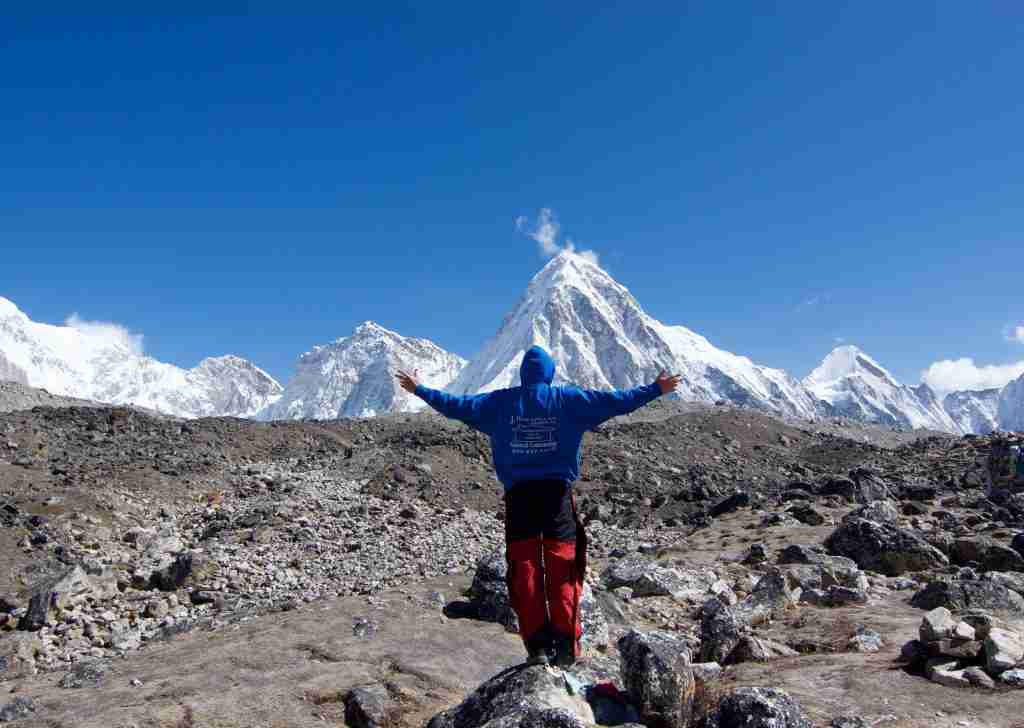
This post is written by Madhav Prasad, a seasoned trekking and tourism expert with over two decades of experience and co-founder of Mosaic Adventure.

However, you can choose to go to Nepal at any time of the year. With the difference in weather conditions, you get to collect varied experiences as per the weather conditions.

To fully experience the beauty of Nepal, it is fundamental to take into consideration general conditions of Nepal weather – the season, climate and temperature during your visit. This will help you prepare and fully enjoy the type of adventure you wish to experience in Nepal.

When is the Best Time to Visit Nepal? A Guide to Weather, Seasons, and Trekking

A Quick Answer: The best time to visit Nepal for trekking is during the autumn (September to November) and spring (March to May) seasons. These months offer stable weather, clear skies, and spectacular mountain views. However, Nepal offers unique experiences year-round, from jungle safaris in winter to lush, green landscapes during the monsoon.

everest base camp trek

From an Expert’s Perspective: With over two decades of guiding treks across Nepal, I’ve seen firsthand how the right timing can transform a trip. As a co-founder of Mosaic Adventure, my goal is to help you plan an unforgettable journey. Nepal’s diverse topography means the weather and climate can vary dramatically, from tropical lowlands to sub-zero Himalayan peaks. Understanding these seasonal differences is key to preparing for the adventure you’ve been dreaming of.

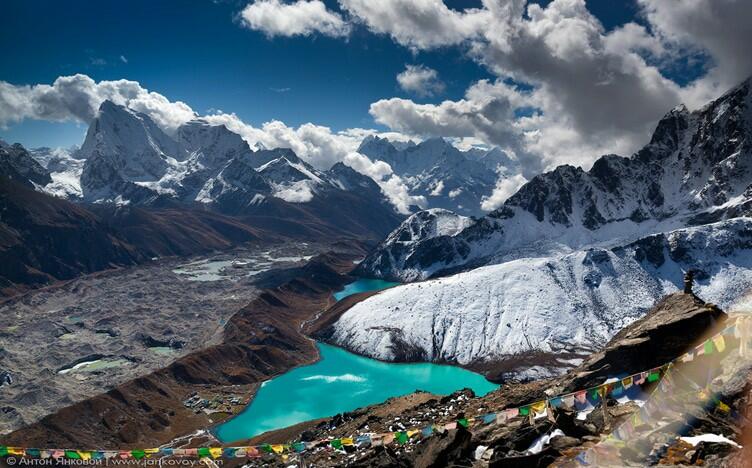
Autumn – Why is Autumn the Best Time to Go to Nepal? (Late September to November)

Nepal weather - when to go Nepal

In my professional opinion, autumn is the prime season for trekking and sightseeing in Nepal. The post-monsoon weather ushers in a period of clear skies and mild temperatures, creating perfect conditions for mountain viewing. This is when the dust and pollution have been washed away, leaving the air crisp and the views of the Himalayas at their most spectacular.

Weather & Temperature: Temperatures are moderate and pleasant, with daytime highs in Kathmandu and Pokhara ranging from 15°C to 25°C (59°F to 77°F). In the high altitudes of the Everest or Annapurna regions, daytime temperatures are cool and comfortable, while nights can drop to around 5°C (41°F).

Trekking Conditions: The trails are in excellent condition, and the lack of rain makes for safe and enjoyable hiking. As an experienced guide, I still advise trekkers on the Everest Base Camp route in late September to carry light rain gear, as a few lingering monsoon showers are possible.

Cultural Highlights: Autumn is a vibrant time for culture, as it is when Nepal celebrates its two most important festivals: Dashain and Tihar. These festivals, which typically fall between late September and November, are a chance to witness colorful traditions, family gatherings, and local feasts.

A Note of Caution: Autumn is the peak tourist season. This means the most popular trekking routes, such as the Everest and Annapurna circuits, can be crowded. You can also expect higher prices for flights and accommodations. Booking well in advance is essential to secure your spot.

Want more information? Send us your query, and our experts will get back to you within 24 hrs.

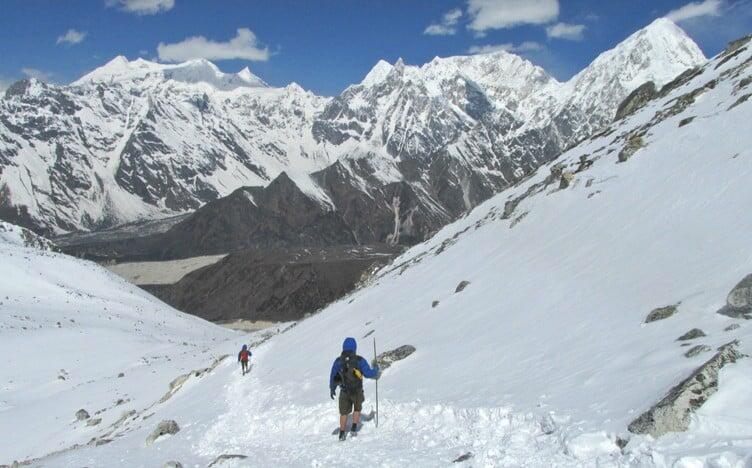
Winter – Can You Trek in Nepal During Winter? (December to February)

winter in nepal- weather - when to go

While winter brings cold temperatures to the high altitudes, it’s a fantastic time for those who prefer solitude and clear views without the crowds. It’s not an ideal time for high-altitude passes, but it’s perfect for low-altitude treks and exploring Nepal‘s cultural and wildlife regions.

Weather & Temperature: Winter days are typically clear, dry, and stable. In the Kathmandu and Pokhara valleys, daytime temperatures are mild, ranging from 15°C to 20°C (59°F to 68°F), though mornings and nights can be quite cold. In the Terai region, where Chitwan and Bardia National Parks are located, the weather is pleasantly warm during the day, with temperatures between 7°C and 23°C (45°F to 73°F), making it ideal for jungle safaris.

Trekking Conditions: High-altitude passes are often blocked by snow, and lodges may be closed. However, lower-altitude treks and hikes around the Kathmandu and Pokhara valleys are a great option. For the adventurous trekker, winter offers the chance to experience iconic trails in complete solitude, a truly unique and peaceful experience.

Recommended Activities: I often recommend winter for jungle safaris in Chitwan National Park and Bardia National Park. The cool, clear weather and lower humidity make it comfortable to spot wildlife.

Spring – What Makes Spring the Second Best Season to Visit Nepal? (March to May)

when to go nepal - march - aprill - may

As a guide, I consider spring to be just as magical as autumn, earning it the title of the second-best season. The days are longer and warmer, and the country comes alive with new growth and stunning floral displays.

Weather & Temperature: The climate is moderate and stable. In the hilly regions, daytime temperatures are typically between 15°C and 25°C (59°F to 77°F). This season sees the spectacular blooming of rhododendrons, Nepal’s national flower, painting the hillsides in vibrant reds and pinks.

Trekking Conditions: Trekking conditions are excellent. However, as the season progresses towards May, haze can sometimes obscure mountain views in the lower elevations. In my experience, trekking in the early spring (March and April) offers the best combination of clear weather and blooming flora.

Wildlife: With the long grasses in the Terai region cut, spring is also one of the best times to spot wildlife during a jungle safari. This is an exciting time to see animals in their natural habitat before the monsoon season begins.

Summer – Pre-Monsoon and Monsoon Seasons

Nepal weather - monsoon season - when to go
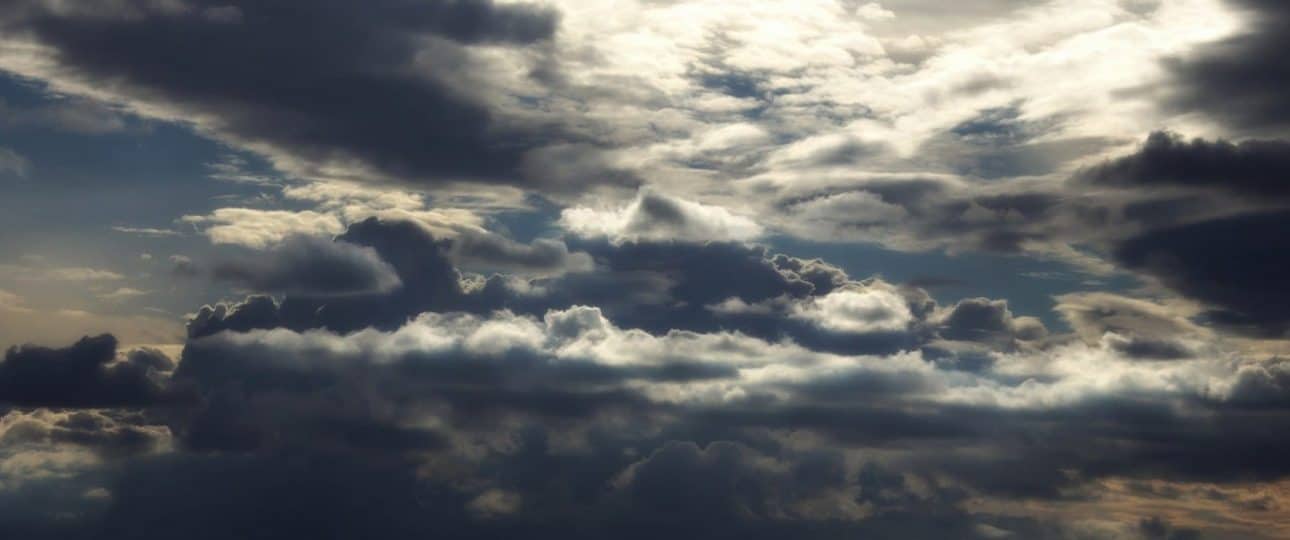
June brings more heat, showers, and clouds. By mid-June, Nepal welcomes its monsoon season. This time is a fascinating time as it is during these days when the water rushes to the rivers and the greens are in bloom. This is when Nepal looks at its best with cleaner air, blooming flowers, and abundant fruits and vegetables.

The downsides, however, are the mountain views are not highly visible, leeches are more common especially in the mid-elevation routes and paths. Some days, roads may be blocked due to landslides and internal flights are usually canceled during this time of the year.
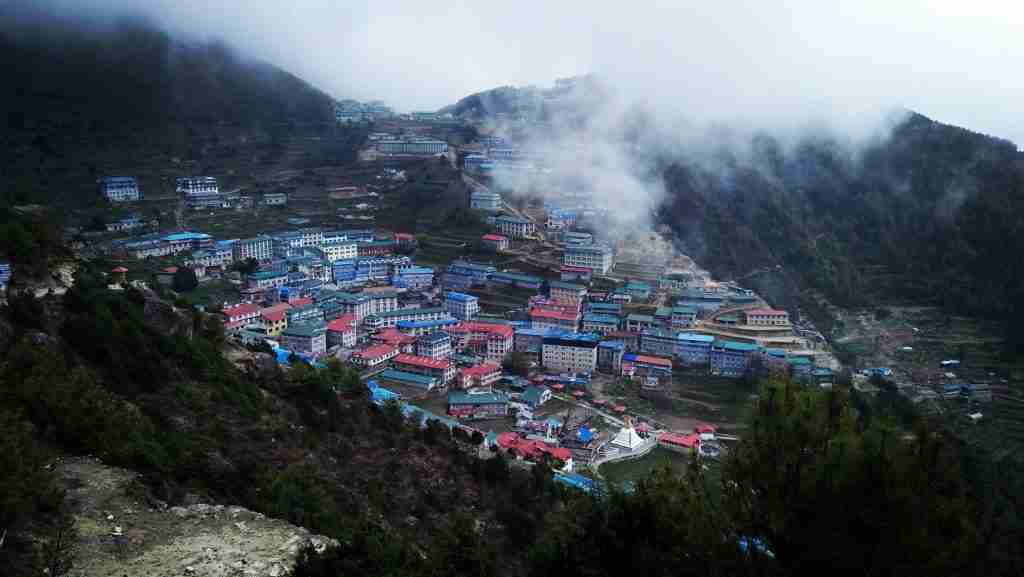
Namche Bazar seen along the trek to Everest Base Camp in September

Rainfall and Temperature
When it comes to temperature and rainfall, Nepal is known for being in the extremes. The lowland plains may have tropical temperatures while the Himalayas can go below sub-zero temperatures.

However, the heat of the sun brings warmth during the daytime to both the plains and the mountains.

Tips for Traveling to Nepal

  • Hire licensed or local guides and porters.
  • Stay hydrated, wherever you go.
  • Plan contingency days for trekking in Nepal.
  • Be physically and emotionally prepared for flight cancellations and delays.

Traveling in Nepal is quite fun as you get to enjoy numerous things in the place. From high altitude trekking to a lower level short hikes. Or, you can go for adventurous activities or relax on the lakeside in Pokhara. There are varied things you can partake in while traveling in Nepal.

Best Time to Visit Nepal – Seasonal Overview Chart

To help you decide the best time to visit Nepal based on your interests and travel goals, here’s a seasonal overview. The chart below highlights how each season differs in terms of weather, visibility, trekking conditions, crowd levels and suggested activities or regions to explore.

Seasons Months Weather & Temperature Visibility Trekking Conditions Crowds Recommended Activities/Regions
Autumn  Late Sep to Nov Clear skies, mild days, cool nights Excellent (crystal-clear mountains) Best season for trekking High (peak season) Everest, Annapurna, Langtang treks, festivals (Dashain, Tihar)
Winter  Dec to Feb Cold mornings/evenings, dry and stable Good (clear but hazy in valleys) Limited (cold in high altitudes) Low (peaceful trails) Chitwan & Bardia safaris, Kathmandu/Pokhara valley walks
Spring  Mar to May Warm days, blooming rhododendrons Good (some haze later in season) Second, best, season for trekking Moderate to High Rhododendron forests, wildlife watching, Everest/Annapurna
Summer  Jun to Early Sep Hot, humid, frequent rain, monsoon season Poor (clouds obscure peaks) Challenging (muddy, leeches) Low (off season) Lush landscapes, photography, cultural immersion in rain shadow areas

Useful Links:
Meteorological Forecasting Division of Government of Nepal
Live webcam showing Everest from the top of Kala Patthar
What to do in Nepal if not trekking

Frequently Asked Questions (FAQs)

Do I need to hire a guide for trekking in Nepal?

Yes, since 2023, the Nepal Tourism Board requires all foreign trekkers (except Nepali citizens) to hire a licensed guide or porter-guide when trekking in national parks and conservation areas. This rule ensures your safety and enhances your experience. A guide helps you navigate trails, shares insights about local culture, and provides valuable knowledge about the natural surroundings, making your trek more enjoyable. Additionally, hiring a guide supports the local economy by providing employment and a sustainable livelihood for individuals in the trekking industry.

Which treks are best for beginners in Nepal?

Nepal has treks for all fitness levels, and beginners can enjoy stunning views on shorter, less challenging routes. Here are some great options:

  • Ghorepani Poon Hill Trek: A 4-5 day trek with breathtaking views of the Annapurna and Dhaulagiri ranges.
  • Mardi Himal Trek: A quieter, newer route with spectacular vistas of Machhapuchhre (Fishtail) and Annapurna South.
  • Everest View Trek: A short trek in the Everest region, offering a glimpse of Mount Everest without the trek to Base Camp.

What should I pack for a trekking trip in Nepal?

Packing depends on the season and altitude, but layering is key. Here’s a list of essentials:

  • Clothing: Moisture-wicking base layers, a warm fleece jacket, a waterproof outer shell, comfortable trekking pants, and quality trekking socks.
  • Footwear: Well-worn trekking boots with good ankle support.
  • Gear: A warm sleeping bag (many lodges lack heating), a headlamp, trekking poles, and a sturdy daypack.
  • Health & Hygiene: A personal first-aid kit, water purification tablets or a filter, sunscreen, and hand sanitizer.
  • Documents: Your passport, visa, trekking permits (ACAP/TIMS), and travel insurance details.

For full details, check out our Recommended Packing List covering trekking, climbing, safari, and rafting in Nepal.

How can I avoid altitude sickness while trekking?

Altitude sickness is a concern on high-altitude treks, but you can reduce the risk by ascending slowly and following the “climb high, sleep low” rule. Here are some tips:

  • Acclimatize: Include rest days in your itinerary, especially above 3,000 meters.
  • Stay Hydrated: Drink 3-4 liters of water daily and avoid alcohol or caffeine.
  • Listen to Your Body: Pay attention to symptoms like headaches, nausea, or dizziness. If symptoms worsen, descend immediately. Your guide is trained to spot these signs and prioritize your safety.
  • Rely on Your Guide: Your licensed guide from Mosaic Adventure, a trusted and reputable trekking company, is expertly trained to recognize early signs of altitude sickness and will monitor your condition closely. With their extensive experience and professional training, Mosaic Adventure’s guides ensure timely decisions, such as descending to a lower altitude if needed, prioritizing your safety. Having a Mosaic Adventure guide with you not only enhances your safety but also supports their rigorous training programs and sustains the livelihoods of skilled professionals, contributing meaningfully to the local trekking community.

How do I get a visa for Nepal?

Most travelers can get a Visa on Arrival at Tribhuvan International Airport in Kathmandu or at land border crossings. The process is straightforward:

  • Complete the online visa application before arrival or use the airport kiosks.
  • Bring a passport valid for at least six months and one passport-sized photo.
  • Pay the visa fee in cash (USD, EUR, GBP, or AUD are accepted). Fees are approximately $30 for 15 days, $50 for 30 days, or $125 for 90 days.

What currency is used in Nepal, and how should I handle money on a trek?

Nepal’s currency is the Nepalese Rupee (NPR). ATMs and credit card payments are common in cities like Kathmandu and Pokhara but rare on trekking routes. Exchange your money for NPR in Kathmandu and carry enough cash for the entire trek, as ATMs are unavailable on trails.

Is it safe to drink tap water in Nepal?

Tap water in Nepal is not safe to drink without purification. To avoid stomach issues, use these methods:

  • Boiled Water: Available at teahouses for a small fee.
  • Purification Tablets: Iodine or chlorine tablets are effective and easy to carry.
  • Water Filter: A personal filter bottle is an eco-friendly choice.
  • Bottled Water: Available but not recommended to reduce plastic waste on trails.

What are teahouse accommodations like on Nepal’s trekking routes?

Teahouses are family-run guesthouses and the most common accommodation on popular trekking routes. Here’s what to expect:

  • Rooms: Basic, with two single beds, a mattress, and a blanket. Rooms are unheated, so a sleeping bag is essential.
  • Facilities: Shared bathrooms are common, and hot showers may cost extra. The dining hall, warmed by a stove in the evening, is the main communal area.
  • Meals: Menus include local and Western dishes. The popular “Dal Bhat” (rice, lentils, and curries) comes with unlimited refills and is a great energy source.

How can I stay connected while trekking in Nepal?

Connectivity on treks can be spotty, but you have options:

  • Local SIM Card: Buy a Nepal Telecom or Ncell SIM in Kathmandu. Nepal Telecom offers better coverage in remote areas.
  • Wi-Fi: Many teahouses provide Wi-Fi for a small fee, though it’s often slow and unreliable. It’s usually sufficient for messages or quick emails.
  • Satellite Phone: For remote expeditions, a satellite phone is the most reliable option for emergencies.

Do I need travel insurance for trekking in Nepal?

Travel insurance is strongly recommended and, in our view, essential for trekking in Nepal. Ensure your policy covers:

  • Medical Expenses: For treatments and hospital stays.
  • Emergency Evacuation: Including helicopter rescue, critical for high-altitude emergencies.
  • Trip Cancellation: For unexpected issues like flight delays, especially for Lukla flights, which can be affected by weather.

Summary,

In conclusion, the ideal time to visit Nepal truly depends on the experience you seek.

Autumn and Spring remain the prime seasons for classic trekking and outdoor activities, offering the perfect combination of clear skies, moderate temperatures, and colorful natural beauty.

Winter provides a serene alternative for those looking to avoid crowds and explore Nepal’s rich cultural heritage and lowland regions, while Summer, despite the monsoon rains, reveals a lush, vibrant, and equally wonderful landscape.

Ultimately, Nepal’s diverse topography ensures that every visit is unique and memorable. As a trekking company dedicated to unforgettable journeys, we emphasize that proper planning and preparation, from understanding the weather and local conditions to having the right gear, are key to a successful trip.

So, pack accordingly, stay informed, and get ready for the adventure of a lifetime in this Himalayan paradise.

Want more information? Send us your query, and our experts will get back to you within 24 hrs.
You may also be interested in...

Leave a Reply

Your email address will not be published. Required fields are marked *