
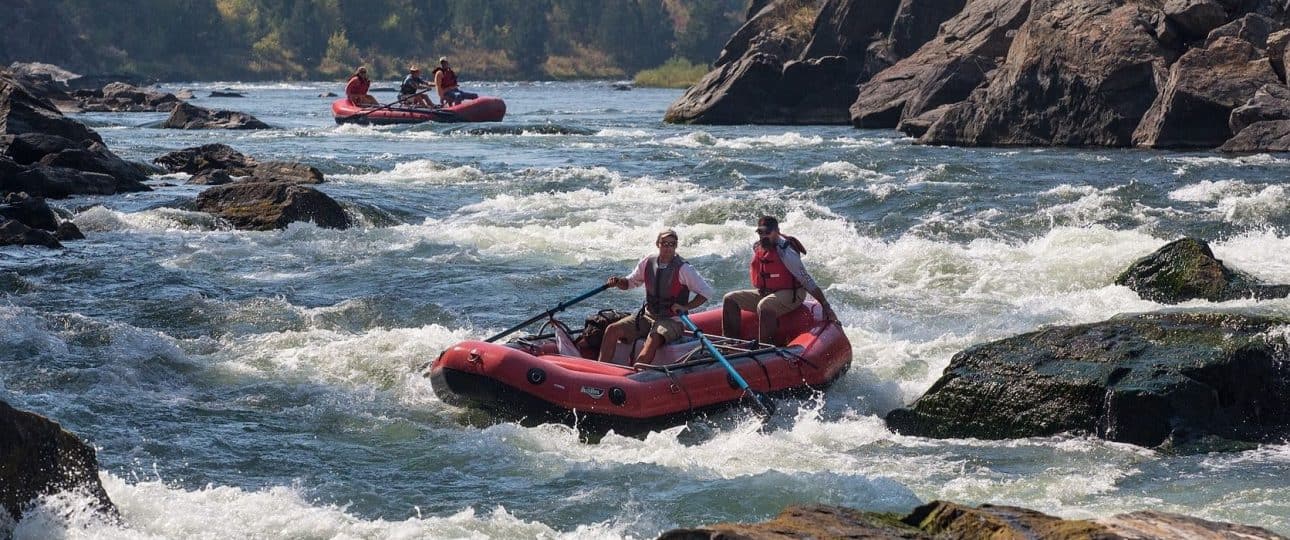
Nepal is widely known for its dramatic landscapes and diverse geography. As altitude changes across the country, so do the types of outdoor experiences available to travelers. From gentle nature-based activities to high-adrenaline sports, Nepal offers adventure in many forms.
One activity that consistently attracts thrill-seekers is rafting in Nepal. The combination of fast-flowing Himalayan rivers and ever-changing scenery makes rafting an exciting way to explore the country from a different perspective.
Rafting is among the most popular adventure sports in Nepal. With rivers suitable for beginners as well as experienced rafters, the sport caters to a wide range of skill levels and comfort zones.
Choosing the right rafting trip depends on factors such as experience, safety considerations, and personal appetite for adventure. Travelers unfamiliar with outdoor activities in Nepal are encouraged to review general adventure safety and preparation guidelines before finalizing their plans.
Why Rafting in Nepal?
Nepal’s unique topography, shaped by towering mountains and deep river valleys, creates ideal conditions for white-water rafting. Rivers originating from the Himalayas offer everything from calm stretches to technical rapids.
Fed by glacial melt and seasonal rainfall, both large and small rivers flow through remote gorges, forested hills, and rural settlements, making rafting not only an adventure sport but also a scenic journey through the countryside.
Top Rafting Destinations in Nepal
Among the many rivers suitable for rafting, two destinations stand out for their accessibility and popularity:
Bhotekoshi River Rafting in Nepal
Bhotekoshi offers a short yet intense white-water rafting experience. Flowing down from the Tibetan plateau, the river features powerful rapids that alternate between narrow gorges and calmer sections.
While navigating the rapids, rafters can also enjoy views of surrounding landscapes, including forested hills and mountain backdrops such as Langtang and Dorje Lakpa.

White water rafting in Bhote Koshi is easily accessible from Kathmandu and is known for its challenging nature. At higher water levels, the river offers Grade IV to V rapids, while lower flows are suitable for less experienced rafters.
Bhotekoshi is one of Nepal’s fastest-flowing rivers, providing an action-packed rafting experience along with striking riverbank scenery and large natural boulders.
Want more information? Send us your query, and our experts will get back to you within 24 hrs.
Trishuli River Rafting in Nepal
Trishuli River holds cultural as well as recreational significance. According to Hindu belief, the river was formed by Lord Shiva’s trident, giving rise to its name, Trishuli, meaning “three outlets.”
Located conveniently between Kathmandu and Pokhara, Trishuli is one of the most frequently rafted rivers in Nepal. It offers a balanced mix of exciting rapids and calmer stretches, making it suitable for first-time rafters and families.
Rafters can enjoy views of lush hills, deep gorges, sandy riverbanks, and cable cars heading toward the Manakamana Temple.
Trishuli river rafting is often chosen by travelers looking for a short adventure without committing to a multi-day trip.

During winter, the river remains relatively gentle, while the monsoon season transforms it into a more powerful and demanding rafting route. Understanding the best time to visit Nepal helps rafters choose conditions that best match their skill level and expectations.
Want more information? Send us your query, and our experts will get back to you within 24 hrs.
Other Rafting Options
Beyond Bhotekoshi and Trishuli, Nepal is home to several other rivers that offer excellent rafting opportunities:
- Upper Seti River
- Lower Seti River
- Marsyangdi River
- Kaligandaki River
- Karnali River
- Sunkoshi River
- Tamur River
Each river differs in terms of rapid intensity, scenery, and trip duration, allowing rafters to choose an experience that matches their expectations.

Lastly
For travelers seeking an unforgettable outdoor experience, rafting in Nepal offers both excitement and natural beauty. It is also one of many adventure activities in Nepal that allow visitors to experience the country beyond traditional sightseeing.
Nepal is no longer known only as the home of Mount Everest or Lumbini, the birthplace of Lord Buddha.
Improved infrastructure and growing expertise in adventure tourism have helped position the country as a hub for outdoor activities.
From high-altitude trekking to paragliding, scenic mountain flights, skydiving, and bungee jumping, Nepal continues to attract adventure enthusiasts from around the world.
Want more information? Send us your query, and our experts will get back to you within 24 hrs.

Madhav Prasad is a seasoned trekking and tourism expert with over two decades of experience in the field. Starting his career in 2001 as a porter, Madhav quickly advanced to the role of trekking guide, gaining invaluable hands-on experience in Nepal’s diverse trekking routes. In 2009, after eight years of dedication to the industry, he co-founded Mosaic Adventure, a leading trekking and tour company known for its commitment to safety, sustainability and personalized service.
Madhav has personally trekked to nearly every major trekking destination in Nepal, including Everest Base Camp, Annapurna Base Camp, the Annapurna Circuit, Poon Hill, Jomsom Muktinath, the Indigenous Peoples Trail, Langtang Valley and Mardi Himal, among others. His experience extends beyond Nepal, as he has also successfully summited Mount Kilimanjaro, Africa’s highest peak.
In addition to his extensive trekking credentials, Madhav is well traveled globally, having explored countries such as Australia, the USA, the UK, France, Japan, China, and many others. His global exposure enhances his ability to understand and cater to the diverse needs of international trekkers.
Madhav is the primary point of contact for many clients at Mosaic Adventure, personally addressing inquiries and helping plan treks with a meticulous and personalized approach. His deep knowledge of Nepal’s trekking routes, combined with his global travel experience, ensures that every trek is well planned, safe and unforgettable.
