
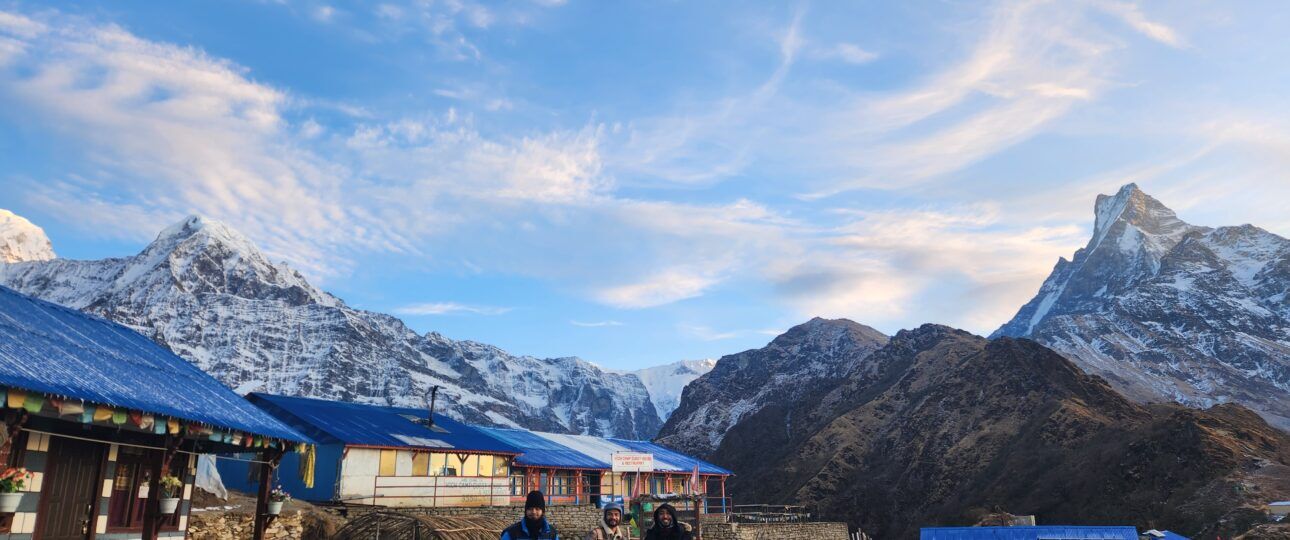
Visiting Nepal for trekking is a dream for many outdoor enthusiasts. This resource focuses on the practical aspects of preparing for a trek, including health, safety, permits, altitude awareness, and responsible trekking practices.
The breathtaking landscapes, diverse culture, humble people, and towering peaks of the Himalayas offer a unique experience.
However, trekking in such remote and high altitude regions requires careful planning and preparation to ensure a safe, healthy, and enjoyable journey.
The information below is designed to help trekkers prepare responsibly by covering health precautions, altitude safety, permits, emergency planning, and ethical trekking practices. It focuses on preparation and risk awareness rather than ranking or recommending specific trekking routes. If you are still comparing routes by scenery or difficulty, our overview of the best treks in Nepal provides a separate, experience-based comparison.

The first step in preparing for a trek in Nepal is understanding the health precautions required before arrival.
Travel Vaccinations and Health Precautions
Importance of Vaccinations
Traveling to Nepal, especially for trekking, exposes you to different health risks that are not prevalent in your home country. Vaccinations are a crucial part of your preparation to safeguard against infectious diseases. The Centers for Disease Control and Prevention (CDC) and the World Health Organization (WHO) provide up to date recommendations on travel vaccinations.
Recommended Vaccinations
- Routine Vaccinations: Ensure you are up-to-date with routine vaccines such as measles-mumps-rubella (MMR), diphtheria-tetanus-pertussis, varicella (chickenpox), polio, and your annual flu shot.
- Hepatitis A and B: Hepatitis A can be contracted through contaminated food and water, while Hepatitis B is transmitted through blood and other bodily fluids. Both vaccines are highly recommended.
- Typhoid: Typhoid fever is another illness spread through contaminated food and water. The typhoid vaccine is essential for travelers to Nepal.
- Rabies: While not common, rabies can be a risk if you plan to spend a lot of time outdoors or in rural areas where you might encounter animals.
- Japanese Encephalitis: This mosquito-borne disease is rare but present in certain parts of Asia. Consider this vaccine if you plan to stay for an extended period or visit rural areas.
- Malaria: Although malaria is not prevalent in most trekking areas, it is present in the lower regions of Nepal. Consult your healthcare provider about the need for antimalarial medication.
Health Precautions
- Water and Food Safety: Drink only bottled or purified water. Avoid ice cubes, as they may be made from untreated water. Eat freshly cooked food and avoid raw or undercooked items.
- Personal Hygiene: Wash your hands frequently with soap and water or use hand sanitizer. Avoid touching your face, especially your eyes, nose, and mouth, to prevent infections.
Local Vaccination Centers
If you forgot to get any of these vaccinations before traveling to Nepal, the CIWEC Clinic in Kathmandu is a reliable place to get vaccinated. They offer a range of vaccinations and health services for travelers. CIWEC Clinic is known for its quality care and expertise in travel medicine.

Beyond general health precautions, altitude presents the most significant physical challenge for trekkers in Nepal.
Altitude Sickness Prevention and Management
Understanding Altitude Sickness
Altitude sickness, also known as Acute Mountain Sickness (AMS), is an illness that can affect travelers at high altitudes, usually above 2,400 meters (8,000 feet), such as on treks in Nepal. It results from the body’s reaction to lower oxygen pressure at high altitudes.
As you ascend, the oxygen pressure falls, causing the body to increase breathing and heart rate while producing more red blood cells to carry oxygen. AMS can range from mild to severe and can affect the nervous system, lungs, muscles, and heart.
Causes of Altitude Sickness
AMS is caused by reduced air pressure and lower oxygen levels at high altitudes. The faster you climb, the more likely you are to develop AMS.
Individuals at higher risk include those living near sea level, those with a history of AMS, and people with pre-existing heart or lung conditions such as chronic bronchitis and asthma. Anemia and a history of thromboses also increase susceptibility. Older adults and children are more vulnerable to AMS.
Symptoms of Altitude Sickness
Symptoms usually start 12 to 24 hours after arrival at altitude and can vary based on the rate of ascent and physical exertion. Early symptoms resemble a hangover and include:
- Headache
- Loss of appetite
- Fatigue
- Dizziness
- Nausea
If symptoms persist or worsen, they can lead to severe conditions such as High Altitude Cerebral Edema (HACE) and High Altitude Pulmonary Edema (HAPE), which can be life-threatening. Symptoms of severe AMS include:
- Intense headaches
- Vomiting
- Confusion or decreased consciousness
- Blue skin and lips (cyanosis)
- Tight chest and coughing up blood
- Difficulty walking in a straight line or walking at all
Prevention of Altitude Sickness
- Gradual Ascent: Ascend slowly to allow your body to acclimatize. Avoid increasing your sleeping altitude by more than 300-500 meters (1,000-1,600 feet) per day above 3,000 meters (10,000 feet).
- Hydration: Drink plenty of fluids, at least 3 to 4 liters per day, to stay hydrated.
- Avoid Alcohol: Refrain from consuming alcohol when ascending, as it can exacerbate dehydration and altitude sickness symptoms.
- Monitor Symptoms: Recognize early symptoms of AMS and descend if symptoms worsen. Guides are experienced in detecting and managing AMS, and they will help make informed decisions about whether to continue or descend.
- Medication: Consult your doctor about medications like acetazolamide (Diamox), which can help prevent AMS. Iron supplements may be recommended if you are anemic.
While altitude awareness is critical, overall trekking safety also depends on preparation, equipment, and decision-making throughout the journey.
Trekking Safety Tips for Nepal
Trekking in Nepal, particularly in high-altitude regions, requires careful planning and preparation. The sections that follow provide detailed safety tips to ensure a secure and enjoyable trek.
Staying safe on a trek in Nepal comes down to a few practical choices made before and during the journey. Here’s a detailed guide to help you stay safe on your trek in Nepal.
1. Choose a Reputable Trekking Company
Selecting the right company is crucial for a safe and enjoyable trek. Consider the following when choosing a trekking company:
- Experienced Guides: Ensure the company provides experienced, well trained guide with knowledge of first aid and altitude sickness management.
- Safety Equipment: Verify that the company carries essential safety equipment, including first aid kits, communication devices, and emergency protocols.
- Proper Acclimatization: Choose a company that plans itineraries allowing for adequate acclimatization to prevent altitude sickness.

Want more information? Send us your query, and our experts will get back to you within 24 hrs.
2. Acclimatization and Altitude Sickness
- Understand Altitude Sickness: Recognize symptoms such as headaches, nausea, dizziness, and shortness of breath. Severe cases can be dangerous.
- Climb High, Sleep Low: Follow the principle of climbing to higher altitudes during the day and sleeping at lower altitudes to help your body acclimatize.
- Hydration: Drink plenty of water and avoid alcohol to assist your body in adjusting to higher altitudes.
- Medication: Consider medications like Diamox (acetazolamide) to prevent altitude sickness, but consult with your doctor beforehand.

3. Proper Gear and Clothing
- Trekking Boots: Invest in high quality, broken-in trekking boots for comfort and ankle support.
- Layered Clothing: Pack clothing in layers to adapt to changing weather conditions, including thermal wear, fleece jackets, and windproof/waterproof outer layers.
- Sleeping Bag: Bring a sleeping bag rated for cold temperatures, as nights at high altitudes can be extremely cold.
- Sun Protection: Use sunscreen, lip balm with SPF, and wear a wide-brimmed hat and UV protected sunglasses to protect against the intense high-altitude sun.
4. Nutrition and Hydration
- Nutritious Food: Eat well-balanced meals to maintain energy levels. High-calorie snacks like nuts and dried fruits are good for quick energy boosts.
- Safe Drinking Water: Drink purified or boiled water. Bring water purification tablets or a portable water filter as a precaution.
5. Weather and Environmental Awareness
- Unpredictable Weather: Be prepared for sudden weather changes, especially at higher altitudes. Carry extra layers and rain gear.
- Trekking Season: Plan your trek during the optimal seasons (spring: March-May and autumn: September-November) to avoid extreme weather conditions.
Here’s a table showing the average temperatures of Kathmandu for each month in both Celsius and Fahrenheit. These temperature averages are provided for general planning only. Conditions on trekking routes vary significantly with altitude and region.
| Month | Average Temperature (°C) | Average Temperature (°F) |
|---|---|---|
| January | 7°C | 45°F |
| February | 9°C | 48°F |
| March | 12°C | 54°F |
| April | 16°C | 61°F |
| May | 20°C | 68°F |
| June | 22°C | 72°F |
| July | 22°C | 72°F |
| August | 21°C | 70°F |
| September | 19°C | 66°F |
| October | 15°C | 59°F |
| November | 11°C | 52°F |
| December | 8°C | 46°F |
This should give a good overview of the temperature variations throughout the year in Kathmandu. Make sure you research the weather and temperature conditions for your visit to make the most out of your trekking experience in Nepal.
6. Physical Preparation
- Fitness Training: Begin a fitness regimen months before your trek to build stamina and strength. Include cardiovascular exercises, strength training, and long hikes.
- Mental Preparation: Be mentally ready for the challenges of high-altitude trekking, including long days of walking and basic living conditions.
7. Emergency Procedures
- Emergency Contacts: Keep emergency contact numbers handy, including your trekking company’s 24-hour number and local authorities.
- Travel Insurance: Ensure you have travel insurance that covers high-altitude trekking and emergency evacuation. When purchasing travel insurance for trekking in Nepal, ensure that it explicitly covers high-altitude trekking, emergency helicopter evacuation, and medical treatment above 4,000 meters. Many standard policies exclude these conditions by default.
- Health Check: Have a pre-trek medical check-up to confirm you’re fit for high-altitude trekking.
8. Environmental Responsibility
- Leave No Trace: Follow Leave No Trace principles to minimize your environmental impact. Dispose of waste properly and respect local wildlife.
- Cultural Respect: Respect local customs and traditions. Engage with locals courteously and learn about their culture.
9. Staying on Trails
- Stick to Marked Trails: For your safety and to protect the environment, always stay on marked trails. Straying off can lead to accidents and damage fragile ecosystems.
- Avoid Shortcuts: Resist the urge to take shortcuts, as they can erode trails and disrupt wildlife habitats.
- Respect Trail Signs: Follow all posted signs and guidelines to help maintain trail integrity and ensure a safe trek.
By adhering to these comprehensive trekking safety tips, you can ensure a safe and enjoyable trekking experience in Nepal. Always prioritize your health and safety, and make informed decisions throughout your journey.
In addition to physical preparation, trekkers must also meet Nepal’s legal entry and trekking permit requirements.
Visa and Permit Information
Visa Requirements:
-
- Passport: Ensure your passport is valid for at least six months beyond your intended stay in Nepal.
- Visa Form: You need to complete a visa application form. You can fill it out on arrival or within 15 days prior to your travel date. For instance, if you plan to arrive on August 15, fill out the form between August 1 and August 15. This ensures the form is valid for your travel date.
- Visa Fee: The visa fee depends on the duration of your stay:
- 15-day visa: USD 30
- 30-day visa: USD 50
- 90-day visa: USD 125 The fee is payable in USD. For visa types other than the tourist visa, such as business or student visas, check the immigration website for details.
- Visa on Arrival: Most travelers can obtain a visa on arrival at Tribhuvan International Airport in Kathmandu. However, nationals from certain countries may need to apply for a visa in advance from a Nepalese embassy or consulate. Verify the on arrival visa requirements specific to your nationality before traveling.
Trekking Permits:
-
- TIMS Card (Trekkers’ Information Management System): This card is required for most trekking regions. It helps authorities track trekkers for safety purposes.
- Annapurna Conservation Area Permit (ACAP): Necessary for trekking in the Annapurna region. This permit is used to preserve the natural environment and support local communities.
- Sagarmatha National Park Permit: Required for trekking in the Everest region, including the Everest Base Camp trek.
- Manaslu Conservation Area Permit (MCAP): Needed for trekking in the Manaslu region. This permit helps in the conservation efforts of the area.
- Restricted Area Permits: Some trekking areas, such as Upper Mustang, Manaslu, and Kanchenjunga, require special permits and must be trekked with a registered guide. These areas have specific regulations to preserve their unique cultural and ecological heritage.

Permit Arrangements
Most trekking agencies will organize these permits for you. If you are planning a solo trek, visit the Nepal Tourism Board for the latest information and requirements regarding permits. Always confirm the latest regulations and procedures well in advance of your trek to ensure a smooth experience.
Guide and Solo Trekking Regulations
Nepal has introduced regulations requiring trekkers to hire a licensed guide in many trekking regions. These rules are intended to improve safety, ensure better emergency response, and support local employment. Requirements can vary by region, and enforcement may change over time, so it is important to confirm current regulations with the Nepal Tourism Board or a registered trekking agency before planning a solo trek.
First Aid and Emergency Procedures for Trekking in Nepal
First Aid Kit Essentials:
Bandages and Dressings: Pack adhesive bandages, gauze pads, and medical tape.
Antiseptic Wipes and Creams: For cleaning and treating cuts and abrasions.
Pain Relievers: Include ibuprofen or acetaminophen for headaches and muscle aches.
Altitude Sickness Medication: Carry Diamox or other prescribed altitude sickness medications.
Blister Treatment: Moleskin, blister pads, and antiseptic ointment for foot care.
Personal Medications: Bring any regular prescription medications.
Basic Tools: Scissors, tweezers, and safety pins for emergencies.
Emergency Contacts and Procedures:
Emergency Contacts: Keep a 24-hour contact number for your trekking agency, local authorities, and your country’s embassy or consulate.
Evacuation Plan: Familiarize yourself with evacuation procedures. Helicopter rescues are common in Nepal for serious emergencies. Make sure your travel insurance covers emergency evacuations.
Local Medical Facilities: Know the locations of health posts and clinics along your trekking route. Major trekking areas have basic facilities, while Kathmandu has well-equipped hospitals.

Being prepared with the right first aid supplies and understanding emergency procedures will help ensure a safe and enjoyable trekking experience in Nepal.
Communication and Connectivity: Mobile network coverage is available in many trekking regions but can be unreliable at higher altitudes and in remote areas. Local SIM cards are inexpensive and widely used, but trekkers should not rely solely on mobile phones for emergencies. Satellite phones or communication devices carried by guides provide a safer backup in remote regions.
Electricity is available in most trekking lodges, but power supply can be limited or solar-based at higher altitudes. Charging devices often incurs an additional fee, so carrying power banks is strongly recommended.
Preparedness also extends beyond personal safety to how trekking impacts local communities and the environment.
Responsible Trekking in Nepal
Responsible trekking in Nepal is about balancing adventure with respect for both the environment and local communities. It involves minimizing your impact on the natural landscape, engaging with local cultures respectfully, and ensuring fair treatment for those who support your journey, such as guides and porters.
By following ethical practices, you help preserve the beauty of the Himalayas and contribute positively to the communities you visit.
Environmental Responsibility
Trekking in the Himalayas demands a commitment to preserving the environment. Here are key practices to follow:
Leave No Trace: Ensure that all your trash, including biodegradable items, is packed out. This helps in maintaining the pristine beauty of the trekking areas.
Respect Wildlife: Observe animals from a distance. Avoid feeding or disturbing wildlife to protect their natural behavior and habitat.
Stick to Trails: Use established trails to prevent damage to fragile ecosystems. Creating new paths can lead to soil erosion and habitat destruction.
Cultural Respect
Nepal is culturally rich and diverse. To show respect to local communities:
Dress Modestly: Wear appropriate clothing, especially in rural areas and around religious sites. This shows respect for local customs and traditions.
Ask Permission: Always seek consent before photographing people or entering private property. This is crucial in maintaining respectful interactions with locals.
Support Local Economies: Buy goods and services from local businesses. This supports the community and encourages sustainable tourism practices.
Fair Treatment of Guides and Porters
Ensuring the well being of your guides and porters is essential:
Fair Wages: Pay fair wages and tip appropriately, in line with local tipping culture. Proper compensation is crucial for their livelihoods.
Proper Gear: Confirm that porters have adequate clothing and equipment for the trek. Avoid overloading them to prevent injuries. A reasonable maximum load per porter is around 20 kg (44 pounds).
Additional Considerations
Reforestation and Conservation: Participate in or support reforestation projects and conservation efforts. The Annapurna Conservation Area Project (ACAP) and Community Forestry Program are examples of successful initiatives that balance environmental preservation with local needs.
Sustainable Practices: Reduce your environmental footprint by minimizing waste, avoiding single-use plastics, and supporting local initiatives aimed at reducing deforestation and improving energy efficiency.
By adhering to these principles, you contribute to the sustainability of trekking in Nepal and help ensure that the Himalayas remain a beautiful and viable destination for future generations.
Conclusion
Trekking in Nepal offers a unique experience shaped by high mountains, diverse landscapes, and strong cultural traditions.
To ensure a safe and fulfilling journey, thorough preparation is essential. This involves securing the right vaccinations, managing altitude sickness, adhering to safety guidelines, understanding local culture and traditions, obtaining necessary permits, and practicing responsible trekking.
Respecting the environment and local cultures enhances your trek and helps preserve Nepal’s natural beauty and cultural heritage for future generations.
By minimizing your environmental footprint, supporting local communities, and ensuring fair treatment of guides and porters, you contribute to sustainable tourism.
Ultimately, a successful trek is grounded in careful planning and a respectful approach to Nepal’s wonders. With the right preparation, proper documentation, a positive mindset, and well-researched gear and clothing, you can fully experience the majesty of Nepal’s trails and create lasting memories.
Want more information? Send us your query, and our experts will get back to you within 24 hrs.

Madhav Prasad is a seasoned trekking and tourism expert with over two decades of experience in the field. Starting his career in 2001 as a porter, Madhav quickly advanced to the role of trekking guide, gaining invaluable hands-on experience in Nepal’s diverse trekking routes. In 2009, after eight years of dedication to the industry, he co-founded Mosaic Adventure, a leading trekking and tour company known for its commitment to safety, sustainability and personalized service.
Madhav has personally trekked to nearly every major trekking destination in Nepal, including Everest Base Camp, Annapurna Base Camp, the Annapurna Circuit, Poon Hill, Jomsom Muktinath, the Indigenous Peoples Trail, Langtang Valley and Mardi Himal, among others. His experience extends beyond Nepal, as he has also successfully summited Mount Kilimanjaro, Africa’s highest peak.
In addition to his extensive trekking credentials, Madhav is well traveled globally, having explored countries such as Australia, the USA, the UK, France, Japan, China, and many others. His global exposure enhances his ability to understand and cater to the diverse needs of international trekkers.
Madhav is the primary point of contact for many clients at Mosaic Adventure, personally addressing inquiries and helping plan treks with a meticulous and personalized approach. His deep knowledge of Nepal’s trekking routes, combined with his global travel experience, ensures that every trek is well planned, safe and unforgettable.
