
Manaslu Circuit Trek: The Honest Guide to Cost, Permits, and Suitability (2026/2027)
Thinking about the Manaslu Trek in Nepal? You’re probably asking, “Is the Manaslu Circuit Trek right for me?” This guide is written for people who are genuinely deciding whether Manaslu fits their fitness level, tolerance for basic teahouses, and comfort hiking above 3,500 meters for multiple consecutive days. We’ll cover who absolutely loves it, who might be happier on a different path, and the key tips you need to know before booking your Himalayan trek.
Overview of Manaslu Circuit Trek
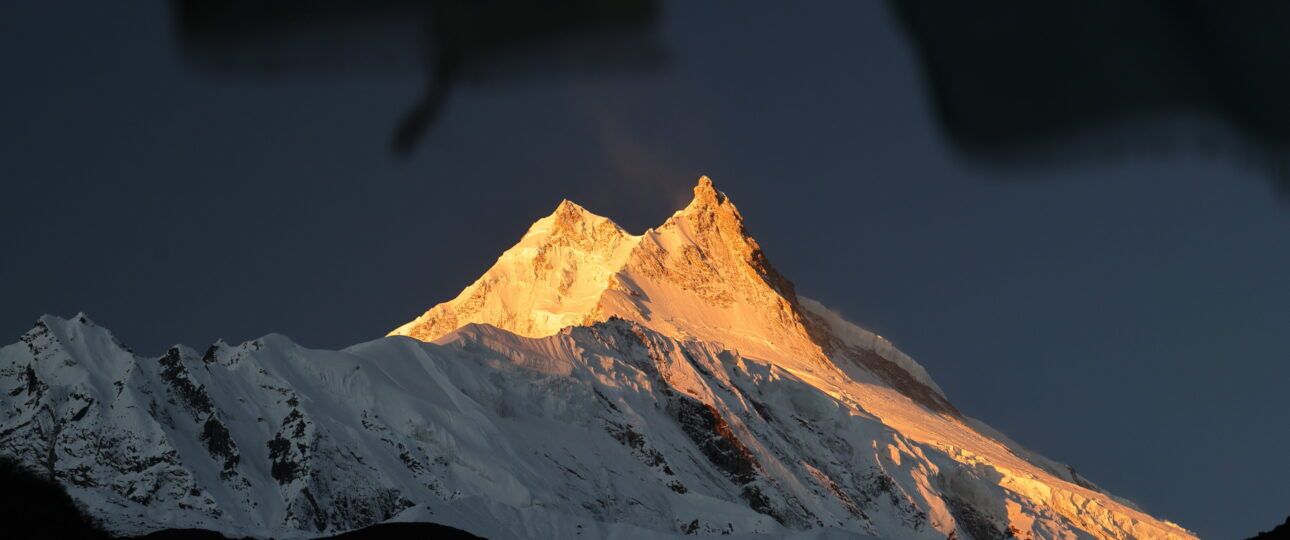
Nestled deep in the remote northern Nepalese Himalayas, the route is a quieter and more demanding alternative to the popular Everest Base Camp route or the Annapurna Circuit. The trail circles Mount Manaslu, the world’s eighth highest peak at 8,163 meters (26,781 feet). The route moves from warm river valleys into alpine terrain, with Tibetan-influenced villages, mani walls, and long high-altitude days before Larkya La. If you’re contemplating this adventure, read on to determine if this challenging high-altitude trek is the right fit for your skills and interests.
Compared to the Annapurna Circuit (which is increasingly impacted by road construction), the Manaslu Circuit is often considered more rugged, remote, and physically demanding due to fewer infrastructure comforts and steeper, narrower paths. It requires more planning and a deeper commitment to a wilderness experience, but the reward is solitude and a powerful cultural immersion rarely found on other trails.
Who Should Trek the Manaslu Circuit?
Adventure Seekers
If you’re itching to explore less crushed paths and seek a truly off the beaten path experience, the Manaslu Circuit delivers. This trek winds through remote villages and rugged terrain, giving you a chance to discover hidden gems of Nepal that few others see.
Experienced Trekkers
For those who thrive on tough challenges, the Manaslu Circuit is a seriously rewarding test. Think multiple days above 3,500 meters and crossing the 5,106m Larkya La Pass. It’s best suited for trekkers with a solid background in high-altitude hiking who know how their body reacts to the thinner air. If you’re genuinely up for pushing your limits, this trek provides a raw, genuine Himalayan adventure.

Nature Enthusiasts
Nature lovers will find a paradise on the Manaslu Circuit. The trek showcases a range of ecosystems, from lush subtropical forests to alpine meadows and high altitude deserts. You’ll encounter diverse biodiversity, each unique to the Himalayan region, making it a haven for anyone keen to immerse themselves in nature.
Cultural Explorers
A standout feature of this teahouse trek is the opportunity for deep cultural immersion. As you journey through the beautiful Manaslu Valley, you’ll pass through villages where the local Gurung and Nupri communities have preserved their Tibetan-Buddhist traditions. You’ll see ancient mani walls and prayer wheels, offering a profound chance to experience the warmth and rich Tibetan-influenced culture of these remote communities.
Photographers and Artists
The Manaslu Trek appeals most to trekkers who value remoteness over comfort. With breathtaking views of Mount Manaslu, Ganesh Himal, and snow-capped mountains that change with each turn, you’ll find endless opportunities to take stunning photographs and create memorable artwork. The dramatic interplay of light and shadow over the rugged terrain provides perfect scenes for capturing scenic views.
Couple and Group Travelers
Couples and small private groups do well on Manaslu when they plan for a slower pace, shared logistics (permits/guide), and early starts on the pass day. Couples will find it manageable with proper preparation, while groups can enjoy the friendship and shared experiences. Different pacing options make the trek workable for some couples and private groups, but it is still best suited to people comfortable with physical challenge and simple logistics.
Fitness Enthusiasts
Let’s be honest: this trek is tough. The Manaslu Circuit requires excellent physical fitness. You’ll be dealing with 6-8 hour days of trekking, significant altitude gains, and rugged, uneven terrain. To truly enjoy this trek, not just survive it, you need adequate physical conditioning and a well-planned acclimatization schedule. Start training those quads now!
Ready to take on the adventure of a lifetime? The Manaslu Circuit Trek awaits you with unparalleled beauty and cultural richness.
Who Might Want to Look Elsewhere?
Individuals with Health Concerns
If you have any pre-existing health issues, especially related to cardiovascular or respiratory conditions, it’s essential to get medical advice before embarking on a high altitude trek. The Manaslu Circuit’s high elevations and strenuous nature might not be suitable for everyone.
Novice Trekkers
Is Manaslu suitable for beginners? While possible with an aggressive training plan, we usually suggest it’s better suited to those with previous multi-day trekking experience. The length, the rapid altitude changes, and the remote, rugged conditions demand a higher level of trekking skill and physical stamina. Beginners might find less demanding alternatives like the Poon Hill Trek or a section of the Annapurna region a better fit to start their Himalayan adventures.
Those Averse to Basic Amenities
The Manaslu Circuit offers a range of accommodation options, from simple teahouses to basic homestays. If you prefer luxury or highly comfortable lodging, this trek might not meet your expectations. Embracing the more basic amenities will enhance your experience on this teahouse trek.
Think you’re up for the challenge or have more questions? We’re here to help you decide if the Manaslu Circuit is your perfect trek.
Choosing the right trek is essential for a memorable and enjoyable adventure. The Manaslu Circuit appeals most to trekkers who value remoteness, cultural exposure, and physical challenge more than comfort or convenience. If the above outlined elements excite you, it could be a standout choice for your next trekking adventure.

Typical Duration and Route Overview (Not a Full Itinerary)
If you are choosing between pace options (11 vs 14 vs 15 days), use the detailed itinerary page as the single planning reference and treat the outline below as orientation only. For the complete, detailed, and recommended Manaslu Circuit trek itinerary, see our Manaslu Circuit trek itinerary.
The outline below is intentionally brief and functional, shown only to give first-time readers a sense of progression rather than a planning template.
Day 1: Drive to Machha Khola (890m / 2,920ft) – approx. 10 hours.
Day 2: Trek to Jagat (1,350m / 4,430ft) – approx. 6 hours.
Day 3: Trek to Deng (1,860m / 6,100ft) – approx. 7.5 hours.
Day 4: Trek to Namrung (2,660m / 8,730ft) – approx. 6 hours.
Day 5: Trek to Samagaon (3,525m / 11,565ft) – approx. 7 hours.
Day 6: Acclimatization day trip.
Day 7: Trek to Samdo (3,860m / 12,665ft) – approx. 4 hours.
Day 8: Trek to Larka La Phedi (4,460m / 14,632ft) – approx. 4 hours.
Day 9: The Big Day! Trek to Bimthang (3,610m / 11,840ft) after crossing the challenging Larkya La Pass (5,106m / 16,752ft) – approx. 8-10 hours.
Day 10: Trek to Dharapani (1,920m / 6,300ft) – approx. 7 hours.
Day 11: Drive to Kathmandu via Besi Sahar, approx. 9 hours ride on local vehicle.
Deepening the Adventure: The Tsum Valley Side Trip
For those with extra time and an even greater desire for cultural interaction and remoteness, consider adding the Tsum Valley detour. This pristine, narrow valley is a sacred Buddhist sanctuary that was completely closed to trekkers until 2008. The detour typically adds 6 extra days to the core Manaslu Circuit itinerary and requires an additional special permit. It is the ultimate choice for experiencing ancient monasteries and a truly secluded Himalayan lifestyle.
Want more information? Send us your query, and our experts will get back to you within 24 hrs.
Key Altitude and Weather Data: Manaslu Circuit Trek
| Location | Meters | Feet | Approx. day temp (°C/°F) in Peak Season |
| Machha Khola | 890 | 2,920 | 20°C / 68°F |
| Jagat | 1,350 | 4,430 | 18°C / 64°F |
| Deng | 1,860 | 6,100 | 15°C / 59°F |
| Namrung | 2,660 | 8,730 | 12°C / 54°F |
| Samagaon | 3,525 | 11,565 | 10°C / 50°F |
| Samdo | 3,860 | 12,665 | 8°C / 46°F |
| Larka La Phedi | 4,460 | 14,632 | 5°C / 41°F |
| Larkya La | 5,106 | 16,752 | -5°C / 23°F |
| Bimthang | 3,610 | 11,840 | 10°C / 50°F |
| Dharapani | 1,920 | 6,300 | 15°C / 59°F |

20 Essential Tips for the Manaslu Circuit Trek: What I Wish I Knew (Personal Advice)
Starting this trek is an exciting but demanding commitment through one of Nepal’s most stunning and less visited areas. This trek provides amazing mountain views, deep cultural experiences, and a physically demanding journey with a strong sense of payoff.
Before you set out on this incredible trek, here are 20 key things I wish I had known. These points come from repeated Manaslu departures and the same mistakes we see year after year with first-time trekker, not from a generic checklist or online summary.
#1. Respect the Altitude
Climbing to high altitudes, such as the Manaslu Larke Pass at 5,106 meters (16,752 feet), is serious business. Altitude sickness can be deadly. Acclimatize properly, take it slow, and be prepared to descend if symptoms of Acute Mountain Sickness (AMS) appear.
#2. Understanding Altitude Sickness
Familiarize yourself with AMS symptoms like headaches, dizziness, and nausea. If your symptoms are pretty bad, it’s time to descend. Proper acclimatization, hydration, pacing, and medications like Diamox can help manage symptoms. Consult your doctor before taking any medication.
#3. Physical and Mental Preparation
Physical preparation with strong legs and cardiovascular fitness will make the trek more manageable. Equally important is mental resilience. Expect discomfort at high altitudes but understand these symptoms can be managed.
#4. Training Regimen
The best training for the Manaslu Circuit is hiking. Simulate the trek by hiking on hills or mountains, or use stairs if trails aren’t available. Consistent training and strength training builds necessary endurance and strength.
#5. Quality Gear is Essential
Invest in high quality trekking gear: a good down sleeping bag (rated to -10°C / 14°F), down jacket, waterproof clothing, sturdy trekking boots, rain jacket, hat, and gloves. Proper gear keeps you warm and safe in harsh weather conditions. Also, don’t forget water purification (tablets or a SteriPEN) and a headlamp with spare batteries, electricity is unreliable and expensive.
#6. Understanding the Mandatory Permits
You can’t just show up and start walking. The Manaslu region is a Restricted Area, which means you need three specific permits: the Manaslu Restricted Area Permit (MRAP), the Manaslu Conservation Area Permit (MCAP), and the Annapurna Conservation Area Permit (ACAP permit). They must be arranged in advance through a registered Nepali trekking company like ours. Crucially, you must trek with a licensed guide and in a group of at least two people (not including the guide/porter).

#7. Choosing a Tour Operator
Research and choose a reputable tour operator like Mosaic Adventure that prioritizes safety, employs experienced guides, and practices responsible tourism. The right operator can make a significant difference in your trekking experience.
#8. The Trek is Physically Demanding
This trek is not for beginners. It involves long days of walking on rugged, uneven terrain. Adequate training and preparation are crucial to enjoy and complete the trek successfully.
#9. Unpredictable Weather
The weather during the Manaslu Circuit Trek, or in the Himalayas overall, can change rapidly. Be prepared for rain, snow, and strong winds, especially at higher altitudes. The best trekking season for the Manaslu Circuit is pre-monsoon (March to May) and post-monsoon (September to November), with the autumn season offering particularly clear skies.
#10. Remote Route and Basic Facilities
The Manaslu region is less developed than Everest or Annapurna. Teahouses are simple, think shared dining rooms, limited charging sockets, and paid hot showers. Power can be patchy above Samagaon, so carry a headlamp and a power bank.
#11. Bring Enough Cash
There are no ATMs along the route. Bring enough Nepalese Rupees to cover your expenses, including food, accommodation, and tips. The trek cost can vary, so plan accordingly.
#12. Pack Light but Smart
While it’s important to pack light, ensure you have all essentials: a good sleeping bag, layered clothing, sturdy trekking boots, and a reliable backpack. Don’t forget first aid supplies, water purification tablets, and energy bars.
#13. Rich Cultural Experience
The trek passes through traditional Gurung and Tibetan villages. Respect local customs and traditions. Learning basic phrases in Nepali or Tibetan can enhance your interactions with locals. You’ll encounter prayer wheels, mani walls, and other aspects of Tibetan culture along the way.
#14. Diverse Landscapes
The Manaslu trekking route offers diverse environments from subtropical forests to alpine meadows and arid landscapes. You’ll pass through rhododendron forests and even an alpine desert. The ever-changing scenery, including snow-capped mountains and Himalayan peaks, is a highlight of the trek.
#15. Crucial Acclimatization Days
Don’t skip acclimatization days. They help your body adjust to the altitude and reduce the risk of altitude sickness. Spend these days exploring nearby areas and enjoying the local culture. Consider taking side trips to further enhance your experience.
#16. Challenging Larkya La Pass
Crossing the Manaslu Larke Pass is the trek’s most challenging part. The ascent is steep, and the altitude can make it tough. Start early to avoid strong winds and have plenty of daylight.
#17. Your Guide and Porter are Invaluable
Hiring a local guide and porter does more than just enhance your experience; it’s an ethical way to support the local economy. Your guide (who must be licensed!) is there for your safety and to offer incredible insights into the culture and history. Your porter carries the heavy load, letting you enjoy the trek. They are your key to a safe, enriching journey.
#18. Limited Connectivity
Mobile network coverage is limited and unreliable. Inform loved ones about the communication blackout. Enjoy the digital detox and immerse yourself in nature.
#19. Respect the Environment
The Manaslu region is pristine and less frequented by trekkers. Carry out all trash, avoid plastic bottles by purifying water, and stick to established trails to minimize your environmental impact.
#20. Embrace the Challenge
Manaslu Circuit Trek is more than just a trek; it’s an adventure that challenges you physically and mentally, offering a deep connection with nature and local culture. Be open to the experience and ready for the unexpected.
Taking on the Manaslu Circuit Trek is a commitment to an unforgettable adventure through one of Nepal’s most less developed and lightly trafficked areas. With the right preparation and a positive attitude, you’ll make the most of this trek and create memories that will last a lifetime.
FAQs
How difficult is Manaslu Circuit Trek?
Manaslu Circuit trek is a challenging route suited for trekkers with a good level of fitness. It features high altitudes, long trekking days, and rugged terrain. Altitude is a major challenge, particularly while crossing Larke La Pass (5,106 meters), where the thinner air can lead to altitude sickness. The trek also involves 5-7 hour days, covering 12-20 kilometers with steep, uneven terrain, making it physically demanding. While not easy, the trek is incredibly rewarding for those well prepared and in good shape, offering stunning views and a sense of accomplishment.
Do I need a guide for the Manaslu Circuit Trek?
Yes, a guide is mandatory for this trek due to its remote and restricted area status. Hiring a guide for your Manaslu Circuit trek not only ensures safety but also enriches the cultural experience.
What permits are required for the Manaslu Circuit Trek?
You need the Manaslu Restricted Area Permit, the Manaslu Conservation Area Permit, and the Annapurna Conservation Area Permit (ACAP permit). These can be arranged through a trekking agency like Mosaic Adventure.
What is the best time to trek the Manaslu Circuit?
The best trekking seasons are pre-monsoon (March to May) and post-monsoon (September to November) when the weather is stable, and the skies are clear.
What type of accommodation can I expect?
Accommodations range from basic teahouses to camping. Facilities are minimal, and trekkers should be prepared for basic living conditions. Expect communal dining areas where you can enjoy local cuisine like dal bhat.
How long does the Manaslu Circuit Trek usually take?
The trek usually takes between 11 and 17 days, depending on pace and side trips. An 11-day version works well for trekkers with strong fitness who already know how their body handles altitude. This condensed itinerary is optimized by carefully planning the daily altitude gain and includes the mandatory acclimatization day in Samagaon (3,525m), ensuring you adhere to high-altitude safety best practices before crossing the Larkya La Pass. Adding the Tsum Valley detour or extra buffer days will naturally extend the trip beyond 11 days.
How much does the Manaslu Circuit Trek cost?
The cost varies significantly based on group size, duration, and agency. Generally, expect a total cost (including permits, guide, porter, transportation, and all meals/lodging on the trek) to range from $1,090 to $1,350 USD per person for a standard 11-day itinerary. The biggest factors are the mandatory permits (which cost a few hundred USD alone) and whether you choose a local vs. international agency.
Is it safe to trek solo?
While solo trekking might be possible, it is not legally allowed by the Nepalese government as of now. It is safer and mandatory to have a guide due to the restricted nature of the area.
Conclusion
The Manaslu Circuit is remote, quieter than Everest/Annapurna, and demands steady hiking days and good altitude habits, especially around Samagaon, Samdo, and the Larkya La crossing. If you’re excited by the idea of exploring less traveled paths, tackling a challenging trek, and soaking up local culture, this could be the perfect trek for you.
You’ll be treated to incredible mountain views, get to experience traditional local life, and face a rewarding challenge. But if you’re new to trekking, have health concerns, or prefer more comfortable lodging, you might want to think about other options.
With the right preparation, especially focusing on cardio fitness and high-quality trekking gear, the Manaslu Circuit Trek will be a demanding but deeply memorable experience. Most importantly, always prioritize safety: ensure you have travel insurance that explicitly covers trekking up to 5,200 meters and includes emergency helicopter rescue. This step isn’t just a recommendation; it’s a vital safety net for any serious Himalayan trekker.
Whether you’re drawn to the snow-capped mountains, the rich Tibetan culture, or the thrill of conquering the Manaslu Larke Pass, this trek offers a demanding but deeply rewarding journey through one of Nepal’s least developed trekking regions.
Want more information? Send us your query, and our experts will get back to you within 24 hrs.

Madhav Prasad is a seasoned trekking and tourism expert with over two decades of experience in the field. Starting his career in 2001 as a porter, Madhav quickly advanced to the role of trekking guide, gaining invaluable hands-on experience in Nepal’s diverse trekking routes. In 2009, after eight years of dedication to the industry, he co-founded Mosaic Adventure, a leading trekking and tour company known for its commitment to safety, sustainability and personalized service.
Madhav has personally trekked to nearly every major trekking destination in Nepal, including Everest Base Camp, Annapurna Base Camp, the Annapurna Circuit, Poon Hill, Jomsom Muktinath, the Indigenous Peoples Trail, Langtang Valley and Mardi Himal, among others. His experience extends beyond Nepal, as he has also successfully summited Mount Kilimanjaro, Africa’s highest peak.
In addition to his extensive trekking credentials, Madhav is well traveled globally, having explored countries such as Australia, the USA, the UK, France, Japan, China, and many others. His global exposure enhances his ability to understand and cater to the diverse needs of international trekkers.
Madhav is the primary point of contact for many clients at Mosaic Adventure, personally addressing inquiries and helping plan treks with a meticulous and personalized approach. His deep knowledge of Nepal’s trekking routes, combined with his global travel experience, ensures that every trek is well planned, safe and unforgettable.
