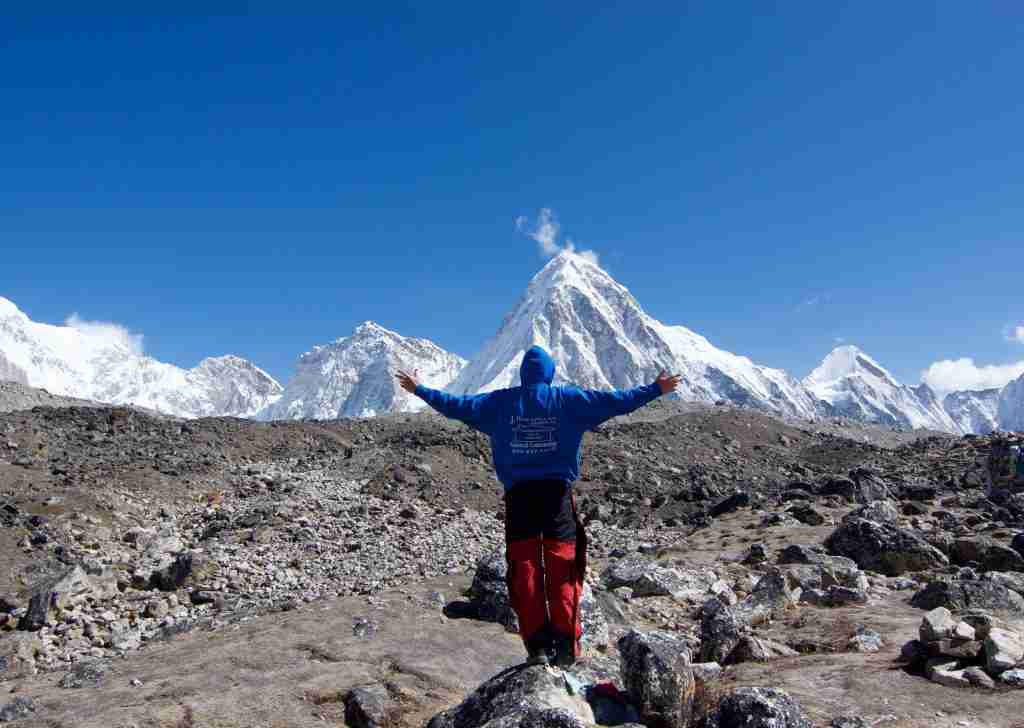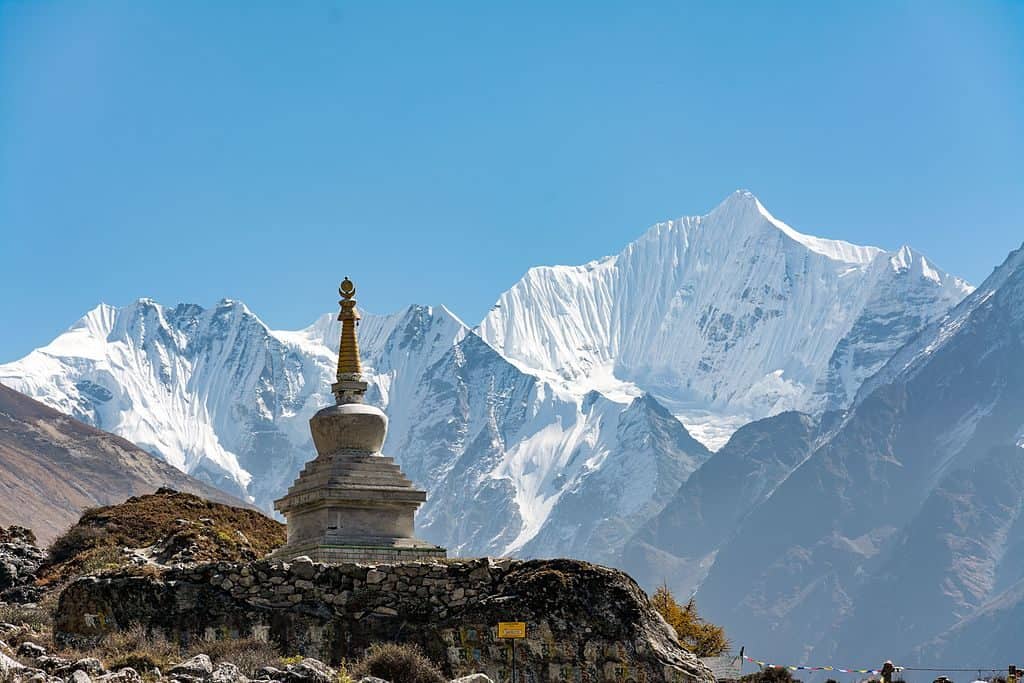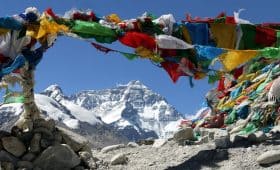
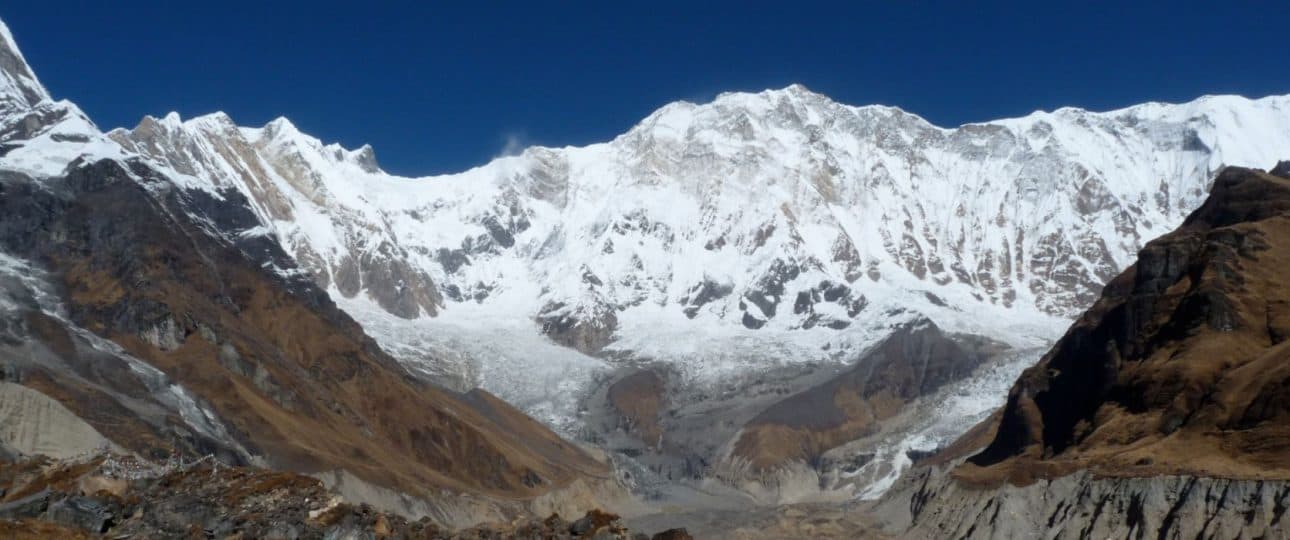
Dreaming of a Himalayan adventure? Trekking in Nepal in October is the perfect choice. With the crisp air of the autumn season, colorful festivals, and jaw-dropping mountain views, October stands out as the best month for trekking in Nepal. This stunning Himalayan nation offers unparalleled natural beauty, budget-friendly travel, and trails for every level of adventurer.
This guide is based on years of on-the-ground experience leading treks across Nepal in October.
October Trekking in Nepal: Quick Overview
- Best for: Clear mountain views, stable weather, festivals, first-time and experienced trekkers
- Weather: Dry, sunny days, cool nights at altitude
- Top treks: Everest Base Camp, Annapurna Base Camp, Manaslu Circuit, Poon Hill
- Crowds: Busy on classic routes, quiet alternatives available
- Expert tip: Book flights, guides, and teahouses early
October is peak trekking season in Nepal, so popular trails and teahouses can feel busy, especially on classic routes.
Curious about the top trails? Keep reading!
Table of Contents
- Nepal Weather in October
- Top 5 Trekking Trails in October
- Crowds in October and How to Avoid Them
- Solo or Group treks in October?
- Short/ Long Duration Treks
- Accommodation
- Cost of Trekking in Nepal in October
- Trekking Permits
- Trekking Clothing : Pack Smart
- Supplies and Equipment
- Insurance
- Altitude Sickness
- Itineraries
- FAQ: Trekking in Nepal in October
- Is October a good time to trek in Nepal?
- Does it rain in Nepal in October?
- How cold is it at night in October on treks like EBC or Manaslu?
- Do I need to book teahouses in October?
- Can I trek solo in October?
- Which trek is best in October for first-time trekkers?
- What should I pack for trekking in Nepal in October?
- Final Thoughts: Why October Rocks
Nepal Weather in October
If you are planning for any sort of trekking whether long or short, then October might be the best season. Starting from the shortest trek of Ghorepani Poon Hill Trek to month-long adventures such as the Everest Base Camp trek, October offers clear mountain views and ideal trekking conditions.
Here are some average temperature-related data for October in Nepal:
| Condition | October Average |
|---|---|
| Day temperature (lower regions) | 18 to 25°C |
| Night temperature (above 3,500m) | -5 to 5°C |
| Rainfall | Low (post-monsoon) |
| Visibility | Excellent mountain views |
| Sunshine | 8 to 10 hours/day |
Weather in October varies by altitude. Lower regions like Pokhara and Kathmandu stay comfortably warm, while high passes and base camps can drop below freezing at night. This contrast is what makes October ideal for trekking with proper layering.
October Weather by Region
| Region | What to expect in October |
|---|---|
| Kathmandu & Pokhara | Warm days, mild evenings, great for sightseeing and short walks |
| Mid-hills trekking routes | Comfortable daytime temperatures, cool evenings |
| Above 3,500m | Clear days, cold nights, frost possible in the mornings |
These conditions often mean clear mountain views, although temperatures can vary by altitude. Here are five of the best trekking routes in Nepal for October.
Pro Tip: Check forecasts closer to your trip for altitude-specific updates!
October often overlaps with Nepal’s biggest festivals. You can learn more about Dashain and Tihar festivals before you plan your dates. During major festival holidays, transport can be busier than usual, especially on popular roads and domestic flights. It is wise to keep a buffer day in your plan if your trek involves Lukla flights or long road transfers.
Top 5 Trekking Trails in October

Most trekking routes are open in October, and conditions are usually excellent. Nepal spoils you for choice, from short and easy treks to long and challenging routes.
The top five recommended trekking trails in Nepal in October are:
- Everest Base Camp trek
- Duration: 11-14 days
- Highlight: Sunrise at Kala Patthar (5,545m) with Everest in sight, trekking through Sagarmatha National Park
- Annapurna Base Camp Trek
- Duration: 5-9 days
- Highlight: 360° views of Annapurna’s snow-capped peaks in the Annapurna Conservation Area
- Ghorepani Poonhill trek
- Duration: 4-5 days
- Highlight: Sunrise views from Poon Hill with Annapurna and Dhaulagiri ranges
- Manaslu Circuit trek
- Duration: 11-12 days
- Highlight: Remote paths and crossing the Larkya La Pass (5,160m)
- Makalu Base camp Trek
- Duration: 18-20 days
- Highlight: Off the beaten path adventure to the base of the world’s third-highest peak
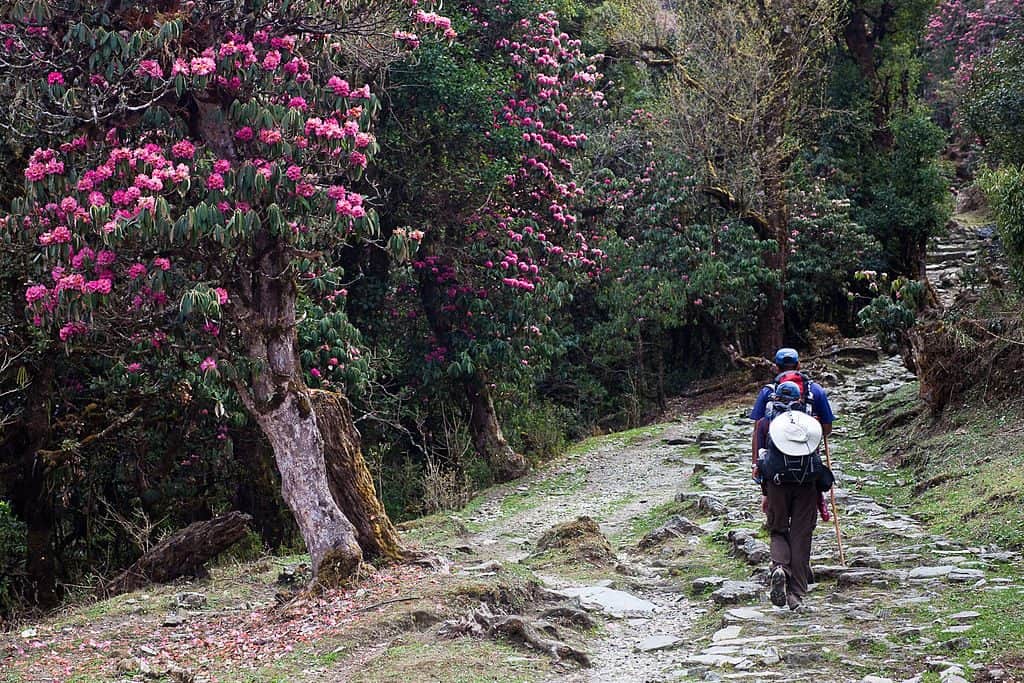
For those seeking shorter adventures, the Mardi Himal Trek (4-6 days) and Poon Hill trek (4-5 days) offer stunning rhododendron forests and amazing views from Poonhill.
Best Trek Choices Based on Your Travel Style
- First-time trekkers: Poon Hill, Everest View Trek
- Classic Himalayan experience: Everest Base Camp, Annapurna Base Camp
- Quieter and remote: Manaslu Circuit, Makalu Base Camp
- Short on time: Mardi Himal, Langtang Valley (short itineraries)
Which trek tops your list? Tell us in the comments!
Crowds in October and How to Avoid Them
October is the busiest trekking month in Nepal, especially on classic routes like Everest Base Camp and Annapurna Base Camp. Teahouses fill quickly, and flights to Lukla sell out fast. Many trekkers who travel in October mention clear skies, cold nights at altitude, and busy teahouses on popular routes, which matches what we see every season on the trail.
If you are trekking to Everest, it also helps to understand how Lukla flights work (and why delays happen). You can also consider alternative approaches to Everest Base Camp that avoid flying to Lukla.
If you prefer quieter trails, consider routes like Manaslu Circuit, Langtang Valley, or trekking slightly off the main villages. Starting early each day and trekking with a local guide also helps secure better accommodation.
Solo or Group treks in October?
You can go either on solo trek or with groups in October. Because October is the peak trekking season in Nepal, most of the trekking trails get packed with trekkers and explorers from all over the world.
Thus, you will always have someone to talk to in the hotels, teahouses, and the trails.
You also have all the different trails at your service. While trekking, it is always recommended to travel with at least a porter or a guide. If you are planning independently, read our practical guide on solo trekking in Nepal (permits, safety, and trail advice).
Solo treks in many of the trekking trails in Nepal are possible. But, be sure to inquire, because there are still a lot of trekking trails that do not allow solo trekkers.
It is important that you let someone you trust know about your daily whereabouts. Group treks in October or any other season is possible, cheaper and safer.
- Solo pros: Flexibility, personal pace.
- Solo cons: Limited support if issues arise.
- Group pros: Cost sharing, guided safety.
- Group cons: Less independence.
Regulations regarding solo trekking change over time and may differ by region. Some areas now require trekkers to hire a licensed guide. Always confirm current rules before planning a solo trek, especially in remote or restricted regions.
Short/ Long Duration Treks

In October in Nepal, all the trekking trails present in the country are open. So, this gives you the opportunity to choose any trails according to your convenience.
The short treks last from 3 to 10 days while the long ones cover anywhere from 10 days to a month of trekking.
Some possible short treks in October are
- 7 days Langtang Valley Trek
- 4 days Ghorepani Poonhill Trek
- 10 days Everest Panorama
- 9 days Helambu trek
- Chisapani Nagarkot Trek and many more.
Some longer treks that you can take are
These short and long duration treks are suitable for all levels of trekkers from a beginner to an experienced trekker. All you need is a curious mind and energetic body to walk on the rugged terrains.
Yet, there are some more suitable and recommended ones for experienced trekkers alone, such as the challenging Thorong La Pass (5,416m) on the Annapurna Circuit or the Renjo La Pass (5,360m) in the Everest region.
Accommodation
Accommodation along the trekking routes will be open in October. We recommend you to pre-book the preferred rooms because this period is the busiest.
A good guide will usually call ahead earlier in the day so that you can stay around the famous trekking trail. Otherwise, you’ll either need to downgrade your accommodation standards or move on to the next village, a little further up the trail.
Like accommodation, all restaurants will be open in October with full menus available.
Cost of Trekking in Nepal in October
October is peak trekking season, so prices can be slightly higher than quieter months due to demand for flights, guides, and popular teahouse rooms. Your total cost depends on your route, trek length, comfort level, and whether you hire a guide or porter.
Typical daily costs on teahouse treks
- Meals: Higher altitude villages cost more than lower ones, because supplies are carried in by porters or mules.
- Accommodation: Rooms are usually simple and affordable, but booking early matters most in October.
- Hot shower, charging, and Wi-Fi: Often available, usually with a small extra fee at higher elevations.
Guide, porter, and transport (what most trekkers budget for)
- Guide: Great for safety, local knowledge, smoother permits, and securing rooms during peak season.
- Porter: Helps you trek comfortably, especially if you are doing longer routes or higher altitude treks.
- Flights and local transport: Lukla flights and popular bus routes fill quickly in October, so book early.
Friendly tip: If you tell us your dates, group size, and the trek you like, we can suggest a realistic budget range and the best plan for October.
Trekking Permits
Trekkers from all over the world need to get certain permits to trek in Nepal. The first one is the TIMS (Trekkers Information Management System). You will need this for almost all treks.
The other one belongs to the conservation area or national park that you may cross while trekking. For example, you’ll need a permit for the Annapurna Conservation Area or Sagarmatha National Park.
You can obtain these permits either from Kathmandu or Pokhara. You also can get them at the beginning of the trails. But, they will be more expensive.
Some trekking trails need special permits or restricted area permits. Especially if you do the trek on a restricted area.
There are many checkpoints on the trekking trails where you will need to disclose these permits. You may have to pay fines if found without the right permits.
-
- TIMS Card: $20 – required for most trails.
- National Park/Conservation Permits: Vary by region (e.g., $30 for Annapurna and Everest).
- Restricted Area Permits: Extra fees for places like Manaslu or Nar Phu.
Trekking Clothing : Pack Smart

The weather is warm and sunny during the day so you can bring trekking shorts, T-Shirts or trekking shirts.
If you’re trekking at altitude then you’ll want a warm fleece in the evenings and long trousers. This is especially important for high-altitude passes like Thorong La or Larke La.
Bringing a light sleeping bag is a good idea in case the tea house runs out of blankets. It’s rare on the popular treks but in less popular treks this can happen.
Bonus: A sleeping bag liner adds hygiene and warmth. Got a go to outfit? Share it!
October Packing Essentials
- Light down jacket or fleece
- Waterproof shell
- Warm hat and gloves for evenings
- Comfortable trekking shoes
- Sleeping bag rated to at least -10°C
For a complete checklist, see our recommended packing list for trekking in Nepal.
Supplies and Equipment
Trekking equipment necessary for trekking in Nepal is available at affordable prices in Kathmandu and Pokhara. You can get these supplies and equipment for both rent and purchase.
Some of the more popular trekking trails have shops that sell the basic supplies along the trails as well.
However, these basic supplies can be more expensive due to difficulty in transportation while carrying to those regions.
Insurance
Trekking in Nepal during October means you’ll need travel insurance that covers high altitude trekking and helicopter evacuation. October is a busy trekking month, and many trekkers choose higher routes or longer itineraries, sometimes adding peaks like Lobuche East (6,119m).
While trekking you are prone to unfortunate misfortunes even in the safest trials. As such, it becomes very important to get insurance. You should get insurance from your home country.
Also, some trekking companies do not accept you if you don’t have the right insurance required for the trek. If you already have insurance, make sure it covers all trekking activities and conditions that you plan to undertake, including high-altitude treks and passes.
Altitude Sickness

Altitude sickness is always a threat while trekking. It is important to be familiar with the symptoms. If you notice any of the symptoms, stop everything you are doing and rest. If the symptoms get worse, it is best advised to descend.
If you want a deeper safety guide, read our full article on acute mountain sickness and safe high altitude trekking.
Consulting your physician before embarking on a high altitude trek and taking the necessary medicines as precautions is a must.
Some trekking agencies have doctors who go along the treks with you. If so, consult with them immediately if any symptoms occur. Do not ever ignore any of the symptoms of High altitude sickness during the trek.
Altitude sickness strikes unpredictably. From our experience leading treks every season, mild altitude symptoms like headaches or nausea are common but manageable when proper acclimatization is followed.
If you start feeling symptoms, take a break right away. If they get worse, descend as soon as possible. It’s always a good idea to consult a doctor before your trek and consider meds like Diamox. All our treks include experienced guides who know how to handle altitude issues, so do not hesitate to ask yours for advice. Stay safe out there!
Itineraries
Trekking itineraries for any trials are available on our websites. These itineraries give you day-to-day details starting from the day of arrival till the day of departure. Whether you’re planning the challenging Annapurna Circuit Trek or a shorter Everest View Trek, we’ve got you covered.
Need a custom itinerary? Contact us today!
FAQ: Trekking in Nepal in October
These are some of the most common questions trekkers ask when planning a trek in Nepal in October. The answers below will help you decide if October is right for you and how to prepare.
Is October a good time to trek in Nepal?
Yes. October is one of the best months because the monsoon has ended, skies are usually clear, and mountain views are at their best. It is also peak season, so popular routes feel busy.
Does it rain in Nepal in October?
Rainfall is usually low compared to monsoon months, but light rain can still happen, especially early in the month or in lower regions. Pack a light waterproof jacket to stay comfortable.
How cold is it at night in October on treks like EBC or Manaslu?
Lower areas stay mild, but nights can be cold above 3,500m. On routes like Everest Base Camp or high passes in Manaslu, temperatures can drop below freezing at night, so warm layers matter.
Do I need to book teahouses in October?
On popular treks, yes, it helps a lot. Teahouses can fill quickly in October, especially in busy villages. A guide can usually book rooms ahead the same day, which makes trekking easier.
Can I trek solo in October?
Some routes are possible solo, but rules can change and some regions require a licensed guide. Always confirm the latest requirements for your chosen trail before you arrive.
Which trek is best in October for first-time trekkers?
If you want a shorter trek with big views, Poon Hill and Mardi Himal are great options. If you want a classic bucket-list trek and have more time, Everest Base Camp and Annapurna Base Camp are excellent in October.
What should I pack for trekking in Nepal in October?
Bring light layers for warm days and a warm jacket for cold evenings. A waterproof shell, good trekking shoes, and a sleeping bag rated for cold nights will keep you comfortable on most routes.
Final Thoughts: Why October Rocks
October offers some of the most reliable trekking conditions in Nepal. Stable weather, comfortable daytime temperatures, and clear mountain views make it a favorite month for both first-time and experienced trekkers.
Most trekking routes are fully accessible, giving you the freedom to choose anything from classic journeys like the Everest Base Camp trek to quieter, less-traveled routes such as Kanchenjunga Base Camp. With post-monsoon clarity and lively trail atmosphere, October strikes a rare balance between scenery, culture, and trail conditions.
Because it is a popular time to trek, you will meet fellow hikers from around the world and enjoy a social, energetic trail experience. At the same time, good planning matters, as flights, teahouses, and guides can book out quickly on well-known routes.
If you are unsure which trek fits your time, fitness level, or budget, a short conversation with a local trekking expert can save you days of planning and help you avoid common mistakes.
October rewards good preparation. If you want help choosing the right trek or securing logistics during this busy season, we are happy to help.
Contact us and start planning with confidence.
Want more information? Send us your query, and our experts will get back to you within 24 hrs.
Madhav Prasad is a seasoned trekking and tourism expert with over two decades of experience in the field. Starting his career in 2001 as a porter, Madhav quickly advanced to the role of trekking guide, gaining invaluable hands-on experience in Nepal’s diverse trekking routes. In 2009, after eight years of dedication to the industry, he co-founded Mosaic Adventure, a leading trekking and tour company known for its commitment to safety, sustainability and personalized service.
Madhav has personally trekked to nearly every major trekking destination in Nepal, including Everest Base Camp, Annapurna Base Camp, the Annapurna Circuit, Poon Hill, Jomsom Muktinath, the Indigenous Peoples Trail, Langtang Valley and Mardi Himal, among others. His experience extends beyond Nepal, as he has also successfully summited Mount Kilimanjaro, Africa’s highest peak.
In addition to his extensive trekking credentials, Madhav is well traveled globally, having explored countries such as Australia, the USA, the UK, France, Japan, China, and many others. His global exposure enhances his ability to understand and cater to the diverse needs of international trekkers.
Madhav is the primary point of contact for many clients at Mosaic Adventure, personally addressing inquiries and helping plan treks with a meticulous and personalized approach. His deep knowledge of Nepal’s trekking routes, combined with his global travel experience, ensures that every trek is well planned, safe and unforgettable.