
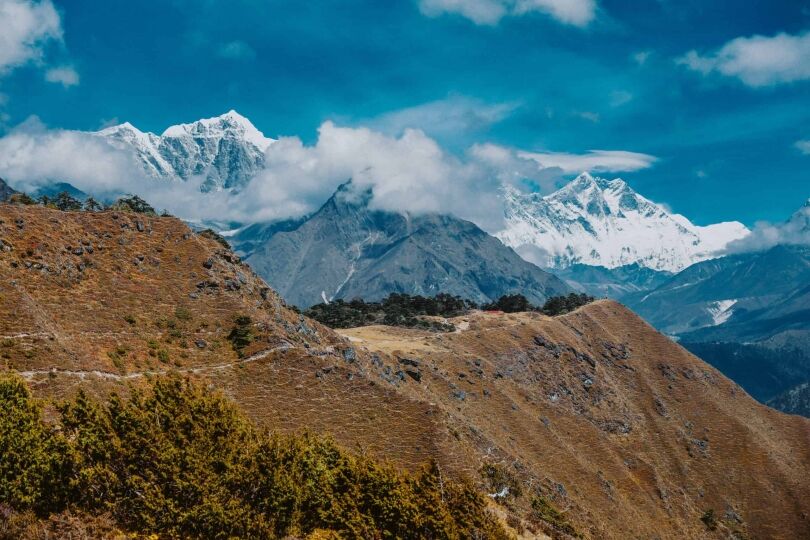
- Early September: Possible leftover monsoon clouds, greener landscapes, and fewer trekkers.
- Late September: Clearer skies, more stable weather, and improving Lukla flight conditions.

Is September Good for Everest Base Camp Trek?
Yes. September is a very good time for the Everest Base Camp Trek, especially from mid to late September. Early September (1 to 10): Trails are greener and quieter but weather can still be slightly unstable due to the ending monsoon. Mid to Late September (15 onward): Clearer skies, better mountain visibility, and more stable Lukla flights. Compared to October, September has fewer trekkers, more accommodation choices, and a calmer atmosphere. However, flexibility is important because flight delays are still possible.Early September vs Late September for Everest Base Camp Trek
September is a transition month in the Everest region. While the entire month is suitable for trekking, early and late September can feel quite different on the trail.| Factor | Early September (1 to 10) | Late September (20 to 30) |
|---|---|---|
| Rain | Possible light rain at lower elevations | Mostly dry conditions |
| Cloud Cover | Clouds more common in afternoons | Clearer mornings and mountain views |
| Trail Condition | Lush greenery and waterfalls | Drier and well-defined trails |
| Crowds | Very few trekkers | Moderate, increasing towards October |
| Lukla Flights | Higher chance of weather-related delays | More stable flight conditions |
Tip: On mobile, swipe left/right to view the full table.
Weather during the Everest Base Camp Trek in September
September marks the transition from monsoon to autumn in Nepal. Weather conditions improve gradually as the month progresses. For a broader seasonal overview, see our Everest Base Camp weather guide. Early September: Some lingering clouds and occasional light rain at lower elevations, especially below Tengboche. Late September: Clearer skies, better mountain visibility, and more stable trekking conditions. At lower elevations such as Lukla and Phakding, daytime temperatures typically range between 18°C and 24°C. As you gain altitude, temperatures decrease steadily. Above 4,500 meters, daytime temperatures usually range from 0°C to 10°C in sunny conditions. Night temperatures at higher elevations such as Lobuche and Gorak Shep can drop to minus 10°C or lower. Temperature variation depends mainly on altitude and cloud cover. The temperature may vary in the following ways:| Place | Elevation | Average Temp | Min Temp | Max Temp |
|---|---|---|---|---|
| Lukla | 2,829 m / 9,281 ft | 13.5°C | 9.5°C | 17.5°C |
| Namche Bazaar | 3,463 m / 11,361 ft | 10.2°C | 5.8°C | 14.5°C |
| Dingboche | 4,483 m / 14,708 ft | 5.9°C | 0.3°C | 11.5°C |
| Lobuche | 4,910 m / 16,100 ft | 3.9°C | -5.7°C | 9.6°C |
| Gorak Shep | 5,180 m / 17,000 ft | 3.0°C | -10.6°C | 8.7°C |
Want more information? Send us your query, and our experts will get back to you within 24 hrs.
Perks of Everest Base Camp Trek in September
 September offers a balance between post-monsoon freshness and the start of the main autumn trekking season. Conditions improve gradually through the month, making it a practical choice for many trekkers.
Quieter Trails and Flexible Accommodation
Early September sees fewer trekkers compared to October. Teahouses are less crowded, and room availability is generally better. This allows for more flexible daily pacing and easier logistics.
Improving Mountain Visibility
As the monsoon withdraws, skies gradually clear. Early September may still have afternoon clouds, while late September often provides clearer morning views of Everest and surrounding peaks. The landscape is greener compared to October, especially below Namche and Tengboche.Namche Bazaar in September
Namche Bazaar is calmer in early September. With fewer visitors, it is easier to explore the town, visit bakeries, and enjoy acclimatization hikes without peak-season crowding.
Lukla Flight Realities
Flight delays are still possible in September, particularly in the first half of the month. However, lower overall traffic sometimes makes rebooking easier compared to peak October. Clearer weather typically improves flight stability toward late September.Festivals in Kathmandu
September marks the beginning of Nepal’s major festival season. If your schedule allows, you may experience events such as Indra Jatra or early Dashain celebrations before or after your trek.Cultural Interaction
With fewer trekkers on the trail, interactions with local Sherpa communities can feel less rushed. You may have more time for conversation in teahouses and monasteries along the route. To learn more about Sherpa history and traditions, see our guide to Sherpa people.What Trekkers Say About Everest Base Camp in September
Recent trekking seasons show consistent patterns:- Late September offers clearer mountain views.
- Early September provides greener scenery and quieter lodges.
- Flight delays can occur, especially in the first half of the month.
- September feels less crowded than October.
Who Should Choose Everest Base Camp Trek in September?
September is suitable for trekkers who:- Prefer fewer crowds compared to October
- Can include buffer days for flight flexibility
- Enjoy greener post-monsoon landscapes
- Want easier room availability in teahouses
- Have tight international flight connections
- Cannot allow extra days in Kathmandu
- Prefer completely dry trail conditions from the first day
Typical Everest Base Camp Itinerary in September
The trekking route and duration remain the same as in other seasons. In September, flexibility matters more due to possible flight delays and occasional weather changes. Below is the standard 14-day outline with September considerations. Day 1: Arrive in Kathmandu (1,345m). Transfer to your hotel and attend a pre-trek briefing in the evening. Day 2: Fly to Lukla (2,840m) and trek to Phakding (2,610m). The walk is easy and helps you settle into the trail. Day 3: Trek to Namche Bazaar (3,440m). This is a steady uphill day and your first real altitude gain. Day 4: Acclimatization day in Namche. A short hike to a higher viewpoint and return helps your body adjust. Day 5: Trek to Tengboche (3,860m), known for its monastery and mountain views. Day 6: Trek to Dingboche (4,360m). The landscape becomes more open and alpine. Day 7: Second acclimatization day around Dingboche. Day 8: Trek to Lobuche (4,940m). The air feels thinner from this point onward. Day 9: Reach Everest Base Camp (5,300m) and return to Gorak Shep (5,170m) for the night. Day 10: Early hike to Kala Patthar (5,545m) for sunrise, then descend to Pheriche. Day 11: Trek back to Namche Bazaar. Day 12: Return to Lukla. Day 13: Fly back to Kathmandu. Day 14: Departure or extra day in case of flight changes. Note: September trekkers should allow at least one or two buffer days in Kathmandu due to possible Lukla flight delays. For detailed trip information and fixed departure dates, see our Everest Base Camp Trek page.
EBC Trek September Departure Dates
| Start date | End date | Price | |
|---|---|---|---|
| Wed, Sep 1, 2027 | Tue, Sep 14, 2027 | USD 1,445 | Book now |
| Mon, Sep 6, 2027 | Sun, Sep 19, 2027 | USD 1,445 | Book now |
| Wed, Sep 8, 2027 | Tue, Sep 21, 2027 | USD 1,445 | Book now |
| Mon, Sep 13, 2027 | Sun, Sep 26, 2027 | USD 1,445 | Book now |
| Wed, Sep 15, 2027 | Tue, Sep 28, 2027 | USD 1,445 | Book now |
| Mon, Sep 20, 2027 | Sun, Oct 3, 2027 | USD 1,445 | Book now |
| Wed, Sep 22, 2027 | Tue, Oct 5, 2027 | USD 1,445 | Book now |
| Mon, Sep 27, 2027 | Sun, Oct 10, 2027 | USD 1,445 | Book now |
| Wed, Sep 29, 2027 | Tue, Oct 12, 2027 | USD 1,445 | Book now |
Alternative Routes for EBC Trek in September
If you want to extend your September trek or avoid the standard route, there are a few variations. Late September usually offers more stable conditions for these extended routes.Everest Base Camp Cho La Pass and Gokyo Trek
This route combines Everest Base Camp with Gokyo Lakes and the Cho La Pass. It is longer and more physically demanding than the standard EBC trail. Details are available on our Gokyo Lakes via Cho La Pass page. Everest Three Pass Trek
The Everest Three Pass Trek includes Kongma La, Cho La, and Renjo La. It is suitable for experienced trekkers with strong fitness. Jiri to Everest Base Camp
The Jiri to EBC route starts from lower elevation and gradually joins the Lukla trail. It allows slower altitude gain but adds several extra days. Does Everest Base Camp Trek Cost Less in September?
Early September can be slightly more affordable than peak October due to lower demand. Some lodges and service providers are more flexible with pricing in the first half of the month. By late September, rates generally align with the main autumn season. The bigger financial consideration in September is not the trek cost itself, but possible extra hotel nights in Kathmandu if Lukla flights are delayed. Adding one or two buffer days is a practical way to manage this risk.Tips for Everest Base Camp Trek in September

Packing for Variable Weather
September is a transition month. Early in the month, you may still encounter light rain at lower elevations. By late September, conditions are usually drier. Pack a reliable rain jacket, backpack cover, and quick-dry layers. Waterproof trekking boots are strongly recommended. Layering is important. Days can feel warm while walking, but mornings and evenings at higher altitudes are cold. For a detailed checklist, see our Everest Base Camp packing list.Booking Strategy
Early September is quieter, and advance booking is usually not essential. From mid-September onward, traffic increases. Teahouses along the main trail begin filling up, especially in Namche, Tengboche, Dingboche, and Lobuche. If you are trekking independently, it is wise to plan accommodation ahead during the second half of the month.Flight Flexibility Is Essential
September sits between monsoon and autumn. Weather systems can still affect Lukla flights, particularly in the first 10 days of the month. Plan at least one or two extra days in Kathmandu before your international departure. This reduces stress in case of delays.
Lukla Flight Operations in September: Four-Year Operational Record
The following data is based on daily flight operation records collected by our staff in coordination with Lukla tower. It reflects actual operational conditions during September over the past four years. Lukla Flight Status for September:| Year | Full-Day Cancellations | Days with Partial Service | Good Flight Days (Full Day) | Total Disrupted Days |
|---|---|---|---|---|
| 2022 | 10 | 10 | 10 | 20 |
| 2023 | 3 | 9 | 18 | 12 |
| 2024 | 6 | 10 | 14 | 16 |
| 2025 | 9 | 5 | 16 | 14 |
Tip: On mobile, swipe left or right to view the full table.
Operational Pattern In all four years, the majority of full-day cancellations occurred during the first half of September. Disruptions are common in early September. Partial service days are frequent, meaning flights operate for a short window in the morning before weather conditions change. From mid to late September, flight stability improves noticeably. Practical Advice:- Add at least 1 to 2 buffer days to your itinerary.
- Schedule international departures with flexibility.
- Be prepared for possible Ramechhap departures in peak traffic periods.
Insect Repellent
In early September, lower elevations may still have insects due to post-monsoon moisture. A small bottle of insect repellent is useful, especially around Phakding and Monjo.Physical and Mental Preparation
- Train your legs and build endurance through hiking or stair climbing.
- Practice walking with a loaded backpack.
- Stay consistent with cardio training before the trek.
- Approach the trek with patience. Slow pacing is key at altitude.
Altitude Awareness
- Ascend gradually and respect acclimatization days.
- Stay hydrated and avoid alcohol during ascent.
- Report symptoms early to your guide.
- Descend immediately if symptoms worsen.
Safety Considerations
- Choose an experienced local guide.
- Monitor weather conditions daily.
- Carry basic medication and personal first aid supplies.
- Keep emergency contact numbers accessible.
Final Verdict: Trek to Everest Base Camp in September
The Everest Base Camp Trek in September is a strong choice for trekkers who value fewer crowds and greener landscapes. Early September requires flexibility due to lingering monsoon effects. Late September offers more stable weather and clearer mountain views. If you can add buffer days and keep your schedule adjustable, September can be one of the most balanced months for the Everest Base Camp Trek.Got questions or ready to start planning? Contact our team today!
Want more information? Send us your query, and our experts will get back to you within 24 hrs.

Madhav Prasad is a seasoned trekking and tourism expert with over two decades of experience in the field. Starting his career in 2001 as a porter, Madhav quickly advanced to the role of trekking guide, gaining invaluable hands-on experience in Nepal’s diverse trekking routes. In 2009, after eight years of dedication to the industry, he co-founded Mosaic Adventure, a leading trekking and tour company known for its commitment to safety, sustainability and personalized service.
Madhav has personally trekked to nearly every major trekking destination in Nepal, including Everest Base Camp, Annapurna Base Camp, the Annapurna Circuit, Poon Hill, Jomsom Muktinath, the Indigenous Peoples Trail, Langtang Valley and Mardi Himal, among others. His experience extends beyond Nepal, as he has also successfully summited Mount Kilimanjaro, Africa’s highest peak.
In addition to his extensive trekking credentials, Madhav is well traveled globally, having explored countries such as Australia, the USA, the UK, France, Japan, China, and many others. His global exposure enhances his ability to understand and cater to the diverse needs of international trekkers.
Madhav is the primary point of contact for many clients at Mosaic Adventure, personally addressing inquiries and helping plan treks with a meticulous and personalized approach. His deep knowledge of Nepal’s trekking routes, combined with his global travel experience, ensures that every trek is well planned, safe and unforgettable.
