
Many trekkers plan their Gosaikunda trip with only a rough budget in mind. Once in Nepal, they often discover that permits, transport, food, and safety costs add up faster than expected.
This guide gives you a clear and realistic picture of what the Gosaikunda Trek really costs in 2025. It explains permits, daily expenses, guide and porter fees, Kathmandu costs, and safety requirements so you can plan with confidence and avoid surprises.
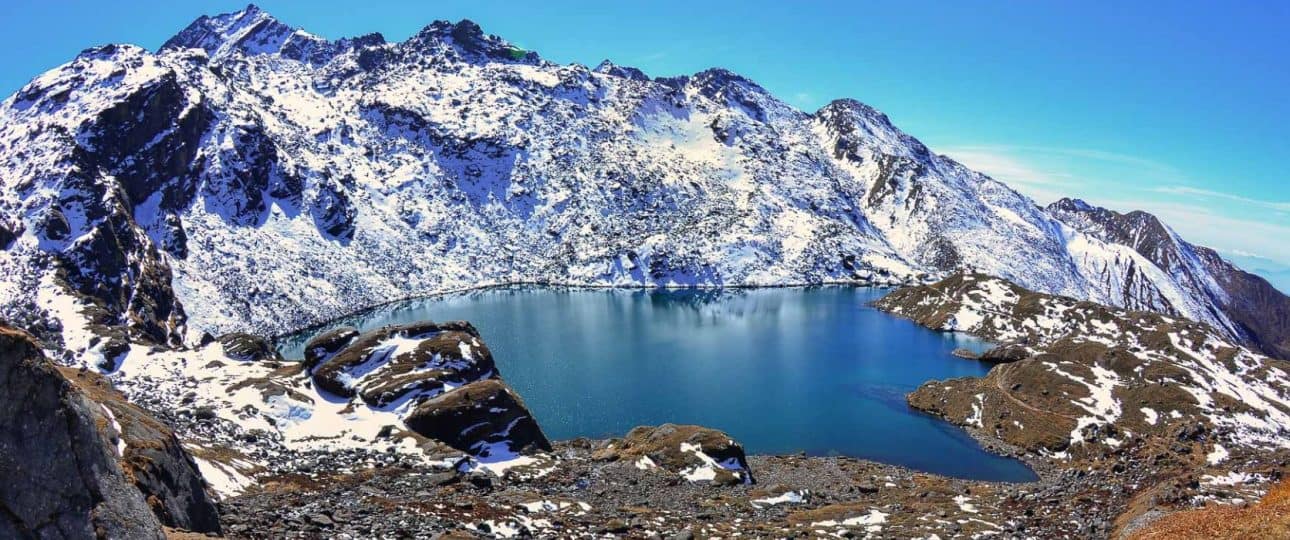
Gosaikunda lies at 4,380 meters inside Langtang National Park. It is both a sacred pilgrimage site and a high-altitude trekking destination. Because of the altitude and remote location, careful budgeting and preparation are important for every traveler.
Important: Gosaikunda is above 4,300 meters. This is a high altitude trek where health, weather, and rescue access matter. The costs in this guide include not only food and lodging, but also permits, safety services, and local support that protect both trekkers and the mountain environment.
Overview of Gosaikunda Trek

In your trek to Gosaikunda, you trek through a beautiful trail that passes through numerous small villages, streams and rhododendron forest. You also climb to high passes and march through ridges which offer you the astonishing views of Langtang, Ganesh, Himal Chuli, Dorje Lakpa and more. The trek to Gosaikunda is just full of amazing experience.
Mainly, Tamang people inhabit this part of Nepal. You can delve into the culture and traditions of the Tamang people and their lifestyle. This not only makes Gosaikunda an adventurous trek, but cultural trek as well.
Gosaikunda Trek Highlights
- Explore Gosaikunda Lake and dozens of its associates
- Cross Laurebina Pass( 4654 m)
- Witness the amazing views of Langtang, Ganesh, Himal Chuli and more
- Stay in Tamang settlements and make friends
- Visit monasteries including Singh Gompa
- Discover the amazing region of Langtang National Park
- March through the habitat of Musk Deer and Red Panda
Gosaikunda Trek Cost Breakdown
Gosaikunda Trek costs around $400 USD to $550 USD. This includes the cost of trekking permits, transportation, accommodation with full boards meals throughout the trek and many other costs as well.
The trek cost depends upon the number of days, trekking routes, and other factors like accommodation, trekking season, group size and so forth. The itinerary is customizable according to your needs and preferences.
| Expense | Typical Cost (USD) | What It Covers |
|---|---|---|
| Trekking permits | 40 to 50 | Langtang National Park entry and TIMS card |
| Food and lodging | 40 to 70 per day | Teahouse room and three meals on the trail |
| Guide | 20 to 30 per day | Licensed local trekking guide |
| Porter | 15 to 20 per day | One porter for up to 20 kg of luggage |
| Transport (Kathmandu to trail) | 15 to 30 | Local bus or shared jeep round trip |
| Total trekking cost | 400 to 550 | Average cost for a 5 to 7 day trek |
Key Things That Affect Your Trek Cost
- Group Size: Traveling with a group usually lowers the cost per person since you share the expense of guides, porters, and transport.
- Trekking Season: Prices for flights and accommodation can go up during the busy Autumn and Spring seasons.
- Accommodation: Staying in simple teahouses is much cheaper than choosing more comfortable lodges.
- Personal Expenses: Extras like hot showers, charging your devices, or buying snacks can add up over time.
- Trek Duration & Route: The longer your trek, or if you combine routes like the Langtang-Gosaikunda Trek, the higher the overall cost will be.
Langtang Gosaikunda Trek Cost

You can also combine your Gosaikunda trek with Langtang Valley trek. This adds about 4-5 days and the cost also increases accordingly. The cost is usually between $ 650 USD to $ 1000 USD.
Trekkers usually trek to Langtang Valley and Kyanjin Gompa first. After the halfway return through the same route to Pairo, the trail to Gosaikunda starts. Langtang Gosaikunda trek offers trekkers with a chance to explore to numerous places.
You trek through alpine forests, grasslands, and high ridges. You live in Tamang Villages and experience their unique and Tibetan-influenced culture. You explore beautiful lakes, cross high passes and witness breathtaking peaks of Himalayas.
Cost Includes
Here is the list of major costs that incur during your Gosaikunda trek.
Permits for Gosaikunda Trek
All foreign trekkers must carry two permits to enter the Gosaikunda area.
- Langtang National Park Permit: about USD 30 plus tax
- TIMS Card: USD 10 through an agency or USD 20 if you apply yourself
These permits help fund trail maintenance, rescue services, and conservation inside the park. They are checked at several points along the trail.
Transportation cost
Most trekkers use local taxis or hotel pickups for airport transfers. The cost is usually 10 to 20 USD each way depending on traffic and time.
From Kathmandu to the trailhead, travelers use local buses or shared jeeps. A round trip to Dhunche usually costs around 20 USD. If you start from Sundarijal, the transport cost is slightly lower.
Accommodation in Kathmandu
You will stay in a star hotel during your stay in Kathmandu. The stay in Kathmandu is usually of two days. The accommodation includes breakfast as well. Accommodation cost is around $15-$30 each day.
Accommodation with full board meals
During your trek, you will stay in tea houses that have basic facilities. Accommodation and meal in teahouses cost about US $ 40 to $ 70. The cost is for 5-7 days stay. Rooms are basic with a bed, blanket and maybe a few required items. Meals usually consist of Dal, Bhat, lentil soup, vegetable curry and sauteed spinach.
During the trek, meals and rooms are arranged at local teahouses along the trail.
Budget travelers can also stay in simple guesthouses in Kathmandu for 10 to 15 USD per night. Mid-range hotels usually cost 25 to 40 USD. This choice can change your total trip budget even if the trekking cost stays the same.
Guides and Porters Cost
A guide usually costs about US $20 – US $30 per day. Likewise, porters cost about US $15 – $20 per day. There is also extra $25 fee incurred for the guide’s and porter’s insurance. We look after all these costs as well.
Cost Excludes
Visa fee
It costs US$25 for 15 days visa in Nepal. If you want to spend more day here, then 30 days visa costs US$40 and 90 days visa costs you US$100.
International flight fare
Tour operators’ packages do not cover international flight fares. So, our package does not include the cost of your travel to/from your country.
Beverages
Our packages do not include the costs of drinks in your trek.
Meals in Kathmandu
Meals cost is usually between US$10-US$30 per day in Kathmandu. This includes both lunch and dinner.
Travel insurance
Our trek package does not cover your travel insurance. So, make sure that you buy an insurance policy that covers your medical and emergency rescue.
Many standard travel insurance plans do not cover trekking above 4,000 meters. Always check that your policy includes trekking up to at least 5,000 meters and helicopter evacuation.
Tips for porters and guides
Porters and guides expect the tips from you. So, if you are happy with them, you can reward them with tips. But, tippings is from your pocket and our package does not include tippings.
Personal expenses
You will encounter many personal expenses during your journey. Expenses like phone bills, WiFi charges, battery charging costs, etc. incur at times. You are wholly responsible for the cost.
Cash on the trail
There are no ATMs beyond Dhunche or Sundarijal. Bring enough Nepali rupees to cover food, lodging, charging, and emergencies.
Independent Trek vs Guided Trek Cost
You can reach Gosaikunda either on your own or with a licensed guide. The cost difference is mostly in safety and comfort.
| Style | Daily Cost | Best For |
|---|---|---|
| Independent trekker | 35 to 50 USD | Experienced hikers who can navigate and manage altitude |
| With guide | 55 to 80 USD | First time trekkers or those who want safety and local support |
Many visitors choose a guide because the trail crosses high passes and weather changes quickly. A guide also helps with lodges, permits, and health monitoring.
Gosaikunda Trek Itinerary

Our 9 days Gosaikunda Trek takes you through many small villages and forests. You pass through Tamang villages, visit monasteries and enjoy every bit of your exploration. The itinerary involves six walking days. You walk about 6 hours at an average per day.
| Day | Itinerary | Trek Hours |
| 01 | Fly to Kathmandu | |
| 02 | Drive from Kathmandu to Sundarijal(30 minutes) and trek to Chisapani(2300m/7546 ft) | 30 minutes drive+ 4 hours trek |
| 03 | Chisapani(2300m/7546 ft) to Kutumsang(2,450m/8,038 ft) | 5-6 hours |
| 04 | Kutumsang(2,450m/8,038 ft to Ghopte(3,430m/11,253 ft) | 6-7 hours |
| 05 | Ghopte(3,430m/11,253 ft) to Gosaikunda(4,380m/14,370ft) | 6-7 hours |
| 06 | Explore Gosaikunda lake | |
| 07 | Gosaikunda(4,380m/14,370ft) to Dhunche(2,030m/6,660 ft) | 6-7 hours |
| 08 | Drive from Dhunche to Kathmandu(1400m/4593ft) | 6-7 hours drive |
| 09 | Fly back to your country |
Or, you can just reverse start from Sundarijal to end your trek at Kathmandu.
For those who are tight on time schedule, Gosaikunda offers you a further short trek. The trek can be completed in as minimum as 5 days. You travel via a local bus/jeep to Dhunche. The next day, you trek to Cholangpati or Sing Gompa for the second-night stay. Then, another day’s walk takes you to Gosaikunda. Then you return to Dhunche on the fourth day and return back to Kathmandu by a local bus.
Langtang Gosaikunda Trek (Extended Itinerary)
For trekkers who want to experience more of the Langtang region, this extended version combines Langtang Valley with the sacred Gosaikunda Lake. This route takes you deep into alpine valleys, past Tibetan-influenced villages, high mountain viewpoints, and finally across the Laurebina Pass before descending toward Kathmandu.
This itinerary includes gradual acclimatization and offers some of the best mountain scenery in the Langtang Himal.
| Day | Itinerary | Trek Hours |
| 01 | Drive from Kathmandu to Syabrubesi (1,462m) | Approx. 7 hours drive |
| 02 | Syabrubesi to Lama Hotel (2,500m) | 5 hours |
| 03 | Lama Hotel to Langtang Village (3,307m) | 5 hours |
| 04 | Langtang Village to Kyanjin Gompa (3,798m) | 4 hours |
| 05 | Acclimatization and exploration around Kyanjin Gompa – hike to Kyanjin Ri or Tserko Ri | 4–6 hours |
| 06 | Kyanjin Gompa to Lama Hotel | 6 hours |
| 07 | Lama Hotel to Thulo Syabru (2,250m) | 5–6 hours |
| 08 | Thulo Syabru to Sing Gompa (3,250m) | 5 hours |
| 09 | Sing Gompa to Gosaikunda Lake (4,300m) | 5 hours |
| 10 | Cross Laurebina Pass (4,610m) and trek to Ghopte (3,430m) | 7 hours |
| 11 | Ghopte to Kutumsang (2,470m) | 6 hours |
| 12 | Kutumsang to Chisapani (2,215m) | 5–6 hours |
| 13 | Chisapani to Sundarijal, then drive back to Kathmandu | 4 hours trek + 1 hour drive |
This Langtang Gosaikunda itinerary is ideal for trekkers who want a more immersive Himalayan journey. It allows you to explore the lush Langtang Valley, enjoy panoramic views from Kyanjin Ri or Tserko Ri, visit traditional Tamang villages, and finally reach the holy lakes of Gosaikunda before descending through forested ridges to Kathmandu.
Gosaikunda trekking Season

Gosaikunda attracts thousands of trekkers yearly. Most of the trekkers trek to Gosaikunda in Autumn and Spring season. Autumn prevails from September to November. Likewise, March, April, and May are the months for Spring trekking.
Besides, Gosaikunda gets thousands of trekkers in August. Although monsoon is the off-season, thousands of Nepalese and Indian Hindu devotees visit Gosaikunda.
During this time, the days are usually rainy, trails are slippery and tea houses are packed. Climate is cold and leeches are another problem during this time. Despite all these drawbacks, devotees come to Gosaikunda.
During Janai Purnima, many pilgrims of all ages visit the lake for religious bathing. Because of the altitude and cold water, this period requires extra care and medical awareness.
Essential Safety and Preparation Tips
The Gosaikunda Trek is a moderate trek, but it includes a big gain in altitude, so good preparation is important for both safety and enjoyment.
- Physical Fitness: Start training at least 2 to 3 months before your trek. Cardio exercises such as jogging, cycling, and stair climbing will help build stamina.
- Altitude Sickness (AMS): The trek goes as high as 4,380 meters. Walk at a steady pace, drink plenty of water, and watch out for symptoms like headaches, nausea, or dizziness. Guides are trained to handle these situations.
- Trekking Insurance: Travel insurance is required for high-altitude treks. Make sure your policy covers trekking up to at least 5,000 meters and includes emergency helicopter rescue.
- Packing Essentials: Carry layered clothing, strong waterproof boots, a first-aid kit, and a personal water purifier such as tablets or a filter. This will save money and help reduce plastic waste.
- Expert Guidance: Trekking alone is possible, but hiring a licensed guide is strongly recommended for safety, navigation, and cultural understanding, which can make your journey more meaningful.
- Rescue Cost: A helicopter rescue from Gosaikunda can cost 4,000 to 6,000 USD. This is why insurance is not optional for this trek.
Final Notes
Gosaikunda is not a commercial trekking corridor. It is a sacred lake inside a national park, and access depends on local communities, weather, and conservation rules.
When you understand your permits, daily expenses, and safety costs in advance, you travel with respect for the land and the people who live there. That makes your journey safer and more meaningful.
Want more information? Send us your query, and our experts will get back to you within 24 hrs.

Madhav Prasad is a seasoned trekking and tourism expert with over two decades of experience in the field. Starting his career in 2001 as a porter, Madhav quickly advanced to the role of trekking guide, gaining invaluable hands-on experience in Nepal’s diverse trekking routes. In 2009, after eight years of dedication to the industry, he co-founded Mosaic Adventure, a leading trekking and tour company known for its commitment to safety, sustainability and personalized service.
Madhav has personally trekked to nearly every major trekking destination in Nepal, including Everest Base Camp, Annapurna Base Camp, the Annapurna Circuit, Poon Hill, Jomsom Muktinath, the Indigenous Peoples Trail, Langtang Valley and Mardi Himal, among others. His experience extends beyond Nepal, as he has also successfully summited Mount Kilimanjaro, Africa’s highest peak.
In addition to his extensive trekking credentials, Madhav is well traveled globally, having explored countries such as Australia, the USA, the UK, France, Japan, China, and many others. His global exposure enhances his ability to understand and cater to the diverse needs of international trekkers.
Madhav is the primary point of contact for many clients at Mosaic Adventure, personally addressing inquiries and helping plan treks with a meticulous and personalized approach. His deep knowledge of Nepal’s trekking routes, combined with his global travel experience, ensures that every trek is well planned, safe and unforgettable.
