Langtang Trek 7 days is the closes trekking destination from Kathmandu.
Situated on the northern part of Kathmandu, trekking in Langtang region is among popular destination compared to various destinations like Annapurna, Everest, Manaslu etc. .
Gosainkunda, Lauri Binayak Pass, Kyanjin Gompa, are some of the major destinations in Langtang.
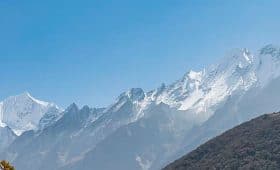
Also, the magnificent view of Langtang Lirung, Ganesh Himal, and Manaslu lures trekkers to this part of the world.
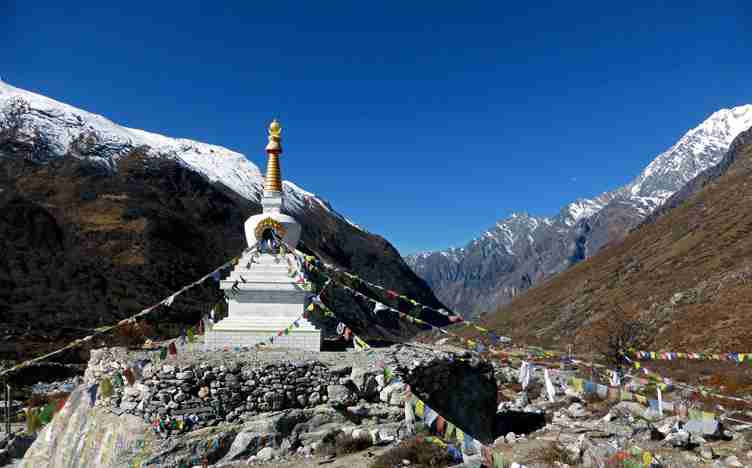
As Tibet borders Langtang Region from the north, the valley looks like highlands of Tibet.
The culture and traditions of people is also closely related with that of Tibetans. Tamang, Gurung and Sherpa are major inhabitants in Langtang region.
It is said their ancestors came from Tibet hundreds of years ago and settled there.
Among several trekking options in Langtang region, the seven days Langtang valley trek is a short one.
During this trek, you pass through Rhododendron, Pine and Oak forests, villages, streams and many magnificent places to reach to Langtang Village and Kyanjin Gompa – the farthest point of the 7 days Langtang trek.
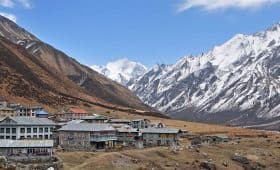
Those different-styled homes, yaks and wide pasture land at the base of the snow-capped mountains can rejuvenate any of the tired trekkers instantly.
Table of Contents
Why visit Langtang Valley?
- To delve into Tibetan-influenced culture.
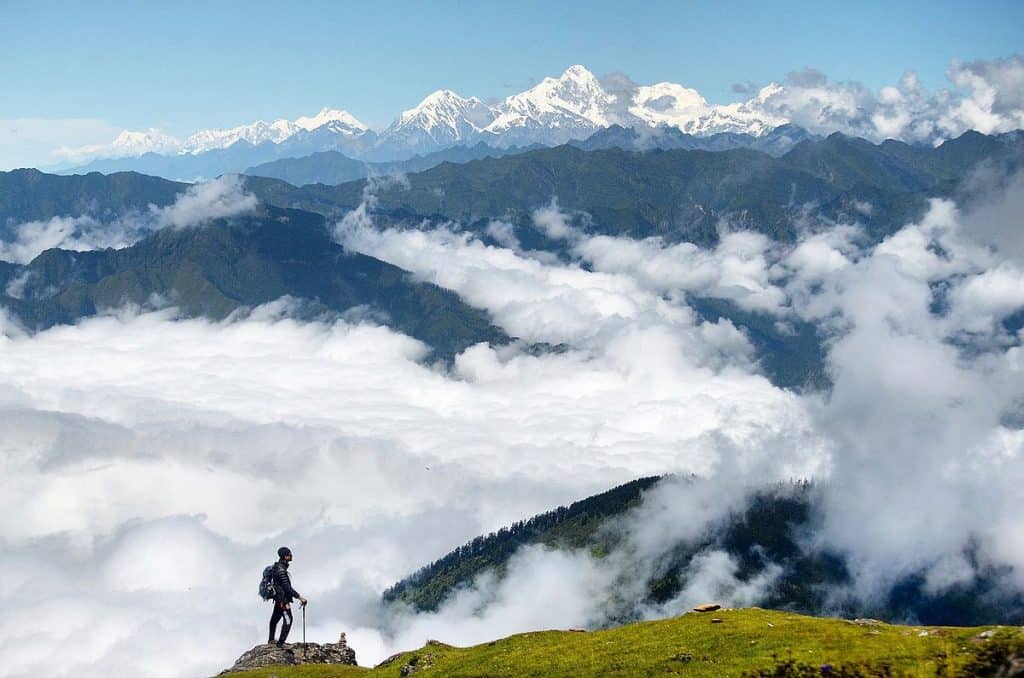
- To view breathtaking Langtang Lirung and other snow-capped peaks.
- To trek through alpine forests and yak pastures.
- To visit Kyanjin Gompa and Buddhist shrines.
- To explore the hidden Langtang region.
- To help rebuild the villages that 2015 earthquake destroyed.
- Meeting local Tamang people and learning about their high-altitude lifestyle.
Want more information? Send us your query, and our experts will get back to you within 24 hrs.
Best season for Langtang Trek
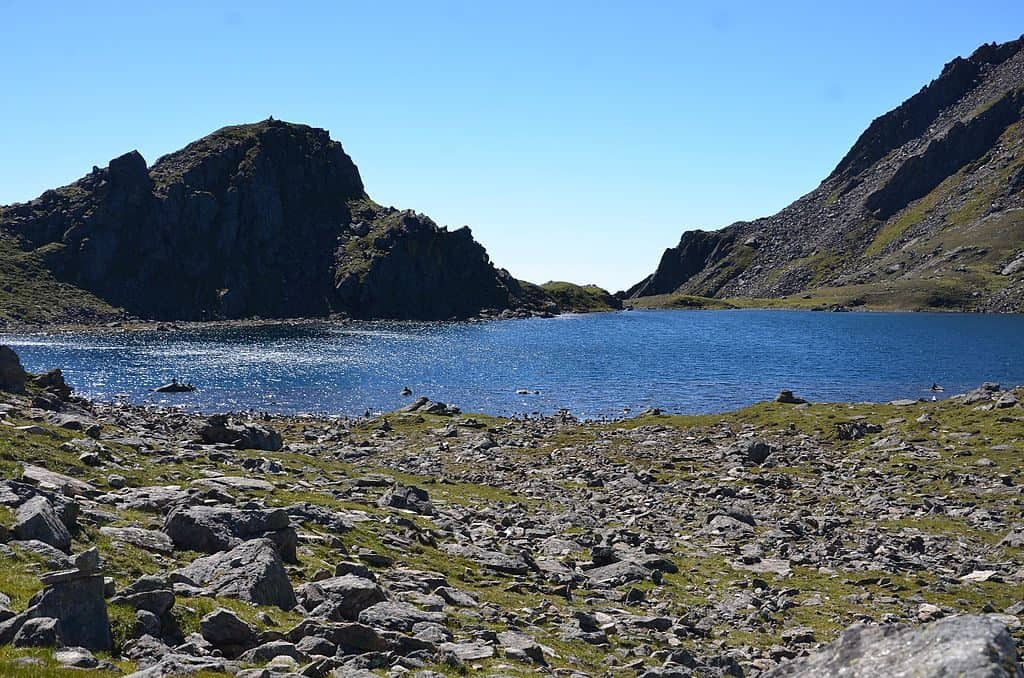
The best time to trek in Langtang Region is Spring and Autumn.
Spring prevails from March to May in Nepal, whereas Nepal experiences Autumn from mid September to mid December.
The climate is warm and weather is usually clear. If you are a winter traveler, you can also trek to Langtang in November or December.
Temperature Range and Weather during Langtang Trek 7 Days
Before planning this 7 days adventure, you should be aware of the various seasons in Nepal and the temperature range and weather conditions that change with different seasons.
For a safe and enjoyable trip, you should prepare yourself properly by understanding the weather and temperature and being mentally, physically, and gear-wise prepared.
Here, we further dive into the 4 different seasons in Nepal and the temperature/weather variations they bring.
Spring (March to Mid-June)
Spring starts as we finish the winter season in Nepal.
This season comes alive with blue skies, blossoming flowers, green vegetation and a colorful environment.
It is considered one of the main seasons to trek in Langtang or any other regions throughout the country.
The temperature can range from 15 to 25 degrees Celsius during the daytime in areas that are below 1500-1800 meters.
As you go higher, the temperature starts to drop, and you should expect it to go as low as minus 5 degrees Celsius in places like Kyanjin Gompa.
Summer/Monsoon (Mid-June to Early September)
After the end of the colorful spring season, this wet summer or monsoon season starts in Nepal.
The Langtang area is warmer around that time and the temperature is mostly mild, whether in lower or higher areas.
This is not the best time to trek, but it’s the best time if you would like to avoid crowds and walk under the foggy/mystic trail of Langtang.
The temperature ranges around 25 to 35 degrees Celsius during this time at areas below 1500-1800 meters. As you climb higher, you can expect the temperature to go as low as about 4 to 5 degrees Celsius during the nights.
Autumn (Mid-September to Mid-December)
Autumn is the cleanest season after the monsoon wipes away all dust and debris around the country.
Autumn is considered one of the best seasons due to its clear blue sky, highly visible snow-capped mountains, green vegetation and mild temperature.
You should expect temperatures ranging from 15 to 20 degrees Celsius in the lower lands of 1500-1800 meters altitude.
As you go higher, the temperature can be about 20/22 degrees during the daytime, but at higher altitudes like Kyajin Gompa, it can drop to minus 5 to 7 degrees Celsius.
Winter (Mid-December to End of February)
After the popular month of the autumn season, Langtang Valley experiences the snowy winter season covered with white snow all over the area above 3500 meters.
Winter trekking is great to avoid crowds and for the best views, but you need to be properly prepared for chilly mornings, evenings and nights.
Langtang Valley can get as cold as minus 15 degrees Celsius at certain times during the whole winter season.
The daytime temperature is mild for the entire trek from Syabrubesi to Kyanjing Gompa.
The daytime temperature at lower altitudes can be about 10-15 degrees Celsius, while high-altitude areas can see the highest temperature of around 15-20 degrees Celsius only.
Be prepared with warm clothes if you wish to undertake the Langtang trek for 7 days during winter.
In conclusion, the weather in the Himalayas keeps changing, so don’t rely solely on data and be prepared for the worst.
Make sure you speak to your guide, check the weather forecast and prepare yourself accordingly for any situation your Langtang trek 7 days can bring.
Itinerary of Langtang Trek 7 Days
Here’s a general itinerary of 7 days Langtang Trek!
Day 01: Kathmandu – Syabrubesi

You will travel for 6-7 hours through a bus, jeep or a car to reach to Syabrubesi.
You will witness the mesmerizing view of rural villages, forests and snow-capped mountains on the way.
You stay overnight in a lodge at Syabrubesi.
Day 02: Syabrubesi – Lama Hotel (2420m)
As the trek starts, you will follow the Langtang River, cross a suspension bridge, and continue the trail.
During the trek, you continuously ascend uphill or descend downhill.
After passing through a forest of vibrant red Rhododendrons, green lush Pines, and Oaks, you will reach a waterfall.
After half an hour walk from there, you will reach to a suspension bridge.
The continuous walk from there will take you to a junction of old Langtang trail.
An hour’s walk from there will take you to Lama Hotel. You will spend the second night there.
Day 03: Lama Hotel – Langtang Village (3430m)
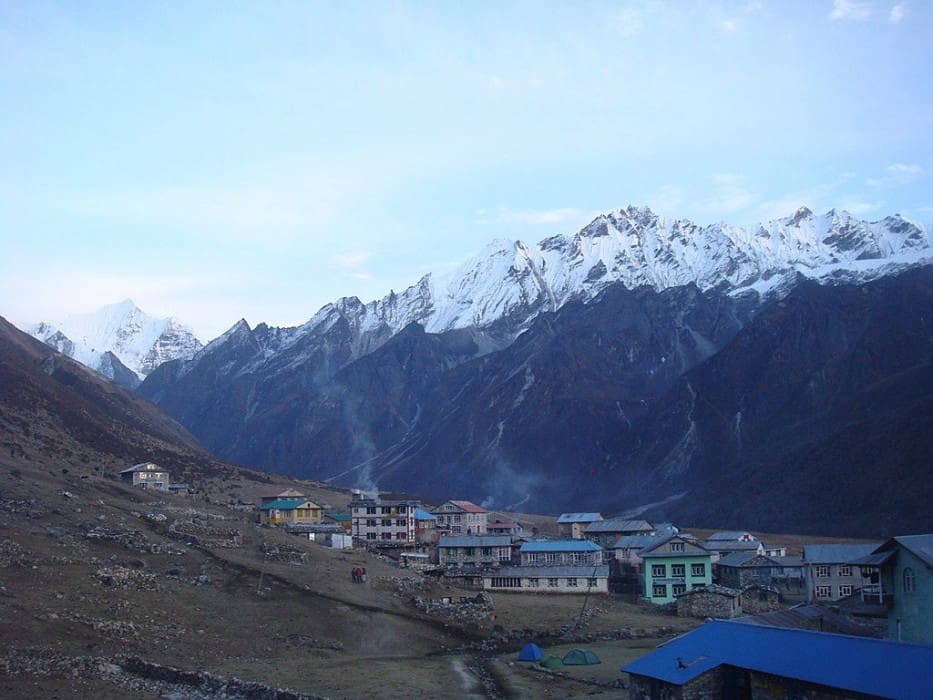
After morning breakfast, the journey continues towards Langtang valley.
You will pass through thick woods and steep trails to Ghore Tabela.
You will have a great view of Langtang Lirung on the way.
As you climb to higher altitude, you will experience a colder climate and thinner atmosphere.
Continue your journey further to reach to an open pasture where Langtang village lies.
Langtang is a village of Tamang and Sherpa community influenced from Tibetan lifestyle.
Houses are walled in stones and roofs are flat.
The village is also the home to headquarters of Langtang National Park.
Day 04: Langtang Village – Kyanjin Gompa ( 3870 m)

As you wake up the fourth morning and have your breakfast, the journey continues towards Kyanjin Gompa.
You pass through abandoned villages, and glacier moraine to reach to Kyanjin Gompa.
The village is based at the lap of Langtang Lirung from where you can see several mountain peaks.
Kyanjin Gompa is also the furthest point of your seven days trek of Langtang.
You reach nearly 4000 meters of altitude. So, you can take a rest in Kyanjin Gompa for acclimatization.
Day 05: Kyanjin Gompa – Lama Hotel
You will return back to Lama Hotel through the same route.
As most of the journey is downhill, your trek will be quicker. You will spend your fifth night there.
Day 06: Lama Hotel – Syabru (3900 m)
The next morning after having your breakfast, you will continue your downhill trek to the enticing village of Syabru.
Day 07: Dhunche – Kathmandu
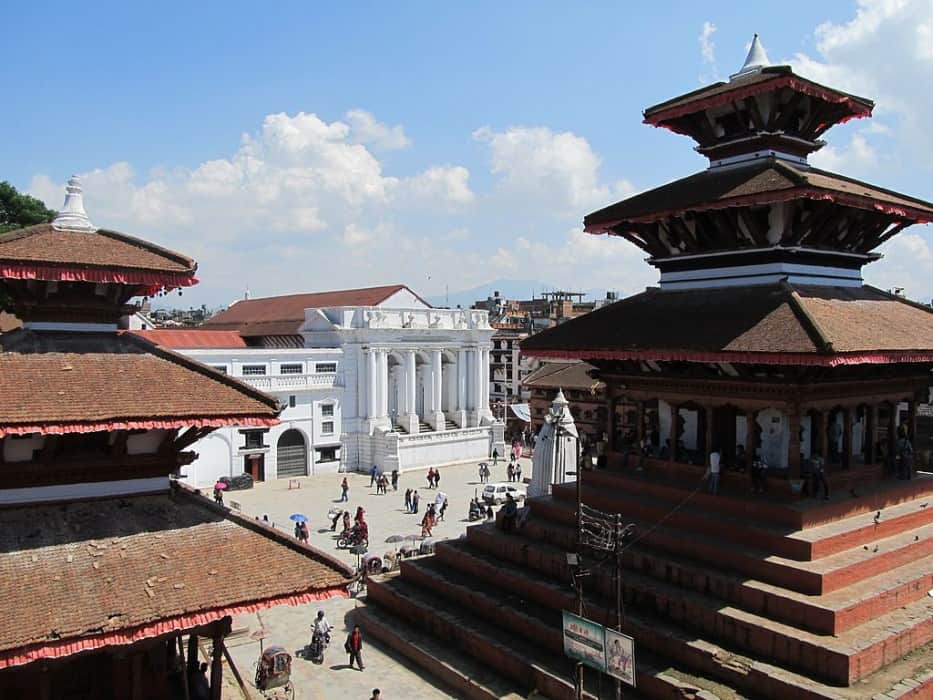
It’s the last day of your trekking journey.
You will return to Dhunche and travel via bus, jeep or a car to through Pasang Lhamu Highway to Kathmandu.
Your 6 hours travel will be an interesting one.
You will spend your day reminiscing about the beautiful world of Langtang Valley.
Langtang Trek 7 days Cost
The cost per person for 7 days Langtang Trek cost can be about anywhere above $490.
But it depends on how you spend and on what you spend.
Cost includes:
- Transportation by bus: Kathmandu – Syabrubesi and Dhunche – Kathmandu
- Teahouse accommodation
- Meals including breakfast, lunch, and dinner
- Licensed guide
- Trekking permits
- Government and local taxes
Cost excludes:
- Accommodation in Kathmandu
- All kinds of beverages
- Personal expenses
- Cost of hiring porters
- Tips and gratuities
- Travel and medical insurances
- Other costs not mentioned above
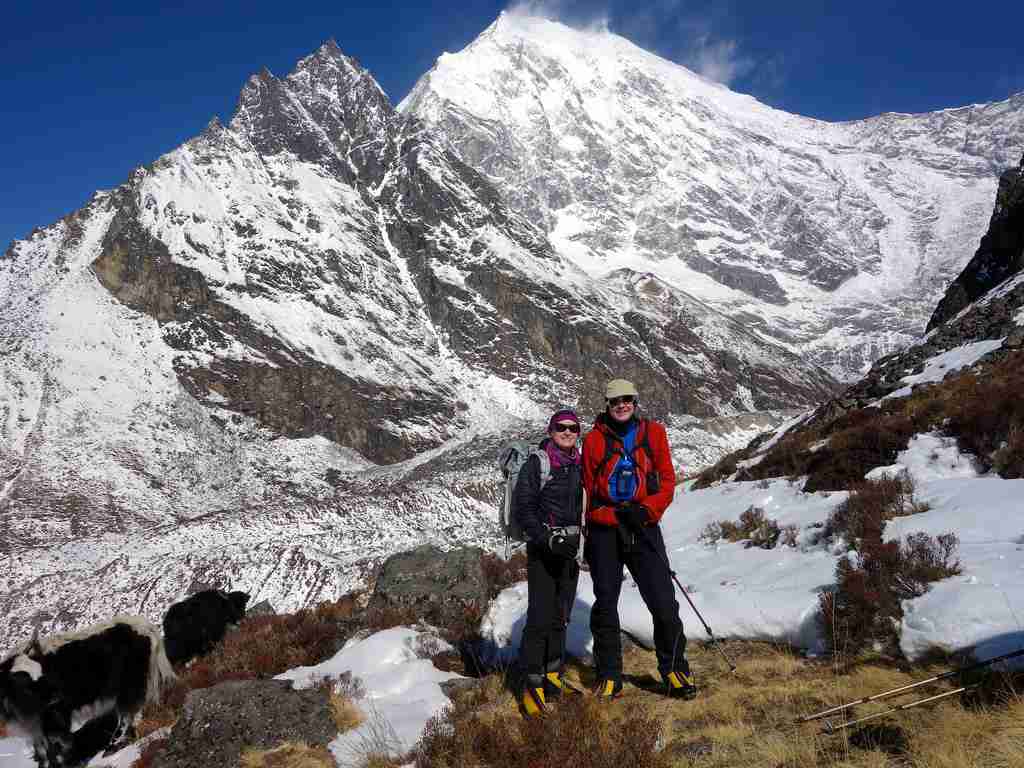
Langtang trek 7 days is a short, easy and interesting trek.
As Langtang Valley lies just about 19 miles from Kathmandu, any kind of travelers – couple, groups, family, or solo travelers can trek to Langtang region.
The trek is moderately challenging but no experience or technical training is required.
To sum up, Langtang Region is a giant package having abundant flora and fauna.
The region is amazing place to experience the Himalayas.
There are so many places that you can explore.
If you wish to continue your trek to Langtang region, there are ample options available.
- Langtang Gosainkunda Trek
- Langtang Tamang Heritage Trek
- Gosainkunda Trek
- Langtang Helambu Trek
- Langtang Valley Trek – 8 days (added one day for side trip to Kyanjin Ri or Tsergo Ri).
Conclusion
The Langtang Trek 7 days, situated near the Tibetan border of Nepal, is gaining popularity as one of the best treks in the country.
The route offers breathtaking Himalayan views, diverse landscapes and a unique experience of local culture, making it popular among both locals and international trekking enthusiasts.
Starting our walk from Syabrubesi, we pass through various Himalayan villages, such as Lama Hotel and Kyanjin Gompa, which are inhabited by local Tamang people.
The trek takes us through dense forests that feature different types of trees, such as rhododendron, bamboo, fig and more.
Upon reaching Kyanjin Gompa, you are rewarded with beautiful views, including snow-capped tall standing mountains.
If you need any information on this trek, please contact us!
We will be happy to answer you and provide further information you requested.
Want more information? Send us your query, and our experts will get back to you within 24 hrs.
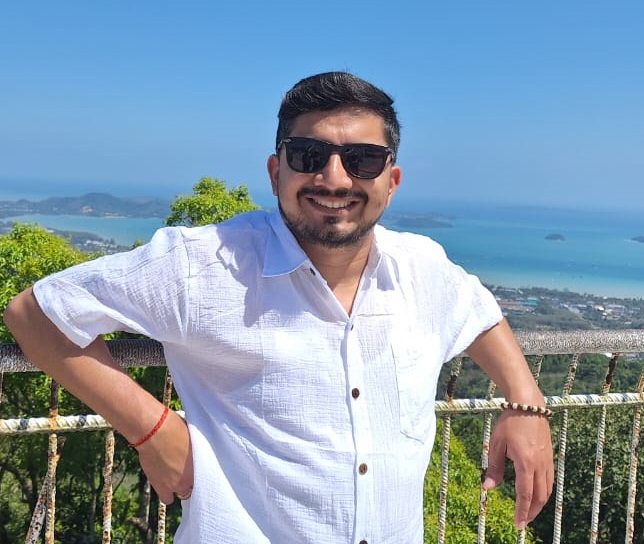
Madhav started working as a porter in 2001 and then moved on to work as a trekking guide. After working in the trekking and tourism industry for eight years, he co-founded Mosaic Adventure in 2009.
Madhav has trekked to most of the trekking destinations in Nepal, including Everest Base Camp Trek, Annapurna Base Camp, Annapurna Circuit Trek, Poon Hill Trek, Jomsom Muktinath Trek, Indigenous Peoples Trek, Langtang Valley Trek, Mardi Himal Trek, and all of the day hikes around Kathmandu.
He has also extensively traveled to other countries such as Australia, the USA, the UK, France, Hong Kong, Japan, China, the Philippines, the UAE, Saudi Arabia, Bahrain, Thailand, Turkey, and India. Madhav is the one who answers most of your questions about trekking and tours and helps to plan your trip by giving a personal touch.