
Though Nepal is a small country, it has more trekking routes than almost anywhere else in the world. From busy trails like Everest to hidden valleys in the east, every region offers a different kind of adventure.
Some trails are short and easy, while others are long and demanding. Nepal also offers routes for families, adventure lovers, and trekkers who want true wilderness.
If you’re looking to escape the crowds and experience an untouched environment then the Kanchenjunga circuit trek is for you!
Here is a quick overview of what the Kanchenjunga Teahouse Trek offers.
Kanchenjunga Teahouse Trek at a Glance
- Location: Far eastern Nepal near the India and Tibet borders
- Trek style: Teahouse lodge trek with limited camping at higher elevations
- Highest point: Pang Pema at 5140 meters
- Best season: March to May and September to November
- Permit required: Restricted Area Permit and Kanchenjunga Conservation Permit
- Accommodation: Local teahouses up to Ghunsa and stone lodges beyond
- Who it is for: Experienced trekkers seeking a remote Himalayan experience
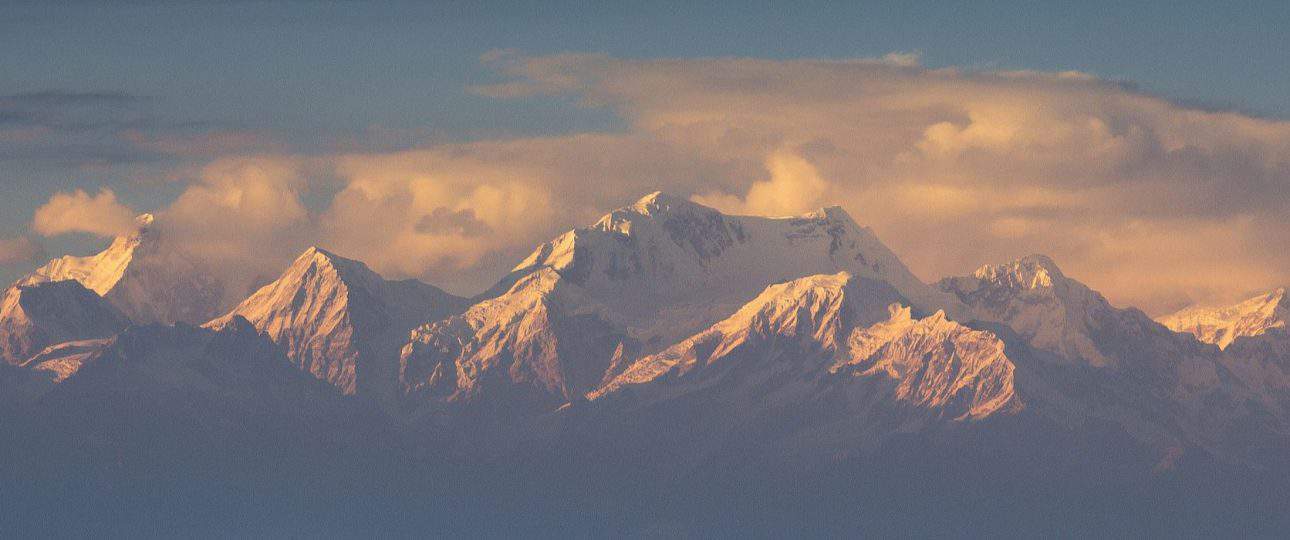
The Kanchenjunga region is known for its natural beauty, with vast rhododendron forests and the third highest mountain in the world, Mt. Kanchenjunga. It is a remote and rugged part of Nepal that still feels untouched.
The Kanchenjunga teahouse trek not only challenges you physically but also changes the way you see the people and the mountains of this region.
Our guides have been leading trekkers in Kanchenjunga for many years. We know which teahouses stay open late into the season and which villages are better for acclimatization. This helps our guests stay safe and comfortable even in this remote region.
Highlights of Kanchenjunga Teahouse Trek
- Explore the spectacular Tibetan village; Ghunsa and Pang Pema
- Experience the wilderness trekking experience in the remotest areas of Nepal
- Exciting trekking experience around the world third highest peak Mt. Kanchenjunga
- The exciting time around both Kanchenjunga base camp; north and south
- Challenging the high mountain pass like Sele La Pass, Pang Pema pass
- Experience the glacier walk on Yalung Glacier
- Experience the local culture of Sherpa, Rai, and Limbu people
- Walk via diverse landscape from sub-tropical pristine forest to high alpine passes
- Scenic view of Mt. Makalu 5th highest mountain in the world
Want more information? Send us your query, and our experts will get back to you within 24 hrs.
Kanchenjunga Teahouse Trekking Routes
Kanchenjunga lies on the far eastern side of Nepal, near the border with Sikkim, India. It is the second highest mountain in Nepal, with an elevation of 8,586 meters.
To preserve the region’s prestigious natural and cultural beauty, Nepal government has declared it restricted trekking areas.
Thus, only limited visitors are allowed to trek in this particular region.
This adventurous trek starts with the 45-minute picturesque flight from Kathmandu to Suketar airport.
The trail passes through the Kanchenjunga Conservation Area, home to diverse wildlife and several endangered bird species.
Some endangered wild species include Red Panda, Snow Leopard, Clouded Leopard, Himalayan Black Bear, and Serow Assamese Macaque.
The Kanchenjunga trek offers a wide variety of scenery. The trail travels past ancient monasteries, mani walls, terraced fields, and rhododendron forests.
On the way, you’ll also experience a diversity of Nepalese culture. You will meet Rai, Limbu, and Tibetan communities along the journey.
The breathtaking mountain views, isolated trails, and rich local culture make this trekking experience truly special.
You’ll get an amazing view of glittering peaks, incredible glaciers, and beautiful landscapes.
Because this region is remote, Kanchenjunga was long known as a camping trek, especially for larger groups.
In the past, trekkers had to carry tents and large support teams with guides, cooks, and porters to complete this trek.
Things have changed a lot in recent years.
Today, several teahouses operate along the Kanchenjunga trail. Most teahouses are built and run by local families.
A basic rule is that teahouses at lower elevations are usually more comfortable. The obvious reason is, at lower altitude, it is easier to get things and run a better operation.
On the trail, there are good enough teahouses up to Ghunsa on the north side of Kanchenjunga. Kambachen, Loank, Pang Pema has stone huts for accommodations.
These huts are operated as simple teahouses by local families.
Although the services are basic, the hospitality of the local people is undeniably phenomenal.
Taplejung is a starting point of the trek (north to south). Before Taplejung, you may spend a night in Birtamod or Illam. In both towns, there are different options of accommodations ranging from normal to deluxe. You can choose on the basis of your personal choice.
On the trail, in the few villages like Chirwa, Amjilosa there are only two teahouses available. The room is basic and food menu are too simple. You’ll get traditional Nepalese dish “Dal Bhat”.
There are three main trekking routes in the Kanchenjunga region.

Kanchenjunga Circuit
Kanchenjunga Circuit trek offers a great opportunity to trek in the wilderness. This trekking trail leads you to the remote and isolated mountain village enrich with ancient traditions and cultures.
Kanchenjunga Circuit trek involves both north and south base camp trek. It takes quite a long time to complete this whole circuit trek.
But the picturesque landscape, traditional village, local ethnic culture makes this trek more memorable.

Kanchenjunga North Base Camp
Kanchenjunga North Base Camp trek is one of the possible trekking routes of Kanchenjunga trek Nepal.
During the entire Kanchenjunga trek, you’ll get the best teahouse in Ghunsa village. There are almost nine guesthouses. Almost all teahouses have a nice room with comfortable bed. There is no any electricity problem.
In few villages, you can also go camping. Lhonak can be a perfect place for camping. It has a small yak pasture with a few huts.
Pang Pema is the highest point of the trek. Actually, Pang Pema is the alternative name for the Kanchenjunga north base camp. It is one of the national treasures of Nepal.
The place is large grassy plain and surrounded by the incredible peaks of Kanchenjunga region.
It is important to know about Kanchenjunga Base Camp Weather before choosing your travel month.
Kanchenjunga South Base Camp
Kanchenjunga south base camp is second options. It is far easier to trek than north base camp. This region is inhabited by Rai, Limbu and Sherpa people.
During the trek, you’ll visit major villages like Yamphuding and Marmangkhe. Here you’ll witness the local culture worth to visit.
Here you’ll get a basic type of accommodation. Also, these facilities are not available throughout the year.
Kanchenjunga trek is one of the remotest treks in Nepal. So, don’t expect too much like luxurious teahouses similar to Everest and Annapurna region.
Finally, staying at the local teahouses offers you an opportunity to contribute to the local economy and communities.
On Kanchenjunga south side trail, Ramche is the last place where you’ll find the last hotel to stay.
Is Kanchenjunga a Real Teahouse Trek
Many trekkers ask if Kanchenjunga can really be done as a teahouse trek. The answer is yes, but it is different from Everest or Annapurna.
From Taplejung up to Ghunsa, trekkers stay in simple family run lodges with private or shared rooms and hot meals. Beyond Ghunsa toward Lhonak and Pang Pema, accommodation becomes more basic with stone huts that operate as teahouses. These still provide beds, meals, and shelter, but the facilities are very simple.
On the south side toward Ramche and Yamphuding, teahouses are available in most villages but sometimes close outside peak season. This is why local guides always carry a small camping backup during early spring or late autumn.
This mix of teahouse trekking and light expedition style travel is what makes Kanchenjunga special. You still sleep in lodges, but you experience true Himalayan wilderness.
Kanchenjunga Teahouse Trek FAQs
How difficult is the Kanchenjunga teahouse trek?
The trek is considered challenging. You walk long days on remote trails and cross high passes like Sele La. It is best for trekkers who already have experience above 4000 meters.
Can beginners do Kanchenjunga as a teahouse trek?
Beginners should not attempt this trek. There are no rescue facilities, limited lodges, and long walking days. It is suited for confident trekkers with good fitness.
Do I need a guide for Kanchenjunga teahouse trek?
Yes. Kanchenjunga is a restricted area and you must trek with a licensed guide and agency.
What food is available in Kanchenjunga teahouses?
Most teahouses serve dal bhat, noodles, soups, potatoes, eggs, and tea. In Ghunsa you can also find bread, momos, and simple fried dishes.
Is there electricity and charging?
Ghunsa has reliable electricity. In smaller villages, solar charging is available for a small fee.
Final Say
The Kanchenjunga teahouse trek offers a truly rewarding trekking experience. You also get to experience the local culture and get a close insight of the daily lifestyle of the high mountain people.
You can see full details of this journey on our Kanchenjunga Base Camp Trek page. If you want only the northern side, explore our Kanchenjunga North Base Camp Trek. For permits, guides, and porters, visit our Kanchenjunga guide and porter service.
But if you can’t manage extra time and want a short trip then you can go either for Kanchenjunga South Base Camp or Kanchenjunga North Base Camp.
Hope this article provides you a clear idea about the Kanchenjunga teahouse trek. If you want more info or want to book any of these Kanchenjunga teahouse trek packages, you can contact us at any time.
Want more information? Send us your query, and our experts will get back to you within 24 hrs.

Madhav Prasad is a seasoned trekking and tourism expert with over two decades of experience in the field. Starting his career in 2001 as a porter, Madhav quickly advanced to the role of trekking guide, gaining invaluable hands-on experience in Nepal’s diverse trekking routes. In 2009, after eight years of dedication to the industry, he co-founded Mosaic Adventure, a leading trekking and tour company known for its commitment to safety, sustainability and personalized service.
Madhav has personally trekked to nearly every major trekking destination in Nepal, including Everest Base Camp, Annapurna Base Camp, the Annapurna Circuit, Poon Hill, Jomsom Muktinath, the Indigenous Peoples Trail, Langtang Valley and Mardi Himal, among others. His experience extends beyond Nepal, as he has also successfully summited Mount Kilimanjaro, Africa’s highest peak.
In addition to his extensive trekking credentials, Madhav is well traveled globally, having explored countries such as Australia, the USA, the UK, France, Japan, China, and many others. His global exposure enhances his ability to understand and cater to the diverse needs of international trekkers.
Madhav is the primary point of contact for many clients at Mosaic Adventure, personally addressing inquiries and helping plan treks with a meticulous and personalized approach. His deep knowledge of Nepal’s trekking routes, combined with his global travel experience, ensures that every trek is well planned, safe and unforgettable.
