
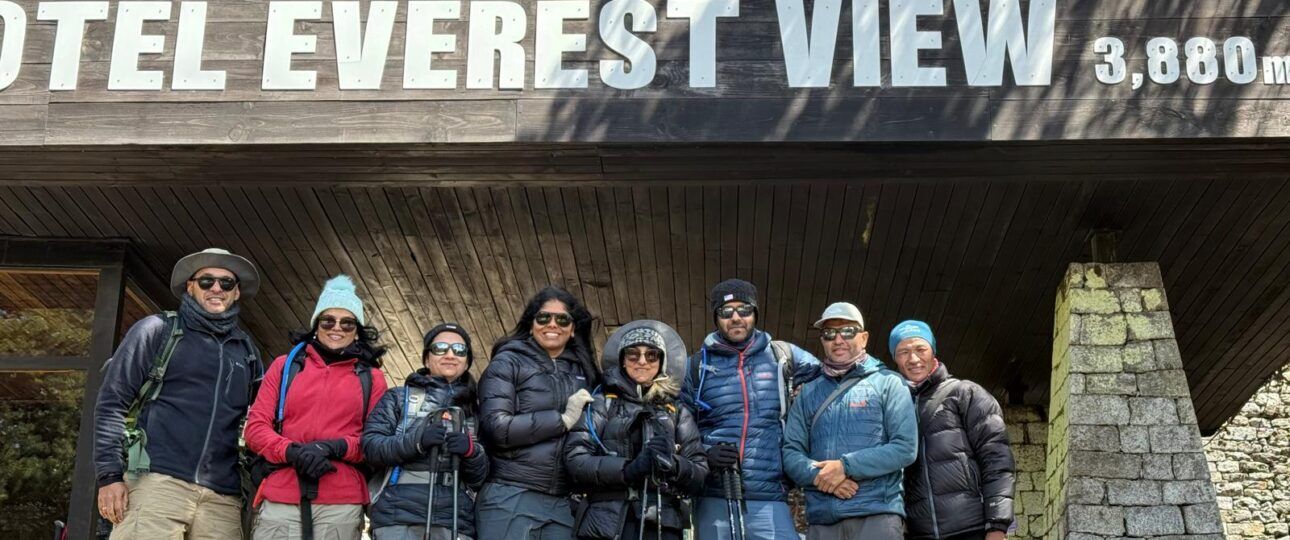
Seniors over 50 can successfully complete the Everest Base Camp trek (5,364m) with proper preparation and realistic pacing. The key factors are gradual acclimatization, steady daily walking, and experienced local guides who monitor health and hydration. Begin training 6 to 8 months in advance with low-impact cardio, light strength work, and trekking pole practice to build endurance safely.
Overview of the Everest Base Camp Trek for Seniors
The EBC trek is a high-altitude walk in the Khumbu region that many seniors over 50 complete each year when they prepare properly.
This moderate, non-technical trail through Nepal’s Khumbu Valley leads to the base of Mount Everest at 5,364m, with an optional hike to Kalapatthar (5,545m) for spectacular sunrise views of the world’s highest peak.

This guide focuses on senior pacing, acclimatization, and preparation. If you want extra support, choose an operator that keeps group sizes small and checks health daily.
Why the Everest Base Camp Trek Is Achievable for Seniors
The EBC trek is a moderate and non-technical hike that welcomes people of all ages. Nepal does not impose an age restriction for this trek, but medical fitness and pacing matter far more than birth year. Many older trekkers complete the journey every year with confidence. With the right approach, seniors can achieve a 95% or higher success rate on itineraries that allow time for rest and gradual acclimatization. Here is why it is realistic for many trekkers over 50.
What Changes Physiologically After 50 at High Altitude?
After age 50, recovery time becomes more important than raw strength. Lung capacity may gradually decrease, muscle repair slows slightly, and joints become less tolerant of repeated downhill impact. However, these changes do not prevent success at Everest Base Camp altitude. They simply require a slower ascent rate, planned rest days, and careful hydration.
In our experience guiding trekkers over 60 and 70, the most successful clients are not the fastest walkers. They are the most disciplined with pacing, nutrition, and sleep. A steady heart rate, controlled breathing rhythm, and realistic daily distance targets matter far more than age itself.
Feasibility and Success Rates
Age alone is not what decides success on this trek. In fact, many seniors perform exceptionally well on the trail because of their discipline, steady pace, and positive mindset. In Nepal, guides often say “Bistari Bistari,” meaning “slowly, slowly,” which perfectly captures the secret to success at high altitude.
Research shows that age alone does not increase the risk of altitude sickness. What matters most is how fast you go up and whether you add real rest days. Longer routes that include extra rest days greatly improve the chances of success by helping trekkers adjust to elevations above 3,000 meters.
Mosaic Adventure designs each trek with seniors in mind. Our itineraries keep groups small, usually one guide for four trekkers. Guides check pace, hydration, and symptoms daily.
Real completion data for seniors: On extended itineraries of 15 to 16 days with two acclimatization days, our completion rate for trekkers over 50 remains above 95 percent. For trekkers over 65, completion remains above 90 percent when pacing guidelines are followed strictly. The most common reason for early descent is mild altitude symptoms, not age-related strength limitations.
Benefits for Adventurers Over 50
Most seniors tell us the same thing after the trek: daily walking makes them feel stronger, and the slow routine helps sleep and appetite.
Body: steady cardio for 3 to 6 hours a day, plus better balance from uneven trails and trekking poles.
Mind: fewer distractions, simple days, and a clear goal.
Social: teahouse dinners and shared pacing create quick friendships.
If you are celebrating something special, keep it simple. The mountain does not care about birthdays, only about pace and acclimatization.
Is Everest Base Camp Safe for Seniors Over 60 or 70?
This is one of the most common questions we receive. The honest answer is yes, but only with the right pacing and medical awareness.
There is no official age limit for trekking to Everest Base Camp. We have guided trekkers in their 60s, 70s, and even early 80s. What matters is cardiovascular health, steady walking ability, and the discipline to move slowly at altitude.
Age alone does not increase the risk of altitude sickness. Research and field experience in the Everest region show that ascent rate is the main risk factor. Many younger trekkers get into trouble because they walk too fast. Seniors who walk slowly often acclimatize better.
For trekkers over 60 or 70, we recommend:
- Gradual acclimatization with extra nights above 3,000 meters
- Daily oxygen saturation monitoring using a pulse oximeter
- Hydration of at least 3 liters per day
- A helicopter descent option from Gorakshep to reduce knee strain
With this approach, trekking to Mount Everest Base Camp at 60 or even 70 is realistic and safe when supervised by experienced Sherpa guides.
How to Train for Everest Base Camp Trek If You’re Over 50
Training well before your trip is the key to enjoying this high altitude journey safely and confidently. If you are over 50, your preparation should focus on building strength, endurance, and balance gradually. You do not need to be an athlete to reach Base Camp. What matters most is consistency, patience, and a well-planned approach. For a deeper breakdown of training for Everest Base Camp, review our detailed preparation guide.
Start Early and Train Regularly
Begin your training about six to eight months before your trek. Start with low-impact exercises that strengthen your heart, lungs, and legs. Activities such as brisk walking, cycling, swimming, or hiking on local trails are excellent for improving stamina. Try to exercise at least four to five times a week, and increase your workout time and intensity slowly as your body adapts.
If possible, practice walking uphill and downhill or climb stairs to prepare for the slopes along the trail. Adding a light backpack during walks can also help your body get used to carrying some weight.
Strength and Balance Training
Along with cardio, include strength training two or three times a week. Focus on the muscles that support your legs, back, and core. Exercises such as squats, lunges, step-ups, and planks are very effective for improving stability and reducing fatigue.
Balance exercises are also helpful, especially if you are not used to walking on uneven ground. Practicing simple moves like standing on one leg or doing yoga can improve coordination and help prevent slips or falls.
Practice with Trekking Poles and Gear
If you plan to use trekking poles, start training with them early. They help reduce strain on your knees and give extra support on steep climbs or descents. Wear your trekking boots during training to make sure they fit comfortably and to prevent blisters later. Try to hike in conditions similar to what you may experience in the Himalayas, such as uneven trails and variable weather.
Focus on Breathing and Recovery
High-altitude trekking requires good breathing habits and proper recovery. Practice deep, steady breathing while walking to improve your oxygen intake. After each workout, take time to stretch and rest. Listen to your body, progress slowly, and allow enough recovery between training sessions.
If you prepare for a few months and keep your pace steady, you can complete this trek in your 50s, 60s, or even 70s.
Low-Impact Cardio Options for Joint Protection
For trekkers over 50, low-impact cardio is often safer than repetitive pavement running. Cycling, swimming, elliptical training, and long incline treadmill walking build endurance while protecting knees and hips. The goal is sustained aerobic effort, not speed.
Train in a conversational pace zone where you can speak in short sentences while moving. This builds the type of steady aerobic base required for high altitude trekking over 50.
Sample 12-Week EBC Training Plan for Seniors Over 50
| Weeks | Focus | Activities |
|---|---|---|
| 1 to 4 | Base endurance | 30 to 45 minutes brisk walking, 4 days per week. Light squats and step-ups twice weekly. |
| 5 to 8 | Hill strength | Stair climbing or uphill hiking with light backpack. Add balance exercises and core work. |
| 9 to 12 | Trail simulation | 2 to 3 hour hikes on uneven terrain. Practice trekking pole use and steady breathing rhythm. |
This gradual build-up reduces joint stress and improves high altitude performance. Low-impact cardio such as cycling or swimming can replace walking on recovery days.
Health Risks and Safety Tips for Senior Trekkers
Trekking to Everest Base Camp comes with real risks at altitude. Seniors do well when they manage pace, hydration, sleep, and early symptoms instead of trying to push through.
Common Health Risks at High Altitude
1. Altitude Sickness (AMS)
Acute Mountain Sickness can affect healthy and fit people of any age. For senior trekkers, the key factor is ascent speed, not age. Symptoms usually appear above 2,800 to 3,000 meters and may include headache, nausea, poor sleep, or unusual fatigue.
The best way to prevent altitude sickness is simple: go up slowly and do not skip acclimatization days. Our senior itineraries include two proper rest days and keep altitude gain to roughly 300 to 500 meters per day once above Namche Bazaar. If symptoms do not improve, going down is the only real solution. You can also review our detailed altitude sickness prevention guide for practical steps before and during your trek.
2. Dehydration
The mountain air is dry, and you lose fluids faster than you may realize. Seniors should drink water regularly, even when not feeling thirsty. Avoid too much caffeine or alcohol, as both can contribute to dehydration.
3. Fatigue and Overexertion
The trek involves several days of walking on steep and rocky terrain. Overexertion can lead to exhaustion and muscle strain. A slow, steady pace and proper rest will help maintain your energy levels.
4. Joint or Muscle Pain
Older trekkers may experience knee, hip, or back discomfort from long hours of walking. Trekking poles, proper footwear, and stretching exercises can reduce strain and keep your joints flexible.
5. Menopause and Hormonal Changes
Many women trekking EBC in their 50s are perimenopausal or postmenopausal and altitude can amplify symptoms you may already be managing at home. Hot flashes are harder to regulate through layered clothing, since you are constantly adjusting for cold mornings and warm midday sun anyway. Night sweats add to the fluid loss you are already dealing with from dry mountain air, so treat hydration as non-negotiable, not optional.
Sleep is already lighter at altitude for most trekkers. If night sweats or hot flashes are part of your routine, expect that to compound and plan for rest days to actually mean rest. It also helps to mention this to your guide early on. Heart palpitations, flushing or sudden warmth from hormonal changes can look similar to early altitude symptoms and a guide who knows your baseline will read your symptoms more accurately instead of assuming every flushed face is AMS.
If you are on hormone replacement therapy, there is no evidence it needs to be stopped for high-altitude trekking, but talk to your doctor before you go and bring your full supply. There are no pharmacies once you are past Namche Bazaar.
Oxygen Saturation Expectations for Seniors
At sea level, oxygen saturation is typically 95 to 99 percent. At Namche Bazaar around 3,440 meters, readings commonly drop into the high 80s or low 90s. Near Gorakshep above 5,100 meters, readings in the mid 70s to mid 80s can be normal if symptoms are absent. Numbers alone do not determine safety. Symptoms always matter more than a device reading.
Daily monitoring helps detect unusual drops early. Seniors should focus on trends rather than single numbers. If oxygen saturation drops sharply along with headache or nausea, descent is the safest option.
Safety Tips for Senior Trekkers
1. Consult Your Doctor First
Before booking your trek, schedule a health checkup to ensure you are fit for high-altitude travel. Discuss any existing medical conditions or medications with your doctor and get personalized advice.
2. Choose a Gradual Itinerary
Select a route that allows enough time for acclimatization. Mosaic Adventure’s itineraries are designed to include rest days at key points, which helps your body adjust to altitude safely.
3. Stay Hydrated and Eat Well
Drink water frequently and eat balanced meals rich in carbohydrates for sustained energy. Soups, teas, and fresh vegetables are good options for staying nourished on the trail.
4. Pack Proper Medication
Carry personal medicines, a basic first-aid kit and altitude-related medication recommended by your doctor. This includes hormone therapy, blood pressure medication, or anything else you take regularly; pack enough to cover flight delays, since there are no pharmacies once you’re past Namche Bazaar.
5. Dress for Changing Weather
Mountain weather can change quickly. Pack warm layers, a windproof jacket, gloves, and a hat to protect yourself from cold and wind. Staying dry and warm helps prevent colds and fatigue.
6. Listen to Your Body and Guide
Never ignore warning signs like shortness of breath or persistent headaches. Inform your guide immediately if you feel unwell. Experienced Sherpa guides are trained to recognize early symptoms and take the right action.
Best Time and Weather for Seniors Trekking to Everest Base Camp
Season matters more for seniors because cold nights, crowded teahouses, and flight delays add stress. Aim for stable weather and a little less traffic on the trail.
Spring Season (March to June)
Spring offers stable weather and moderate daytime temperatures. April is crowded. Late March and late May are quieter.
For seniors who want a quieter experience, plan your trek from early to late March or from the first week of May until mid-June. During these periods, you can enjoy pleasant daytime temperatures and peaceful trails while still experiencing the beauty of spring in the Himalayas. Mornings are crisp, afternoons are warm, and nights are cool but manageable with good gear.
Autumn Season (September to December)
Autumn has the clearest skies of the year. October is busy. Early November is calmer and still stable.
If you prefer a quieter atmosphere, consider trekking after the first week of November until the first week of December. The weather remains stable, the views of Mount Everest are breathtaking, and the paths are much less busy.
Why These Times Are Ideal for Seniors
These recommended windows provide a perfect balance of pleasant weather, manageable temperatures, and fewer trekkers on the trail. They allow seniors to move at their own pace without feeling rushed or crowded. Cooler mornings and evenings are balanced by comfortable walking conditions during the day, creating an enjoyable and stress-free trekking experience.
Pick the season that lets you sleep well and walk at your own pace.

Recommended 16-Day Senior-Friendly Acclimatization Schedule
Planning the right itinerary is very important for seniors trekking to Everest Base Camp. A gradual pace, proper rest, and extra acclimatization days help make the journey safe, comfortable, and enjoyable. This 16-day itinerary is designed especially for trekkers over 50, focusing on moderate walking hours, scenic rest days, and a healthy balance of activity and relaxation.
Day 1: Arrival in Kathmandu (1,345 m / 4,412 ft)
Arrive at Tribhuvan International Airport and meet your guide. You will be transferred to your hotel in the Thamel area. Take the rest of the day to rest and recover from your flight.
Tip: Drink plenty of water and sleep well before starting your adventure.
Day 2: Sightseeing in Kathmandu
Altitude: 1,345 m / 4,412 ft
Spend the day exploring three of Kathmandu’s famous UNESCO World Heritage Sites: Pashupatinath Temple, Boudhanath Stupa, and Kathmandu Durbar Square. The sightseeing is easy-paced with short drives between locations.
Tip: Wear comfortable walking shoes and enjoy a relaxed afternoon afterward.
Day 3: Fly to Lukla (2,860 m / 9,383 ft), Trek to Phakding (2,610 m / 8,563 ft)
Walking Hours: 3-4 hours
Distance: 8 km / 5 miles
Take a short scenic flight to Lukla, the starting point of the trek. Begin walking through Sherpa villages and cross suspension bridges over the Dudh Koshi River. The trail gently descends to Phakding.
Tip: Keep your pace slow and enjoy the mountain air.
Day 4: Trek to Namche Bazaar (3,440 m / 11,286 ft)
Walking Hours: 6-7 hours
Distance: 10-11 km / 6-7 miles
Walk through pine forests, cross several bridges, and gradually climb toward Namche Bazaar. You will start to see your first views of Mount Everest along the way.
Tip: Take short breaks during the steep final climb into Namche.
Day 5: Acclimatization Day – Visit Everest View Hotel and Return to Namche
Walking Hours: 3-4 hours round trip
Distance: 5-6 km / 3-4 miles
Take a light morning hike to Everest View Hotel (3,880 m / 12,729 ft) for breathtaking mountain views. Return to Namche for lunch and an easy afternoon exploring the local market.
Tip: Stay active but avoid overexertion to help your body adjust to the altitude.
Day 6: Trek to Khumjung (3,790 m / 12,434 ft)
Walking Hours: 2-3 hours
Distance: 5 km / 3 miles
A gentle walk brings you to Khumjung, one of the most traditional Sherpa villages in the region. Visit the Hillary School and Khumjung Monastery.
Tip: This short day helps you acclimatize while enjoying Sherpa culture.
Day 7: Trek to Tengboche (3,860 m / 12,664 ft)
Walking Hours: 4-5 hours
Distance: 6 km / 4 miles
Walk through forested trails with views of Ama Dablam and Everest. Visit the Tengboche Monastery, one of the most beautiful and peaceful places in the Khumbu region.
Tip: Try to attend the evening prayer ceremony for a special experience.
Day 8: Trek to Pangboche (3,985 m / 13,074 ft)
Walking Hours: 3-4 hours
Distance: 5-6 km / 3-4 miles
The trail is mostly gradual, passing through pine and juniper forests. Pangboche offers stunning views of Ama Dablam and has one of the oldest monasteries in the area.
Tip: Rest well and enjoy the slower pace today.
Day 9: Trek to Dingboche (4,410 m / 14,468 ft)
Walking Hours: 5-6 hours
Distance: 9 km / 5.5 miles
Walk along the Imja River Valley surrounded by high peaks. Dingboche is a wide, open settlement that offers beautiful views and comfortable teahouses.
Tip: Avoid rushing as you gain altitude. Keep sipping water throughout the day.
Day 10: Acclimatization Day – Hike to Nagartsang Hill (5,083 m / 16,677 ft), Return to Dingboche
Walking Hours: 4-5 hours round trip
Distance: 5-6 km / 3-4 miles
Take an optional morning hike to Nagarjun Hill for spectacular views of Makalu, Lhotse, and Ama Dablam. Return to Dingboche for lunch and a relaxed afternoon.
Tip: If you feel tired, shorten the hike and rest instead. Listening to your body is important.
Day 11: Trek to Lobuche (4,910 m / 16,109 ft)
Walking Hours: 5-6 hours
Distance: 7-8 km / 4-5 miles
Climb gradually toward Lobuche. On the way, stop at Thukla Pass to see the memorials of mountaineers who lost their lives on Everest. The path offers dramatic glacier views.
Tip: Stay warm and walk slowly to adjust to the thinner air.
Day 12: Trek to Gorakshep (5,164 m / 16,942 ft)
Walking Hours: 3-4 hours
Distance: 5 km / 3 miles
Follow the Khumbu Glacier to Gorakshep, the final stop before Everest Base Camp. You can rest here and take a short walk nearby if you feel comfortable.
Tip: Conserve energy for the next day’s hike to Kalapatthar.
Day 13: Hike to Kalapatthar (5,545 m / 18,192 ft), Helicopter Flight to Lukla (2,860 m / 9,383 ft)
Walking Hours: 2-3 hours
Distance: 3 km / 1.8 miles round trip
Start early to reach Kalapatthar, one of the best viewpoints for Mount Everest and the surrounding peaks. After enjoying the sunrise, take a helicopter flight back to Lukla for comfort and safety.
Tip: Dress warmly and start before dawn.
After Kalapatthar, many senior trekkers choose a helicopter return from Gorakshep to reduce long downhill strain. Details are on our Everest Base Camp trek with helicopter return page.
Day 14: Fly from Lukla to Kathmandu (1,400 m / 4,593 ft)
Take a short scenic flight back to Kathmandu. You can rest at your hotel or enjoy a leisurely afternoon exploring local markets and cafés.
Tip: Treat yourself to a nice dinner to celebrate completing your trek.
Day 15: Leisure Day in Kathmandu (Buffer Day)
This extra day is helpful in case of flight delays from Lukla. If everything runs on schedule, use it to relax, get a massage, or visit a few more attractions.
Tip: Visit the Garden of Dreams or Bhaktapur Durbar Square for a calm afternoon.
Day 16: Departure from Kathmandu
Enjoy breakfast at your hotel and transfer to the airport for your flight home.
Additional Notes for Seniors
Average daily walking hours: 3 to 6 hours
Average altitude gain: 300 to 500 meters (984 to 1,640 feet) per day
Hydration: Drink 3 to 4 liters of water daily
Walking pace: “Bistari Bistari” (slowly, slowly) helps prevent altitude sickness
Accommodation: Comfortable teahouses with twin rooms and warm dining areas
Meals: Nutritious local meals such as soups, rice, vegetables, and lentils are available
Note:
This itinerary has been carefully designed for seniors and trekkers over 50, with a focus on comfort, safety, and gradual acclimatization. The trek follows the full route up to Everest Base Camp, with a helicopter flight from Gorakshep to Lukla to reduce prolonged downhill strain on knees and hips.
It is also a great option for younger travelers who prefer a more relaxed pace and extra acclimatization time. If you would like to customize the itinerary further based on your fitness level or travel preferences, Mosaic Adventure will be happy to adjust it to suit your needs.
Why Helicopter Return Makes Sense for Seniors
The downhill section from Gorakshep to Lukla involves several days of repeated steep descents. For trekkers over 60, this is often harder on joints than the climb itself. Knee inflammation and fatigue-related slips are more common during descent than ascent.
A helicopter return from Gorakshep reduces cumulative joint stress, shortens exposure to high altitude fatigue, and maintains a higher overall success rate for older trekkers. It is a strategic safety decision, not a luxury upgrade.

Our Experience Organizing Senior-Friendly EBC Treks
Mosaic Adventure has guided senior trekkers to Everest Base Camp for more than a decade. Our small group format, usually one guide for four trekkers, allows close monitoring of hydration, walking pace, and oxygen levels.
With extended acclimatization schedules, our senior-focused departures maintain a high completion rate. The most common reason for early descent is mild altitude symptoms, not age-related physical limitation.
We believe slow pacing, early symptom reporting, and realistic daily targets are the foundation of safe high altitude trekking over 50.
Final Tips from Mosaic Adventure for a Successful Trek
Most senior problems on EBC come from rushing, poor sleep, and ignoring early symptoms. These tips prevent that.
Choose the Right Operator
Select an experienced trekking operator that understands senior trekkers’ needs. Mosaic Adventure organizes small groups led by senior-trained Sherpa guides and offers eco-friendly teahouses for added comfort. Our 1:4 guide-to-trekker ratio ensures personal attention, safety, and friendly support throughout your trip.
Book Early
Plan and book your trek 6 to 12 months in advance, especially if you are traveling during peak seasons (March-May or September-November). Early booking gives you access to the best dates, guides, and accommodation. Ask about our senior-focused trekking packages designed for comfort and acclimatization.
Extend Your Trip
Enhance your Nepal adventure with a short extension before or after your trek. Enjoy a Kathmandu sightseeing tour (such as Pashupatinath Temple, Boudhanath, or Patan Durbar Square) or relax on a wildlife safari in Chitwan National Park. These add-on experiences make your trip more enriching and balanced.
Add buffer days. Lukla flights delay. A spare day in Kathmandu keeps the trip calm instead of stressful.
Walk Slow From Day 1
Do not wait until you feel altitude to slow down. Start slow in Lukla and keep the same pace even if you feel strong.
If you want a senior-paced plan, email us at [email protected] and tell us your age range, walking pace, and any knee or heart concerns. We will recommend the right itinerary speed.
Frequently Asked Questions (FAQs)
Can seniors over 70 trek to Everest Base Camp?
Yes, absolutely. Many trekkers in their 70s and even 80s have successfully reached Base Camp. With the right fitness level, gradual acclimatization, and professional support, it is very achievable.
What is the highest point of the trek?
The Everest Base Camp itself is at 5,364 meters (17,598 feet). For those who want an even better view of Mount Everest, an optional hike to Kalapatthar (5,545 meters / 18,192 feet) offers the most stunning panoramic sights.
Do I need trekking experience?
No prior trekking experience is required, but you should have good walking fitness and stamina for 3 to 6 hours of walking per day. With proper training and preparation, beginners can enjoy this trek safely.
How can I book a safe Everest Base Camp trek for seniors?
You can contact Mosaic Adventure directly for a customized senior trekking package. We provide trained Sherpa guides, oxygen support, comfortable lodging, and detailed pre-trip guidance. Our goal is to make your Everest journey safe, enjoyable, and perfectly suited to your needs.
Summary of Our Expert Guidance
For healthy adults over 50, this trek is realistic if you keep your pace steady, build in proper acclimatization days, and check your health before you come. Longer itineraries with rest days in Namche Bazaar (3,440 m / 11,286 ft) and Dingboche (4,410 m / 14,468 ft) keep the success rate above 95 percent. Expect 3 to 6 hours of walking most days, not a race to the top.
Preparation is key. Begin training 6 to 8 months before your trek with low-impact cardio such as walking or cycling, and include simple strength exercises like squats and planks. Practice using trekking poles to protect your knees and maintain balance on uneven trails.
Your health and safety should always come first. Schedule a medical checkup before the trek, discuss altitude medication such as Diamox with your doctor, and carry a pulse oximeter to monitor your oxygen levels daily. These steps lower the risk of altitude problems.
Age is not a barrier to adventure. Many inspiring seniors, including 80-year-old Carolyn Robinson, have successfully reached Everest Base Camp with the right pacing and acclimatization plan.
To discuss a senior-paced itinerary, message us on WhatsApp at +977 9823816556.

Madhav Prasad is a seasoned trekking and tourism expert with over two decades of experience in the field. Starting his career in 2001 as a porter, Madhav quickly advanced to the role of trekking guide, gaining invaluable hands-on experience in Nepal’s diverse trekking routes. In 2009, after eight years of dedication to the industry, he co-founded Mosaic Adventure, a leading trekking and tour company known for its commitment to safety, sustainability and personalized service.
Madhav has personally trekked to nearly every major trekking destination in Nepal, including Everest Base Camp, Annapurna Base Camp, the Annapurna Circuit, Poon Hill, Jomsom Muktinath, the Indigenous Peoples Trail, Langtang Valley and Mardi Himal, among others. His experience extends beyond Nepal, as he has also successfully summited Mount Kilimanjaro, Africa’s highest peak.
In addition to his extensive trekking credentials, Madhav is well traveled globally, having explored countries such as Australia, the USA, the UK, France, Japan, China, and many others. His global exposure enhances his ability to understand and cater to the diverse needs of international trekkers.
Madhav is the primary point of contact for many clients at Mosaic Adventure, personally addressing inquiries and helping plan treks with a meticulous and personalized approach. His deep knowledge of Nepal’s trekking routes, combined with his global travel experience, ensures that every trek is well planned, safe and unforgettable.
