
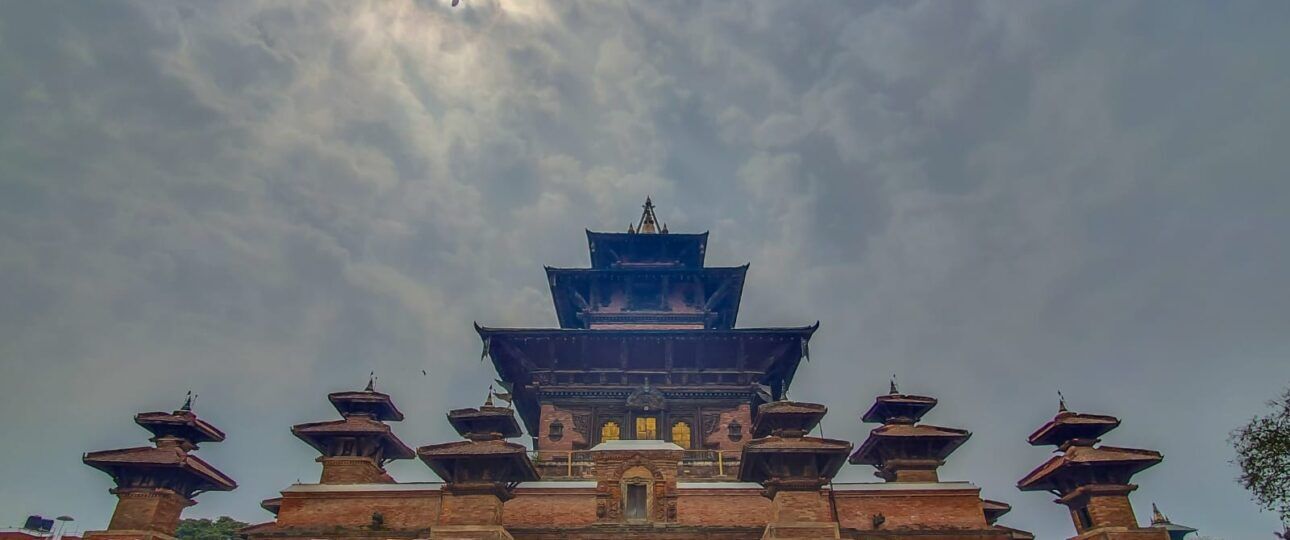
Many people associate Nepal only with high mountain trekking. In practice, much of the country can be explored at low altitude and at a comfortable pace. You can see Himalayan views, walk through historic cities, and visit wildlife reserves without committing to long hikes.
Travelers in their 60s, 70s, and beyond often choose Nepal because the main highlights are spread across a relatively compact area. Kathmandu Valley sits at around 1,300 meters. Pokhara is lower. Chitwan and Lumbini are in the plains. Distances between major stops are manageable, and daily walking can be adjusted to your comfort level.
For more than 16 years, we have arranged Nepal tours for seniors who prefer cultural depth, moderate pacing, and private transport instead of physically demanding routes. In our experience, careful planning matters more than fitness.
Are Nepal Tours Suitable for Seniors?
Yes. Nepal is suitable for seniors when the itinerary focuses on low altitude cities, private transport, realistic daily pacing, and comfortable hotels. Kathmandu sits at around 1,300 meters above sea level, and major destinations such as Pokhara, Chitwan, and Lumbini are lower. This allows older travelers to experience Himalayan views, heritage sites, and wildlife without high elevation exposure or physically demanding routes.
Overview of Nepal Tours for Seniors
These 10-day itineraries start and finish in Kathmandu and allow time for cultural landmarks and mountain views without rushing. The routing stays in low altitude areas and avoids unnecessary travel fatigue.
Each option includes a clear day-by-day outline, practical health guidance, and realistic travel times. Spring and autumn generally offer the most stable weather. Winter can also work well for cultural travel. We normally avoid the monsoon months due to heavy rain and road conditions.

All programs can be adjusted. Some travelers prefer slower mornings. Others ask for additional rest days or hotels with easier access to lifts. The program remains flexible.
If you prefer a higher comfort level, we also arrange private customized trips with upgraded hotels and a slower pace.
Why Nepal Is a Good Destination for Seniors
Nepal works well for older travelers because the country’s main cultural and scenic highlights are concentrated in a compact corridor between Kathmandu, Pokhara, Chitwan, and Lumbini. These locations sit at low altitude and are connected by short flights or manageable road journeys. You can see Himalayan panoramas, UNESCO World Heritage sites, river plains, and sacred Buddhist landmarks without long drives or high elevation exposure.
For seniors, the key difference is itinerary design. A well-planned Nepal tour avoids back-to-back long sightseeing days, limits early departures, includes mid-day rest time, and selects hotels with reliable lifts or ground-floor access. The experience feels comfortable when the pacing is realistic. The country itself has challenges, but they can be managed with proper routing.
Low Altitude Overview of Key Destinations
| Destination | Altitude | Walking Level | Best For |
|---|---|---|---|
| Kathmandu | 1,300 m | Light city walking | UNESCO heritage sites |
| Pokhara | 822 m | Easy lakeside strolls | Mountain views without hiking |
| Chitwan | 415 m | Minimal walking | Wildlife safari |
| Lumbini | 150 m | Flat garden paths | Spiritual and peaceful visits |
The following 10-day outlines show how a senior-friendly Nepal trip can be planned. Each option balances sightseeing with rest, short travel distances, and manageable walking time.
You do not need to follow these day by day. They serve as frameworks that can be adjusted based on energy levels, hotel preferences, and seasonal conditions.
Option 1: Cultural Gems of the Kathmandu Valley and Pokhara
This itinerary covers historic cities in the Kathmandu Valley and relaxed time by Phewa Lake in Pokhara. You’ll see old temples and enjoy boat rides, all with easy access and short drives.
The plan can be adjusted for slower mornings, fewer stops, or additional rest days.

Day 1: Arrive in Kathmandu
Fly into Tribhuvan International Airport. Our driver meets you and drives you to a hotel in Thamel. Rest after your flight. Enjoy a welcome dinner with Nepali momos (dumplings) and dal bhat (lentil curry). Meet your guide to plan the trip. You stay in Kathmandu tonight.
Day 2: Kathmandu’s Ancient Sites
Start with a gentle tour of Swayambhunath Stupa, called the Monkey Temple. It’s on a small hill with easy steps. See the big painted eyes and watch playful monkeys. Next, visit Kathmandu Durbar Square. Walk through the old palace courtyards and temples while your guide explains their history and cultural background. Lunch at a local cafe with fresh salads. Afternoon free for rest or Thamel shopping. Overnight in Kathmandu.
Day 3: Patan and Bhaktapur Day Trip
Drive 30 minutes to Patan. See the Krishna Temple and golden statues. Watch artists craft metal art. Then head to Bhaktapur, another old city. Walk the pottery square and try yogurt in clay pots. Both places are flat and easy. Return to Kathmandu by early evening and settle in for the night.

Day 4: Fly to Pokhara
Take a 30-minute flight to Pokhara. Check into a lakeside hotel with good views. Relax by Phewa Lake. Afternoon visit to the World Peace Pagoda. Drive up, then walk 20 minutes to see Annapurna mountain views. Overnight in Pokhara.
Day 5: Boat Ride and Caves
Morning boat ride on Phewa Lake to Tal Barahi Temple on an island. It’s calm and scenic. After lunch, explore Mahendra Cave or Gupteshwar Cave. These have short, lit paths with guides. No climbing needed. Evening free for souvenirs like pashmina shawls. You return to your hotel in Pokhara for the evening.
Day 6: Sarangkot Sunrise and Museum
Early 30-minute drive to Sarangkot for sunrise over the Himalayas. No hiking required. Enjoy breakfast back at the hotel. Visit the International Mountain Museum to learn about climbers and mountaineering life. It’s indoors and cool. Afternoon for spa or rest. Spend the night at your lakeside hotel in Pokhara.
Day 7: Free Day in Pokhara
Relax today. Stroll the lakeside promenade or sip tea at cafes. Visit Bindabasini Temple if you feel active. Or rest at your hotel with a book. Overnight in Pokhara.
Day 8: Return to Kathmandu
Morning flight to Kathmandu. Afternoon visit to Boudhanath Stupa, a huge Buddhist site. Walk the base, spin prayer wheels, and hear monks chant. It’s flat and peaceful. Evening shopping in Thamel. Overnight in Kathmandu.
Day 9: Pashupatinath and Leisure
See Pashupatinath, a sacred Hindu temple by the river. Watch rituals from a distance if you prefer less walking. Afternoon free for a cooking class or hotel time. Final night in Kathmandu before departure.
Day 10: Fly Home
Airport transfer at your scheduled time for your onward flight.
Practical Notes: Pack light layers, comfortable walking shoes, and personal medications. Daily schedules allow time for rest, and sites can be skipped if needed. Guides carry basic first aid and monitor pacing carefully.
For travelers who wish to see Mount Everest without hiking, a short Everest scenic flight can be arranged as an optional activity.
If you would like to adjust this itinerary for mobility needs, hotel preferences, or additional rest days, contact Mosaic Adventure directly.
Option 2: Wildlife and Nature Focus with Chitwan and Pokhara
This option combines Pokhara’s lakes with Chitwan National Park and emphasizes wildlife experiences using jeep safaris rather than long walks.

Day 1: Land in Kathmandu
Airport pickup to a Thamel hotel. Rest and enjoy a light Nepali dinner. Meet your guide. Overnight in Kathmandu.
Day 2: Kathmandu Highlights
Tour Swayambhunath and Kathmandu Durbar Square. Easy pace with breaks. Learn about Buddhist and Hindu culture. Free afternoon. Stay in Kathmandu tonight.
Day 3: Patan and Bhaktapur
Short drive to Patan for art and Bhaktapur for culture. Flat areas, no long walks. Try local snacks like yogurt. Return early. Overnight in Kathmandu.
Day 4: Travel to Chitwan
Drive or fly to Chitwan (5 hours drive). Check into a comfy jungle lodge. Evening talk by rangers about wildlife. Overnight in Chitwan.
Day 5: Jeep Safari in Chitwan
In the morning, you go on a jeep safari where rhinos and deer are commonly seen. Tigers are rare, but possible. The activity does not require long walks. Lunch at lodge. Afternoon canoe ride to spot crocodiles safely. Evening Tharu cultural dance show. Spend the night at your lodge in Chitwan.

Day 6: Elephant Bath and Village
Watch elephants bathe in the river (optional to join). Jeep tour to a Tharu village to see homes and crafts. Afternoon bird watching from the lodge. Relax. You spend the night at your lodge in Chitwan.
Day 7: Wildlife and Pokhara
Short morning safari or bird walk (easy path). Drive to Pokhara (4-5 hours). Check into lakeside hotel. Evening stroll if you like. Overnight in Pokhara.
Day 8: Pokhara Sights
Boat on Phewa Lake to the island temple. Visit caves or the mountain museum. Watch sunset. Overnight in Pokhara.
Day 9: Back to Kathmandu
Morning flight. Visit Boudhanath or shop in Thamel. Return to your hotel in Kathmandu for the night.
Day 10: Departure
Airport drop-off.
Practical Notes: Use insect repellent in Chitwan and stay hydrated during safari activities. Lodges typically provide air conditioning and comfortable bedding. Wildlife viewing schedules can be adjusted depending on energy levels and weather conditions.
For itinerary adjustments or accommodation upgrades, contact Mosaic Adventure directly.
Option 3: Spiritual and Scenic Mix with Lumbini and Mountains
This option centers on Lumbini and Pokhara, emphasizing shorter walking distances and quieter settings. The itinerary includes visits to Buddha’s birthplace and time near the Annapurna range, with moderate road travel and relaxed exploration.

Day 1: Arrive in Kathmandu
Land at Tribhuvan Airport. Our driver takes you to a Thamel hotel. Rest after your flight. Enjoy a welcome dinner with momos and curry. Meet your guide to discuss the trip. Overnight in Kathmandu.
Day 2: Kathmandu Temples
Visit Swayambhunath Stupa on a small hill. Easy steps lead to views of the city and painted stupa. Then explore Kathmandu Durbar Square’s old palaces and temples. Your guide explains the history. Lunch at a cozy cafe. Afternoon free to rest or shop. Overnight in Kathmandu.
Day 3: Patan and Bhaktapur
Drive 30 minutes to Patan. See the Krishna Temple and watch artisans make metal crafts. Next, visit Bhaktapur’s pottery square and old temples. Try local yogurt. Both sites are flat for easy walking. Picnic lunch. Return to Kathmandu. Overnight there.
Day 4: Travel to Lumbini
Take a 40-minute flight or 6-hour drive to Lumbini, Buddha’s birthplace. Check into a hotel near the sacred sites. Evening walk in the peaceful Lumbini gardens. Enjoy a quiet dinner. Stay overnight near the sacred garden area in Lumbini.
Day 5: Lumbini’s Holy Sites
Visit the Maya Devi Temple, where Buddha was born. See the sacred pond and Ashoka Pillar. Paths are flat and wheelchair-friendly. Explore nearby monasteries built by countries like Thailand or Sri Lanka. Lunch at a local restaurant. Afternoon meditation in the gardens if you like. Overnight in Lumbini.
Day 6: More Lumbini Exploration
Tour more monasteries, like the German or Chinese ones. Learn about Buddhist styles. Short bus rides between sites. Visit Kapilvastu, a nearby ancient site, for a quick trip (1-hour drive). Afternoon free for rest or journal time. Dinner with local flavors. Overnight in Lumbini.
Day 7: Drive to Pokhara
Drive 5 hours to Pokhara. Check into a lakeside hotel with Annapurna mountain views. Relax by Phewa Lake. Evening stroll or cafe time if you want. Dinner at hotel. Overnight in Pokhara.
Day 8: Pokhara’s Peaceful Spots
Morning boat ride on Phewa Lake to Tal Barahi Temple. It’s a short, calm trip. After lunch, drive to the World Peace Pagoda. A 20-minute walk (or drive all the way) shows stunning mountain views. Visit the International Mountain Museum if you like. Evening free. Overnight in Pokhara.
Day 9: Return to Kathmandu
Take a 30-minute flight to Kathmandu. Visit Pashupatinath Temple, a Hindu holy site. Watch rituals from a distance if walking is tough. Respect customs by dressing modestly. Afternoon for shopping or a cooking class. Farewell dinner with your group. Final evening in Kathmandu before departure.
Day 10: Fly Home
Transfer to the airport. Depart with a quieter understanding of Nepal’s cultural and spiritual heritage.
Practical Notes: Bring a sun hat for Lumbini’s open areas and dress modestly at religious sites. Walking distances can be adjusted, and additional rest time can be built into the schedule if required.
Our Experience Designing Nepal Tours for Seniors
Since 2009, we have organized cultural journeys in Nepal for travelers in their 60s, 70s, and early 80s. Most guests are not looking for adventure. They want clarity, comfort, and steady pacing. Over the years, we have learned that small adjustments make the biggest difference: realistic transfer times, flexible start hours, hotel rooms near elevators, and guides who understand when to slow down.
Many of our senior guests travel as couples, while others join with adult children. Some prefer fully private arrangements. Others request customized routing based on mobility considerations. These tours are built around individual comfort rather than fixed group speed.
Practical Considerations for Senior Travel in Nepal
The points below address common questions from senior travelers regarding health, comfort, pacing, and preparation.
Health: It is sensible to have a routine medical check-up before travel and to discuss any recommended vaccinations with your doctor. Kathmandu sits at approximately 1,300 meters above sea level, and the itineraries on this page remain within low-altitude regions. If you feel tired during the trip, schedules can be adjusted.
Packing: Bring light layers, comfortable walking shoes, personal medications, sunscreen, and a small day bag. A power bank is useful for charging devices during sightseeing days.
Transportation and Hotels: Private vehicles and short domestic flights are used to reduce travel fatigue. Hotels are selected for comfort, and elevator access or ground-floor rooms can be requested.
Food and Diet: Meals can be prepared mild on request. Vegetarian options are widely available. Inform your guide in advance about allergies or dietary restrictions.
Money and Tipping: ATMs are available in major cities. Small cash is useful in local markets. Tipping your guides is customary but discretionary.
Safety and Weather: Nepal is generally safe for visitors. Spring and autumn provide stable weather, while winter remains suitable for cultural travel. Monsoon months are less predictable due to rain and road conditions.
We have been organizing senior-focused cultural journeys in Nepal since 2009. Experience has shown that realistic pacing, thoughtful hotel selection, and careful routing make the greatest difference for older travelers.
Who These Nepal Tours Are Best For
| Suitable For | Not Ideal For |
|---|---|
| Travelers aged 60+ | Those seeking high altitude hiking routes |
| Older couples wanting cultural depth | Adventure-focused mountain expeditions |
| Retirees preferring steady pacing | Fast-paced multi-city backpacking |
| Guests requiring private transport | Independent budget travel with heavy luggage |
Frequently Asked Questions
These are the practical questions we receive most often from travelers aged 60 and above who are considering a cultural tour in Nepal.
Is Nepal a realistic destination for travelers over 60?
Yes, when the itinerary is designed around low altitude cities and realistic pacing. Kathmandu sits at about 1,300 meters, and Pokhara, Chitwan, and Lumbini are lower. Sightseeing involves short walks between monuments, not long hiking days. The key is avoiding rushed schedules and unnecessary internal transfers.
How physically demanding are these tours?
They are not trekking-style programs. Most days involve two to four hours of light sightseeing broken into segments, with time for lunch and rest. A reasonable level of mobility is helpful, especially for uneven stone paths in old city areas, but no special training is required.
When is the best time for seniors to visit Nepal?
March to May and September to November offer the clearest skies and comfortable daytime temperatures. Winter, especially December, also works well for cultural travel, though evenings can be cold. Monsoon season from June to August brings heavy rain and slower road conditions, so we usually avoid it unless travel dates are fixed.
Are these tours wheelchair accessible?
Some areas are manageable, others are not. Hotels with lifts or ground-floor rooms can be arranged. Lumbini has flat pathways and is easier to navigate. Older palace squares in Kathmandu and Bhaktapur have uneven stone surfaces. If mobility is limited, routes and site selection should be discussed in advance so expectations are clear.
Is altitude a concern on these itineraries?
No. We keep these tours in low elevation cities and plains, so there is no exposure to high mountain conditions.
What type of accommodation is used?
Most guests stay in well-located three-star or boutique hotels with private bathrooms and reliable services. We focus more on location, cleanliness, and elevator access than brand names. Upgraded properties can be arranged if preferred.
Is Nepal safe for older travelers?
Nepal is generally safe, and violent crime against visitors is uncommon. The more realistic concerns are traffic congestion, uneven pavements in heritage areas, and seasonal weather changes. We reduce risk by using private vehicles, licensed guides, and practical daily schedules. International-standard hospitals are available in Kathmandu and Pokhara. Travel insurance that includes medical evacuation and trip interruption is advisable.
What about food and dietary restrictions?
Meals can be prepared mild, and vegetarian options are widely available. If you have allergies or medical dietary needs, inform us in advance. In Nepal, it is always wise to ask how a dish is prepared rather than assuming.
How do we move between cities?
Private air-conditioned vehicles are used for road journeys. Where practical, short domestic flights reduce long driving hours. We avoid overnight transfers.
What should I pack?
Comfortable walking shoes, light layers, sun protection, personal medication, and a small day bag are sufficient for most trips. Even in warmer months, evenings can be cool, so one warm layer is advisable.
Can the itinerary be adjusted?
Yes. Start times, rest days, hotel category, and site selection can all be adapted. Some travelers prefer slower mornings. Others request fewer monument visits and more time in one location. If you are considering a fully tailored arrangement, you may review our private customized trips for additional flexibility.
How far in advance should I confirm?
For spring and autumn departures, confirming two to three months in advance is sensible, especially if specific hotel categories are requested. Outside peak seasons, timelines are more flexible.

If you would like to discuss dates, accommodation preferences, or mobility considerations, you can contact us directly.
Want more information? Send us your query, and our experts will get back to you within 24 hrs.

Jamuna Sharma is a partner and investor at Mosaic Adventure, bringing her extensive experience in finance and business to help us grow in adventure tourism. With over ten years in financial management and strategic planning, Jamuna’s skills are essential in shaping our operations and offerings.
Her love for travel is evident in her diverse experiences. Jamuna has trekked across various routes in Nepal, including the Everest Base Camp, Annapurna Base Camp and Annapurna Circuit. Internationally, she has explored the USA, UK, Thailand, UAE, and India, gaining a broad perspective on different cultures and landscapes.
Jamuna’s deep connection to both local and global travel enriches her writing, offering readers valuable insights into trekking in Nepal and beyond. Her dedication to supporting local businesses and promoting eco friendly tourism practices aligns with our mission at Mosaic Adventure.
