
Important Trek Planning Information
Following the August 2026 flash floods, trekking access around Syabrubesi may differ from the arrangements described in older travel guides and itineraries. Please check the latest information before relying on the route details published on this page.
Depending on local access and trail conditions, your journey may need to begin from Thulo Syabru instead of Syabrubesi.
To plan your trek with confidence, contact our team for the latest updates on route accessibility, transportation, and alternative trekking arrangements.
The Langtang Gosaikunda Trek is a high-mountain journey that connects the Langtang Valley with the sacred lakes of Gosaikunda. It is chosen by trekkers who want Himalayan scenery, local mountain culture, and a meaningful walking route without long travel days from Kathmandu.
This trek passes through Tamang and Lama villages, yak pastures, glacial valleys, and alpine lakes that are important to both Buddhist and Hindu communities. The route gradually climbs from forested hills to over 4,300 metres at Gosaikunda, giving trekkers a true high-altitude experience while staying on well-established trails.
The Langtang section of the trek follows the classic route of the Langtang Valley Trek, before turning south toward the lakes of Gosaikunda and Dhunche.
Who this trek is suitable for
- Trekkers who want a Himalayan experience without flying to Lukla
- People interested in both mountain scenery and local culture
- Those comfortable walking 5 to 7 hours per day at altitude
- Travelers who prefer established teahouse routes
Highlights of Langtang Gosaikunda Trek

- Around a dozen of holy lakes including Gosaikunda
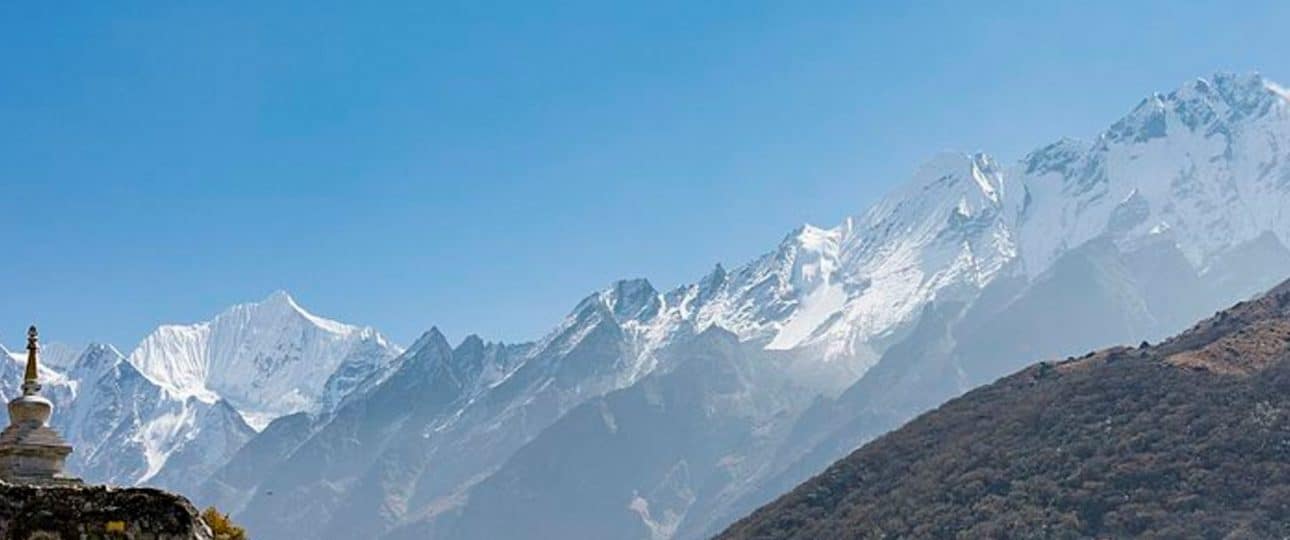
- Views of Langtang Lirung, Yala Peak, Langshisha
- Tibetan-influenced lifestyle and culture
- Diversified flora and fauna
- Friendly locals with stories to tell
- Buddhist shrines
You can do Langtang Gosaikunda in 14 days including the day of your arrival and sightseeing around Kathmandu. Here is a general itinerary of Langtang Gosaikunda Trek.
Want more information? Send us your query, and our experts will get back to you within 24 hrs.
Langtang Gosaikunda Trek Itinerary
Day 01: Arrival at Tribhuwan International Airport in Kathmandu
If you are traveling with a trek company, they will transfer you to your hotel from the TIA. If you have time, you can visit their office on the same day. The company will get your TIMS and Langtang National Park permit.
Day 02: Kathmandu sightseeing
The trekking agency’s guide will take you for sightseeing Kathmandu valley. You will visit major attractions including Pashupatinath, Swayambhunath, Boudhanath, and Bhaktapur Durbar Square.
If you are traveling on your own, you may find it a bit difficult to visit a number of sites in a same day.
Day 03: Kathmandu – Syabrubesi (8 hours drive, 1460 m)
After having morning breakfast, you will go to the bus station. The 8 hours bus drive through the beautiful countryside will lead you to Syabrubesi. You spend your night there in a lodge. The breathtaking view of Langtang mountains from Syabrubesi will exhilarate you.
Day 04: Syabrubesi – Lama Hotel(6 hours, 2420m)

You have to register your trekking permit in Syabrubesi. After crossing the suspension bridge over the Bhote Koshi River, you will walk following Langtang river through a beautiful village – Old Syabru. After crossing a bridge over Langtang River, the trek starts becoming more exciting with the amazing trail that crosses over streams and ascends through forests to reach to Pairo. The trek takes about 3 hours. People usually take a rest here and have their lunch.
Then you keep going uphill through the forest to Bamboo. After passing a suspension bridge and following the trail uphill, you will reach to Changtang which is famously called Lama Hotel.
Day 05: Lama Hotel – Langtang village (3430m, approximately 6 hours)
On the fifth day, you start the journey from Lama Hotel to Langtang village. One and a half hour trek through the forest takes you to Gumnachowk.
As you trek further to reach Ghoda Tabela, you are rewarded with a breathtaking view of Langtang Lirung. People usually take a lunch break here and give their legs a rest.
Then, the journey continues through pastures and forests to Chyamki. After crossing a suspension bridge, you will continue your journey for about an hour to Langtang village.
Walk around the village and explore beautiful waterfalls and panoramic view of Langtang Lirung, Gangchempu, and other mountains.
Day 06: Langtang – Kyanjin Gompa ( 3870m, approximately 4 hours)
This trek to Kyanjin Gompa is a short one. After climbing uphill trail and passing through a deserted village, and moraines, you reach to Kyanjin Gompa.
This was once a large settlement. Kyanjin Gompa sits on the lap of Langtang Lirung. You can visit Kyanjin Gompa and cheese factory there.
Kyanjin Gompa is made up of local stones and woods painted by white. Inside the Gompa are Buddha images and idols of ancestors. The fluttering prayer flags add to calmness to the peaceful atmosphere of Kyanjin Gompa. The culture of inhabitants of Kyanjin Gompa is closely associated with Tibet.
Hike to Tserko Ri or Kyanjin Ri from where you can witness the breathtaking view of Langtang peaks.
Day 07: Return to Lama Hotel (6 hours)
Now, it’s time to backtrack all the way through yak pastures, forests and downhill trail to Lama Hotel. While you descend downhill to Lama Hotel, you have to register your exit at the check post in Ghoda Tabela. You can stop there to have a lunch.
After the lunch, continue your journey trekking on the trails passing through dense jungles to Lama Hotel. You will spend your seventh night there.
Day 08: Lama Hotel – Thulo Syabru ( 2200m, 5 hours)

In the eighth morning of our trek, we trek downhill to the bank of Langtang River and trek alongside the river and forest to Pairo. You can stop there for a lunch. After the lunch, you will have to trek uphill for a couple of hours to reach to Thulo Syabru.
You can have a great view of Langtang Lirung and other peaks including Ganesh, Nayakhang and more. Walk around the village and visit the monastery and spend your night there.
Next stop, Sing Gompa.
Day 09: Thulo Syabru-Sing Gompa
In the ninth morning, you start the trek by ascending steep uphill till Phoprang Danda. Standing at the elevation of about 3200 meters, Phoprang Dada is an ideal place to see the sunset over Ganesh Himal.
About four hours walk from Thulo Syabru will take you to Sing Gompa where you can visit a cheese factory. The village is also called Chandan Bari.
Day 10: Sing Gompa – Gosaikunda (4381m, about 5 hours)
The 10th morning of our trek begins with ascending uphill to Cholang Pati. The picturesque view from there is worth every capture from the lens. The view of Langtang Himal strikes your eyes over and over again during the trek. Those magnificent Langtang, Ganesh, and Annapurna peaks are sure to make your trek refreshing.
As you reach Laure Binayak, you can take a break from the trek and enjoy a cup of tea. After that, you ascend steep uphill for a couple of hours and reach to a Buddhist shrine.
About an hour walk from the shrine takes you to a place from where you can see Bhairav Kunda and Saraswati Kunda. Ascend for some more time, you will reach to Gosaikunda. This holy lake carries a lot of value to the Hindu community. Hundreds of them flock to the lake during the full moon night of August.
You will stay overnight there in a lodge.
Day 11: Gosaikunda – Sing Gompa
As you spend the 11th morning of the trek exploring Gosaikunda, you will start your trek back to Sing Gompa after having a breakfast. Along the way, you will see beautiful sights of Langtang Lirung, Ganesh and Manaslu range.
Day 12: Sing Gompa – Dhunche ( 2090 m)
It’s the last day of your trek. After having breakfast, you descend downhill through villages and forests to Dhunche. You will trek across green lush forests of Bamboo, Pine trees, and Rhododendron.
You will spend the night in a Lodge in Dhunche and celebrate your successful trek with your guide and friends.
Day 13: Dhunche – Kathmandu (6-7 hours)
The next morning, you will travel by a bus from Dhunche to Kathmandu. During the entire travel, you will reminisce about the amazing trek you just completed. You will have a great story to tell your friends back in your country.
After you reach your hotel, you can take a rest. Or, spend your time shopping or celebrating the achievement.
Day 14: Fly back to your country.
Altitude and Walking Time
| Day | Place | Altitude (m) | Walking Time |
|---|---|---|---|
| 3 | Syabrubesi | 1,460 | Drive |
| 4 | Lama Hotel | 2,420 | 6 hrs |
| 5 | Langtang Village | 3,430 | 6 hrs |
| 6 | Kyanjin Gompa | 3,870 | 4 hrs |
| 10 | Gosaikunda | 4,381 | 5 hrs |
| 12 | Dhunche | 2,090 | 5 hrs |
Altitude and safety
The highest point of this trek is Gosaikunda at 4,381 metres. At this altitude, some people may experience altitude-related symptoms such as headache, nausea, or fatigue. Walking slowly, drinking enough water, and allowing time for acclimatisation helps reduce risk. If symptoms become serious, descending is the safest response.
Food and accommodations
Most villages on this route have teahouses that provide simple private rooms and hot meals. Prices increase with altitude because supplies are carried by porters or mules. Expect to pay more in Kyanjin Gompa and Gosaikunda than in lower villages.
Meals usually include dal bhat (rice, lentils and vegetables), noodles, soups, potatoes, eggs, and tea. Rooms are basic, normally with a bed and blanket. Most lodges provide charging and hot showers for a small extra cost, but availability depends on location and weather.
Langtang is often chosen by trekkers who want a quieter Himalayan route that still offers strong scenery and cultural depth.
Langtang Valley vs Langtang Gosaikunda Trek
Some trekkers choose to walk only the Langtang Valley, while others continue to Gosaikunda. Both routes are scenic but offer different experiences.
| Feature | Langtang Valley Trek | Langtang Gosaikunda Trek |
|---|---|---|
| Highest point | Kyanjin Ri or Tserko Ri (around 4,900 m) | Gosaikunda Lake (4,381 m) |
| Duration | 7 to 10 days | 12 to 14 days |
| Scenery | Glaciers, valleys, peaks | Valleys plus sacred alpine lakes |
| Cultural focus | Tamang and Lama villages | Village life plus pilgrimage sites |
| Difficulty | Moderate | Moderate to challenging |
| Best for | Shorter treks | Longer, more varied journeys |
Best season for Langtang Gosaikunda Trek
The trek can be done in several months of the year, but weather, trail conditions, and visibility change with each season.
| Season | Months | Weather | Trail conditions | Who it suits |
|---|---|---|---|---|
| Spring | March to May | Mild and clear | Dry trails, blooming forests | Most trekkers, photographers |
| Summer / Monsoon | June to August | Warm, rainy | Slippery trails, cloudy views | Quiet trekking, fewer crowds |
| Autumn | September to November | Cool and stable | Best visibility, dry paths | First-time trekkers, long views |
| Winter | December to February | Cold, possible snow | Snow near Gosaikunda | Experienced trekkers only |
Frequently asked questions
These are some of the most common questions trekkers ask when planning the Langtang Gosaikunda route.
How difficult is the Langtang Gosaikunda Trek?
This trek is considered moderately challenging. You walk 5 to 7 hours most days, with some steep ascents near Sing Gompa and Gosaikunda. The altitude above 4,000 metres makes the trek more demanding than Langtang Valley alone.
Do I need a guide for this trek?
A licensed guide is required for trekking in this region. Guides help with navigation, permits, local communication, and safety, especially when crossing high areas such as Gosaikunda.
Is Gosaikunda safe to trek?
Yes, when walked at a proper pace with enough acclimatisation. The main risk is altitude sickness due to the lake’s height. Walking slowly and staying hydrated helps reduce this risk.
What permits are needed?
You need a Langtang National Park permit and a TIMS card. These are usually arranged in Kathmandu before the trek begins.
Can beginners do this trek?
People with good fitness and some hiking experience can complete this trek. Those new to trekking should allow extra days and walk with a guide to manage altitude and pacing.
Is drinking water available on the trail?
Yes. Most teahouses provide boiled or filtered water. Using purification tablets or a filter is recommended.
In summary
The Langtang Gosaikunda Trek combines high mountain landscapes, traditional villages, and sacred alpine lakes into one continuous route. It starts in the green valleys of Langtang and ends in the spiritual setting of Gosaikunda, making it both a scenic and cultural journey.
With teahouse accommodation, established trails, and access from Kathmandu, this trek suits people who want a meaningful Himalayan experience without complex logistics. It is a balanced choice for those seeking mountains, culture, and walking adventure in one trip.
Do you need any information on Langtang region treks? Or trekking in any part of the country? You can contact us to get detailed information on trekking in Nepal and our travel packages.
Want more information? Send us your query, and our experts will get back to you within 24 hrs.

Madhav Prasad is a seasoned trekking and tourism expert with over two decades of experience in the field. Starting his career in 2001 as a porter, Madhav quickly advanced to the role of trekking guide, gaining invaluable hands-on experience in Nepal’s diverse trekking routes. In 2009, after eight years of dedication to the industry, he co-founded Mosaic Adventure, a leading trekking and tour company known for its commitment to safety, sustainability and personalized service.
Madhav has personally trekked to nearly every major trekking destination in Nepal, including Everest Base Camp, Annapurna Base Camp, the Annapurna Circuit, Poon Hill, Jomsom Muktinath, the Indigenous Peoples Trail, Langtang Valley and Mardi Himal, among others. His experience extends beyond Nepal, as he has also successfully summited Mount Kilimanjaro, Africa’s highest peak.
In addition to his extensive trekking credentials, Madhav is well traveled globally, having explored countries such as Australia, the USA, the UK, France, Japan, China, and many others. His global exposure enhances his ability to understand and cater to the diverse needs of international trekkers.
Madhav is the primary point of contact for many clients at Mosaic Adventure, personally addressing inquiries and helping plan treks with a meticulous and personalized approach. His deep knowledge of Nepal’s trekking routes, combined with his global travel experience, ensures that every trek is well planned, safe and unforgettable.
