Pokhara looks easy on a map. In reality, how you arrange your time here makes the difference. Mountain viewpoints sit above the city, short hikes involve real climbing, and lake time is best saved for later in the day.
This guide is for travelers with 1 to 5 days in Pokhara who want a realistic plan. Some arrive before a trek. Others come after. A few only have time for sightseeing. The pacing should change depending on which one you are.
Instead of listing random things to do in Pokhara, this guide organizes practical itineraries by trip length. Each section reflects real road distances, sunrise timing, walking effort, and how visitors actually experience the city on the ground.
How to Plan Your Pokhara Itinerary
Some travelers try to fit everything into one rushed day. Others stretch simple sightseeing across too many days. The right Pokhara itinerary depends on how long you stay and what kind of experience you want.
Below, you will find realistic day plans for 1 day, 2 days, 3 days, 4 days, and 5 days in Pokhara. Each option balances major attractions such as Sarangkot sunrise, Peace Pagoda, Phewa Lake boating, and short Annapurna hikes without unnecessary backtracking.

How Many Days Do You Need in Pokhara?
- 1 day: Enough for Sarangkot sunrise, lake boating, and one cultural stop.
- 2 days: Adds either a short overnight hike or deeper lake exploration.
- 3 days: Ideal for Poon Hill or a proper village trek.
- 4 days: Allows loop routes without retracing steps.
- 5 days: Suitable for a short Annapurna Base Camp plan if you are fit.
For most people, 2 or 3 days feels right. Long enough to see the mountains clearly. Short enough that you do not start repeating the same lake walks.
If you only have one day, it is still enough for Sarangkot sunrise, a short loop around the lake, and one cultural stop, but you will need to keep the pacing tight. Two days is usually the point where Pokhara starts to feel relaxed rather than rushed.
Pokhara Travel Snapshot
Best Time to Visit Pokhara
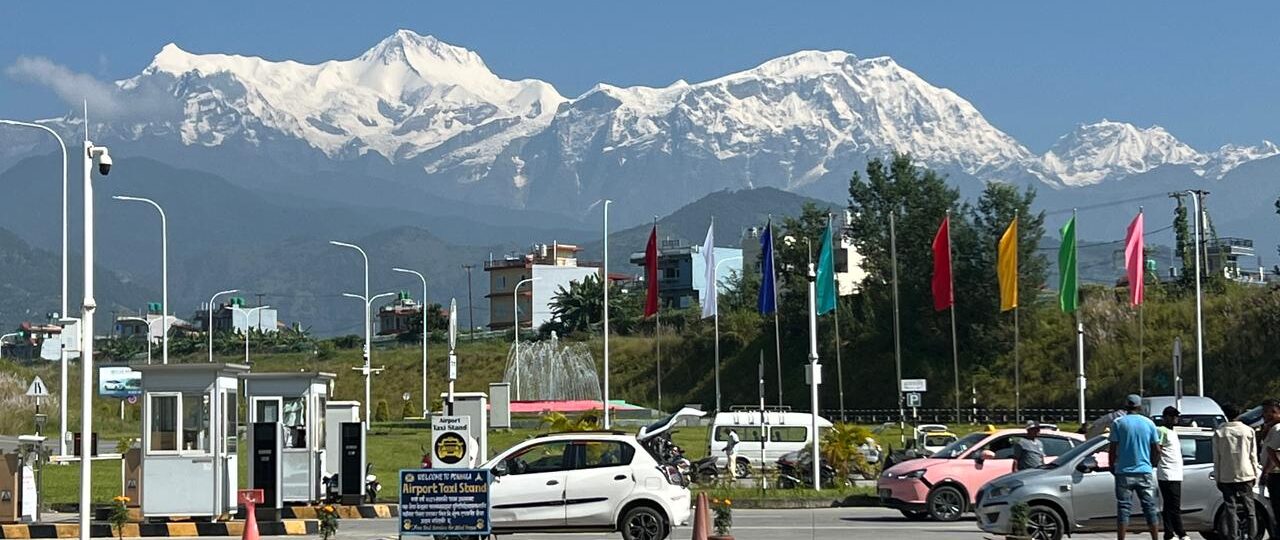
October to November and March to April are the safest months for clear mountain views. If you want Annapurna and Machhapuchhre sharp and bright at sunrise, those are your best windows.
If you are still choosing travel dates for the country as a whole, start with our guide to the best time to visit Nepal, then use this Pokhara section to plan your mornings and day pacing.
Winter mornings can be beautifully clear, but expect real cold before sunrise. From June to September, clouds often sit over the valley for days. You may not see the peaks at all during a short visit.
Getting Around Pokhara
- Taxis are affordable and easy for short distances.
- Scooter rental works well for confident riders.
- Private car with driver is best for sunrise trips and multiple stops.
- Lakeside area is walkable.
Where to Stay
Lakeside is the most convenient base for short visits. It is close to Phewa Lake, restaurants, and boat docks. For quieter stays, look slightly north of the main Lakeside strip.
Permits for Short Treks
If your itinerary includes Australian Camp, Poon Hill, Mardi area, or Annapurna Base Camp routes, you will need an Annapurna Conservation Area Permit. A licensed guide is required for most trekking routes.
Mountain Visibility and Daily Weather Pattern
Mountain views in Pokhara are usually clearest between sunrise and 9 AM. Clouds often build by midday, especially outside peak autumn season. If sunrise is important, keep one flexible morning in your schedule in case of poor visibility.
Many visitors head to Sarangkot too late. By 10 AM, haze usually softens the peaks. Go up early. Leave the caves, waterfalls, and museum for later when the clouds start building.
From June to September, monsoon rain can block views for days. Winter mornings are often clear but colder before sunrise. Afternoon haze is common in late spring.
One Day in Pokhara: Smart Day Plan Without Rushing
If you have only one day in Pokhara, focus on elevation, lake views, and one short walk. Do not try to fit everything. Mountain views are clearest in the morning, so structure your day around that.
With just one day, most people choose Sarangkot at sunrise, a boat ride on Phewa Lake, the Peace Pagoda, and one short stop like Davis Falls or Gupteshwor Cave. More than that, and the day starts feeling rushed.
This one-day Pokhara itinerary works best for travelers who want a balanced mix of sunrise, light walking, and classic attractions without long transfers.

Option 1: Australian Camp Short Hike
If you prefer a half-day Himalayan walk instead of only viewpoints, Australian Camp is the most realistic choice from Pokhara. It gives you Annapurna views without committing to a full trek.
The trail starts from Phedi, about 45 minutes by car. The climb is steady but not technical. Expect stone steps, village paths, and open ridges. On clear days Machhapuchhre stands directly in front of you.
Many travelers compare this to a shorter version of the Poon Hill trek, but it requires less time and lower elevation.
Quick Facts
Difficulty: Moderate
Max elevation: 2,065 meters
Walking time: 5 to 6 hours round trip
Start point: Phedi
How to structure the day: Leave Pokhara after early breakfast. Reach Phedi by 8 AM. Walk up through farms and pine forest. Have tea at Australian Camp. Descend toward Kande and drive back. You return to Lakeside by late afternoon.
This works well if you want movement without exhaustion.
Option 2: Sarangkot Sunrise and Peace Pagoda Loop
This is the most efficient Pokhara day trip for first-time visitors. It covers sunrise, lake views, waterfalls, and cultural sites in one loop.
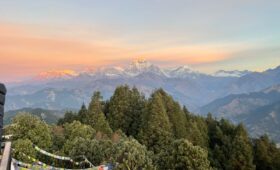
Start before sunrise and drive to Sarangkot. The road takes around 30 to 40 minutes depending on traffic. From the viewpoint you see Annapurna South, Hiunchuli, and Dhaulagiri on clear mornings.
After sunrise, return toward town and continue to Davis Falls and Gupteshwor Cave. These are short stops, not long visits. From there cross Phewa Lake by boat and walk up to the World Peace Pagoda. The climb takes about one hour on stone steps.
Quick Facts
Difficulty: Easy to moderate
Max elevation: 1,592 meters at Sarangkot
Best for: Classic highlights in limited time
Total sightseeing time: 6 to 8 hours
If you still have energy, visit the International Mountain Museum in the afternoon. It gives context to the trekking region without needing to go into the mountains.
Option 3: Adventure-Focused Day
If you are not interested in temples or museums, you can build a more active day around sunrise and adventure sports.
Start at Sarangkot for sunrise. From there, continue to Kushma for the 328-meter bungee jump over the Kali Gandaki Gorge. The drive takes about one hour. Morning slots are calmer in terms of wind.
Another option is Upper Seti River rafting. It runs class II to III rapids and works well for beginners. The rafting section is short but scenic. Operators usually include transport from Pokhara.
Keep the schedule realistic. Combining sunrise, bungee, and rafting in one day is possible but physically tiring.
Option 4: Lakes and Slow Travel
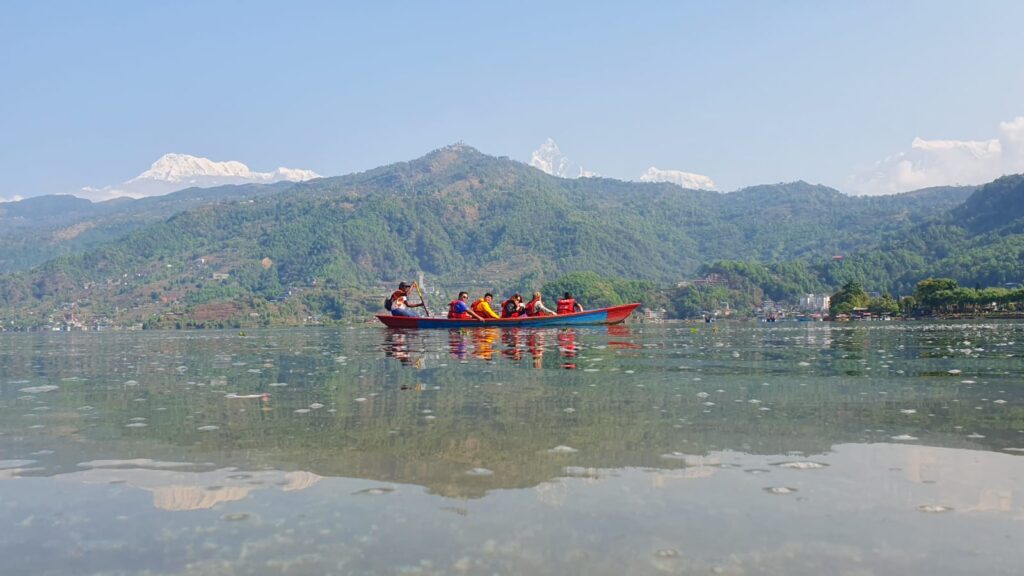
If your goal is not speed but atmosphere, stay closer to the water. Begin with sunrise at Sarangkot or Pumdikot, then spend late morning boating on Phewa Lake. Visit Tal Barahi Temple in the center of the lake.
In the afternoon, drive 25 minutes to Begnas Lake. It is quieter than Lakeside and less commercial. Combine it with a short walk through the old Pokhara Bazaar or a visit to Matepani Monastery.
This version suits couples, photographers, and travelers recovering after a trek.
2 Days in Pokhara: A Balanced Itinerary
Two days changes the feel of Pokhara. You can see the main viewpoints without cramming them into one long day. There is time for a short overnight hike or a slower morning by the lake.
This works well if you want a taste of trekking but still want the city highlights.
Option 1: Australian Camp Overnight
If you want to experience the Annapurna foothills without committing to a long trek, an overnight at Australian Camp makes sense. It keeps elevation moderate and travel time short.
Quick Facts
Difficulty: Moderate
Max elevation: 2,065 meters
Best for: First overnight hike
Start point: Phedi
Day 1
Leave Pokhara after breakfast and drive to Phedi. The climb takes around five hours at a steady pace. You pass small farms and open ridges before reaching Australian Camp. Stay in a teahouse. Sunset views are often clearer than morning if clouds build later in the day.
Day 2
Wake early for mountain views. After breakfast walk 45 minutes down to Kande and drive back to Pokhara. You reach Lakeside by late morning. Spend the afternoon boating on Phewa Lake or visiting the Peace Pagoda.
This option keeps effort reasonable while giving you a real Himalayan overnight experience.

Option 2: Sarangkot and Begnas Combination
This plan works well for travelers who prefer day trips instead of sleeping in a mountain lodge.
Day 1
Start before sunrise and drive to Sarangkot. After sunrise return to town and visit Davis Falls, Gupteshwor Cave, and the International Mountain Museum. Keep visits short and move efficiently.
Day 2
Drive to Begnas Lake in the morning. It is quieter than Lakeside and less crowded. Take a boat ride or walk along the shore. On the way back, stop at the old Pokhara Bazaar or Bindhyabasini Temple.
This 2-day Pokhara plan suits families and travelers who want scenery without long uphill walking.
Option 3: Short Poon Hill Version
If you want stronger mountain views and are comfortable with uphill steps, you can attempt a fast version of the Poon Hill trek. Keep in mind this is physically demanding within two days.
Quick Facts
Difficulty: Moderate
Max elevation: 3,210 meters
Best for: Fit hikers with limited time
Start point: Ulleri
Day 1
Drive early from Pokhara to Ulleri. Begin climbing toward Ghorepani. Expect five to six hours of steady uphill walking.
Day 2
Wake before sunrise and hike one hour up to Poon Hill for the panoramic view. Descend back to Ulleri and return to Pokhara by late afternoon.
This option gives you one of the best viewpoints near Pokhara, but it is tiring. If your schedule allows, adding an extra day makes the experience more comfortable.
Option 4: Village Stay in Ghandruk
Ghandruk is a traditional Gurung village with strong mountain views and easy access by road. It works well for travelers who want culture and scenery without heavy trekking.
Day 1
Drive from Pokhara to Ghandruk after breakfast. Walk through the village, visit the small museum, and enjoy sunset over Annapurna South.
Day 2
Visit nearby waterfalls such as Sahasra Dhara in the morning. After lunch return to Pokhara. If time permits, stop at Jhinu on the way for a short hot spring visit.
This is one of the more relaxed 2 days in Pokhara and suits mixed-age groups.
3 Days in Pokhara: Enough Time to Leave the Road Behind
Three days is when Pokhara stops feeling like a lakeside stopover and starts feeling like a mountain base. You can climb into the foothills, sleep higher, and still return without pushing too hard.
It does involve real uphill walking. Not extreme. But not casual either.

Poon Hill at a Natural Pace
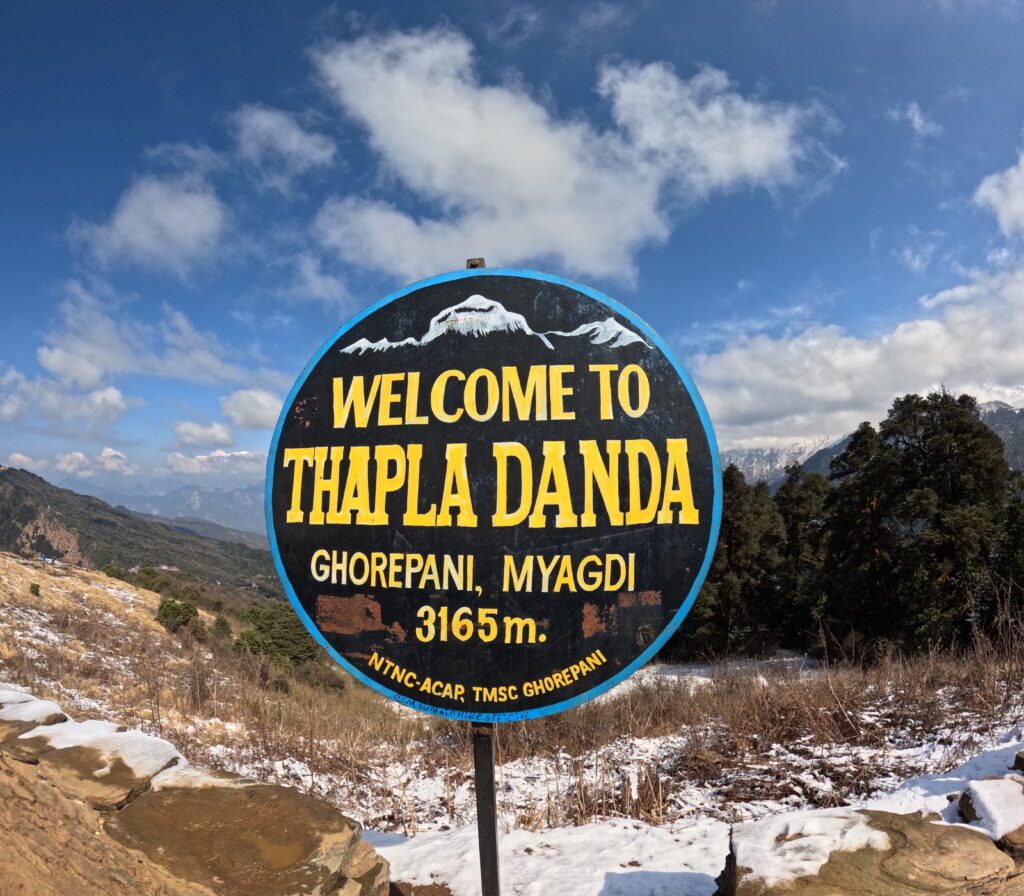
If your goal is a true Himalayan sunrise, Poon Hill is still the most reliable short option. The drive to the trailhead takes around two to three hours depending on road conditions. From there the walking begins immediately uphill.
Day one is steady climbing through villages and stone steps. Day two reaches Ghorepani. The third morning starts before sunrise. The climb to Poon Hill takes about one hour. On clear days you see Dhaulagiri, Annapurna South, Machhapuchhre, and a wide sweep of peaks.
The return descent is long. Knees take more strain going down than climbing up. Plan your pacing accordingly.
Full route details are available on our Poon Hill trek page. Here the focus is how it fits realistically into a 3-day Pokhara stay.
Ghandruk and Forest Ridge Walk
If you prefer a slightly quieter experience, drive to Ghandruk and walk toward Tadapani before looping back. This route feels less like a staircase and more like a forest transition between villages.
Ghandruk itself offers strong views of Annapurna South. Staying overnight in the village gives you cultural context without pushing altitude too quickly.
This option suits travelers who value village atmosphere as much as summit viewpoints.
4 Days in Pokhara: Loops Instead of Turnarounds
Four days gives you room to breathe. You are not rushing back down after sunrise. If one morning is cloudy, you still have another chance.
Ghorepani to Ghandruk Circuit
This route expands on the Poon Hill approach but avoids retracing the exact same path. After visiting Poon Hill, you descend through Tadapani and continue toward Ghandruk before returning by road.
The benefit of this extra day is rhythm. You spread climbing effort across more segments. You also experience different terrain, from dense rhododendron forest to open village terraces.
In spring, rhododendron bloom changes the entire trail atmosphere. In autumn, visibility is sharper but the trail can feel busier.
Mardi Himal Lower Section
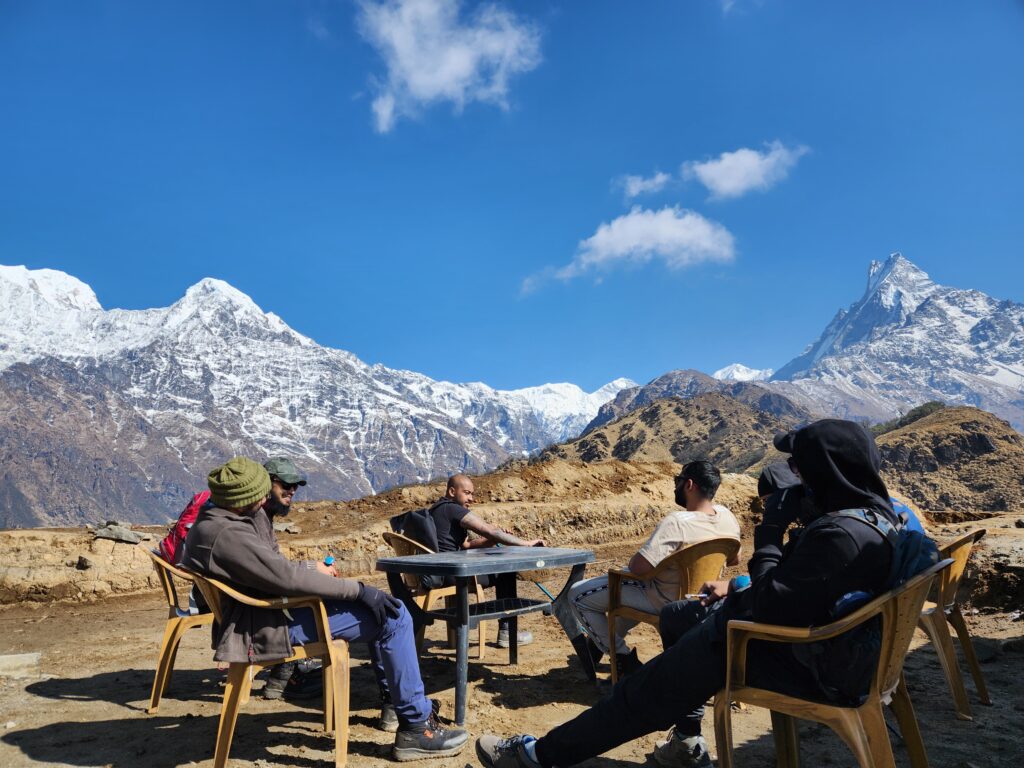
Four days is the minimum comfortable duration for the lower Mardi Himal route. Anything shorter becomes physically compressed.
The climb from Forest Camp to High Camp is sustained. Weather shifts quickly above tree line. Morning starts are important here. If clouds build, views disappear fast.
This route feels wilder than Poon Hill. Fewer villages, more ridgeline exposure. It is better suited for hikers who are confident on steeper paths.
For complete route breakdown, see our Mardi Himal trek page.
5 Days in Pokhara: Entering Higher Elevation Terrain
Five days is no longer a short side trip. You are heading into higher terrain, where how you pace yourself actually matters.
Annapurna Base Camp Short Version
A five-day Annapurna Base Camp plan from Pokhara is possible, but it is tight. Walking hours are long. Daily elevation gain is significant. This is not ideal for someone who has just arrived in Nepal without acclimatization.
The route moves from road access toward Chomrong, then deeper into the Modi Khola valley. Tree line gradually thins. By the time you reach base camp at 4,110 meters, the landscape feels enclosed by snow peaks on all sides.
The descent is faster but physically demanding on knees and ankles.
If you want a slower pace or side exploration, extend beyond five days. Detailed itinerary breakdown is available on our Annapurna Base Camp 5-day trek page.
Five-Day Ghorepani and Jhinu Route
This version spreads effort evenly and adds recovery time at Jhinu hot springs before returning to Pokhara. It feels less rushed than the 3-day Poon Hill version and gives more variation in terrain.
Extended Mardi Route
With five days, the Mardi Himal approach becomes more comfortable. You gain altitude gradually, reducing fatigue and allowing better weather windows for the viewpoint.
This option is quieter than the main Ghorepani trail but requires steady uphill tolerance.
Which Pokhara Itinerary Fits You?
| Days Available | Physical Level Needed | Best For | Altitude Exposure |
|---|---|---|---|
| 1 Day | Low to moderate | Highlights, sunrise, lake views | Below 1,600 m |
| 2 Days | Moderate | One overnight hike or deeper sightseeing | Up to 2,000 m |
| 3 Days | Moderate | Poon Hill or village trek | Up to 3,200 m |
| 4 Days | Moderate to strong | Loop treks, Mardi lower section | Up to 4,000 m |
| 5 Days | Strong | Annapurna Base Camp short plan | 4,110 m |
Common Mistakes When Planning a Pokhara Itinerary
Most itinerary problems in Pokhara come from overestimating how much can fit into one day and underestimating terrain. The city looks compact on a map, but elevation, weather, and road conditions change how your day unfolds.
- Stacking too much into one day. Sunrise at Sarangkot, a five-hour hike, and rafting in the same afternoon sounds efficient but usually ends in fatigue and missed views.
- Underestimating uphill stone steps. Routes like Ulleri toward Ghorepani are physically demanding. Even fit travelers feel the climb if they start too fast.
- Ignoring cloud buildup. Mountain views are usually best early morning. Waiting until midday often means haze or full cloud cover, especially outside peak autumn season.
- Choosing a tight 5-day base camp plan without preparation. A short Annapurna Base Camp itinerary is possible, but only if your body is ready for long walking days and elevation gain.
- No buffer for weather. If mountain views matter to you, keep at least one flexible morning in case visibility is poor.
Most problems here come down to timing. Change the order of your day, and the whole trip feels different.
After organizing hundreds of short Pokhara extensions before and after treks, we see the same planning mistakes repeated.
Before You Lock In Your Days
Pokhara looks small on a map. In reality, the difference between a good trip and a frustrating one often comes down to pacing.
If the mountains matter, wake up early.
If you do not enjoy long stair climbs, stick to village walks.
If you just finished a long trek, spend more time near the lake and less time chasing viewpoints.
Some travelers arrive with tight schedules and try to cover everything. Others leave wishing they had added one more night to go higher. There is no perfect formula. The right itinerary is the one that matches your energy, the season, and the weather you get that week.
Plan carefully, but stay flexible. That is usually enough.
Want more information? Send us your query, and our experts will get back to you within 24 hrs.
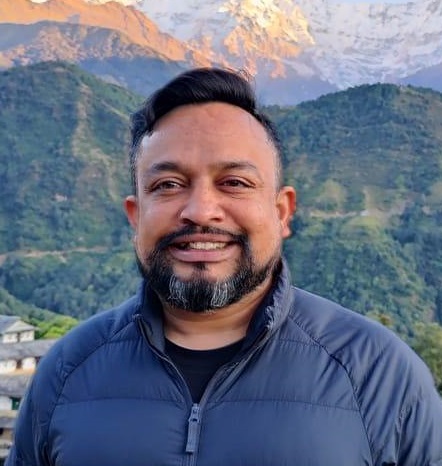
Rajendra Sapkota is the co-founder of Mosaic Adventure and a veteran in the trekking industry with over three decades of experience guiding adventurers through Nepal’s stunning landscapes. . His unparalleled knowledge of every trail, from the popular Everest Base Camp to the remote Upper Mustang, has earned him a reputation as a trusted authority on Nepal’s geography and culture. Raj’s passion for the Himalayas is matched only by his dedication to ensuring a safe and memorable journey for every traveler.
If you have any questions or need personalized advice to plan your trip to Nepal, you can reach out to him directly at [email protected].