
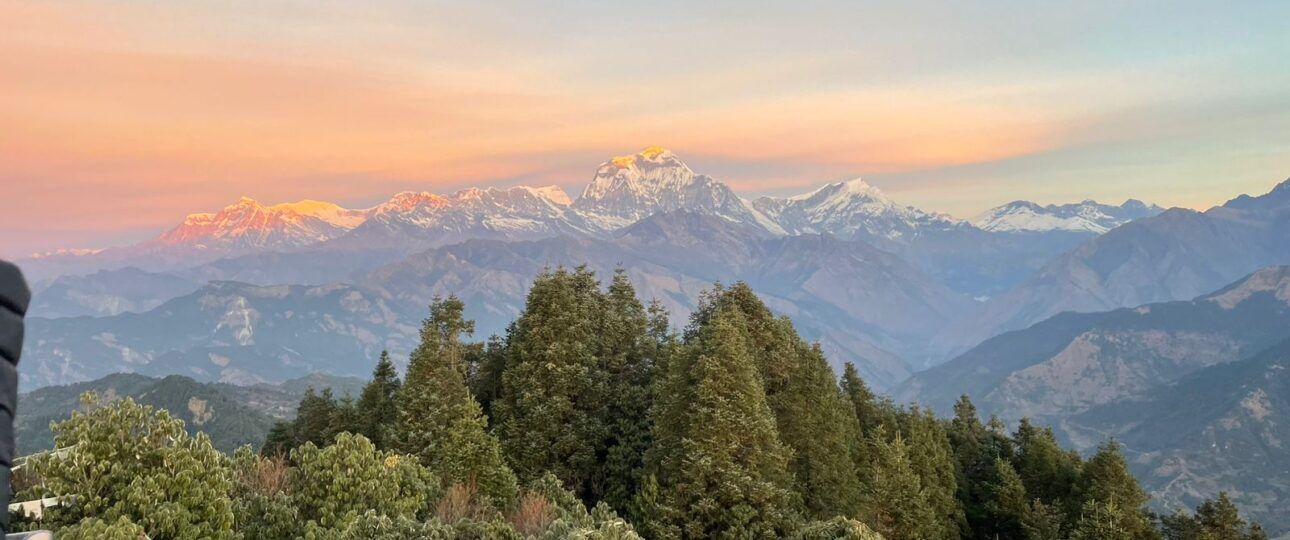
Quick Answer: Poon Hill Trek vs Mardi Himal Trek
Choose Poon Hill Trek if you want a short, easier trek with famous sunrise views, cultural villages, and comfortable tea houses. It is ideal for beginners, families, and travelers with limited time.
Choose Mardi Himal Trek if you want fewer crowds, higher altitude walking, closer mountain views, and a more adventurous trail. It suits trekkers with good fitness who want a quieter Himalayan experience.
By the end of this guide, you will clearly understand:
- Which trek matches your fitness level
- How scenery and crowds compare
- Cost, altitude, and difficulty differences
- Which trek is better for your travel style
Introduction to Trekking in Nepal
Most people come to Pokhara with a few days to spare and a vague idea that they want mountains. Two treks come up almost every time: Poon Hill and Mardi Himal. They start from the same general area, take roughly the same amount of time, and yet they feel surprisingly different once you’re actually on the trail.
Overview of Poon Hill Trek
The Poon Hill Trek is a well-known short trek in the Annapurna region. It typically takes 4 to 5 days and starts from Nayapul, which you can reach by road from Pokhara.

If you want details and a day-by-day plan, see our Poon Hill Trek itinerary.
The trek is easy to moderate. There are some steep sections (especially the Ulleri stairs), but most active travelers can manage it with a steady pace.
The main viewpoint, Poon Hill, sits at about 3,210 meters.
Poon Hill is famous for sunrise views over the Annapurna and Dhaulagiri ranges. The trail also passes through rhododendron forests in spring and villages where you can meet Gurung and Magar communities.
Want more preparation guidance? Read our helpful guide on Poon Hill Trek difficulty.
Overview of Mardi Himal Trek
The Mardi Himal Trek is one of the best short treks from Pokhara for travelers who want quieter trails and closer mountain scenery.
Most itineraries take 4 to 7 days, depending on your pace and route. You can also check our Mardi Himal Trek itinerary or this longer option: 5 Days Mardi Himal Trek.
Mardi Himal is usually rated moderate. The trek begins around Kande (near Pokhara) and climbs through forests and ridges to higher viewpoints.
The maximum point on many itineraries is around 4,500 meters (Mardi Himal Base Camp or viewpoint area, depending on the route and conditions).
Compared to Poon Hill, Mardi Himal is more remote, especially beyond Forest Camp. The ridgeline views of Machhapuchhre (Fishtail) and Annapurna South are a big reason people choose this trek.
For photo inspiration, you can also see best photos of Mardi Himal Trek.
Poon Hill vs Mardi Himal: Side-by-Side Comparison
| Feature | Poon Hill Trek | Mardi Himal Trek |
|---|---|---|
| Trek duration | 4 to 5 days | 4 to 7 days |
| Maximum altitude | 3,210 meters | Up to 4,500 meters |
| Difficulty level | Easy to moderate | Moderate |
| Best for | Beginners, families, short trips | Adventure seekers, fewer crowds |
| Mountain views | Annapurna, Dhaulagiri sunrise | Machhapuchhre, Annapurna South, Hiunchuli, Mardi Himal |
| Crowd level | Busy in peak season | Much quieter |
| Accommodation | Well-developed tea houses | Basic to moderate tea houses |
On mobile, swipe left to view all columns.
Itinerary and Altitude Overview
Many trekkers compare Poon Hill and Mardi Himal mainly by how many days they need and how high they will walk.
This quick overview shows the key itinerary and altitude differences without going into day-by-day details.
| Trek | Typical Duration | Starting Point | Highest Altitude | Daily Walking Hours |
|---|---|---|---|---|
| Poon Hill Trek | 4 to 5 days | Nayapul | 3,210 meters (Poon Hill) | 4 to 6 hours |
| Mardi Himal Trek | 4 to 7 days | Kande | Around 4,500 meters | 5 to 7 hours |
On mobile, swipe left to view all columns.
Altitude Gain and Acclimatization
Poon Hill stays below 3,300 meters, so altitude-related problems are rare for most trekkers.
Mardi Himal climbs higher, which means walking slower, staying hydrated, and allowing enough rest days becomes more important.
| Trek | Approximate Altitude Gain | Acclimatization Level | Overall Altitude Risk |
|---|---|---|---|
| Poon Hill Trek | About 2,000 to 2,200 meters | Easy | Low |
| Mardi Himal Trek | About 3,000 meters or more | Moderate | Medium |
On mobile, swipe left to view all columns.
Comparative Difficulty Levels
Poon Hill is forgiving. The trail is well-worn, tea houses are never far away, and 3,210m is low enough that most reasonably fit people do not feel the altitude much.
Mardi Himal is a step up, mostly because of the upper ridge above Forest Camp. The path narrows, the altitude starts to matter, and the tea houses get more basic. It is not a technical trek, but it rewards people who have some hiking experience behind them.
For a deeper look at what to expect physically, see our guide on Poon Hill Trek difficulty.
Scenic Highlights and Attractions
Poon Hill is known for sunrise views. On a clear morning, you can see Annapurna, Dhaulagiri, and other peaks glow as the sun rises.
The route also passes through forests and villages, which makes the trek feel lively and social.
The higher you go on Mardi Himal, the more Machhapuchhre takes over the skyline. At the upper ridge, it’s close enough to feel slightly overwhelming, not a distant peak in a panorama, but something right in front of you.
Cultural Experiences Along the Trails
Poon Hill passes through villages such as Ghorepani and Ghandruk where Gurung and Magar culture is visible in daily life, local food, and traditional homes.
Because the route is popular, the villages are used to trekkers and cultural interaction is easy.
Mardi Himal has fewer large settlements once you climb higher, so it feels more local and quiet. You might still meet people in small hamlets, but cultural experiences are less frequent compared to Poon Hill.
One key difference is exposure. Poon Hill villages are more visited and culturally open to tourism. Mardi Himal villages are quieter and feel more local, but cultural interaction is limited due to fewer settlements at higher altitude.
Accommodation and Amenities
Both treks use tea houses. Poon Hill has a stronger lodge network with more menu choices and a busier social vibe in peak season.
Mardi Himal tea houses are fewer and can feel more basic as you go higher, but many trekkers enjoy the calm atmosphere.
If comfort is your top priority, Poon Hill is the easier option. If quiet nights and a simpler mountain feel sound better, Mardi Himal is often the better match.
Cost Considerations
Costs depend on your trek length, season, and whether you hire a guide and porter. Both treks typically need permits for the Annapurna region.
Poon Hill often costs less because the trek is shorter and logistics are simpler. Mardi Himal can cost a bit more due to extra days and higher-altitude sections.
Ready to choose your trek?
If you want an easy classic Himalayan sunrise trek, explore our Poon Hill Trek package.
If you want a quieter, higher trek with close mountain views, see our Mardi Himal Trek package.
Best Time to Trek: Poon Hill vs Mardi Himal
Both treks work well in spring (March to May) and autumn (October to November). These are the peak seasons for a reason: clear skies, stable trails, and all tea houses open.
Poon Hill holds up better in winter. It stays low enough that cold nights are manageable and the trail stays accessible. Mardi Himal in winter is a different story: snow can close the upper ridge and some tea houses shut, so you need a flexible schedule and prior experience in cold conditions.
During monsoon, Poon Hill is doable if you are prepared for leeches, mud, and limited views. The upper sections of Mardi Himal get slippery enough in the rain that most guides recommend waiting for clearer months.
Frequently Asked Questions
Is Poon Hill Trek easier than Mardi Himal Trek?
Yes. Poon Hill is generally easier because it is lower (3,210 meters) and commonly chosen by first-time trekkers in Nepal and has a more developed trail and tea house network. Mardi Himal reaches higher altitude and can feel more demanding.
Which trek has fewer crowds?
Mardi Himal usually has fewer trekkers, especially beyond Forest Camp. Poon Hill can be busy in peak spring and autumn season because it is a classic short trek.
Which trek has better mountain views?
Both have great views. Poon Hill is famous for sunrise panoramas of Annapurna and Dhaulagiri. Mardi Himal gives closer views of Machhapuchhre and the Annapurna South face from ridge viewpoints.
Can beginners do Mardi Himal Trek?
Many beginners can do it with good fitness, a steady pace, and proper acclimatization, but it still feels more demanding than Poon Hill. If you prefer the easiest option for a first trek in Nepal, Poon Hill is usually the safer choice.
Which trek is better in winter or monsoon?
Poon Hill Trek is generally better in winter and monsoon because it stays lower and has better lodge access. Trails are well used and weather disruptions are easier to manage. Mardi Himal Trek can be more challenging in these seasons due to snow in winter and slippery ridges during monsoon, so it suits trekkers with experience and flexible schedules.
Conclusion: Which Trek is Right for You?
Poon Hill earns its reputation. The sunrise from the viewpoint is genuinely worth the early morning wake-up, the villages feel alive, and you won’t struggle to find a warm meal and a decent bed. If you’re new to Nepal or trekking in general, it’s the right call.
Mardi Himal is for people who’ve done a trek before and want something quieter, less infrastructure, more ridge time, and mountain views that feel almost too close. Not better overall, just different in the way that matters to a certain kind of trekker.
If you are still unsure, send us your travel dates, fitness level, and how many days you have. We can suggest the best itinerary and pace for your trip.

Madhav Prasad is a seasoned trekking and tourism expert with over two decades of experience in the field. Starting his career in 2001 as a porter, Madhav quickly advanced to the role of trekking guide, gaining invaluable hands-on experience in Nepal’s diverse trekking routes. In 2009, after eight years of dedication to the industry, he co-founded Mosaic Adventure, a leading trekking and tour company known for its commitment to safety, sustainability and personalized service.
Madhav has personally trekked to nearly every major trekking destination in Nepal, including Everest Base Camp, Annapurna Base Camp, the Annapurna Circuit, Poon Hill, Jomsom Muktinath, the Indigenous Peoples Trail, Langtang Valley and Mardi Himal, among others. His experience extends beyond Nepal, as he has also successfully summited Mount Kilimanjaro, Africa’s highest peak.
In addition to his extensive trekking credentials, Madhav is well traveled globally, having explored countries such as Australia, the USA, the UK, France, Japan, China, and many others. His global exposure enhances his ability to understand and cater to the diverse needs of international trekkers.
Madhav is the primary point of contact for many clients at Mosaic Adventure, personally addressing inquiries and helping plan treks with a meticulous and personalized approach. His deep knowledge of Nepal’s trekking routes, combined with his global travel experience, ensures that every trek is well planned, safe and unforgettable.
