
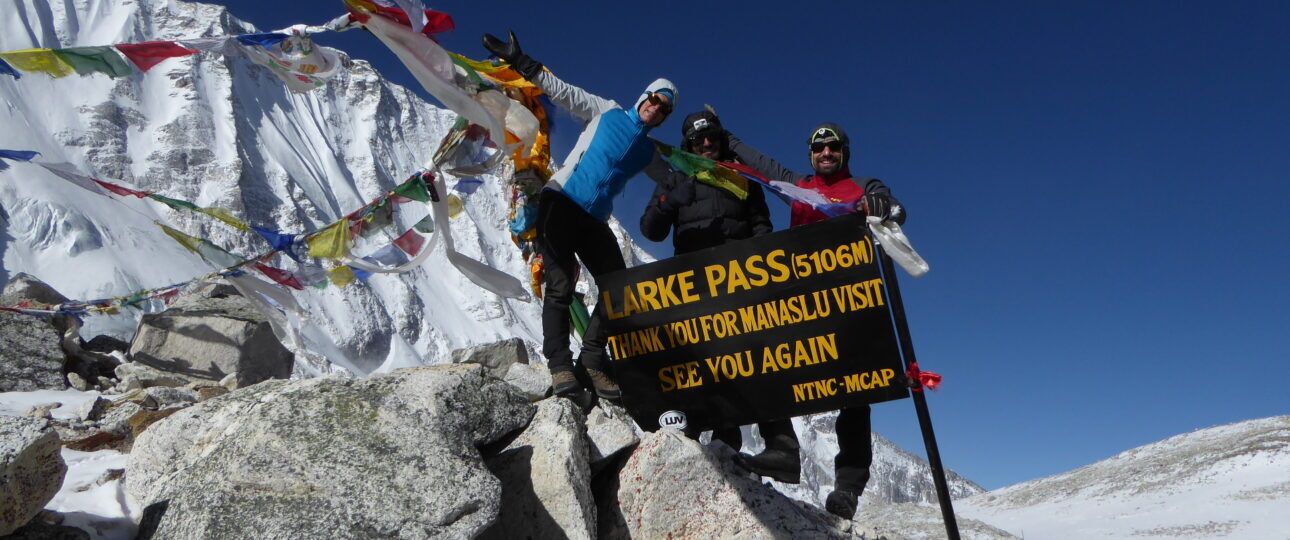
Quick Trek Facts You Should Know
- Difficulty: Moderate to Challenging (high altitude crossing Larkya La 5,106m)
- Best Season: Autumn (Sep to Nov) & Spring (Mar to May)
- Duration: 11 to 14 days (standard) with options to extend
- Distance: ~170 km (105 mi)
- Permits Required: MRAP, MCAP, ACAP (No TIMS) through a registered operator
- Fitness Needed: Good cardiovascular plus leg strength
- Solo Trek: Not allowed in restricted region
The Manaslu Circuit Trek is one of Nepal’s most rewarding journeys for trekkers seeking a quieter, more traditional Himalayan experience. The route circles Mount Manaslu, the world’s eighth-highest peak at 8,163 meters (26,781 feet), and passes through remote valleys shaped by Tibetan Buddhist culture.
Opened to trekkers in 1991, the Manaslu region remains a restricted and carefully managed area. This has helped preserve its landscapes, village life, and cultural traditions, making the trek feel noticeably different from busier routes like Everest or Annapurna.
Mosaic Adventure has been running responsible treks in Nepal for over 16 years. We know trekkers often have questions and concerns before starting a journey like this. This detailed FAQ guide gives you all the key details to help you address your concerns and prepare for a safe and fulfilling Manaslu Circuit trip.
Need help with planning? Our team is here to assist. Visit our Manaslu Circuit Trek page for more details.
Is the Manaslu Circuit Trek Doable for a Reasonably Fit Person? (Difficulty & Fitness)
Yes. With the right preparation, the Manaslu Circuit Trek is achievable for trekkers who have good cardiovascular fitness and are comfortable with long walking days. It is considered moderately strenuous because of long walking days and the high Larkya La Pass. Even experienced trekkers describe it as rewarding yet demanding due to remote terrain and altitude changes.

Key trekking expectations:
- Daily walking: ~5 to 8 hours with light daypack
- Altitude: Trail reaches up to 5106m at Larkya La Pass
- Surface: Mixed terrain from forest trails to rocky alpine paths
If you have completed other long treks like Annapurna Base Camp or Everest Base Camp, you’ll already understand how altitude affects trekking difficulty in Nepal.
How to Get Ready:
- Cardiovascular Fitness: Do regular cardio workouts like hiking, jogging, cycling, or swimming. Start this routine at least three to four months before your trek.
- Strength Training: Work on building strength in your legs and core. Exercises like squats, lunges, and step-ups can help.
- Practice Hikes: Take long walks or hikes while carrying a light backpack. This helps you get used to prolonged effort and lets you break in your trekking boots.
- Mental Fortitude: Staying positive and tough matters as much as being fit.
Is it Harder than Annapurna Circuit Trek? Yes, most trekkers find the Manaslu Circuit Trek harder than the Annapurna Circuit Trek (ACT). The difference comes down to these reasons:
- Rough Paths: The trails in Manaslu feel more natural and less developed, giving trekkers a true sense of being in the wild.
- High Altitude Passes: While Larkya La Pass sits at 5,106m and is shorter than Thorong La Pass at 5,416m on the ACT, you’ll spend more time on the Manaslu route at higher altitudes without as many established towns where you can rest.
- Fewer Comforts: Amenities like teahouses, Wi-Fi, or hot showers tend to be simpler and less available as you climb to higher points, compared to what’s offered on the ACT.
- Remote Villages: The Manaslu trek leads you into less accessible villages offering a richer cultural experience, with fewer modern comforts and deeper local interaction.
Comparison Table: On mobile, swipe left/right to view all columns.
| Aspect | Manaslu Circuit Trek | Everest Base Camp Trek (for context) | Annapurna Circuit Trek (for context) |
|---|---|---|---|
| Distance | ~170 km (105 miles) | ~130 km (80 miles) | ~160 to 230 km (100 to 140 miles) depending on start/end |
| Duration | 11 to 14 days (trekking) | 12 to 14 days (trekking) | 10 to 17 days (trekking) |
| Highest Point | Larkya La Pass (5,106m / 16,751ft) | Kala Patthar (5,545m / 18,192ft) | Thorong La Pass (5,416m / 17,769ft) |
| Difficulty | Moderately Strenuous / Challenging, more remote | Moderate to Strenuous, well-established | Moderate to Strenuous, diverse landscapes |
| Crowds | Less crowded, off-the-beaten-path | Very crowded, popular | Moderately crowded, very popular |
| Facilities | Basic teahouses, fewer amenities | Developed teahouse infrastructure, more amenities | Developed teahouse infrastructure, good amenities |
| Permits Required | Restricted Area, MCAP, ACAP | Sagarmatha National Park, Khumbu Pasang Lhamu Rural Municipality Fee | Annapurna Conservation Area, TIMS (if not restricted area) |
Further Reading: To explore more about this topic, we suggest checking out our in-depth guide on Manaslu Circuit Trek Difficulty.
What is the Ideal Season to Trek the Manaslu Circuit?
Choosing the right season for the Manaslu Circuit can significantly shape your experience. Understanding Nepal’s trekking seasons helps you avoid weather-related challenges. Weather, scenery, and trail conditions play a big role.
The top times to explore the Manaslu region fall within the two main trekking seasons:
- Autumn (September to November):
- Highlights: Many consider autumn the prime season. You’ll see steady weather, bright blue skies, and fantastic Himalayan views. The mild temperatures make trekking easier.
- Considerations: The trails might be crowded, and teahouses can feel busier (though fewer crowds than around Everest or Annapurna). Permits cost more during this popular season.
- Spring (March to May):
- Highlights: Spring is another great time to go. Clear skies are common, and the lower trails come alive with colorful rhododendron flowers turning the forests into something straight out of a fairy tale. The days start cool but get warmer.
- Things to Keep in Mind: The views are clear, though there might be some haze at times during May. As snow melts at higher areas, parts of the trails could become muddy or slippery in the season.
Times That Are Not Ideal:
- Winter (Late December, January, February):
- Difficulties: Temperatures drop low in higher areas and near Larkya La Pass. Heavy snow and ice can make the pass dangerous or even impossible to cross. Many teahouses beyond Samagaun usually shut down.
- Upsides: If you have good gear and know what you’re doing, you can enjoy complete peace and amazing clear views of the mountains, if the pass can still be crossed.
- Monsoon (June to August):
- Difficulties: Rain falls a lot, trails turn slippery, and leeches can show up in the lower parts. Clouds and fog often block the mountain views. Flights to or from Kathmandu often get delayed or even canceled.
- Pros: Vibrant green scenery, rare plants that bloom during the monsoon, and very few other hikers. With good rain gear and sturdy waterproof boots, it becomes a raw and thrilling adventure if you are okay with getting wet.

Why is Manaslu Unique? How Does it Compare to Everest and Annapurna? (Special Features)
The Manaslu Circuit Trek provides a unique appeal that separates it from Nepal’s popular trekking areas. It feels like a hidden treasure to those wanting a genuine and less crowded adventure in the Himalayas.
Main Features & Comparisons:
- Quieter and Less Traveled: What sets Manaslu apart is how untouched it feels. Unlike the crowded trails of Everest and Annapurna, Manaslu gives you peaceful trekking with way fewer people around. Most days, you’ll see your group and the locals surrounded by the beauty of nature.
- Complete Loop Experience: The Manaslu Circuit forms a full loop, so you never walk back over the same path. Starting at Machha Khola and ending at Dharapani or Besisahar, you get to see new landscapes, meet different communities, and take in fresh views each day.
- Larkya La Pass (5,106m / 16,751ft): Travelers face a tough climb when crossing this high-altitude pass, but it stands out as one of the most rewarding parts of the journey. It gives stunning wide-reaching views of the Himalayas showcasing sights like Mt. Manaslu, the Annapurna range, Himlung Himal, Cheo Himal, Kangaru, and many other snowy peaks.
- Tibetan-Rooted Culture: The trek takes you to Nubri Valley where Gurungs and Sherpas live with deep connections to Tibetan traditions. Along the way, you can see ancient monasteries, Mani walls, Chortens, and authentic Buddhist customs. The villages like Samagaon and Samdo feel like time capsules showing a way of life still untouched by heavy tourism.
- Wild Beauty and Changing Scenery: The Manaslu Conservation Area holds a mix of environments ranging from warm forests and stepped farmlands at lower levels to high alpine meadows and icy glacier valleys higher up. This route captures the raw, untamed beauty of nature at its best.
- Wildlife: The conservation area supports a variety of animals. While not its main goal, it shelters rare species such as the Snow Leopard, Himalayan Tahr, and numerous types of birds.
If you’re drawn to challenging trails, deep-rooted local culture, and quiet mountain landscapes, Manaslu offers an experience unlike any other trek in Nepal.
Is It Possible to Trek the Manaslu Circuit Alone? (Permit and Guide Rules)
No. Trekking the Manaslu Circuit independently is not permitted.
The Government of Nepal has marked the Manaslu Circuit as a restricted trekking zone. This policy helps protect its untouched natural surroundings and distinct culture, while also prioritizing trekker safety in this isolated region.
Important Rules:
- Group Rule: You need to hike with at least two people in your group (not counting the guide or porter).
- Certified Guide: It is required that you hike with a licensed trekking guide from Nepal, who is affiliated with a local trekking agency.
- Authorized Company: To arrange your trek, you must use a local trekking company registered with the government in Nepal. Permits cannot be obtained by solo trekkers.
Why Were These Guidelines Created?
- Safety: The Manaslu region is isolated, with tough landscapes and few nearby medical services. You need a skilled and knowledgeable guide to handle navigation, deal with emergencies like altitude sickness, and keep things safe overall.
- Local Economy: Requiring guides makes sure tourism supports local people by creating jobs for guides, porters, and owners of teahouses.
- Conservation & Regulation: This policy lets the government oversee tourism, supports responsible behavior, and protects the delicate environment and traditions in the Manaslu Conservation Area.
Our Promise at Mosaic Adventure:
Our skilled guides do more than just lead the way. They bring training, experience, and carry full first-aid kits, which even include oximeters to check your vital signs. This preparation helps them take quick action and make smart choices to keep you safe at all times. They also act as cultural guides helping you connect with the local customs and ways of life.
We can set up porters to handle your main bags. This leaves you free to walk with just a light daypack making the journey easier and much more relaxing.
How Can I Get Ready to Trek the Manaslu Circuit? (Steps for Physical and Mental Preparation)
Getting ready plays a key role in having a smooth and rewarding trek on the Manaslu Circuit. This involves building physical strength and preparing your mindset.
Getting Physically Ready (Start 3-6 Months Before):
- Cardiovascular Endurance: This is especially important at high altitude. Do exercises that keep your heart rate high over time:
- Hiking: The top choice for training! Begin with smaller hikes and slowly make them longer with steeper climbs. Practice both going uphill and downhill.
- Running/Jogging: Helps you build better stamina and stronger lungs.
- Cycling/Swimming: Great cardio workouts without putting stress on your joints.
- Stair Climbing/Stepmill: Prepares you for constant uphill sections during treks. Wear a light backpack (about 5 to 7 kg) while doing this to feel like you’re trekking.
- Strength Training: Pay attention to strengthening your legs, core, and back since these areas will take the most strain on your trek.
- Legs: Do squats, lunges, step-ups using a bench or chair, and simple calf raises.
- Core: Try planks, back extensions, and Russian twists.
- Flexibility: Stretch often to stop injuries and keep your movements smooth.
- Break in Your Boots: This is super important. Start wearing your hiking boots weeks or even months before your trek. This makes them comfier and stops blisters from ruining your hike.
Mental Preparation:
- Stay Positive: There will be tough parts during the trek. Keeping a good attitude will make it easier to get through them.
- Set Realistic Goals: Remember, this is a remote trek with limited facilities. Focus on enjoying the stunning scenery and unique culture instead of expecting luxury.
- Take Your Time: High altitude needs a slow and steady pace. Avoid trying to hurry.
- Do Your Homework: Learn all you can about the trek, the local traditions, and the challenges you might face like altitude sickness. This guide is a solid place to begin exploring!
Nick Perry, a happy trekker once said: “From my personal experience, doing the Manaslu Circuit Trek was a tough challenge that pushed my limits. I trained by walking on nearby trails and climbing lots of stairs, which prepared me to hike for 6-8 hours every day. The untouched beauty and achievement made it worth every step.”
When you prepare well, you lower the chances of having to quit the trek. Good preparation also makes this once-in-a-lifetime adventure way more enjoyable. People who are in decent shape face fewer problems with altitude sickness.

Altitude Sickness: What You Must Know
Altitude sickness is the top health challenge on Manaslu, especially for trekkers unfamiliar with high-altitude trekking in Nepal.. The most common forms are:
- AMS (Acute Mountain Sickness): Symptoms include headache, nausea, dizziness.
- HAPE (Pulmonary Edema): Fluid in lungs, very serious.
- HACE (Cerebral Edema): Brain swelling, life-threatening.
Prevention tips: Walk at a steady pace, stay well hydrated, avoid alcohol, and respect acclimatization days built into your itinerary. If symptoms worsen, descend immediately. Your guide monitors signs and oxygen levels daily.
What Are the Trek’s Start and Finish Points? (Logistics and Travel)
The Manaslu Circuit Trek follows a circular path, so it kicks off and wraps up in separate spots.
- Start Point: Most treks set off from Machha Khola.
- End Point: The trek finishes in Dharapani, which connects to the Annapurna Circuit.
Getting There from Kathmandu:
- Kathmandu to Machha Khola (Start):
- Via Local Bus: Taking a local bus costs about USD 10-15 per person making it the cheapest choice. The trip takes roughly 9 to 10 hours. These buses are usually crowded and not very comfortable. The road can get very rough after Arughat, which makes the ride bumpy.
- By Private Jeep: People often choose this option because it is more comfortable. The journey takes around 7 to 8 hours. Hiring a private jeep costs about USD 270-300 one way. Sharing the jeep with 4 to 5 passengers reduces the cost to USD 60-70 per person. This option provides better comfort, personal space, and safe luggage storage.
- Dharapani to Kathmandu (End):
- By Local Bus or Jeep: Travelers ride a local jeep from Dharapani to Besisahar, which takes around 3 to 4 hours. From Besisahar, they switch to a bus or another jeep to reach Kathmandu. The journey to Kathmandu altogether lasts about 9 to 11 hours.
- By Private Jeep: Returning by private jeep much like the initial trip, is more direct and offers greater comfort. This trip from Dharapani to Kathmandu takes about 7 to 9 hours and is a better choice to relax after a long trek.
Our team at Mosaic Adventure can arrange all your transportation needs, ensuring a smooth and hassle-free journey to and from the trailhead.
How Many Kilometers is the Manaslu Circuit Trek? (Distance and Duration)
Trekkers on the Manaslu Circuit Trail cover close to 170 kilometers (105 miles). This journey passes through a variety of landscapes starting with low-altitude forests and terraced farmlands before reaching high-altitude mountain passes.
It takes 11 to 14 days of trekking to finish the route. The exact time depends on your pace, the itinerary you pick, and whether you add extra days to adjust to the altitude or visit nearby spots like Manaslu Base Camp or Pungyen Gompa. This timeline gives enough room to adapt to the altitude, take in the breathtaking scenery, and experience the unique cultural traditions of the Manaslu region.
Are Permits Necessary to Trek to Manaslu? (Details on Permit Rules and Fees)
Yes, they are! Trekking in the Manaslu region demands multiple permits because the area is restricted. Its status under the Manaslu Conservation Area Project and closeness to the Tibetan border makes these permits essential. They allow you to enter and support both conservation and community progress.
Needed Permits for the Manaslu Circuit Trek:
| Permit | Who Needs It? | Cost (peak) | Cost (off-peak) |
|---|---|---|---|
| Manaslu Restricted Area Permit (MRAP) | All foreign trekkers | USD 100/7 days + USD 15/day | USD 75/7 days + USD 10/day |
| Manaslu Conservation Area Project (MCAP) | Foreign / SAARC | USD 30 / NPR 3000 | USD 30 / NPR 3000 |
| Annapurna Conservation Area Project (ACAP) | Foreign / SAARC | USD 30 / NPR 3000 | USD 30 / NPR 3000 |
Important Note: As the Manaslu Circuit is a restricted region trek that requires the MRAP trekkers don’t need a TIMS card for this journey. The restricted area permit takes the place of the TIMS card.
Our team at Mosaic Adventure will handle the entire permit application process for you, ensuring all necessary paperwork is in order before your trek begins.
What Is the Cost of the Manaslu Circuit Trek? (Budget and Inclusions)
The price of the Manaslu Circuit Trek depends on several things. These include how long the trek lasts, the number of people in your group, the type of service you select (basic, standard, or luxury), and whether you choose a local or international trekking company.
On average, a guided trek package with all essentials included, such as permits, guide services, a porter, transportation basic lodging, and meals, costs between USD $1,090 and $1,500 per person. This estimate is for a standard 11 to 14-day trek booked through a local operator like Mosaic Adventure. It does not cover international flights or personal extras such as tips.
Typical Costs and Their Breakdown (Rough Averages):
- Travel Expenses (Getting to and from the Trail):
- Local Bus (Kathmandu to Soti Khola or Besisahar to Kathmandu): Costs range between USD 10 to 15 per person one way.
- Private Jeep (Kathmandu to Soti Khola): The price falls between USD 270 and 300 for one jeep that can be shared.
- Private Jeep (Dharapani to Kathmandu): It costs around USD 300 to 350 per jeep, and like before, sharing is possible.
- Permit Fees (as mentioned in Q8): To do a regular 11 to 14-day trek in peak season, expect costs of about USD 160 to 200+ per person.
- Guide Fee: Around USD 40 to 50. This covers their stay, meals, and insurance. Hiring a guide is mandatory.
- Porter Fee: USD 25 to 35 per day, which includes their lodging, food, and insurance. A porter can handle 15 to 20 kg and is shared by two trekkers. Using a porter is suggested.
- Lodging: USD 8 to 15 for a room shared by two people each night. The cost goes up as the altitude increases.
- Meals: Expect to spend USD 30 to 50 daily for three meals. Costs rise at higher altitudes because of increased transport expenses.
- Other Costs:
- Charging devices costs between USD 2 and 5 an hour for each gadget, and the price rises as you go higher up.
- Hot bucket showers range from USD 3 to 6, though they’re harder to find in higher areas.
- Using Wi-Fi costs USD 3 to 8 per hour per device, but it can be spotty and pricey at greater altitudes.
- Buying bottled water or snacks gets more expensive the higher you go; bringing water purification tablets might be a good idea.
- Tipping your guide or porter isn’t mandatory but is both expected and appreciated.
- Bring your own snacks, drinks, and buy souvenirs along the way.
Worth of a Package: Choosing a package from a trusted operator like Mosaic Adventure often gives you more for your money. It combines most expenses, handles the logistics, takes care of permits, and includes skilled staff. This setup lets you enjoy the trek itself without worrying about managing daily costs or making plans.
To get a personalized quote based on what you want, check out our specific Manaslu Circuit Trek page.
What Kind of Places Will You Stay at During the Trek? (Teahouses & Comfort)
During the Manaslu Circuit Trek, trekkers stay in simple teahouses (sometimes called lodges or guesthouses). These are small, family-operated places made for trekkers. Staying here lets you get a taste of the local culture and daily life.
Common Amenities at Teahouses:
- Rooms: Most of the time, rooms come with two single beds meant for sharing. Each bed includes a foam mattress and a pillow. Blankets are available, but it’s a good idea to bring a warm sleeping bag (rated for temperatures as low as -10°C to -15°C) in colder weather or at higher elevations. Walls are made of plywood and can be thin, so keeping earplugs handy might help.
- Meals: Teahouses serve meals in a shared dining area. This space has a central stove, which is often fueled by wood or yak dung. The warmth it provides and the setup encourage trekkers to gather, relax, and exchange stories.
- Toilets: Most toilets are shared and can be either Western-style flush ones or traditional squat ones. At higher spots, the bathrooms get simpler and might be located outside your room. They don’t provide toilet paper, so it’s smart to bring your own.
- Showers: You can often find hot showers, either bucket-style or gas-heated, in the villages at lower or middle altitudes. It will cost you extra between USD 3-6. As you climb to places like Samdo or Dharmashala, getting a hot shower might not be an option because of limited supplies.
- Charging & Wi-Fi: Teahouses provide charging stations and Wi-Fi for some extra money. The internet connection tends to be slow or unreliable as you move up to higher elevations.
Camping Trekking: Though teahouses are the usual choice, camping treks can be planned too. These work well for big groups or people who want a tougher adventure. Our team takes care of setting up the camping gear sleeping arrangements, and food if this is the option you decide on.
Why Do Most People Choose Teahouse Trekking?
- Local Economy: Teahouse trekking brings direct benefits to local communities by creating income through meals, lodging, and jobs.
- Local Interaction: You get more chances to connect with locals and explore their traditions and way of life.
- Convenience: You need fewer items like tents or cooking tools, which lightens the load on you and the porters.
- Hygiene: Teahouses offer cleaner conditions compared to camping in remote regions.
- Warmth & Shelter: They serve as warm dry places to stay, which is especially important in cold weather.
Regardless of your preference, Mosaic Adventure ensures comfortable and well-organized accommodation and meals throughout your trek.
What Kind of Food Can You Expect on the Trek? (Meals and Nutrition)
Teahouses on the Manaslu Circuit serve up a fair range of dishes blending Nepali, Tibetan, and simple continental flavors. Meals tend to be filling, fresh, and geared toward giving you the energy you’ll need for the trek.
Typical Meals Available:
- Dal Bhat: Nepali meals almost always include this classic, and trekkers love it. It has lentil soup with boiled rice, vegetable curry, and occasionally a small serving of meat or pickle. The highlight? You can get free refills! It keeps you full, provides energy for hours, and is comforting.
- Tibetan Bread: This is a heavy fried bread. People often eat it with honey or jam during breakfast.
- Momos: These are Nepali-style dumplings filled with veggies or sometimes buffalo or chicken meat. They come with a spicy sauce on the side.
- Thukpa: This is a noodle soup that feels cozy and hearty. It includes meat or veggies.
- Tsampa: A traditional Tibetan mainstay made from roasted barley flour and combined with water or tea to create a dough.
- Noodle Soup, Fried Rice, Vegetable Curry: Popular vegetarian dishes often served.
- Porridge, Toast Eggs: Typical choices to start the day.
Key Things to Keep in Mind About Food and Safety:
- Grown: Most veggies in teahouses come from local farms and are organic. This is a great option.
- Meat Choices: Teahouses in lower areas may serve meat like chicken, yak, or mutton, but skipping meat at high altitudes is a safer bet. Without proper refrigeration during transport, the meat could spoil making food poisoning more likely. Ask your guide to confirm how fresh the meat is if you decide to have it.
- Staying Hydrated: Soups work well to stay hydrated.
- Bring Snacks: Pack your own energy boosters like nuts dry fruits, granola bars, or energy bars. These snacks give quick energy when you need it between meals and help keep your blood sugar steady on long hikes.
- Special Diet Needs: Let our team know if you follow a vegetarian, vegan, or gluten-free diet, or have any food allergies. Choices at higher altitudes can be limited, but teahouse owners find ways to meet your needs.
Our guides will make sure you can find clean and safe food choices during your trek.
Telecommunication and Wi-Fi in the Manaslu Region (Connecting)
The Manaslu region’s connectivity is getting better, but it’s still not on par with more popular trekking spots. You need to keep your expectations in check.
- Cell Phone Signal: Around half of the Manaslu Circuit trail has dependable cell phone coverage.
- Ncell vs. NTC: Nepal Telecom (NTC) and Ncell are the main mobile providers in the area. NTC tends to work better in higher and more remote locations, while Ncell often provides stronger coverage in the lower-altitude busier villages.
- Where You Can Get Signal: You might get a good signal in Kathmandu, Soti Khola, and sometimes in villages such as Jagat, Namrung, and Samagaun. Once you go above Samagaun toward Samdo Dharmashala, and Larkya La Pass, there’s almost no chance of finding cellular coverage.
- Wi-Fi Options:
- A few lodges in bigger villages like Namrung, Samagaun, or Samdo, may offer Wi-Fi, but you’ll need to pay extra (about USD 3-8 per hour per device).
- The connection is slow because it runs on satellite internet. It can also stop working if the weather gets bad.
- Satellite Phones: Teahouses in remote regions often provide satellite phones since normal cell signals don’t work in those areas. They let you make calls, but you’ll need to pay a per-minute fee.
- Pre-Trek SIM Card: To use a local SIM card, you should buy an Ncell or NTC SIM card with an internet plan in Kathmandu before starting your trek. A basic package costs under USD 10. You won’t be able to purchase SIM cards or recharge credit once you are on the trail.
Our Suggestion: Though some connection is available, take the Manaslu trek as a chance to unplug and connect with nature. Let your family and friends know about the restricted communication ahead of time. If any emergency happens, your guide can use his communication device.
Can I See Mount Everest During the Manaslu Circuit Trek?
Mount Everest is far from the Manaslu Circuit route and not directly visible on this trek. The views focus on Mt. Manaslu, Annapurna range, Ganesh Himal, and nearby peaks. If seeing Everest is a must, consider combining your Nepal trip with an Everest Base Camp Trek.
What Is the Drinking Water Like in the Manaslu Area? (Hydration and Safety)
Keeping yourself hydrated is crucial on high-altitude hikes like Manaslu. The area has water sources, but making sure the water is safe to drink is very important.
Options for Water Sources:
- Bottled Water: Most teahouses on the trail sell bottled water, but the prices climb as you go higher. At lower spots, it might cost around NRS 200 or USD 2, while at higher points, it can double to NRS 400 or USD 4 or more. However, this creates a lot of plastic trash, which is harmful to the environment especially in remote areas.
- Boiled Water: Teahouses also offer boiled water if you pay a fee. Since the boiling process kills germs, it is a safer and more eco-friendly choice than bottled water.
- Getting Water from Taps or Springs: You’ll find water taps and natural springs scattered along the trail, often appearing every one to two hours of walking. Locals and guides often drink straight from these spots since the water from the mountains tends to be cleaner than what you’d get in the city.
- Using Purification Methods: This is one of the smartest and eco-friendly ways to treat water:
- Purification Tablets or Drops: Pack plenty of these. They are easy to carry and effective at wiping out bacteria and viruses.
- Filtered Bottles or Systems: Personal water filters, like Sawyer Squeeze, Lifestraw, or SteriPen, are worth having. They let you drink from nature’s water sources while cutting down on bottled water costs.
Our Strong Recommendation:
Make sure to treat your water (with tablets, drops, or a filter) even if it appears clear. Locals might drink it without treating it, but trekkers’ stomachs may not handle the local bacteria. Drinking plenty of water is vital to avoid altitude sickness. Keep drinking as much as possible during the day.
What Should Travel Insurance Include on the Manaslu Circuit Trek?
To trek the Manaslu Circuit having a detailed travel insurance plan is essential. The trek’s high altitude and remote location mean regular insurance might not offer enough protection.
Key Things Your Policy Needs to Include:
- Emergency Helicopter Help or Evacuation: This stands out as the most urgent need. If someone faces a serious medical issue like bad AMS, an injury, or sickness in a far-off place, they might need a helicopter ride to a hospital in Kathmandu. Such evacuations cost a lot of money often between USD 5,000 and USD 15,000 or even more, and without special insurance, these costs won’t be covered.
- Make sure your insurance policy includes trekking up to 5,500 meters (18,044 feet) so it covers the Larkya La Pass and additional side routes.
- Medical Costs: This takes care of bills from the hospital, doctor’s visits prescribed medicines, or any medical services needed during the trek. It also includes situations tied to altitude sickness like AMS, HACE, or HAPE.
- Trip Changes or Cancellations: If you cancel your trip beforehand or need to pause it partway due to bad weather natural events, or personal issues, it covers any non-refundable costs.
- Missing or Broken Gear: This applies to trekking items or your personal stuff if they get lost, stolen, or damaged.
Why is this crucial?
The trekking leaders with Mosaic Adventure get trained in handling emergencies at high altitudes. They regularly monitor your health and make critical decisions when needed. If you show serious signs of altitude sickness, they will help you go to lower ground as their first step. If things get dangerous, they will arrange a helicopter to take you to a hospital in Kathmandu. Having proper insurance gives you financial support to handle these very high expenses.
Buy your insurance and read the details to make sure it covers high-altitude trekking and helicopter rescues in Nepal.
Can You Do the Manaslu Circuit Trek with Kids?
Trekking the Manaslu Circuit with children can be a memorable family experience, but it requires careful planning. The high altitude, remote trails, and long walking days make it best suited for older children, around 12 years and up, who are active, have some hiking experience, and are ready for a challenge. With the right preparation, families can enjoy a rewarding journey surrounded by the Himalayas’ stunning scenery and rich local culture.
Here’s what to know if you’re considering trekking with kids:
Fitness and Stamina: Kids should feel comfortable walking 4 to 6 hours a day on uneven terrain. Start with family hikes a few months before to build their endurance and spark excitement. Try weekend trails or park walks with a small backpack to get them used to trekking.
Altitude Safety: The trek climbs to Larkya La Pass at 5,106 meters (16,751 feet), where altitude sickness is a risk. Children may be more sensitive to altitude, so consult a pediatrician beforehand. Our itineraries include acclimatization days, but watch closely for symptoms like headaches or tiredness and tell your guide immediately.
Comfort on the Trail: Teahouses offer basic rooms with twin beds and shared bathrooms, which might feel rustic for kids used to modern comforts. Pack warm clothes, a cozy sleeping bag (rated for minus 10 to minus 15 degrees Celsius), and favorite snacks to keep them happy. Earplugs can help with noisy teahouse nights.
Keeping Kids Engaged: The trek’s monasteries, prayer wheels, and friendly locals can capture kids’ curiosity. Bring lightweight games, a journal, or a small camera to make it fun. Note that Wi-Fi is unreliable in higher villages, so screen time won’t be an option.
Support Team: A licensed guide is required, and we highly recommend a porter to carry your family’s gear. This lets kids focus on enjoying the hike with just a light daypack.
For families, we suggest a customized itinerary with shorter trekking days or extra rest stops. Mosaic Adventure can design a family-friendly plan to keep everyone safe and happy. Contact us to talk about making this Himalayan journey perfect for your kids.
What Should You Pack To Do The Manaslu Circuit Trek? (Checklist & Managing Weight)
To stay safe and comfortable while trekking the Manaslu Circuit, packing the right gear matters because temperatures and trail conditions often change. Packing in layers is essential due to changing temperatures along the route.
Must-Have Packing Groups:
- Clothing:
- Base Layers: Choose thermal tops and bottoms that wick moisture. Merino wool or synthetics work well.
- Mid-Layers: Pack fleece jackets or insulated ones to stay warm in the cold.
- Outer Shell: Go for a windproof and waterproof jacket and pants like Gore-Tex.
- Trekking Pants: Bring two to three pairs of lightweight and fast-drying hiking pants.
- Trekking Shirts: Carry three to four moisture-wicking shirts, both short and long-sleeved.
- Undergarments & Socks: Take enough for the trip, including warm wool socks for colder heights.
- Headwear: Pack a cozy beanie or fleece hat, a wide-brimmed sun hat to block the sun, and a buff or neck gaiter to cover your neck or face.
- Gloves: Bring thin liner gloves for light use and warm waterproof outer gloves to handle cold or wet conditions.
- Down Jacket: Carry a good-quality super warm down jacket (800-fill or higher) to wear at night or in high-altitude spots.
- Footwear:
- Trekking Boots: Choose sturdy waterproof hiking boots that have solid ankle support and are already broken in.
- Camp Shoes/Sandals: Use these to relax when staying at teahouses.
- Gaiters: These come in handy to handle dusty trails or areas with snow.
- Sleeping:
- Sleeping Bag: Choose one suited for temperatures between -10°C and -15°C (0°F to 5°F) to stay warm in high-altitude conditions.
- Sleeping Bag Liner: Use it to keep clean and add extra warmth.
- Trekking Gear:
- Daypack (25-35L): Carry your water, snacks, clothes, and camera in this smaller backpack for daily use.
- Duffel Bag (70-90L): Put your main items in here. Porters will carry it for you.
- Trekking Poles: These help with balance and ease the strain on your knees during the hike.
- Headlamp with extra batteries: Bring this for walking in the dark, like early mornings or late evenings.
- Water Bottles or Reservoirs: Bring enough to hold 1.5 to 2 liters.
- Water Purification Tools: Use tablets or a filter to make water safe to drink.
- Personal Essentials and First Aid Supplies:
- Carry toiletries like hand sanitizer and wet wipes. Use biodegradable ones when you can.
- Bring sunscreen with SPF 50 or higher and lip balm that includes SPF.
- Pack a small first aid kit with items like pain medicine antiseptic wipes, blister care, and your own medications.
- Add a lightweight fast-drying towel to your bag.
- Take a power bank or a charger that works with solar energy.
- Important Documents:
- Keep your passport, visa, and trekking permits handy. Let your guide hold the originals, but you can carry copies.
- Have your insurance info and enough Nepali cash.
- Luggage Weight:
- Try to keep your daypack around 5 to 7 kg (11 to 15 lbs).
- Your main duffel bag carried by a porter, should weigh between 15 and 20 kg (33 to 44 lbs). Hiring a porter makes a big difference since it takes the load off you making the trip more enjoyable and less exhausting.
After you book, we can share a detailed packing list with you. If needed, we can also help you rent trekking gear and equipment once you reach Kathmandu.
Can the Trip Be Tailored? (Flexibility and Personalized Service)
Yes, the Manaslu Circuit Trek can be fully customized. Mosaic Adventure takes pride in giving trekkers personalized and flexible options for their trips. We know each traveler comes with their own needs, preferences, and timeline.
We can adjust your Manaslu Circuit Trek plan to fit your:
- Duration: Let us know if you’re looking to make it a shorter trip with something like a helicopter return or if you’d rather take a longer route. We can plan slower treks with extra days to acclimate or side trips, like the Tsum Valley extension, based on what you want.
- Budget: Tell us what price range works best for you. We’ll help balance keeping things comfortable without spending too much.
- Interests: Got a hobby or passion, like photography, birdwatching, or deeper cultural exploration? We can modify the plan to add more chances for these.
- Group Size: Whether you’re traveling alone (we can pair you up to meet the 2-person permit rule) coming with a small private group, or organizing a larger trip, we can handle it.
- Start/End Dates: We tailor your trek to match the dates you plan to travel.
Our skilled team will plan a Manaslu adventure to match your goals and preferences. They will adjust the trekking hours, recommend different paths, or include activities before or after the trek in Nepal.
What Is the Manaslu Circuit Trek with Tsum Valley Extension?
If you’re eager to explore more of the Himalayas’ hidden treasures, adding the Tsum Valley trek to the Manaslu Circuit brings a deeper cultural experience. Known as the “Hidden Valley,” Tsum Valley is a sacred region filled with Tibetan Buddhist traditions, ancient monasteries, and peaceful villages that feel untouched by time. This side trip adds a unique layer to your trek with its rich heritage and calm landscapes.
Here’s what the Tsum Valley extension involves:
How It Fits In: From the main Manaslu Circuit trail, you’ll branch off at Lokpa, after Jagat, to visit Tsum Valley’s villages like Chumling, Chhokangparo, and Mu Gompa at 3,700 meters (12,139 feet). After exploring the valley, you rejoin the main circuit at Lokpa to continue toward Larkya La Pass.
Extra Time Needed: Adding Tsum Valley extends your trek by 5 to 7 days, making the total journey about 16 to 18 days, depending on your pace and rest days.
What Makes It Special:
Cultural Connection: Tsum Valley’s Gurung and Tibetan communities follow ancient traditions. You’ll visit historic sites like Mu Gompa and Rachen Gompa, with intricate murals and prayer flags, offering a glimpse into Buddhist heritage.
Beautiful Scenery: The valley boasts lush forests, terraced fields, and views of peaks like Ganesh Himal and Sringi Himal. It’s a quieter path compared to the main circuit.
Fewer Crowds: Tsum Valley sees even fewer trekkers, offering a serene, almost private experience.
Difficulty Level: The trails in Tsum Valley are moderately challenging, with some steep sections but lower altitudes than Larkya La Pass. You’ll still need good fitness, but it’s ideal for those wanting cultural depth without extra physical strain.
Permits Required: You’ll need a separate Tsum Valley Restricted Area Permit in addition to the Manaslu permits. Costs are about USD 40 for the first 7 days in peak season (September to November) or USD 30 in off-peak (December to August), plus USD 7 per extra day.
This extension is great for trekkers who want to connect with local culture and spend more time in the Himalayas. Let Mosaic Adventure tailor your itinerary to include Tsum Valley for a seamless adventure. Reach out to start planning this unique journey.
When Are the Manaslu Circuit Trek Departures for 2026?
Planning your 2026 Manaslu Circuit Trek? We’re here to help with flexible departure dates that fit your schedule. At Mosaic Adventure, we focus on personalized treks rather than set group departures, so you can start your journey when it works best for you. Whether you’re drawn to crisp autumn views or vibrant spring blooms, we’ll make it happen.
Here’s what to know about 2026 departures:
Flexible Start Dates: Choose your preferred date, and we’ll arrange everything, including permits, guides, porters, and logistics, for your group (minimum two trekkers, per permit rules). Solo travelers can be paired with others to meet requirements.
Best Times to Go: Plan for autumn (September to November) for clear skies and mild weather, or spring (March to May) for blooming rhododendrons and warm days. Popular start dates in 2026 include early October for autumn and mid-March or early April for spring of 2026. Book early, as teahouses and permits fill up fast.
Off-Season Options: Prefer a quieter trek? We can arrange trips in early December or late February, though colder weather or snow may require extra gear. Monsoon season (June to August) departures are possible but trickier due to rain, ideal for adventurers with good rain gear who enjoy lush greenery.
How to Book: Contact us 2 to 3 months in advance to secure your spot, especially for peak seasons. Last-minute bookings are possible, but availability may be limited. We’ll handle all the details, so you can focus on the thrill of the Himalayas.
Ready to plan your 2026 Manaslu adventure? Visit our Manaslu Circuit Trek page or reach out to our team to pick the perfect departure date and customize your trip. Let’s bring your Himalayan journey to life.
Conclusion: Start Your Manaslu Adventure with Confidence
The Manaslu Circuit Trek rewards trekkers who value quiet trails, cultural depth, and raw mountain scenery. It asks more of you than heavily developed routes, but in return offers a sense of remoteness and authenticity that is increasingly rare in the Himalayas.
Stephen Sinnhuber one of our clients, summed it up well: “The guide and porters were fantastic and the remote villages felt like stepping back in time.” His words capture what makes the Manaslu Circuit so unique.
Feel free to reach out if you need any help or details. We’re here to make sure your journey is hassle-free from start to finish. Mosaic Adventure, with over 15 years of experience in ethical trekking, stands as a dependable choice to offer you a genuine and memorable trip in the Himalayas. Take in the untouched charm of Manaslu and enjoy its calm surroundings.
Ready to start your Manaslu adventure? Check out our Manaslu Circuit Trek package.
Have other questions or want tailored support? [Talk to Our Trekking Experts Now!]

Madhav Prasad is a seasoned trekking and tourism expert with over two decades of experience in the field. Starting his career in 2001 as a porter, Madhav quickly advanced to the role of trekking guide, gaining invaluable hands-on experience in Nepal’s diverse trekking routes. In 2009, after eight years of dedication to the industry, he co-founded Mosaic Adventure, a leading trekking and tour company known for its commitment to safety, sustainability and personalized service.
Madhav has personally trekked to nearly every major trekking destination in Nepal, including Everest Base Camp, Annapurna Base Camp, the Annapurna Circuit, Poon Hill, Jomsom Muktinath, the Indigenous Peoples Trail, Langtang Valley and Mardi Himal, among others. His experience extends beyond Nepal, as he has also successfully summited Mount Kilimanjaro, Africa’s highest peak.
In addition to his extensive trekking credentials, Madhav is well traveled globally, having explored countries such as Australia, the USA, the UK, France, Japan, China, and many others. His global exposure enhances his ability to understand and cater to the diverse needs of international trekkers.
Madhav is the primary point of contact for many clients at Mosaic Adventure, personally addressing inquiries and helping plan treks with a meticulous and personalized approach. His deep knowledge of Nepal’s trekking routes, combined with his global travel experience, ensures that every trek is well planned, safe and unforgettable.
