
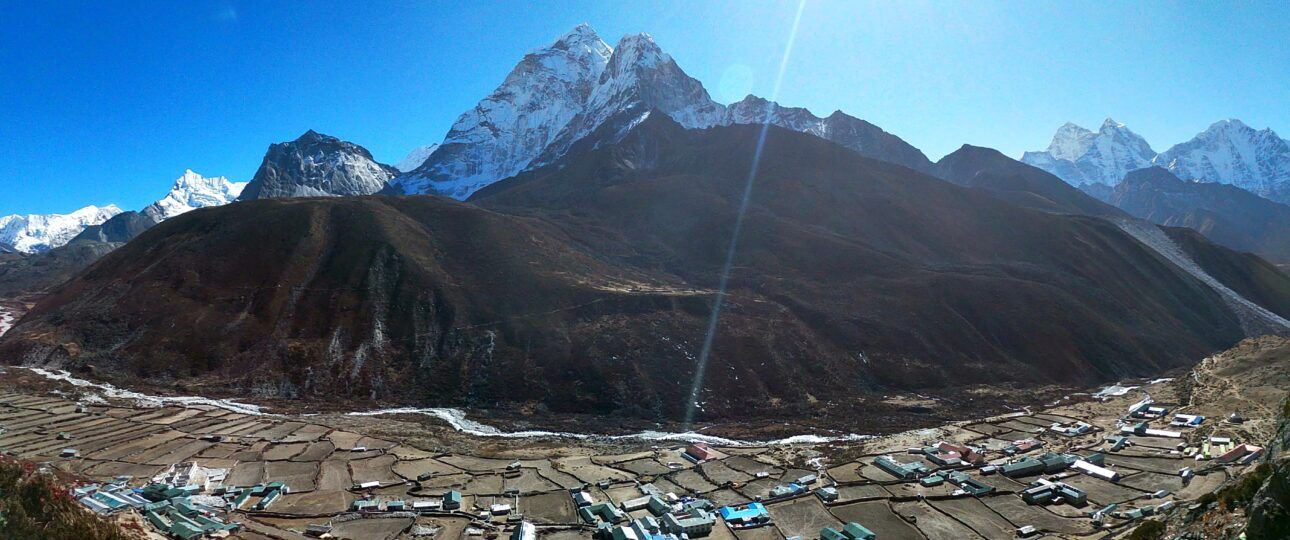
November is widely considered one of the absolute best months for trekking and hiking in Nepal. As the culmination of the vibrant autumn season, it offers a near-perfect blend of stable weather conditions, unparalleled visibility, and a lively atmosphere across the Himalayas. If you’re dreaming of crisp mountain air, panoramic vistas, and trails bustling with fellow adventurers, November is your ideal window to experience the diverse seasons in Nepal.
Beyond just avoiding the challenges of monsoon rains or harsh winter cold, November in Nepal presents exceptionally clear blue skies post-monsoon, significantly reducing dust and haze. This results in breathtaking, ‘HD-quality’ views of the world’s highest peaks, from Everest to Annapurna. While it is a popular time, the moderate daytime temperatures and slightly chilly nights create comfortable trekking conditions across both high-altitude epics and scenic lower-elevation routes.
Whether you’re setting your sights on the iconic Everest region, the diverse Annapurna trails, the serene Langtang Valley, or exploring hidden gems, November promises an outstanding and unforgettable experience. Let’s delve into what makes trekking in Nepal this month so special, including typical weather conditions, popular trekking routes, and essential tips for planning your adventure.
What’s the Weather Like in Nepal in November?
Nepal in November generally boasts stable, pleasant weather across most regions, making it ideal for outdoor activities, especially trekking. The post-monsoon clarity means less dust and haze, leading to exceptional mountain views and perfect weather for hiking enthusiasts.
Here’s a breakdown of typical November weather forecast and temperature ranges by altitude and region:
- Kathmandu Valley (approx. 1,400m / 4,600ft):
- Daytime: Average highs around 20-23°C (68-73°F).
- Nighttime: Average lows around 7-10°C (45-50°F).
- Conditions: Pleasant and sunny, perfect for sightseeing and day trips.
- Mid-Hills (1,000m – 2,500m / 3,300ft – 8,200ft, e.g., Pokhara, Ghorepani):
- Daytime: Comfortable, ranging from 15-22°C (59-72°F).
- Nighttime: Cooler, typically 5-12°C (41-54°F).
- Conditions: Warm trekking days, clear skies, and vibrant landscapes.
- High Altitudes (2,500m – 4,000m / 8,200ft – 13,000ft, e.g., Namche Bazaar, Dingboche):
- Daytime: Cool and crisp, generally 5-15°C (41-59°F).
- Nighttime: Chilly, often dropping to 0°C to -5°C (32-23°F).
- Conditions: Excellent visibility, cold nights, but comfortable for daytime hiking.
- Higher Altitudes (Above 4,000m / 13,000ft, e.g., Everest Base Camp, Thorong La Pass):
- Daytime: Cold, typically -5°C to 5°C (23-41°F).
- Nighttime: Can be very cold, plunging to -10°C to -20°C (14 to -4°F), especially by late November.
- Conditions: Expect frosty mornings and evenings. Snowfall is possible, particularly towards the end of the month, but it usually melts quickly.
Key takeaway: The beauty of November weather lies in its predictability and lack of extreme precipitation. While days are mostly sunny and pleasant, layered clothing is crucial to adapt to the significant temperature drops between day and night, and as you ascend higher.
Want more information? Send us your query, and our experts will get back to you within 24 hrs.
Top Trekking Destinations & Routes in Nepal for November
November’s stable weather conditions make it ideal for a vast array of trekking experiences, from iconic high-altitude expeditions to serene cultural walks. This allows trekkers to choose routes based on their fitness level, time availability, and desired adventure.
Here are some of the most popular and highly recommended treks to consider in Nepal during November, each offering unique landscapes and cultural experiences:
Everest Base Camp Trek

Why November for EBC? November’s unparalleled clear skies make it the absolute best month for capturing those iconic, unobstructed views of Mt. Everest, Lhotse, Nuptse, and the stunning Ama Dablam, especially from Kala Patthar. While popular, the beauty is simply unmatched.
The Everest Base Camp trek is undoubtedly Nepal’s most iconic adventure, leading you into the heart of the Khumbu Valley and Sagarmatha National Park. This challenging yet immensely rewarding journey offers spectacular views of the world’s highest peaks, a deep dive into the rich cultural heritage of the welcoming Sherpa people, and a chance to explore vibrant Buddhist monasteries. You’ll traverse diverse landscapes, from dense pine and rhododendron forests in the lower reaches to the rugged, awe-inspiring glacial terrain at higher altitudes.
- Duration: Typically 11-16 days.
- Difficulty: Challenging (requires good physical fitness and acclimatization).
- Highlights: Unforgettable mountain flights to Lukla, Sherpa villages like Namche Bazaar, Tengboche Monastery, and standing at the foot of Mt. Everest at Base Camp.
- Learn More: Go to our dedicated “Everest Base Camp Trek” page here.
TIPS: You’ll find numerous teahouses along the trail, providing essential food and comfortable accommodation, though pre-booking is highly recommended in November due to popularity. Adequate cardio preparation is advised for this high-altitude journey to prevent altitude sickness.
Annapurna Circuit trek

Why November for Annapurna? November offers ideal trekking weather, crisp mountain air, low humidity, and cloudless skies that unveil the entire Annapurna and Dhaulagiri ranges in their full glory. Trails are dry, making mountain passes like Thorong La (5,416m) more accessible and safer.
The Annapurna Circuit is one of Nepal’s most diverse and dramatic trekking routes. It circles the Annapurna Massif and traverses multiple climate zones, from lush subtropical forests to high alpine meadows. Along the way, you’ll experience cultural contrasts between the Hindu communities of the lower Marsyangdi Valley and the Tibetan-influenced villages of the Mustang region.
- Duration: 10–15 days
- Difficulty: Challenging (requires excellent fitness and altitude acclimatization)
- Highlights: Crossing Thorong La Pass, views of Annapurna I, Dhaulagiri, and Tilicho Peak, the sacred site of Muktinath, and hot springs at Tatopani.
- Learn More: Go to Our Annapurna Circuit Trek Page.
Tips: November’s popularity means teahouses may fill up fast, early reservations and flexibility are key. Be ready for cold mornings above 3,500m.
Manaslu Circuit Trek

Why November for Manaslu? November reveals the raw beauty of this remote region with sharp, clear skies and stable conditions for crossing the challenging Larke La Pass. The dramatic lighting and post-monsoon greenery make for stunning photography and fewer crowds than the Annapurna or Everest regions.
The Manaslu Circuit is a less-trodden trail offering a secluded alternative to the Annapurna Circuit. It encircles Mt. Manaslu (8,163m), the world’s eighth highest peak, and features a breathtaking mix of alpine scenery, glacial rivers, suspension bridges, and authentic Buddhist culture.
- Duration: 11–18 days
- Difficulty: Strenuous (good fitness and altitude experience needed)
- Highlights: Crossing Larkya La Pass (5,160m), views of Manaslu and Himlung Himal, Tibetan-style villages like Samagaun, and the hidden gem of Pungyen Gompa.
- Learn More: Go to our 11-day Manaslu Circuit Trek page.
TIPS: Permits are limited and required with a registered guide. November’s clear trails allow easier navigation through high passes before heavy snow arrives in December.
Langtang Valley trek

Why November for Langtang? November offers cool temperatures and panoramic views of Langtang Lirung, Dorje Lakpa, and other peaks without the haze of warmer months. The rhododendron forests shine in their autumn transition, and the post-harvest season brings festivals and a glimpse into Tamang culture at its most vibrant.
The Langtang Valley Trek is perfect for those seeking a shorter trek with high scenic reward and cultural immersion. Though less remote than Manaslu or Everest, it still feels peaceful and untouched.
- Duration: 5–10 days
- Difficulty: Moderate (suitable for fit beginners with proper preparation)
- Highlights: Kyanjin Gompa, glacier views, yak pastures, and stunning sunrises over Langtang Himal.
- Learn More: Go to Our Langtang Valley Trek Page
TIPS: Though November is busy, Langtang sees fewer trekkers than the Annapurna or Everest regions. Expect chilly nights at Kyanjin, pack accordingly.
Poon Hill Trek

Why November for Poon Hill? If you’re after a short yet visually stunning trek, November is ideal. Expect vibrant morning skies and crystal clear panoramic sunrise views from Poon Hill, where the Annapurna and Dhaulagiri massifs light up in gold and pink hues.
The Poon Hill Trek is a beginner-friendly trail through terraced hillsides, dense rhododendron forests, and charming Gurung villages. It’s a cultural and visual delight, suitable for families and first-time trekkers.
- Duration: 4–6 days
- Difficulty: Easy to Moderate (some steep climbs but no altitude issues)
- Highlights: Sunrise from Poon Hill (3,210m), panoramic views of Annapurna and Dhaulagiri ranges, traditional villages like Ghorepani and Ghandruk.
- Learn More: Go to Our 4-day Poon Hill Trek Page
TIPS: Teahouses fill quickly in November, especially in Ghorepani. Carry layers for crisp dawn hikes and enjoy warm Gurung hospitality throughout.
Essential Tips for Trekking in Nepal in November
Even during an ideal trekking month like November, a few key tips can significantly enhance your experience and safety:
- Dress in Layers: November days can be warm and sunny, but mornings and nights, especially at higher altitudes, turn chilly quickly. A layered clothing system (base, mid, outer) allows you to adjust to changing temperatures efficiently. Don’t forget insulating layers and a waterproof outer layer for unpredictable weather.
- Start Early: Daylight hours shorten in November, with sunset typically between 5:00 PM and 5:30 PM. Begin your trekking days early to ensure you reach your destination well before dark, allowing time for rest and enjoying the views.
- Stay Hydrated: High altitude increases dehydration. Drink plenty of water (3-4 liters daily) throughout your trek. Consider a water purification system to refill from natural sources safely.
- Acclimatization is Key: For any trek above 2,500m, always be vigilant about Acute Mountain Sickness (AMS). Understand the symptoms (headache, nausea, dizziness), ascend gradually, and incorporate dedicated acclimatization days into your itinerary. Never ignore symptoms.
- Pace Yourself: This is not a race. Maintain a comfortable, steady pace. Enjoy the scenery and let your body adapt to the altitude naturally.
- Pre-Trek Preparation: While November weather is favorable, physical fitness is still crucial. Engage in cardio exercises and strength training for a few months prior to your trek.
- Consider a Licensed Guide & Porter: For safety, local insights, and convenience, hiring a professional trekking guide is highly recommended. A porter can significantly lighten your load, enhancing your enjoyment and reducing fatigue. Refer to our ‘Should I Hire a Guide and Porter’ section on the EBC page for more detail.
- Book in Advance: November is peak season. Secure your international flights, domestic flights (especially Lukla), and trekking package well in advance to ensure availability and avoid last-minute stress, particularly for accommodation in popular teahouses.
- Permit Management: Ensure you have all required permits for your chosen region (e.g., National Park fees, TIMS, or local permits for Everest/Annapurna; special restricted area permits for places like Upper Mustang or Manaslu, which must be obtained through a registered trekking agency).
- Travel Insurance: Crucial. Ensure your travel insurance covers high-altitude trekking and includes emergency medical evacuation up to the maximum altitude of your trek. Weather in the mountains can be unpredictable, so be prepared for any situation.
Accommodation and Food
In November, the accommodation along the trekking trails will be open. Since it is a peak season, the trails will have many trekkers. As such, early booking of flights and hotels is necessary. Tea house trekking is popular in Nepal, offering basic but comfortable lodging and meals along most major routes.
Just like the accommodation, the restaurants will also be open, serving a variety of local and international dishes to fuel your trek.
Trekking Permits
You need trekking permits to hike in Nepal. Trekking permits are available all year round in Nepal, including November.
The Conservation Area Permit, Trekker Information Management System (TIMS) are the trekking permits you need. Also, you need a Restricted Area Entry Permit in case you choose to trek to a restricted area.
What to Pack: Essential Equipment List for November Treks in Nepal

Packing appropriately is crucial for a comfortable and safe trekking experience in Nepal in November. While exact requirements vary by trek duration and altitude, here’s a general checklist of essentials. Remember, layering is key to adapting to temperature fluctuations:
Clothing (Layered System):
- Base layers (moisture-wicking synthetics/merino wool for tops & bottoms)
- Insulation layers (fleece jackets, lightweight down/synthetic jacket)
- Outer shell (waterproof and windproof jacket & pants)
- Warm hat (beanie), sun hat, gloves (liner + insulated), buff/scarf
- Trekking socks (moisture-wicking), comfortable hiking boots (broken-in!)
- Camp shoes/sandals for evenings
Equipment:
- Durable trekking backpack (suitable size for your trek)
- Sleeping bag (rated for temperatures down to -10°C to -20°C depending on trek and altitude)
- Trekking poles
- Headlamp/torch with extra batteries
- UV-protected sunglasses
- Water bottles/hydration reservoir + water purification method
- Power bank/portable charger for electronics
Personal & Safety:
- Basic First Aid Kit (personal medications, blister treatment, pain relievers)
- Sunscreen (high SPF), lip balm with UV protection
- Hand sanitizer, quick-dry towel, toiletries
- Reusable trash bags
- Personal documents (passport, visas, insurance details) & local currency
Optional but Recommended: Camera, binoculars, books/games, trekking specific snacks.
For a more detailed and comprehensive packing guide tailored to your specific trek, please refer to our Nepal Trekking Packing List or EBC Packing List page
Conclusion,
In conclusion, November truly solidifies its reputation as an ideal month for trekking in Nepal. The perfect combination of stable weather conditions, breathtaking panoramic mountain views, and comfortable temperatures creates an unparalleled outdoor experience. While it is a popular time, the benefits of crisp air and magnificent vistas far outweigh the bustling trails.
Whether you’re drawn to the high-altitude challenges of Everest or Annapurna, the cultural immersion of Manaslu, or the serene beauty of Langtang, November offers the perfect backdrop. With proper planning, including early booking and smart packing, your Nepalese trekking adventure this month will be a lifetime experience.
Ready to plan your dream trek in Nepal this November?
Let Mosaic Adventure be your trusted partner. Our local expertise, commitment to safety measures, and seamless logistics ensure a worry-free experience, allowing you to fully immerse yourself in the grandeur of the Himalayas. We prioritize sustainable tourism practices and support local communities along our trekking routes. For further questions and queries, do not hesitate to contact us. We are here to serve and guide you with the best of our ability, ensuring your November trek in Nepal is truly unforgettable.
Want more information? Send us your query, and our experts will get back to you within 24 hrs.

Madhav Prasad is a seasoned trekking and tourism expert with over two decades of experience in the field. Starting his career in 2001 as a porter, Madhav quickly advanced to the role of trekking guide, gaining invaluable hands-on experience in Nepal’s diverse trekking routes. In 2009, after eight years of dedication to the industry, he co-founded Mosaic Adventure, a leading trekking and tour company known for its commitment to safety, sustainability and personalized service.
Madhav has personally trekked to nearly every major trekking destination in Nepal, including Everest Base Camp, Annapurna Base Camp, the Annapurna Circuit, Poon Hill, Jomsom Muktinath, the Indigenous Peoples Trail, Langtang Valley and Mardi Himal, among others. His experience extends beyond Nepal, as he has also successfully summited Mount Kilimanjaro, Africa’s highest peak.
In addition to his extensive trekking credentials, Madhav is well traveled globally, having explored countries such as Australia, the USA, the UK, France, Japan, China, and many others. His global exposure enhances his ability to understand and cater to the diverse needs of international trekkers.
Madhav is the primary point of contact for many clients at Mosaic Adventure, personally addressing inquiries and helping plan treks with a meticulous and personalized approach. His deep knowledge of Nepal’s trekking routes, combined with his global travel experience, ensures that every trek is well planned, safe and unforgettable.
