
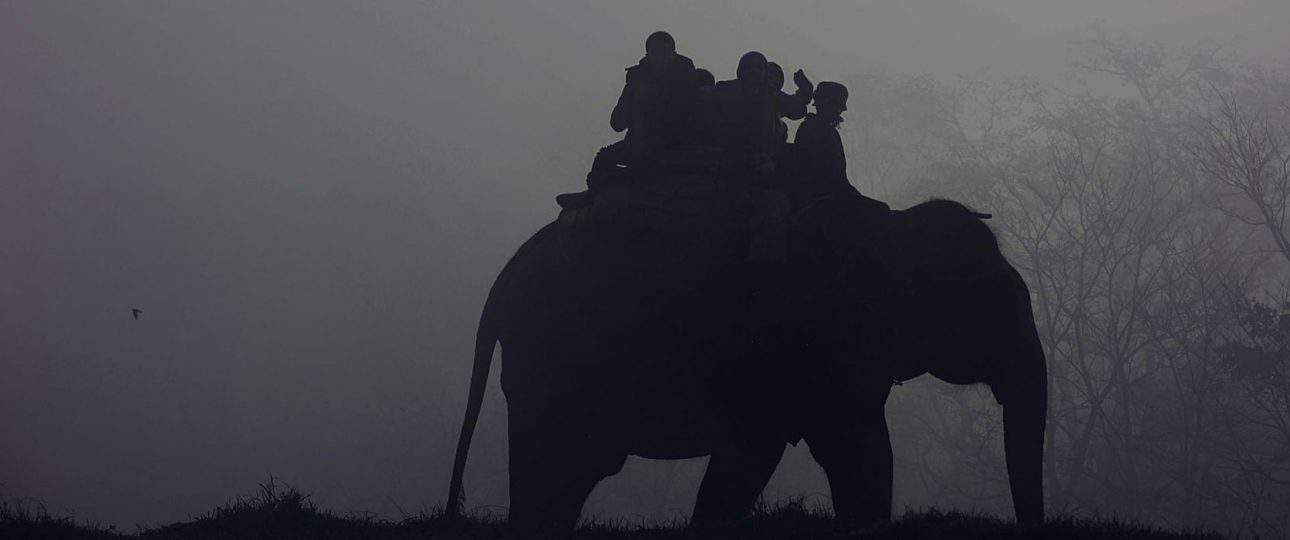
Elephants are deeply respected in Nepal, and they are an important part of our natural heritage. But in tourism, the way elephants are kept and used matters just as much as how memorable an experience feels.
To support animal welfare and responsible travel, we at Mosaic Adventure have removed elephant riding from our Chitwan National Park tour. We believe wildlife experiences should never come at the cost of an animal’s wellbeing.
If you are planning Chitwan: you can still have an incredible safari without riding. Jeep safaris, guided jungle walks, and canoe rides are excellent alternatives, and they help reduce demand for harmful elephant entertainment (as many travelers discuss in Chitwan forums and reviews).
Why We Discontinued Elephant Riding Tours in Support of Nepalese Elephant Welfare
In many elephant-riding venues across Asia, elephants are kept under human control for long hours and trained to tolerate close contact and commands in ways that don’t match their natural behavior.
As a tour operator, we do not want our guests to unknowingly support practices that can harm elephants, especially when those practices are marketed as harmless or traditional.
Why Are We Doing This?
Elephant tourism is a major industry in Asia. Countries like Cambodia, Thailand, Sri Lanka, and Nepal have long promoted elephants as a highlight of travel itineraries.
We understand why this is appealing. Many travelers dream of seeing elephants up close and assume that “if it’s offered, it must be fine.” But globally, the travel industry has been re-examining elephant rides and shows due to growing welfare concerns. For example, major travel brands and travel associations have updated animal welfare policies to discourage or stop selling elephant rides, and industry guidance increasingly treats elephant riding as unacceptable or high-risk for welfare.
Mosaic Adventure aims to help you make unforgettable trips while prioritizing animal welfare. A visit to the Chitwan National Park can still be spectacular, with chances to see one-horned rhinos, crocodiles, deer, and many bird species, plus the possibility of spotting tigers if you are lucky.
For years, many tour packages in Chitwan included elephant-back safaris. However, we have chosen to remove elephant riding from our itineraries and encourage wildlife viewing that does not rely on keeping elephants working for tourist rides.
This change reflects a wider shift across the global travel industry. World Animal Protection has documented how more than 100 international travel companies have committed to ending the sale of elephant rides and shows due to welfare concerns: Over 100 travel companies commit to end elephant rides and shows. Major tour operators have publicly removed elephant riding from their itineraries after reaching similar conclusions.
Crush Training: Breaking the Elephant’s Spirit
In ride-based tourism, elephants are often conditioned to accept touch, tools, and commands. Welfare organizations have described “the crush” (also called phajaan in some regions) as a process used to force compliance, especially in young elephants, by using fear and pain until the animal becomes submissive.
We will not include graphic details here, but the key point is simple: a ride is only possible when an elephant has been trained to obey human commands at very close range. In many destinations, control tools like bullhooks (ankus) are commonly linked to elephant riding and performance venues, and animal welfare groups advise travelers to avoid venues that rely on such control and direct-contact interactions.
Independent animal welfare organizations have documented how elephant riding and show venues often rely on coercive training to make elephants compliant for close human contact. World Animal Protection explains this process in detail, including why it raises serious welfare concerns: Cruel elephant training process ‘the crush’ exposed. The organization also outlines why elephant rides are harmful and why travelers are advised to avoid them: The cruelty behind elephant rides.
Riding Can Look “Fun” to Us, But It Can Be Hard on Elephants
Riding on an elephant can look peaceful in photos. The welfare concern is what the elephant must endure to make that moment possible, and what repeated carrying and handling means over time. Elephants are not built to carry heavy loads on their backs in the way horses are, especially when rides are frequent or include equipment designed for tourists. Welfare guidance for animal attractions frequently points to elephant rides as harmful, particularly when elephants are chained for long periods, used for constant interactions, or controlled through fear-based handling.
We respect the cultural history of elephants in Nepal, including their role in conservation work. At the same time, tourism has changed, and we believe it must reduce harm wherever possible. That is why we choose experiences that do not depend on elephant rides.
Our ask is straightforward: please do not patronize elephant riding tours. Choosing a non-riding safari is one of the simplest ways travelers can reduce demand for harmful practices.
Wildlife conservation organizations echo this advice. Born Free Foundation recommends avoiding elephant riding and other close-contact activities, as they typically involve intensive handling that compromises elephant welfare: Born Free Foundation – Elephant encounters.
How to Spot “Ethical” Claims That Don’t Hold Up
Within the travel industry, a widely used reference is the Global Welfare Guidance for Animals in Tourism published by ABTA (The Association of British Travel Agents). This guidance discourages animal attractions that involve riding, performances, or forced interaction with wild animals: ABTA Global Welfare Guidance for Animals in Tourism (PDF).
Many businesses use words like “ethical,” “rescue,” “sanctuary,” or “responsible,” but those labels are not always regulated. If you are trying to make a kind choice, here are practical checks that help:
- Avoid rides, bathing-with, performances, and tricks. Many welfare groups advise that direct contact activities are where welfare risks rise sharply.
- Look for barrier or hands-off viewing. Responsible guidance often recommends minimizing direct contact unless it is strictly for veterinary or welfare reasons.
- Ask what “no bullhook” means in practice. Some venues claim they do not use bullhooks, yet travelers still report seeing them around ride-based activities in different destinations. If a venue cannot explain handling clearly, walk away.
- Check daily workload and chaining time. Long working hours, constant tourist interactions, and extended chaining are common welfare red flags.
- Be cautious with “baby elephant” photo opportunities. Close-contact baby-animal tourism often creates demand for breeding and early separation.
If an operator gets defensive when you ask calm questions about welfare, that is also useful information.
What Is the Alternative to Elephant-Back Rides to Spot Wildlife in Chitwan National Park?
Instead of elephant riding, we encourage visitors to choose wildlife experiences that do not require elephants to work for entertainment. In Chitwan, strong alternatives include:
- Jeep safari: Covers more ground and is one of the most common non-riding ways to look for rhinos and other wildlife.
- Canoe ride: A calmer way to see river life and birds, often combined with a walk.
- Guided jungle walk: Best for learning tracks, plants, and birdlife (and for understanding the forest beyond “spotting”).
- Birdwatching: Chitwan is excellent for birding in different seasons.
- Community and culture: Tharu cultural experiences and local community visits can be meaningful when done respectfully and with fair local benefit.
Many travelers who skip elephant rides describe a full and rewarding Chitwan experience through a combination of jeep, canoe, and guided walks.
Common Questions About Elephant Riding in Nepal
Is elephant riding in Nepal ethical?
Most animal welfare guidance advises travelers to avoid elephant rides because they depend on intensive control and training, and because captive conditions in tourist venues often conflict with elephants’ natural needs.
Can I see elephants in Chitwan without riding?
Yes. You can focus on jeep safaris, canoe rides, jungle walks, and birdwatching. If you see elephants, keep interactions respectful and avoid venues selling rides, shows, or close-contact activities.
What should I choose instead of an elephant safari?
A jeep safari paired with a canoe ride and a guided walk is one of the best non-riding combinations for wildlife viewing.
What if elephant riding is included in a package I already booked?
Ask the operator to swap it for a jeep safari or guided walk. If they refuse, you can opt out on the day and choose a non-riding activity instead.
Summary
Mosaic Adventure has stopped offering elephant riding tours to support elephant welfare and responsible tourism in Nepal.
Elephant rides can look harmless, but reputable welfare guidance and travel-industry policies increasingly show that rides and direct-contact entertainment often rely on harmful handling and captive conditions. That is why many global travel companies have stopped selling elephant rides and shows.
Chitwan remains an incredible destination without elephant riding. We recommend jeep safaris, canoe rides, guided jungle walks, and other respectful wildlife experiences that keep the focus on nature while reducing demand for elephant exploitation.
Thank you for supporting travel choices that protect animals and strengthen ethical tourism.

Madhav Prasad is a seasoned trekking and tourism expert with over two decades of experience in the field. Starting his career in 2001 as a porter, Madhav quickly advanced to the role of trekking guide, gaining invaluable hands-on experience in Nepal’s diverse trekking routes. In 2009, after eight years of dedication to the industry, he co-founded Mosaic Adventure, a leading trekking and tour company known for its commitment to safety, sustainability and personalized service.
Madhav has personally trekked to nearly every major trekking destination in Nepal, including Everest Base Camp, Annapurna Base Camp, the Annapurna Circuit, Poon Hill, Jomsom Muktinath, the Indigenous Peoples Trail, Langtang Valley and Mardi Himal, among others. His experience extends beyond Nepal, as he has also successfully summited Mount Kilimanjaro, Africa’s highest peak.
In addition to his extensive trekking credentials, Madhav is well traveled globally, having explored countries such as Australia, the USA, the UK, France, Japan, China, and many others. His global exposure enhances his ability to understand and cater to the diverse needs of international trekkers.
Madhav is the primary point of contact for many clients at Mosaic Adventure, personally addressing inquiries and helping plan treks with a meticulous and personalized approach. His deep knowledge of Nepal’s trekking routes, combined with his global travel experience, ensures that every trek is well planned, safe and unforgettable.
