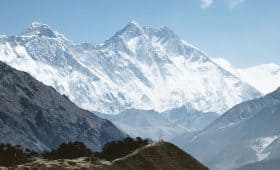
For most of the trek lovers, the Everest Base Camp Trek comes up with a lifetime experience.
Everest Base Camp is one of the most well-liked treks in the world.
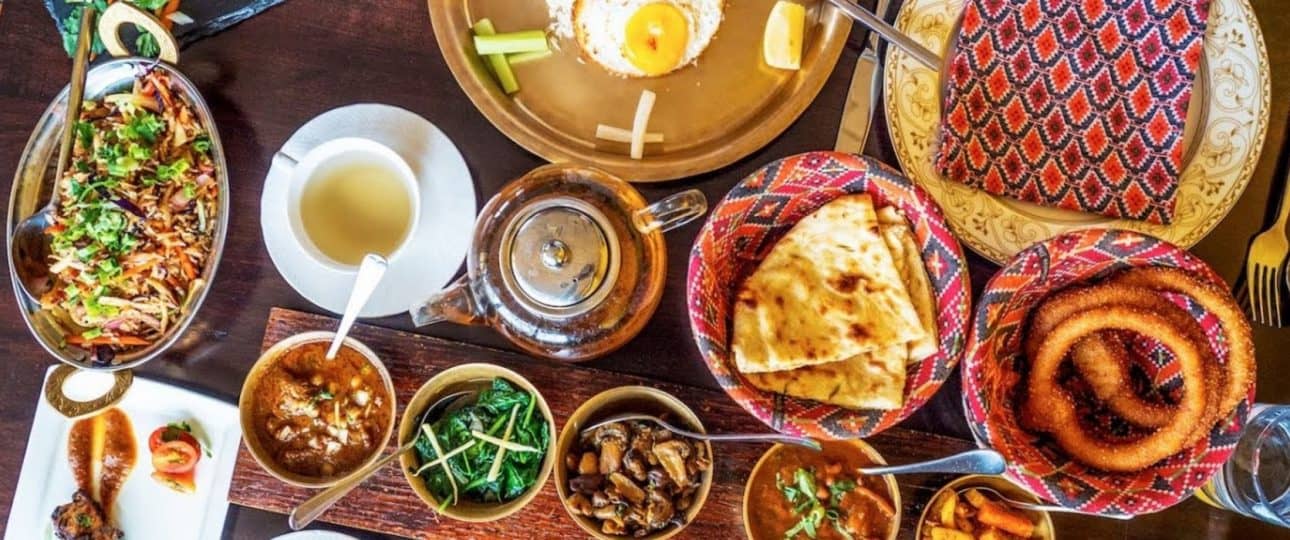
And, the good news is here, you get to view the tallest mountain in the world and enjoy different Nepalese food.
Here, you can enjoy the complete Himalayan mountain assortment which is quite amazing.
You can plan for Everest Base Camp trek in March or any other months like April, October, November.
These months are considered best due to good weather conditions along with clear sky and view of crystal clear Himalayan mountains.

Since with any trek in Nepal or any other foreign land and food encloses a major role. It helps to understand the traditions of the region.
Also, it plays the major role in providing energy during the long trek in the mountainous area.
For the one, trekking in Everest Base Camp and its variation, food is accessible at the many tea houses. You can find those tea houses and small hotel-like lodging all through the paths.
They help trekkers with a warm bed and a tasty food for the night-time.
Here, in the content, I will explain you everything you should know about them.
You should understand the Everest area and the cultural traditions of Buddhist Sherpa. It helps you in that intake of breakfast, lunch, and dinner that makes you feel like home.
But, there are lots of considerations that you should be aware of.
Table of Contents
A Food Guide For Everest Base Camp Trek
In the Everest area, you will enjoy accommodation in the tea house. A Tea House indicates the mixture of guest house, restaurant and social consort.
You have many food options in these tea houses on the Everest Base Camp Trek.
The rooms are set with double/twin beds and very few extra furnishings. Blankets are usually offered. Most washrooms are common and bathrooms are the western adaptation.
Almost every tea houses enclose running water service. Most of them also ease with warm water for the shower. Yet, you may have to pay the additional charge for the hot water shower.
Want more information? Send us your query, and our experts will get back to you within 24 hrs.
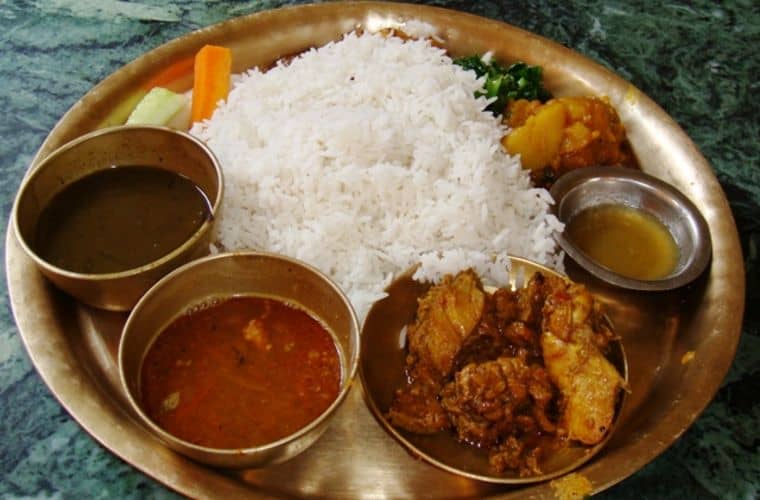
What type of food is served in the tea houses?
The Everest belongs to a remote area and all food comes from different villages.
So, all the meals are non-perishable ingredients. There cereals, rice, and grains create the fastener of the majority of the dishes.
The most widespread part to go along with the fasten cereal is lentil soup also known as Dal with steamed rice. This is Nepal’s most famed dish. Besides, it is also one of the popular dishes available at every tea house.
Additional foods on the menu are rice with various soup prepared from various vegetables. Here, you will notice that the range of available food is very limited.
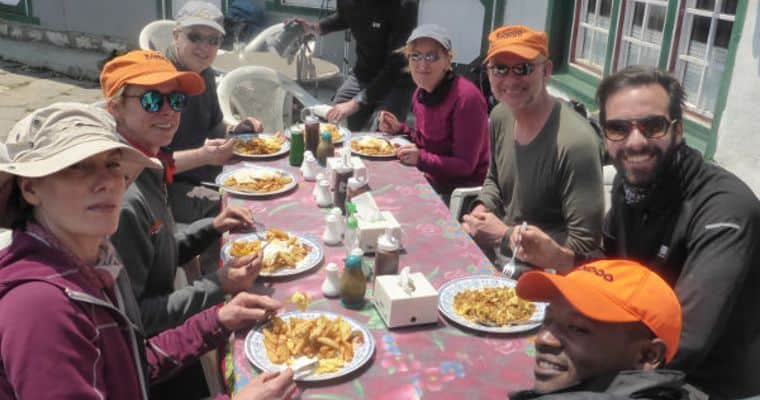
Meals during the trek to Everest Base Camp
You can get meat on the menus of many tea houses. Even though, I advise staying far from meat products, particularly at higher elevation.
All the meat are carried along on foot or through yak from the lower elevations to the peak of the trekking trails. So, the freshness is not assured.
There are some animals living in mountain area like yak, a common steak food. Yet, the religion of the locals forbids the killing of animals in the region. Every meat is brought into Lukla, after that taken to the mountain region.
During tea house trekking, you will have breakfast and dinner in the hotel. Then, lunch will be offered between at one of the path surface restaurants.
Every tea house offers the typical Nepali dish Dal Bhat (rice and lentils). Besides, various dish items are rice, vegetables, noodles, lentils, potatoes, and soup.
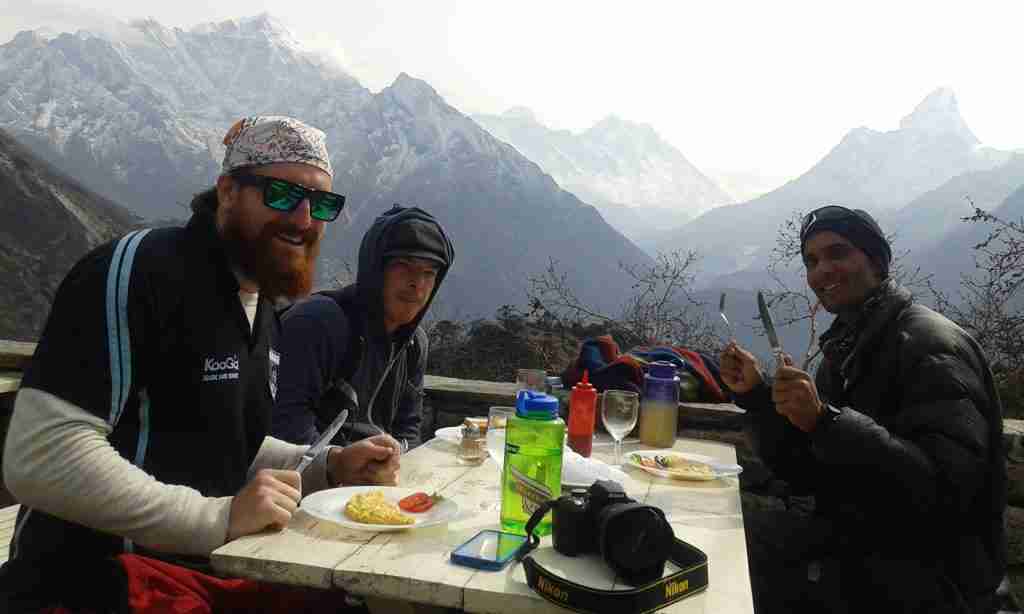
How fresh is the food in common?
The freshness of every dish in the Everest area will not be great. This is due to the distant and limited access to the Everest area.
The most popular complains from trekkers is the food was never as fresh as their expectation. But this is an inescapable component of the trek.
One approach to attempt and make sure you get fresh dish is by the stay in the most happening tea houses. The tea house with the crowd of trekkers provides accommodation to visitors and will also offer fresh meals to their room.
Availability of fish, eggs, and fruits
Most of the tea house you find throughout the way will provide a menu. On it, you will come across a list like, pancakes, chowmein, eggs, potatoes, pasta, and Tibetan bread.
The menus are the one that you get at Kathmandu’s frequent restaurant.
Seafood is very rarely available on the Everest Base Camp trek and it is not tough to look for the reason. Also, your tea house may offer the choice of a prepared breakfast with eggs and mix up browns, yet this is not assured.
In most of the breakfast menu, you can find porridge, cereal, and toast. They are more consistent in breakfast menu.
Well, fruits do not grow at these high heights so you may not get many fresh fruits as you expect. But, you can enjoy vegetables, with the common meals in the tea houses as the vegetarian.
Bottled water during Everest Base Camp trek
If you are planning to trek with a tour guide, they will offer drinkable water all through the trek. So, you can also buy bottled water available at most of the tea houses and other small shops along the way.
Besides, the tea houses themselves will bring water from the nearby river. They serve it after boiling it and then utilize to prepare tea, coffee and for other cookery purposes.
You may not be comfortable to drink boiled water. If you aren’t comfy drinking boiled water, carry water purification tablets with you. Also, I request you not to drink tap water without boiling.
For trekkers from overseas countries, you may not feel well. And you may get trouble throughout the trekking.
To stay hydrated at higher altitude is very significant so I advise to take between 3 and 4 liters of water each day. You can drink bottled water, tea or soup; it’s totally your choice.
Be sure to carry your personal tea bags, as tea houses will only help with the single bag for each teapot.
Surely, you can find bottled water from Lukla along the way up to Everest Base Camp. But, the Everest Base Camp trek cost gets more after you go up.
A 1 liter of water bottle may start with the price of 30 rupees and at Everest Base Camp the price may be more than 100.
Remember, you are likely to be drinking various litres a day so the cost may rise up. A financial solution to this is to go for chlorine, iodine or a water treatment plan.
You can also get guest-house boil water for you to help in its sterilization.
Some Popular Dishes available in Everest Base Camp
Dal Bhat
This set of a dish is available for every explorer throughout their journey in 2 to 3 weeks in the base camp. It is prepared with a liberal serving of steamed rice served next to a lentil soup.
You get the dish served with spinach, chili, garlic, and ginger. It has a strong taste, is very nutritious and will give you all the energy that you need during the trek.
Yak meat
In spite of suggesting to stay far from meat, yak steaks can be delicious and good if fresh. If you ensure with your tour guide, they will be capable to confirm the freshness of the meat.
You get this set with some cheesy sauce to offer your body some necessary protein.
Garlic soup
The well-liked dish is like its name; Garlic soup. The soup made from garlic is the delicious dish and put off the start of height sickness. So, it is well-liked among Everest Base Camp trekkers and locals.
Nepalese bread
Well together with roti, naan and a pizza base, you get Nepalese bread in the local tea houses. And, it is the ideal set off for most meals. It is also ideal for the snack throughout the trekking so make some space in your bag.
Chinese Cuisine
In the present time, Asian along with Chinese food has become more famous in the tea houses. Chowmein and momo are available on the menu.
It gives you a break from the repetitive Dal Bhat following some days trekking to Everest Base Camp.
In Summary,
Well, trekking is beneficial for both male and female travelers. Yet, you need to decide on food very carefully during the trek. These are some food guides which may be helpful to you throughout Everest Base Camp Trek.
Along with the food, we will also be helping you with the best season and best clothes to wear during Everest Base Camp trek.
If you have any query or need some helpful guide for Everest Base Camp Trek, please feel free to connect with us anytime you desire. We will be happy to solve your queries and offer you a great trekking experience.
Want more information? Send us your query, and our experts will get back to you within 24 hrs.
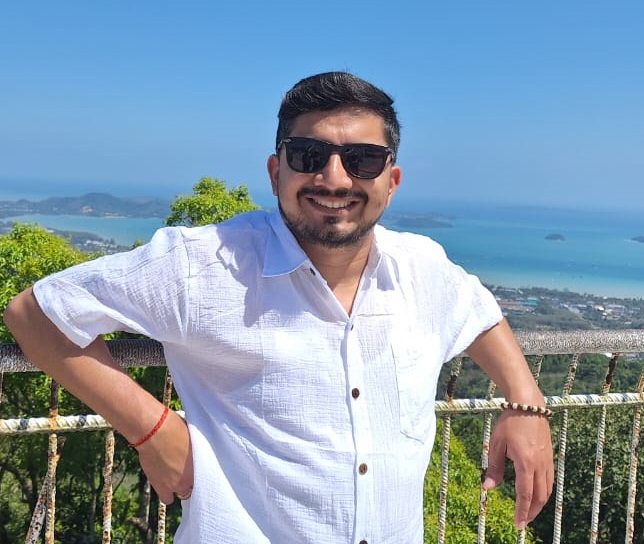
Madhav started working as a porter in 2001 and then moved on to work as a trekking guide. After working in the trekking and tourism industry for eight years, he co-founded Mosaic Adventure in 2009.
Madhav has trekked to most of the trekking destinations in Nepal, including Everest Base Camp Trek, Annapurna Base Camp, Annapurna Circuit Trek, Poon Hill Trek, Jomsom Muktinath Trek, Indigenous Peoples Trek, Langtang Valley Trek, Mardi Himal Trek, and all of the day hikes around Kathmandu.
He has also extensively traveled to other countries such as Australia, the USA, the UK, France, Hong Kong, Japan, China, the Philippines, the UAE, Saudi Arabia, Bahrain, Thailand, Turkey, and India. Madhav is the one who answers most of your questions about trekking and tours and helps to plan your trip by giving a personal touch.