
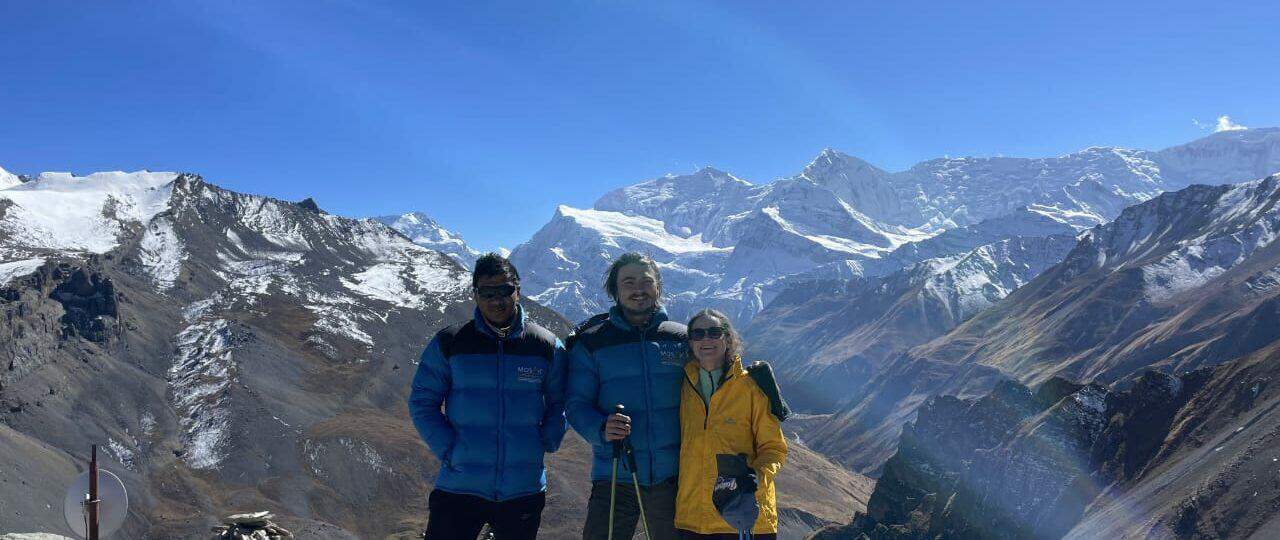
Tipping all the hardworking staff plays a significant role in the trekking experience, whether it’s in Peru (Machu Picchu), Tanzania (Kilimanjaro) or Nepal, particularly on renowned routes like the Everest Base Camp trek.
Understanding the cultural customs and etiquette surrounding tipping guides and porters, who accompany you through the high altitude trek with a smile, is crucial for ensuring a respectful and enjoyable trekking experience.
Tipping can feel awkward if you have never trekked in Nepal. This page keeps it simple: who to tip, how much, and how to do it without making anyone uncomfortable.
I worked as a porter and guide before starting Mosaic Adventure in 2009. I have been on both sides of the envelope, so I will tell you what is fair, what is awkward, and what helps the team most at the end of the trek.
This guide focuses only on tipping practices. For detailed cost breakdowns, itinerary planning, or trek difficulty, please refer to our dedicated Everest Base Camp resources.
Understanding the Culture of Tipping on Everest Base Camp Trek
Tipping culture is not part of our ancient history and traditions, nor is trekking. Trekking has only recently become a popular hobby among young Nepalese.
When I worked as a trekking porter and guide in the late 1990s to early 2000s, I rarely saw any Nepalese on the trails.
However, local interest in trekking has been growing year by year. Now, we see many Nepalese on the trails of Annapurna, Langtang and Everest, especially during major festivals in Nepal like Dashain and Tihar.
Trekking culture was introduced to Nepal primarily by Americans and Europeans, along with the practice of tipping. Today, tipping in Nepal is more than a monetary gesture; it reflects gratitude and respect for the services provided.
While Western culture introduced tipping to Nepal, Nepalese have integrated it into their own cultural norms, where receiving gifts with modesty is highly valued.
As a result, guides and porters refrain from opening tipping envelopes immediately in front of clients to maintain humility and demonstrate appreciation. This practice may seem unfamiliar to trekkers from developed Western countries.
For more information on the history and cultural integration of trekking in Nepal, you might find the official site of the Nepal Tourism Board helpful.

Who to Tip on the Everest Base Camp Trek
Mountain Guides
Guides are indispensable for navigating the challenging terrain, ensuring safety and providing cultural insights. From Day 1 of your trek until the end, they support you in every way. At high altitude, despite their own difficulties, they are always there to assist you.
Whether by giving you positive encouragement, helping to carry your daypack during tough times at higher elevations or checking your medical conditions, guides are always there to support you.
Tipping guides is customary and acknowledges their expertise and dedication to making the trek memorable and safe.
Porters
Porters carry your bags with all essential gear, supplies and personal belongings, significantly easing the physical demands of the high-altitude trek.
Tipping porters is also customary and recognizes their hard work and contribution to the trekking experience. Like guides, porters are crucial to a successful trek to Everest Base Camp.
Ready to embark on your Everest Base Camp adventure? Discover our 14-day classic trek to EBC!

How Much to Tip
Guide Tipping Guidelines
For tipping on Everest Base Camp trek, the general guideline for a licensed mountain guide is USD 10 to 15 per day per trekker.
Most standard Everest Base Camp programs are 14 days in total, but guides and porters typically work 12 trekking days. The remaining 2 nights are in Kathmandu before and after the flight to Lukla.
For example, based on 12 trekking days:
- USD 10 x 12 days = USD 120 per trekker
- USD 15 x 12 days = USD 180 per trekker
If you are trekking in a group, each trekker contributes individually. The final tip reflects your satisfaction, the guide’s attentiveness at high altitude, and how well they managed logistics, health checks, and morale throughout the journey.
Many trekkers increase the amount if the guide provided extra support during difficult acclimatization days.
Porter Tipping Guidelines
For porters on the Everest Base Camp trek, many trekkers use USD 7 to 8 per day per trekker as a fair guideline.
On a 12-day trek, this equals:
- USD 7 x 12 days = USD 84 per trekker
- USD 8 x 12 days = USD 96 per trekker
Most porters carry 20 to 25 kg across suspension bridges, steep climbs, and long days at altitude. Their work is physically demanding and often overlooked. Tipping fairly is part of responsible trekking in Nepal.
Some trekkers mistakenly calculate tips based on the full 14-day itinerary. That is not necessary since staff are not trekking during the Kathmandu nights.
Currency and Method of Tipping
Both Nepalese Rupees (NPR) and widely accepted foreign currencies such as USD, Euros, or GBP are suitable for tipping guides and porters. It’s practical to carry small denominations and present tips in sealed envelopes as a gesture of respect and privacy.
You don’t tip guides or porters on a regular basis; rather, you do it at the end of your trek, typically upon reaching Lukla. If you are doing the EBC trek with a helicopter return, settle the payment in Gorakshep before boarding the helicopter down.
Additional Considerations
Tipping in Teahouses
While not mandatory, tipping in teahouses is appreciated for exceptional service. Consider tipping teahouse staff who provide extra assistance or demonstrate outstanding hospitality during your stay.
Tipping a small amount for serving warm and delicious food is a good way to appreciate the teahouse staff.
Tipping Outside Trekking Staff
Apart from guides and porters, tipping in restaurants, cafes or bakeries along the trek route is discretionary. Rounding up the bill or leaving a small gratuity for good service is polite but not mandatory.

Addressing Common Concerns (FAQs)
Why don’t our guide and porter open the tipping envelope in front of me?
Guides and porters in Nepal typically refrain from opening tipping envelopes immediately to uphold modesty and respect for the giver, consistent with local cultural norms.
Is it rude not to tip in Nepal?
Tipping is a customary gesture of appreciation in Nepal, but it’s not considered rude if circumstances prevent it. However, recognizing the efforts of guides and porters through gratuities is a meaningful way to show gratitude for their hard work.
Can I give additional gifts instead of money as a tip?
Yes, in addition to cash as tips, guides and porters do appreciate useful gifts such as warm clothing, gear or personal items that can aid them in their daily trekking life.
When is the best time to tip the guides and porters?
The best time to tip your guides and porters is at the end of your trek, typically during a farewell ceremony or gathering. This provides a formal and respectful opportunity to show your appreciation. If you are on the EBC trek, it is ideal to do this once you are back in Lukla.
You can gather everyone for a small ceremony with some beers and meals, making it a memorable and heartfelt occasion.
Should I tip individually or as a group?
You can tip individually or collectively as a group. If you are part of a trekking group, pooling tips together and then distributing them can be an efficient way to manage tipping. Write the names on the envelopes for individual guides and porters to ensure they receive their tips personally.
If you wish to tip a particular guide or porter additionally—perhaps because they provided exceptional support or service—you can call them aside and give them extra as a token of appreciation.
Tipping on Private vs Group Everest Base Camp Treks
If you are on a private trek, tipping is straightforward since the guide and porter are dedicated to you. On a group trek, tips are usually pooled and distributed equally among staff members based on their role.
Reputable trekking companies in Nepal follow a fair distribution system so that assistant guides and junior staff are not excluded. If you are unsure, ask your company how tips are divided.
Is it appropriate to ask guides and porters about their tipping preferences?
It’s perfectly acceptable to ask your guides and porters about their tipping preferences. However, most guides and porters are trained not to disclose their preferences and prefer to leave it to your discretion.
Ensure that your gesture is given in the most appropriate and appreciated manner.
What if I encounter poor service or issues with the trekking staff? Should I still tip?
While tipping is a customary gesture, it is also a reward for good service. If you encounter issues, it’s advisable to address them with the trekking company or guide before deciding on the tip amount.
Some trekkers choose not to tip their guides or porters if they are not satisfied with the service or had a negative experience. If you are not satisfied, providing constructive feedback can help improve future services.
Are there any cultural considerations I should be aware of when tipping women guides or porters?
There are no particular cultural considerations that you should be aware of. In Nepal, it’s important to treat all guides and porters with equal respect, regardless of gender.
Ensure that your tipping practices are fair and considerate, acknowledging the efforts of both male and female trekking staff.
Have more questions or ready to book your trek? Contact us today!
Our Perspective as a Local Trekking Company
Having operated Everest Base Camp treks for many years, we have seen how fair tipping positively affects staff motivation and service quality.
When the team feels respected, they walk stronger. The days are long. Altitude drains everyone.
Tipping should not feel forced. It should feel earned.
Final Thoughts on Tipping at Everest Base Camp
If you tip fairly and hand it over respectfully at the end of the trek, you are doing it right.
Use the 12 trekking days to calculate it. Keep it private. Write names on the envelopes. Give it once you are back in Lukla.
That is enough.
Tipping is not complicated. It acknowledges the effort behind the scenes, pacing the group, carrying loads, solving problems quietly when someone feels unwell.
In the Khumbu, respect is remembered. Tip honestly, and move on with a clear mind.
If you want to review our Everest Base Camp trek itinerary and inclusions, you can see the full details here.

Madhav Prasad is a seasoned trekking and tourism expert with over two decades of experience in the field. Starting his career in 2001 as a porter, Madhav quickly advanced to the role of trekking guide, gaining invaluable hands-on experience in Nepal’s diverse trekking routes. In 2009, after eight years of dedication to the industry, he co-founded Mosaic Adventure, a leading trekking and tour company known for its commitment to safety, sustainability and personalized service.
Madhav has personally trekked to nearly every major trekking destination in Nepal, including Everest Base Camp, Annapurna Base Camp, the Annapurna Circuit, Poon Hill, Jomsom Muktinath, the Indigenous Peoples Trail, Langtang Valley and Mardi Himal, among others. His experience extends beyond Nepal, as he has also successfully summited Mount Kilimanjaro, Africa’s highest peak.
In addition to his extensive trekking credentials, Madhav is well traveled globally, having explored countries such as Australia, the USA, the UK, France, Japan, China, and many others. His global exposure enhances his ability to understand and cater to the diverse needs of international trekkers.
Madhav is the primary point of contact for many clients at Mosaic Adventure, personally addressing inquiries and helping plan treks with a meticulous and personalized approach. His deep knowledge of Nepal’s trekking routes, combined with his global travel experience, ensures that every trek is well planned, safe and unforgettable.
