
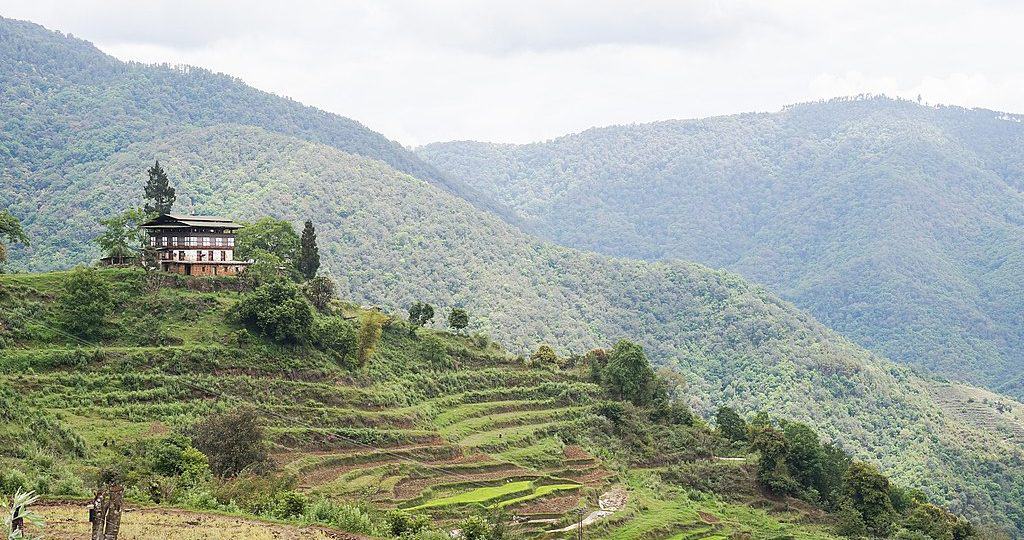
If you are searching for Bhutan in August, you are likely weighing one thing: will monsoon weather spoil the trip, or add something to it? August falls near the end of Bhutan’s summer monsoon. Some days are grey or wet, but the valleys are at their greenest, the pace is quieter, and the country feels less crowded than peak months.
This guide is written to help you decide. It covers Bhutan weather in August by region, how rain changes driving and hiking, current visitor fees, seasonal festivals, and what to pack so you stay comfortable. It is for travellers who want clear expectations, not sales talk.
If you are comparing months, you may also want our guides to Bhutan in July and Bhutan in September, plus an overview of the best time to travel to Bhutan.
Is Bhutan in August worth it?
Bhutan in August suits travellers who want greener scenery and a slower pace, and who do not mind occasional rain. If your main goal is reliable, clear mountain views every day, another month will usually be easier.
August can work well if:
- You prefer fewer visitors at major sights (Paro, Thimphu, Punakha).
- You enjoy forests, rivers, and rice terraces at their greenest.
- You can keep your plan flexible (an indoor alternative helps on wet afternoons).
August may be frustrating if:
- You have a very tight schedule with no buffer day (rain can slow road travel).
- You want long, high-view treks where visibility matters daily.
- You strongly dislike humid weather or walking on wet stone steps.
One real monsoon concern is slower road travel after heavy rain, sometimes with short pauses while a section is cleared. The practical response is simple: keep drive days realistic, start early, and leave a little flexibility in the itinerary if you can.
Weather Condition and Temperatures of Bhutan in August
August is within Bhutan’s summer monsoon season. Rain often continues, though it may ease as the month moves toward September. Conditions also shift quickly with altitude, so the same day can feel humid in a low valley and cool in a higher one.
- Southern foothills (lower altitude): warmer, more humid, and often wetter.
- Western valleys (Paro, Thimphu, Punakha): regular rain, with breaks of sun in between.
- Central and higher valleys (Bumthang and nearby areas): cooler nights and often lower humidity.
In August, cloud often builds later in the day. For better views and clearer photos, plan key walks and lookouts for the morning, including Tiger’s Nest.
The table below gives a practical sense of what to expect in common stops. Rain and cloud cover vary from week to week, so use this as a guide rather than a promise.
| Place | Typical day (°C) | Typical night (°C) | Rainfall pattern in August |
|---|---|---|---|
| Paro | Roughly 20 to 23 | Roughly 12 to 15 | Showers are common, often afternoon or evening |
| Thimphu | Roughly 19 to 22 | Roughly 12 to 14 | Similar to Paro; cloudy spells with breaks |
| Bumthang | Roughly 17 to 21 | Roughly 10 to 13 | Cooler valley; rain is possible but often less humid |
| Punakha | Roughly 24 to 27 | Roughly 18 to 20 | Warmer and can feel more humid; rain can be heavier |
| Phobjikha Valley | Roughly 11 to 15 | Roughly 3 to 7 | Cooler; misty mornings are common |
If damp heat bothers you, include at least one cooler valley (for example Bumthang or Phobjikha). It balances warmer, wetter stops such as Punakha.
Paro weather in August

Paro often feels mild compared with lower valleys. Days are usually comfortable, nights can be cool, and rain often comes in bursts rather than nonstop all day. Views can fade later in the afternoon when cloud builds.
- Plan Tiger’s Nest early in the day for the best chance of clearer skies.
- Use shoes with grip: stone steps can be slippery after rain.
Thimphu Weather in August
Thimphu often matches Paro in August: mild air, regular showers, and visibility that can change within an hour. It works well for a mix of outdoor sights and indoor stops such as museums, monasteries, and small markets when rain rolls through.
- Carry a small umbrella or light rain jacket for short showers.
- Keep one indoor activity ready for late afternoons.
Bumthang Weather in August
Bumthang is usually cooler, especially after sunset. Many people notice the air feels less humid here than in lower valleys. Showers still happen, but evenings often call for a warm layer.
- Pack one warmer mid-layer for nights.
- If you like quieter walks, this region often feels calmer in August.
Punakha Weather in August
Punakha sits lower, so it is typically warmer and can feel more humid in August. Rain can be heavier here than in Paro or Thimphu. In return, you get very green rice fields and a lush river valley landscape.
- Choose quick-dry clothing here; it helps a lot in humid weather.
- Start drives early to reduce the chance of delays later in the day.
Phobjikha Valley Weather in August
Phobjikha is cooler and often misty, especially in the morning. Even in August, nights can feel chilly. It suits travellers who want a quieter valley and do not mind damp ground on walks.
- Bring a warm layer for evenings and early mornings.
- Expect damp ground: waterproof shoes help on nature walks.
Want more information? Send us your query, and our experts will get back to you within 24 hrs.
Choosing a Bhutan tour in August
In August, a comfortable pace matters. Shorter drive days, early starts, and a little spare time for changing weather make the trip feel calmer.
Many travellers choose 5 to 8 days for Paro, Thimphu, and Punakha, and add extra days if they want central valleys like Bumthang.

If you want a structured cultural route, you can review our Discover Bhutan Tour. For sightseeing ideas, our list of must-see places in Bhutan can help you decide what matters most.
August planning tip: keep one flexible half-day (or a full day if possible). It reduces stress if a shower slows a hike, or if a road section takes longer than expected.
Trekking in Bhutan in August
August is not peak trekking season in Bhutan. Trails can be muddy, leeches can appear in forested sections, and long-distance views are not guaranteed because cloud cover is common. People who trek in August usually do it for quieter routes and very green forests, not for constant big views.
If you are trekking in August, plan with these expectations:
- Choose routes where the experience is still good without constant long-range views.
- Bring waterproof layers and a reliable pack cover. Quick-dry clothing matters more than thick clothing.
- Be flexible: a safe route choice matters more than a strict plan during monsoon weeks.
Druk Path Trek

One of the finest treks in Bhutan, it is doable in August with proper planning and supplies.
You pass through high mountain passes and ancient trading route. You can also see the high altitude lakes and pastures of alpine yak. Druk Path Trek can also include visits to spectacular temples, dzongs, and monasteries. Here, you can witness the splendid wall paintings and carvings.
During August, the forests on the trails are all luscious green. You can see blooms of local wildflowers.
You will also pass through fertile rice fields that cover the valley. You can also witness Bhutan’s unique culture. This trek takes you through the isolated villages and towns in and around Thimphu and Paro.
Phobjikha Valley Trek
August is a great month to do Phobjikha Valley trek. Also known as Gangtey trek, you trek through the splendid U- shaped glacial valley of Phobjikha.
On this trek, you pass through remote villages of Gogona, Phobjikha, and Gangtey. You also walk across picturesque meadows, vast fields, and ancient monasteries. On clear days, you can enjoy the splendid sceneries of the surrounding landscapes as well.
Festivals in Bhutan in August
August features seasonal mushroom-related events in Bhutan. Festival schedules can shift, so it is best to treat dates as provisional until they are confirmed nearer the time.

Mushroom Festival (Genekha, Thimphu)
Tentative dates (2026): 15 to 16 August 2026
- Local foraging and cooking
- Community performances and cultural programmes
- A good add-on if you are based in Thimphu
Matsutake Mushroom Festival (Ura, Bumthang)
Tentative dates (2026): 23 to 24 August 2026
- Forest walks focused on matsutake foraging (with local guidance)
- Seasonal dishes and simple community events
- Pairs well with a Bumthang cultural itinerary
If festivals are a main reason for your trip, build the itinerary around the location (Thimphu for Genekha, Bumthang for Ura) and keep a little flexibility for weather and local schedule updates.
Accommodation During Bhutan Tour in August
In August, you will have a wide range of options for accommodation. For a more luxurious stay, you can opt for deluxe hotels and resorts. For the rest, there are great hotels and lodges which provide basic facilities.
There are no air conditioners in these Bhutanese hotels. There will be electrical fans which are a must in the hot days of August. Most rooms are clean with proper ventilation, comfortable mattress, clean sheets, and blanket. Most rooms have attached bathroom with 24 hours hot and cold water.
You can also opt for homestays in Bhutan. These give you an intimate look into the culture and lifestyle of the local Bhutanese.
Most Bhutanese hotels do not provide disposable toiletries or slippers, and drying laundry can take longer in humid weather. Pack your own basics and a small plastic bag for wet items (rain jacket, umbrella, shoes).
Meals and Drinks During Bhutan Tour in August

Bhutanese cuisine has a sharp taste. This is due to the Chilies which are an important ingredient.
Rice is a staple in most Bhutanese meals with one or two side dishes. These can contain meat or vegetables. The popular meat items are beef, pork, and chicken. The vegetables are seasonal, locally grown and organic.
Do try local dishes like Ema Datshi, Momo, salted butter tea among others.
You will also find that most hotels and restaurants serve a variety of Indian, Chinese and Continental dishes. Other serves Thai, Korean, Indian and traditional Bhutanese meals.
If you are not used to spicy food, ask for a mild option early, not after the meal arrives. During monsoon months, it is also wise to drink sealed or filtered water and wash hands often, especially after markets and short hikes.
Bhutan travel costs and fees in August
When budgeting for Bhutan, separate the government fees from the rest of your trip costs (hotels, transport, guide, meals, and activities). For most international visitors, the main government fee is the Sustainable Development Fee (SDF).
Government fees (important to know)
- SDF: USD 100 per person, per night (effective until 31 August 2027 for USD-paying visitors). Children have reduced rates, and very young children may be exempt.
- Visa fee: commonly listed as USD 40 per person (separate from SDF).
- Indian nationals have a different SDF rate and entry process than other international visitors.
Trip costs (what changes the final price)
- Hotel level (standard vs. premium)
- Number of travel days and driving distances
- Seasonal availability (August is often less busy than autumn)
- Group size (shared transport and guide reduces per-person costs)
Travel protection tip: because monsoon weather can affect flights and roads, consider cover that includes delays and medical support.
Sample 6-day itinerary for Bhutan in August
This sample plan follows the classic western route (Paro, Thimphu, Punakha) and leaves room for monsoon conditions. In August, early starts and comfortable drive days help most. A little flexibility also makes it easier if a shower slows a hike.
Day 1: Arrive in Paro, Transfer to Thimphu
Land at Paro International Airport and drive to Thimphu (1.5 hours). Visit the National Memorial Chorten and browse local handicraft markets. Overnight in Thimphu.
Day 2: Matsutake Mushroom Festival in Genekha
Attend the Genekha Matsutake Festival (30 minutes from Thimphu). Join mushroom hunting, taste local dishes, and enjoy cultural performances. Visit Tashichho Dzong in the evening. Overnight in Thimphu.
Day 3: Thimphu to Punakha
Drive to Punakha via Dochula Pass (3 hours). Explore Punakha Dzong and Chhimi Lhakhang amidst lush monsoon scenery. Overnight in Punakha.
Day 4: Punakha to Paro
Return to Paro (3.5 hours). Visit Rinpung Dzong and stroll through Paro’s quaint streets. Overnight in Paro.
Day 5: Paro Taktsang & Free time
Hike to Paro Taktsang (Tiger’s Nest) Monastery (4-5 hours round trip). Shop for souvenirs and explore Paro Town.
Day 6: Departure
Transfer to airport.
Packing essentials to explore Bhutan in August
August is a monsoon month, so pack for wet paths, humid afternoons, and cooler evenings in higher valleys. Quick-dry layers and waterproof protection matter more than heavy clothing.

Rather than packing a lot, aim for a few items that handle August conditions: wet paths, damp clothing, and quick changes in weather.
- Backpack with rain cover
- Full-length trousers and shorts
- T-shirts or long sleeved shirts (not sleeveless)
- Sandals or flip flops (to rest your feet in during the evening and for use in the hotel)
- Sun hat
- Comfortable shoes (sneakers)
- Socks (Light, easy to dry)
- Torch (flashlight)
- UV protection sunglasses
- Sunscreen lotion
- Insect repellent cream (August is summer with chances of infestation of mosquitoes, flies)
- First aid kit (Include water purification tabs and motion sickness medication to this)
- Light rain jacket or poncho (breathable if possible)
- Dry bags or zip pouches for phone, documents, and power bank
- Extra socks (quick-dry) to change after rain
- Leech socks (optional, but useful for forest walks in monsoon)
- Small microfibre towel (dries faster in humid weather)
Questions people ask about visiting Bhutan in August
Most August questions come back to four things: rain, visibility, road travel, and what to wear. These short answers are here so you can plan calmly and avoid surprises.
Does it rain every day in Bhutan in August?
Rain is common, but it is not always continuous. In many areas it arrives as showers with breaks, and mornings are often clearer than late afternoon.
Is August a good time to visit Bhutan?
August suits travellers who value green scenery and quieter sites and who do not mind some rain. If your trip depends on clear mountain views most days, a drier month is usually the safer choice.
Can I hike Tiger’s Nest (Paro Taktsang) in August?
Yes, it is usually doable. Plan for wet stone steps and occasional mist. Start early, use shoes with good grip, and leave extra time for the descent.
How does monsoon weather affect road travel in August?
After heavy rain, driving can be slower and there can be short delays if a section needs clearing. Starting drives early and leaving some breathing space in the schedule is the easiest way to stay relaxed.
What should I wear in Bhutan in August?
Light layers that dry quickly work best, plus a rain layer for showers. Even in August, higher valleys such as Bumthang and Phobjikha can feel cool at night, so one warm mid-layer is useful.
Is it worth visiting Punakha in August?
Yes, if you want warm valley scenery and very green rice fields. Punakha can feel more humid than Paro or Thimphu, so quick-dry clothing helps.
Are leeches a real issue in Bhutan in August?
They can appear in forested areas during the monsoon, especially after rain. Insect repellent helps, and some travellers use leech socks on nature walks or wet trails.
What is the simplest way to plan a Bhutan tour in August?
Keep the route realistic, choose a comfortable pace, and leave a small buffer (even a half-day) for weather changes. August trips go best when you plan for flexibility rather than rushing.
Final thoughts
Bhutan in August comes with more cloud and occasional rain, but you also get greener valleys, fewer visitors in many places, and a gentler pace of travel.
If you plan with flexible timing, early starts, and the right clothing, August can be comfortable and genuinely rewarding.
If you are still deciding, compare this guide with Bhutan in October (drier, busier) and Bhutan in September (transition month). The best month depends on whether you prioritise clear skies or quieter travel.
Want more information? Send us your query, and our experts will get back to you within 24 hrs.

Madhav Prasad is a seasoned trekking and tourism expert with over two decades of experience in the field. Starting his career in 2001 as a porter, Madhav quickly advanced to the role of trekking guide, gaining invaluable hands-on experience in Nepal’s diverse trekking routes. In 2009, after eight years of dedication to the industry, he co-founded Mosaic Adventure, a leading trekking and tour company known for its commitment to safety, sustainability and personalized service.
Madhav has personally trekked to nearly every major trekking destination in Nepal, including Everest Base Camp, Annapurna Base Camp, the Annapurna Circuit, Poon Hill, Jomsom Muktinath, the Indigenous Peoples Trail, Langtang Valley and Mardi Himal, among others. His experience extends beyond Nepal, as he has also successfully summited Mount Kilimanjaro, Africa’s highest peak.
In addition to his extensive trekking credentials, Madhav is well traveled globally, having explored countries such as Australia, the USA, the UK, France, Japan, China, and many others. His global exposure enhances his ability to understand and cater to the diverse needs of international trekkers.
Madhav is the primary point of contact for many clients at Mosaic Adventure, personally addressing inquiries and helping plan treks with a meticulous and personalized approach. His deep knowledge of Nepal’s trekking routes, combined with his global travel experience, ensures that every trek is well planned, safe and unforgettable.
