
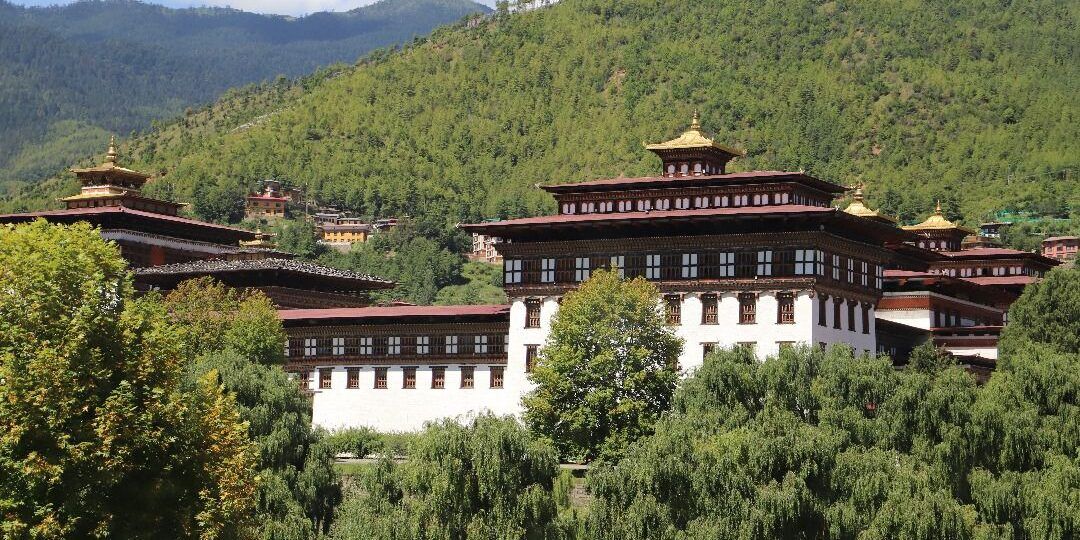
Wondering when is the best time to visit Bhutan? Bhutan, the Land of the Thunder Dragon, feels different in every season, from bright festival days to quiet winter valleys. This guide helps you pick the best month to travel to Bhutan based on what you want most: clear mountain views, festivals, trekking, fewer crowds, or better value.
Quick answer: Best time to visit Bhutan
- Best overall seasons: Spring (March to May) and Autumn (September to November) for the most reliable weather and views.
- Best months for trekking: April, May, October, and November.
- Best for festivals: mainly spring and autumn, but dates change each year (Bhutan follows a lunar calendar).
- Best for fewer crowds and quiet travel: December to February (cold, but clear skies in many valleys).
- Best for lush green landscapes: June to August (warmer, wetter, and trails can be muddy).
There is no one perfect month for everyone. The best season to travel in Bhutan depends on your priorities. Use the sections below to match Bhutan’s seasons with your travel style, your comfort with cold or rain, and the places you want to see.
Best Time to Travel to Different Regions of Bhutan
Bhutan’s geography, with high Himalayan peaks, forested valleys, and different elevations, creates small microclimates. This section helps you match the season to the places you want to see.

At a glance: Bhutan has four main seasons. Use this table to decide quickly, then read the region notes below.
| Season | Months | Best for | What to expect | Who should avoid |
|---|---|---|---|---|
| Spring | Mar to May | Flowers, hikes, first-time visits | Dry to mild weather, blooming valleys, comfortable walking | Travelers who hate crowds (April can be busy) |
| Summer | Jun to Aug | Green landscapes, quieter roads, cultural touring | Warm days, higher chance of rain, cloudy spells, muddy trails | High-hike trekkers who want dry trails |
| Autumn | Sep to Nov | Clear views, festivals, best trekking conditions | Post-monsoon clarity, crisp air, peak travel months | Budget travelers who want the lowest prices |
| Winter | Dec to Feb | Quiet travel, clear valley skies, winter sun | Cold mornings and nights, snow in higher areas, fewer tourists | Those sensitive to cold or tight schedules |
Western Bhutan
The southwestern region of Bhutan includes Paro, Thimphu, Haa Valley, and Punakha. For spring color and blooming valleys, plan for March to May, especially around Paro and Haa.
For festivals and clear post-monsoon weather, October is a strong choice. Thimphu comes alive during festival season, and the hills often look fresh and green after the rains.
Eastern Bhutan
The central and eastern region includes Trongsa, Wangdue, Gangtey, and Bumthang. In late November, Gangtey hosts its Tsechu, and this is also when black-necked cranes arrive in the valley for winter.
If cranes are high on your list, plan for late October through November. Winter in these areas feels colder because of higher altitude and proximity to the Himalayas, but that is also what brings the clear air and the snow views many travelers love.
Bumthang is often best in October or November, when the weather is comfortable and the countryside looks its best.
Choose the Best Time to Visit Bhutan Based on Your Trip Style
If you already know what matters most, this section will help you choose the right season. Then you can use the month-by-month table to narrow down your exact dates.
If you want the clearest Himalayan views
Pick October to November for crisp air after the monsoon. Spring can also be clear, but autumn is usually the most consistent for big mountain views.
If festivals are your main reason for visiting
Bhutan’s biggest festivals often fall in spring and autumn. Because dates follow the Bhutanese lunar calendar, ask your tour operator for the exact festival dates before you book flights.
If you want the best trekking conditions
Most travelers prefer April to May and October to November for stable weather and clearer trails. See treks like Druk Path Trek and Phobjikha Gangtey Valley Trek.
If you want fewer crowds and a calmer pace
December to February can be a great choice in the western valleys (Paro, Thimphu, Punakha) if you pack warm layers. It is quieter, and many days are bright and clear.
If you want better value
For many travelers, June to August and parts of late February can feel more relaxed and sometimes cheaper. Plan with extra flexibility in case rain affects road travel.
Short on time? If you want a compact trip that still covers Bhutan’s highlights, consider a 5 Days Bhutan Tour or the Discover Bhutan Tour.
Want more information? Send us your query, and our experts will get back to you within 24 hrs.
Best Season to Travel to Bhutan

In Bhutan, you can find distinct seasons of Summer, Winter, Spring and Autumn. Now let us discuss each season individually with its own perks:
Summer
Summer in Bhutan starts in the month of June and extends up to August. This is a good season to visit Bhutan if you want to see lush green paddy fields and landscapes, enjoy warmer days, and travel with fewer crowds.
These months also experience monsoon showers. Monsoon in Bhutan is different from tropical monsoons. You may get mild afternoon showers every two or three days, and many mornings stay clear. Still, clouds can reduce mountain visibility at times, so summer is usually better for cultural touring than for long, high trekking.
Hence, you can enjoy day tours to beautiful dzongs, monasteries, and valleys at a relaxed pace. However, trekking during these months is not ideal because trails can get muddy and slippery.
The temperature in Bhutan around this season often stays in the mid-20s degree Celsius in many valleys during the daytime, but it changes a lot by altitude.
June
Traveling to Bhutan in June can help you enjoy warm weather and often lower costs than peak months. This is the beginning of the summer season, so rainfall is usually lighter than July and August.
July and August
The weather during this time can feel warm with mild humidity. You may see light showers every two or three days, often during late afternoon, evening, or night.
If you enjoy a little rain and love green scenery, traveling during these months can be a peaceful choice. These months often see fewer tourists, which makes it easier to slow down, talk with locals, and learn more about daily life, culture, and traditions.
Festivals in Summer
Some of the festivals you can witness during the summer season are as follows:
- Kurjey Tshechu: This is one of the main festivals during this season. It usually falls in July at Kurjey Lhakhang in Bumthang Chokkor valley. Locals believe that Guru Rinpoche, who introduced Buddhism to Bhutan, left an imprint of his body on a rock inside the temple.
- Haa Summer festival: This festival takes place in the high altitude alpine forests, meadows, and lakes. It celebrates the Bhutanese way of life, local cuisines and delicacies, and culture.
- Matsutake Mushroom festival: This takes place during the last week of August in Ura, Bumthang.
Tips to Travel During Summer
- Pack layers. Days can be warm in the valleys, but evenings can be cool, especially outside the main towns.
- Prepare for rain with a light raincoat or umbrella. Waterproof shoes help if you plan short hikes.
- If trekking is a priority, choose spring or autumn for drier trails.
Winter
The winter season in Bhutan begins in December and lasts till February. These months are the coldest months of Bhutan. The temperature can vary from one region to another, but in many popular valleys it often ranges from around 10 degrees to below freezing at night.
Those who enjoy winter and do not mind the chill may love this season. Skies can be clear, the air feels crisp, and you can get beautiful mountain views. Winter is also quieter, which many travelers find relaxing.
December
December is the starting month of the winter season. The first few days are not always as cold, so you can enjoy clear blue skies and hillside views. This month also tends to have fewer crowds.
January and February
In the later weeks of January and early February, you may experience light snowfalls in places like Thimphu and Paro. Sometimes Bhutan declares snow days as holidays, depending on conditions.
You may also get to enjoy winter games with locals. If you are visiting higher altitude areas, temperatures can drop well below zero.
In the eastern and central regions, winter can be harsher due to heavier snowfall. This can disrupt roads and everyday transport. If your route includes higher passes, keep extra buffer days and stay flexible.
Festivals in Winter

Some of the festivals you can witness during the winter season are:
- Trongsa Tshechu: This Tshechu takes place in Trongsa Dzong. During winter, fewer travelers visit Bhutan due to the cold, so the experience can feel more personal. The festival usually takes place around December and January and includes dance performances with elaborate costumes and masks.
- Nomad festival: This festival takes place in Bumthang during the last week of February. Local herders from the northeast and northwest frontiers come together for a memorable celebration of culture and tradition.
Tip to Travel During Winter
- Carry heavy winter garments. Pack high SPF cream, sunglasses, thermals, woolen socks, and gloves to handle cold and bright winter sun.
- Carry basic medication for common cold, cough, and fever.
- Keep extra days in your plan in case of roadblocks due to snow or icy conditions.
Spring Season
Spring in Bhutan starts in March and extends up to May. During this time, the local flora and fauna are at their best. For nature lovers, spring is often the favorite season to travel to Bhutan.
The weather is generally dry and less humid, with comfortable conditions to explore Bhutan on foot and enjoy trekking activities. This is also a popular and busy time, so planning ahead helps.
March and April
These months are often the best time to travel to Bhutan if you want blossoms, clear walking weather, and lively valleys. You can enjoy hillsides with colorful blooms, including more than 100 species of rhododendrons.
Many days fall in a comfortable range for sightseeing and hikes. Higher places and early mornings can be cooler, so layers matter.
Druk Path trek and Phobjikha Valley trek are some of the treks you can take during spring.
And if long treks are not something you prefer, there are also beautiful day hikes in the mountains and around the main valleys.
May
May is the last month of spring in Bhutan. Temperatures slowly start to rise, and humidity can increase toward the end of the month.
This month often sees fewer crowds compared to March and April. It can be a great choice if you want spring scenery but a slightly calmer pace.
Festivals in Spring
Some of the festivals you can witness during spring are:
- Punakha Drubchen and Tshechu: This takes place in March and celebrates Bhutan’s history from the 1600s. Highlights include Punakha Dzong and a dramatic recreation of a 17th century battle.
- Paro Tsechu: This is one of the most popular festivals in Bhutan and often takes place in April. Many travelers hope to catch a glimpse of the royal family, who may attend on key days.
- The Ura Yakchoe festival: This takes place in Bumthang during May. You can enjoy the famous Ura Yakchoe dance, the display of a sacred relic, and blessings.
Tips to Travel During Spring
- Carry a camera for spring landscapes and blossoms.
- Pack a hat, sunglasses, and light layers. Early mornings can still be cool.
- Trek wherever possible, but choose routes that match your fitness and time.
- Because it is a peak season, plan in advance for flights and accommodation.
Autumn

Another popular time to visit Bhutan after spring is autumn, which starts from September and extends till November.
Cooler temperatures are ideal for hiking and attending festivals. Rainfall is usually lower than summer, and landscapes feel fresh and clear after the monsoon. This is one of the most reliable seasons for mountain views and comfortable travel.
September
September is the first month of the autumn season in Bhutan. During the first week of September, you may still see the last traces of monsoon, especially as you move between valleys.
October
October is a peak month in Bhutan. The air often feels crisp, and views can be at their best. Landscapes that were bright green in summer start turning golden as farmers harvest rice crops.
Because it is a peak month, popular hotels and flights can fill quickly, so advance booking helps.
November
November is a strong month to witness the black-necked cranes in their natural habitat. By November, these endangered birds complete their annual migration from the Tibetan Plateau to the protected Phobjikha Valley. There is also a festival around the cranes in Gangtey.
By November, temperatures start to drop. Days can still feel pleasant in the sun, but mornings and evenings are colder.
Festivals in Autumn
Some of the festivals you will witness during autumn are:
- Black-necked crane festival: This festival celebrates the arrival of the endangered black-necked cranes. It takes place in the courtyard of Gangtey Gonpa to promote conservation of these beautiful birds.
- Jambay Lhakhang Drup Festival: This takes place during late October to early November. It lasts up to 5 days and honors Guru Rinpoche, while also commemorating the establishment of Jambay Lhakhang in the 7th century.
- Thimphu Tsechu: This is a grand festival that takes place in the modern capital, Thimphu. Wangdue Tshechu often falls around the same time, which can give you a chance to see two different Tshechus in one trip.
Tips to Travel During Autumn
- Carry light layers and essential hiking items. Temperatures change fast between sunny afternoons and cold evenings.
- Advance booking of flights and accommodation is important due to peak season crowds.
NOTE: Bhutan follows the Bhutanese lunar calendar. Dates of Tshechus can fall at different times each year. To make sure you do not miss them, inquire before you confirm your booking.
Bhutan Weather by Month: What Each Month Is Best For
If you searched for Bhutan best month for visitors, use this table to match your priorities with the calendar. Temperatures vary by altitude, so think of this as a practical planning guide, not a perfect science chart.
| Month | Season feel | Best for | Notes |
|---|---|---|---|
| January | Cold and quiet | Peaceful culture, clear days | Pack heavy layers. High passes can be icy. Read: Bhutan in January |
| February | Cold, slowly warming | Low crowds, winter sun | Good for a calm trip if you dislike crowds. Read: Bhutan in February |
| March | Spring begins | Flowers, walking tours | One of the most comfortable months to start the year. Read: Bhutan in March |
| April | Peak spring | Trekking, festivals, photography | Popular month. Book earlier for flights and hotels. Read: Bhutan in April |
| May | Late spring | Hikes with slightly fewer crowds | Warm afternoons begin. Great for those who want spring without peak crowds. Read: Bhutan in May |
| June | Early summer | Green valleys, relaxed touring | Rain starts to increase. Treks are less reliable. Read: Bhutan in June |
| July | Summer and wetter | Culture, fewer tourists | Expect rain and clouds. Plan indoor culture and flexible drives. Read: Bhutan in July |
| August | Summer, lush landscapes | Quiet trips, greenery | Similar to July. Trails can be muddy. Read: Bhutan in August |
| September | Autumn begins | Shoulder season, improving views | Early September can still have leftover monsoon weather. Read: Bhutan in September |
| October | Peak autumn | Best views, best trekking, festivals | One of the busiest months, plan early. Read: Bhutan in October |
| November | Crisp and clear | Views, hikes, black-necked cranes | Excellent month for Phobjikha and Gangtey. Read: Bhutan in November |
| December | Winter starts | Quiet travel, winter light | Cold nights, fewer travelers. Read: Bhutan in December |
Tip: If you are coming via Nepal, you may like Bhutan Tour from Kathmandu or a combined Nepal and Bhutan Tour.
Practical Tips for Traveling to Bhutan
- Visa and entry rules: Most international visitors need a visa arranged through a licensed Bhutanese tour operator. (Indian, Bangladeshi, and Maldivian nationals have different entry rules.)
- Sustainable Development Fee (SDF): Bhutan charges an SDF of US$100 per person per night for most international visitors. Indian nationals currently pay INR 1,200 per person per night. Children discounts may apply.
- Trip cost: Total cost depends on your hotel level, route, season, and group size. Think of it as SDF + tour services (guide, transport, hotels, and meals depending on your package). Ask for a quote that matches your style, not a generic number.
- Getting there: Most travelers fly into Paro International Airport. Routes can change by season, so confirm your best flight option before locking dates.
- Packing: Layers matter in Bhutan. Valleys can feel mild at noon, but mornings and mountain passes can be cold. A light rain layer helps in summer.
- Health and comfort: Plan slower days if you are sensitive to altitude. Add 1 flexible day in the itinerary during winter or monsoon months.
- Insurance: Consider travel insurance that covers medical care and trip delays.
Bhutan Trip Timing FAQs
These are the questions we hear most often from travelers planning Bhutan, especially when they are trying to choose the best month for views, festivals, trekking, or fewer crowds.
What is the best time to visit Bhutan overall?
For most travelers, the best time to visit Bhutan is spring (March to May) and autumn (September to November). These seasons are usually the most comfortable for sightseeing and hiking, with better chances of clear views.
What is the best month to visit Bhutan if I can only pick one?
If you want one safe pick, choose October for crisp weather and strong chances of clear mountain views. If you prefer spring flowers and fresh valleys, choose April.
Is October always perfect in Bhutan, or can it still rain?
October is often one of the clearer months, but you can still get rainy spells, especially early in the month. If you want a slightly safer bet for clearer days, late October to November is a smart window.
Which is better for clear Himalayan views: October or November?
Both can be excellent. Many travelers prefer late October and November for sharper visibility after the monsoon fully settles. November nights can be colder, so pack warm layers.
Is summer (June to August) a bad time to visit Bhutan?
Not at all. Summer is a good time if you want green landscapes, fewer tourists, and a calmer pace. Rain and clouds can reduce mountain visibility, and trekking trails can be muddy. Summer works best for culture, valleys, and shorter walks.
Will monsoon ruin my trip in July or August?
It depends on your plan. If your trip is focused on long treks and distant mountain views, monsoon months are less reliable. If your plan is temples, dzongs, local life, and relaxed valley travel, you can still have a great trip. Keep your schedule flexible and expect occasional rainy afternoons.
Is winter (December to February) worth it, or is it too cold?
Winter can be a great choice if you pack properly. Many days in western valleys can be bright and clear, and crowds are lower. The main trade-off is cold mornings and nights, plus the chance of snow affecting higher roads.
Do roads close in winter because of snow?
Sometimes, especially on higher routes and passes. Western valleys (Paro, Thimphu, Punakha) are usually easier in winter than higher or more remote areas. If winter is your season, keep one buffer day and avoid packing your schedule too tight.
When do the black-necked cranes arrive in Phobjikha (Gangtey)?
Most travelers plan for late October through November to improve their chances. November is a strong month to see cranes in the valley, and it also matches your post-monsoon, crisp-weather travel window.
Do Bhutan festival dates stay the same every year?
No. Many major festivals follow the Bhutanese lunar calendar, so dates can shift each year. If a specific festival matters to you, confirm the exact dates before you book flights.
How far in advance should I book for peak season (spring and autumn)?
If you are traveling in April or October, book early, especially for flights to Paro and popular hotels. In shoulder or quiet months, you usually have more flexibility.
What should I pack for Bhutan since the weather changes so fast?
Pack layers in every season. Even when valley days feel warm, mornings and evenings can be cold, and higher places can be much colder. In summer, add a light rain layer. In winter, add thermals, gloves, and warm socks.
Final Say
Bhutan is not a one-season destination. The real question is: what matters most to you?
- If you want the most reliable mix of weather and scenery, choose spring (March to May) or autumn (September to November).
- If you want quiet valleys and fewer tourists, choose winter (December to February) and pack warm layers.
- If you want lush green landscapes and a slower pace, consider summer (June to August), with flexible plans.
If you want help choosing dates based on your interests, we can plan a Bhutan itinerary that fits your pace, your comfort level, and your must-see list.
For further question or queries, please feel free to contact us.
Want more information? Send us your query, and our experts will get back to you within 24 hrs.

Madhav Prasad is a seasoned trekking and tourism expert with over two decades of experience in the field. Starting his career in 2001 as a porter, Madhav quickly advanced to the role of trekking guide, gaining invaluable hands-on experience in Nepal’s diverse trekking routes. In 2009, after eight years of dedication to the industry, he co-founded Mosaic Adventure, a leading trekking and tour company known for its commitment to safety, sustainability and personalized service.
Madhav has personally trekked to nearly every major trekking destination in Nepal, including Everest Base Camp, Annapurna Base Camp, the Annapurna Circuit, Poon Hill, Jomsom Muktinath, the Indigenous Peoples Trail, Langtang Valley and Mardi Himal, among others. His experience extends beyond Nepal, as he has also successfully summited Mount Kilimanjaro, Africa’s highest peak.
In addition to his extensive trekking credentials, Madhav is well traveled globally, having explored countries such as Australia, the USA, the UK, France, Japan, China, and many others. His global exposure enhances his ability to understand and cater to the diverse needs of international trekkers.
Madhav is the primary point of contact for many clients at Mosaic Adventure, personally addressing inquiries and helping plan treks with a meticulous and personalized approach. His deep knowledge of Nepal’s trekking routes, combined with his global travel experience, ensures that every trek is well planned, safe and unforgettable.
