
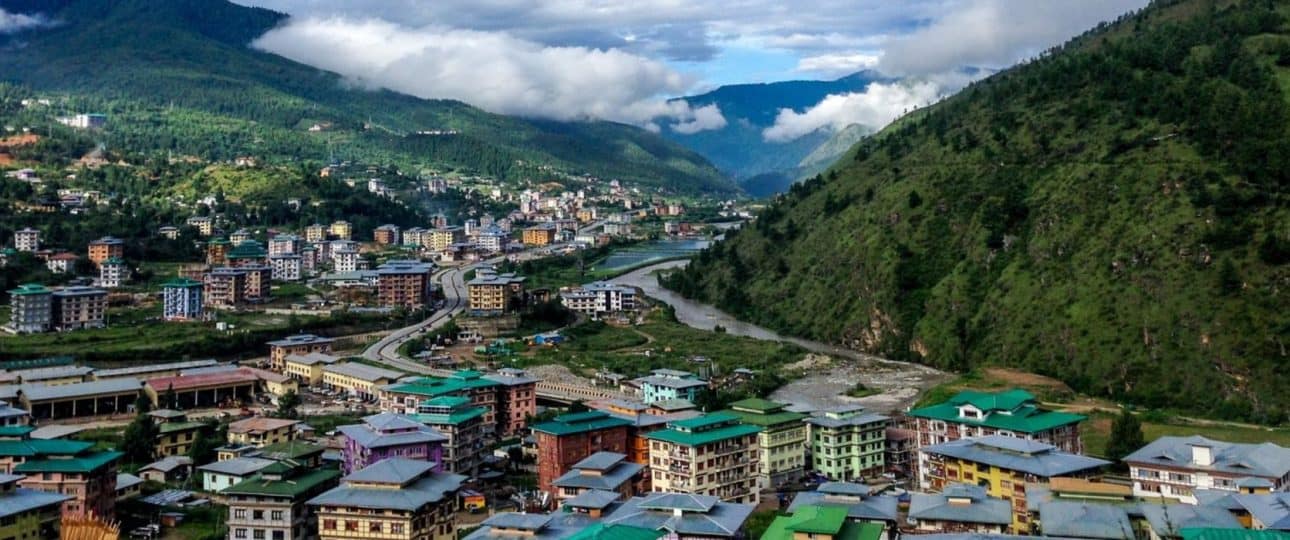
Thinking about Bhutan in June usually comes down to two questions: “How wet will it be?” and “Will it still be enjoyable?” June is when the country starts to look and feel greener. Days are warmer, showers are more common (often later in the day), and popular valleys are typically quieter than in spring and autumn.
Some travellers choose June in Bhutan for calmer sightseeing and better room availability. Others come for the fresh landscapes, rivers, and waterfalls. Whatever your reason, it helps to plan with June conditions in mind, weather by region, realistic driving days, possible festival timing, what to pack, and the fees you pay as a visitor.
Bhutan in June: quick facts
- Weather: mild-to-warm days, cooler nights in higher valleys; rain chances rise through the month.
- Landscape: greener hills, active rivers and waterfalls, and rainbows after showers.
- Crowds: often lighter than spring (Mar to May) and autumn (Sep to Nov).
- Views: big mountain panoramas can happen, but cloud and haze are more common than in peak months.
- Road notes: rain can slow long drives; it helps to keep plans flexible.
- Fees: most visitors pay the Sustainable Development Fee (SDF) and a US$40 visa fee (details below).
June works well for travellers who like quiet temples and dzongs, green valleys, and a slower pace. If your trip depends on clear Himalayan views every day, June can feel hit-or-miss, especially later in the month when cloud cover builds.
For a wider seasonal comparison, see our guide to the best time to travel to Bhutan.
Considering Nepal + Bhutan together? Some travellers combine the two for flight routing and a broader mix of culture and short hikes. If that matches your plan, you can review our Nepal and Bhutan tour overview.
Bhutan Weather and Climate in June
June is the shift into Bhutan’s wetter, greener period. Altitude makes a big difference: higher valleys such as Thimphu and Paro stay mild, while the southern foothills are warmer and more humid. Rain can come in short bursts, and heavier spells are more likely toward late June and into July.
June is still comfortable for sightseeing in the main valleys, but you should expect more cloud and the occasional wet road. If wide-open mountain views are the main goal, it is worth comparing June with Bhutan in May or Bhutan in September.
A good rhythm in June is to do viewpoints and outdoor walks earlier, then keep museums, markets, and indoor cultural stops for later afternoon, when showers are more likely.
| Place (common bases) | Typical June temperatures | Typical June rainfall pattern | What it means for travellers |
|---|---|---|---|
| Thimphu / Paro (higher valley) | Mild days, cool nights | Regular showers possible | Comfortable for culture + short hikes; pack layers + a rain shell |
| Punakha / Wangdue (lower valley) | Warmer than Thimphu | More humidity; rain can feel heavier | Very green scenery; start earlier to avoid afternoon showers |
| Phuentsholing / southern belt | Warm to hot, humid | Higher rainfall risk | Useful for entry/exit logistics; midday heat can be uncomfortable |
| Bumthang (central Bhutan) | Mild days, cool evenings | Showers possible | Good for culture, a quieter pace, and June festivals |
Weather shifts year to year, so use averages as a guide, not a guarantee. The easiest June trips are the ones that allow small changes without stress: flexible timing, sensible driving days, and rain-ready clothing.
Want more information? Send us your query, and our experts will get back to you within 24 hrs.
Accommodation in Bhutan in June

Compared with the busy spring and autumn months, Bhutan in June often has better room availability. That can make planning simpler, especially if you prefer quieter hotels or want more choice in Paro and Thimphu.
Most mid-range hotels provide clean rooms, comfortable bedding, and attached bathrooms with hot water. In higher valleys, evenings can still feel cool, so ask about heating if you are sensitive to cold. In lower valleys, good ventilation matters more.
Homestays are available in some regions and can be a meaningful way to understand daily life. Facilities vary by place, so it is normal to have simpler bathrooms or limited hot-water timing. If you choose a homestay, pack quick-dry towels and keep expectations practical.
If you are comparing seasons for comfort and availability, see Bhutan in July and Bhutan in August as well.
Food in Bhutan in June
The most unique feature of Bhutanese cuisine is its sharp taste. Chilies are an important ingredient. The Bhutanese people consider chilies so important that they would not enjoy a meal that is not spicy.
Rice forms the main body of most Bhutanese meals with one or two side dishes consisting of meat or vegetables. Beef, pork, and chicken are the meats that most locals take frequently.
Ema Datshi, which means chili and cheese, is Bhutan’s most famous dish that tourists traveling to Bhutan should try at least once.
Hotels and restaurants do prepare a much milder version of the dish for first-time tryouts. Another common and popular food is Momo (steamed dumplings). The vegetarian version comes with cheese mixed onion and cabbage.
In some eateries, you will get a steaming bowl of bone marrow soup that is on boil throughout the day along with momo. This will be great in June on some rainy day.
Bhutan also has a unique salted butter tea called Suja, which some visitors describe as closer to a warm savoury drink than a typical tea.
Hotels and restaurants also serve a variety of Indian, Chinese and Continental dishes. In recent years a number of restaurants have opened up in the capital serving Thai, Korean, Indian and traditional Bhutanese meals.
If your stomach is sensitive, start with freshly cooked dishes, go easy on very spicy chilli-based meals on day one, and carry oral rehydration salts. Most hotels can also prepare simpler food if you ask in advance.
What to Do in Bhutan in June
June is a strong month for cultural sightseeing, valley walks, and slow travel. When rain arrives, it is helpful to have a mix of indoor and outdoor activities.
Culture and heritage (good even on rainy afternoons)
- Explore dzongs, museums, and traditional architecture in Paro and Thimphu.
- Plan Tiger’s Nest (Taktsang) early in the morning for the best chance of clearer skies.
- Use our top must-see places in Bhutan list to prioritise stops if your time is limited.
Nature without long trekking
- Short hikes and viewpoint walks between showers.
- Rivers, waterfalls, and forest scenery—June is one of the greenest periods.
- Photography of daily life and landscapes (carry a rain cover for your camera/phone).
Plan B ideas for heavy rain
- Handicraft markets, local cafés, and cultural museums.
- Cooking demonstrations or simple food experiences through your hotel/host.
- Longer indoor monastery visits where allowed.
Cost of Tour to Bhutan in June
Bhutan no longer uses the older “all-inclusive daily tariff” model that many older blog posts mention. Most visitors now pay the Sustainable Development Fee (SDF) and a one-off visa fee, and then pay separately for hotels, transport, guide services (if used), and meals depending on how the trip is arranged.
Typical Bhutan fees (check at booking time)
- SDF: commonly US$100 per person per night for most international visitors (concessions apply for children).
- Visa fee: US$40 (one-off, non-refundable).
These are government-set fees and are separate from your travel services. Your total Bhutan tour in June cost will depend on hotel category, route, group size, and whether you include a guide and driver for the full trip.
If you are budgeting, it helps to think in three layers:
- Government fees: SDF + visa fee.
- Trip services: hotels, transport, guide (if included), and entrance fees where applicable.
- Personal spend: drinks, shopping, tips, and any upgrades.
For official visa and fee references, see Bhutan’s current visa guidance, which lists the US$40 visa fee and explains the SDF payment during the visa process.
Planning Nepal + Bhutan together? Our 14-day Nepal and Bhutan tour is one option if you prefer a single plan that covers both countries.
Bhutan Tour Package in June

Most Bhutan tour in June plans fit one of three styles: a short first-time route (Paro – Thimphu – Punakha), a slower cultural trip with more monasteries and museums, or a greener-season itinerary that focuses on walks, valleys, and everyday life rather than big panoramic views.
If you want a simple first-time route, our 5 days Bhutan tour page shows a common outline. For travellers with more time, routes often add central Bhutan (Bumthang) for deeper culture and, in some years, June festivals.
You will also get to witness the unique architecture and enjoy the full blooms of the wildflowers of the country in June.
And if you have enough time you can choose the longer tour packages that can last up till 8 to 10 days. Here you can explore Thimphu, Paro, Punakha which are the popular cities of Bhutan.
Moreover, Bhutan has several ancient monasteries, Dzongs, and Chortens of great religious importance. Hence with more time in your hand, you can visit these which will definitely be a worthy experience.
Trekking in Bhutan in June
Trekking in Bhutan in June can work, but it is not the easiest month for long, high-elevation routes. Rain and cloud can reduce views, and trails can become muddy or slippery. If you are trekking in June, plan for shorter routes, extra buffer days, and equipment that stays reliable when wet.
What usually works better in June:
- Short hikes near Paro and Thimphu (good for first-time visitors).
- Lower to mid-elevation walks where forest and valley scenery are the main goal.
- Flexible itineraries that can swap a hiking day with cultural sightseeing if rain is heavy.
If you are set on a classic multi-day trek, compare June with drier trekking windows using our best time to travel to Bhutan guide. If your schedule is fixed and you want a well-known route, see our Druk Path trek overview and plan rain-ready gear.
June trekking checklist: waterproof jacket, pack cover, quick-dry layers, grippy boots, spare socks, and a simple blister kit. Start early, and avoid rushing downhill on wet stone steps.
Festivals to Enjoy during June

June can line up with festivals in central Bhutan, especially around Bumthang. Dates follow the Bhutanese lunar calendar, so they change each year.
- Nimalung Tshechu (Bumthang): 22 to 24 June 2026
- Kurjey Tshechu (Bumthang): 24 June 2026
What to expect: masked dances, ceremonial music, local families in traditional dress, and a respectful, community-focused atmosphere. If you attend, dress modestly, follow guidance on photography, and give people space during prayer moments.
Planning tip: If festivals are the main reason you want to visit Bhutan for tour in June, build your itinerary around Bumthang and confirm dates again close to travel, as schedules can shift.
Packing for Bhutan in June
June temperatures change quickly with altitude and time of day. Pack for mild afternoons, cool evenings in higher valleys, and rain.
- Rain protection: lightweight rain jacket with hood, small umbrella, backpack rain cover.
- Footwear: grippy walking shoes or hiking boots (paths can be muddy and slippery).
- Clothing: quick-dry tops, one warmer layer for evenings, light trousers, and socks that dry fast.
- Sun + bugs: sunscreen, sunglasses, hat, and insect repellent (especially in lower valleys).
- Basics: small medical kit, hand sanitiser, rehydration salts, and any personal medicines.
Simple rule: pack in layers and keep one full set of clothes dry in a separate bag for the day you get caught in heavier rain.
Things to Know About Bhutan Tour
- Language: Dzongkha is the national language, and English is widely used in tourism services.
- Respect at religious sites: dress modestly, remove hats, and follow local guidance on where photography is allowed.
- Road planning in June: rain can sometimes slow mountain drives. Keep buffer time on long driving days, and avoid stacking too many stops into one afternoon.
- Water: use bottled or treated water unless your hotel confirms safe drinking water.
- Electricity: commonly 220/240V AC, 50Hz.
- Cash: card acceptance varies by place. Carry some cash for small purchases and rural areas.
- Health and insurance: June travel is usually straightforward, but rain delays and minor stomach issues are common trip disruptors. Consider travel insurance and keep your policy details accessible.
- Local rules: regulations around tobacco, drones, and protected sites can change. Ask your guide/operator and follow official instructions at entry points.
Need a sample Nepal + Bhutan route? Our 14-day Nepal and Bhutan tour shows one practical way to combine both countries in a single plan.
FAQ: Bhutan in June
Short answers to the questions travellers usually ask while planning Bhutan in June.
Is early June different from late June?
Often, yes. Early June can feel steadier for sightseeing, while late June usually brings more cloud and a higher chance of heavier rain. If views matter, plan your key viewpoint days earlier.
Which places feel most comfortable to base yourself?
Paro and Thimphu are usually mild because of altitude. Punakha is warmer and more humid, and the southern belt can feel hot and wet.
Will rain stop me from seeing the main sights?
Not usually. Build outdoor plans for the morning and keep indoor culture for the afternoon. Allow some buffer time on long driving days.
Do June road conditions affect itineraries?
Sometimes. Heavy rain can slow mountain roads or cause short delays. It helps to avoid packing too many stops into one day, especially on longer drives.
What fees should I expect when visiting Bhutan?
Most visitors pay the Sustainable Development Fee (SDF) per night and a US$40 visa fee, separate from hotels and transport. Confirm the current rates during the visa process.
How do I plan around June festivals?
Start by fixing your route around the festival location (often central Bhutan). Then re-check dates closer to travel, since festivals follow the lunar calendar and can shift.
What are the most common packing mistakes in June?
Non-grippy shoes, no rain layer, and only summer clothing. Bring a light rain jacket, quick-dry layers, one warm layer for evenings, and keep one change of clothes dry in a separate bag.
Conclusion
Bhutan in June suits travellers who want greener landscapes, fewer crowds, and steady cultural sightseeing. The trade-off is more cloud and rain, especially later in the month. If you keep long drives realistic, plan key outdoor time earlier in the day, and pack for wet weather, June can work very well.
If you are still deciding, compare June with Bhutan in May, Bhutan in July, and Bhutan in August to see what changes as the wetter season develops.
For questions about routing, permits, or building a realistic June plan, you can contact us. We aim to give clear, practical guidance so you can make a decision with confidence.
Want more information? Send us your query, and our experts will get back to you within 24 hrs.

Madhav Prasad is a seasoned trekking and tourism expert with over two decades of experience in the field. Starting his career in 2001 as a porter, Madhav quickly advanced to the role of trekking guide, gaining invaluable hands-on experience in Nepal’s diverse trekking routes. In 2009, after eight years of dedication to the industry, he co-founded Mosaic Adventure, a leading trekking and tour company known for its commitment to safety, sustainability and personalized service.
Madhav has personally trekked to nearly every major trekking destination in Nepal, including Everest Base Camp, Annapurna Base Camp, the Annapurna Circuit, Poon Hill, Jomsom Muktinath, the Indigenous Peoples Trail, Langtang Valley and Mardi Himal, among others. His experience extends beyond Nepal, as he has also successfully summited Mount Kilimanjaro, Africa’s highest peak.
In addition to his extensive trekking credentials, Madhav is well traveled globally, having explored countries such as Australia, the USA, the UK, France, Japan, China, and many others. His global exposure enhances his ability to understand and cater to the diverse needs of international trekkers.
Madhav is the primary point of contact for many clients at Mosaic Adventure, personally addressing inquiries and helping plan treks with a meticulous and personalized approach. His deep knowledge of Nepal’s trekking routes, combined with his global travel experience, ensures that every trek is well planned, safe and unforgettable.
