
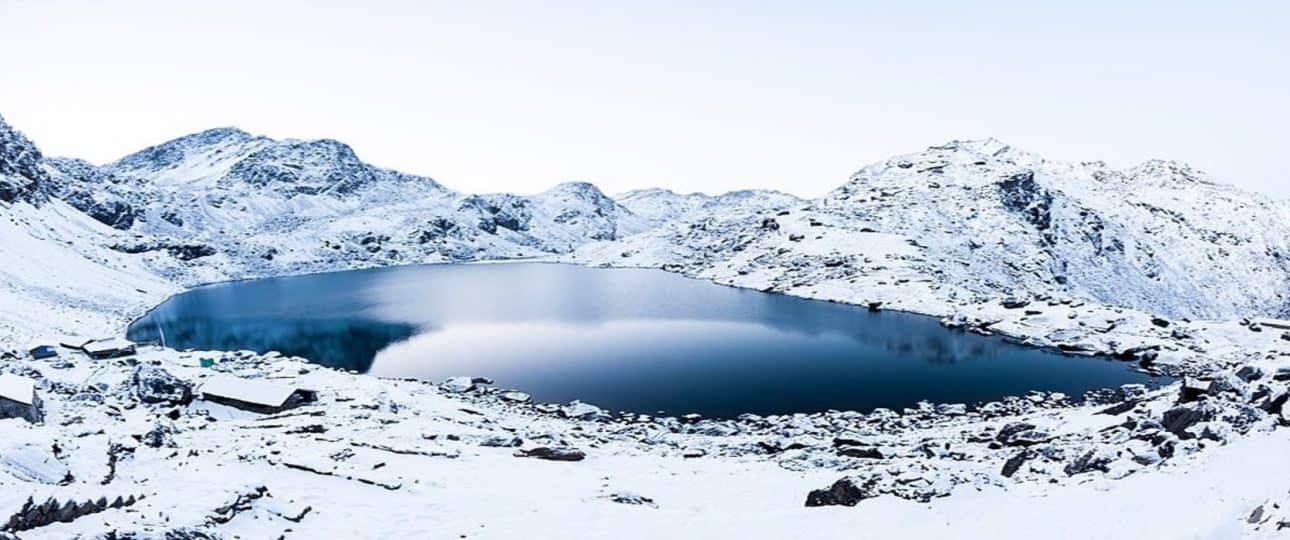
Gosaikunda is one of the most loved high-altitude treks in Nepal’s Langtang region. At 4,380 meters (14,370 feet), Gosaikunda weather can change fast, and it often feels colder than the forecast because of wind and exposure.
The trail leads you through forests and alpine landscapes to a sacred lake area famous for its 108 glacier-fed lakes and its pilgrimage traditions. This guide helps you choose the best season, understand temperatures, and plan safely for real mountain conditions. For a bigger picture across the country, see our best season to trek in Nepal guide. If you want the full route breakdown, see our Gosaikunda trek itinerary.
Gosaikunda Weather at a Glance
- Best trekking seasons: March to May and September to November
- Coldest months: January and February (lake frozen)
- Warmest months: June to August (monsoon season)
- Snowfall: Common from December to February
- Day temperatures: 5°C to 15°C depending on season
- Night temperatures: Often below freezing above 4,000 m
This guide explains what the weather feels like on the trail, which season suits your fitness level, and how to plan safely in real mountain conditions.
Gosaikunda Weather and Season

Weather plays a major role in how comfortable and safe your Gosaikunda trek will be. Because the trail climbs quickly from lower forests to alpine terrain, conditions can change noticeably as you gain altitude. On this route, mornings are often clearer, and afternoons can bring wind and cloud build-up, especially in warmer months. If you are wondering whether this trek suits your fitness level, read our Gosaikunda trek difficulty guide.
Gosaikunda is no exception. Due to its alpine nature, the weather in Gosaikunda is ever-changing. As your trek proceeds towards higher altitudes, the weather changes. Hence, smart packing will get the best out of the trek. If you want a checklist, use our recommended packing list for trekking in Nepal. With a little bit of preparation, the Gosaikunda Trek is possible throughout the year.
Forecasts can be useful for planning, but they are not always accurate at this altitude. For Nepal-wide updates and warnings, we recommend checking the Department of Hydrology and Meteorology (DHM) forecast before you start each trekking day.
The table below gives a general idea of monthly temperatures and conditions at Gosaikunda. Actual weather can vary depending on wind, cloud cover, and recent snowfall.
| Month | Day Temp | Night Temp | Weather Conditions |
|---|---|---|---|
| Jan | 0 to 5°C | -10°C | Snowy, frozen lake, very cold |
| Feb | 2 to 7°C | -8°C | Snow remains, clear skies |
| Mar | 5 to 10°C | -5°C | Warming, stable weather |
| Apr | 8 to 12°C | -2°C | Rhododendron bloom |
| May | 10 to 15°C | 0°C | Warm days, some clouds |
| Jun | 12 to 16°C | 2°C | Pre-monsoon showers |
| Jul | 12 to 15°C | 4°C | Heavy monsoon rain |
| Aug | 12 to 15°C | 5°C | Rainy, pilgrimage season |
| Sep | 10 to 14°C | 2°C | Clear after monsoon |
| Oct | 8 to 12°C | 0°C | Best trekking month |
| Nov | 5 to 10°C | -5°C | Cold nights, dry days |
| Dec | 2 to 6°C | -8°C | Snow begins, quiet trails |
Spring Season at Gosaikunda
During Spring, bursts of red, pink, and white rhododendrons stretch into towering canopies of fir and oak forests at the lower regions of the trek. There is very little chance of rain. The advent of warm weather makes the Yak and Chauri herds ascend to higher elevations.

Spring is one of the best times of the year to trek to Gosaikunda. Standard trekking gear is usually sufficient, but warm layers are still essential for mornings and evenings. Since you will reach 4,380 meters (14,370 feet), it is smart to prepare your body for altitude.
Carry light clothes that don’t feel bulky. Half-sleeved T-shirts with lightweight trousers are super comfortable. Since you will be wearing layers, do carry some warm clothing like a soft-shell jacket or a windcheater. A proper trekking boot is a must for any season. But carry light and breathable socks for spring.
Spring is ideal for trekkers who want comfortable temperatures, colorful forests, and fewer weather disruptions. This season suits first-time high-altitude trekkers and photographers looking for clear views and vibrant landscapes.
Summer Season at Gosaikunda
During Summer (June to August), the skies are heavy with monsoon rains. The average monthly rainfall reaches its peak in August in Dhunche with 500 mm. From Dhunche, the trek upwards is drier. The monsoon often starts in mid-June, so early June may be dry, though there are some pre-monsoon rains.
If you are trekking during monsoon months, our trekking in Nepal in August guide explains what to expect and how to plan realistically.
During August, a lively festival (Janai Purnima) at Gosaikunda Lake attracts thousands of Hindu pilgrims. Mainly because of the rain, it isn’t popular for trekkers looking for a comfortable trekking experience. However, if you seek adventure or are an enthusiastic botanist, this might be the best time of the year for you.
Summer trekking suits experienced hikers who are comfortable with wet trails and limited views. After all, the lakes will appear fuller than ever. Waterfalls and rivers are at their best. But, no matter which season you choose to trek in, be sure to listen to your body. For first-time trekkers, it’s best to choose a comfortable season.
Consider the following for Summer trekking:
- A good pair of hiking boots with proper grip for slippery trails.
- Raincoat to stay dry in rain and avoid catching a cold.
- Insect repellents and ointments.
- Stay hydrated, as the weather in summer is warmer compared to other seasons.
Autumn Season at Gosaikunda
Autumn offers the most reliable weather and clearest views on the Gosaikunda trek. It is a great season for clear mountain scenery, comfortable walking conditions, and crisp nights in the teahouses.
Since monsoon has just ended, there’s less chance of rain disturbing your trek. However, you can still have chances of light rain, so it’s best to prepare yourself with the necessary gear. The weather during this time is moderate, and the skies are clear.
Dress in layers so that you can cope with the changing altitude and temperature. Be sure to wear lightweight, durable, synthetic clothing. Carry your rain gear, as the weather at Gosaikunda can be quite wet. In case of rainfall, you need to stay prepared to escape rain drenching.
Although the weather in autumn is perfect, the nights can get chilly. Do carry long sleeve T-shirts and jackets for mornings and nights. An insulating jacket will do no harm. Autumn offers the best scenic views and is the best time of the year, especially for novice trekkers.
Winter Season at Gosaikunda

During winter, it is definitely cold and relatively dry, but the sky is clear with sunny days. You could have snowy conditions in January-February. The Gosaikunda lake remains frozen and covered by snow during winter. Winters give you one of the best views, and the ambiance is just perfect.
However, you should be sure if your body can adapt to the cold. If not, you should opt for a warmer season. Otherwise, winters are just perfect for adventure seekers. There are many ways to prepare for winter trekking. Proper winter gear will help you out on this. A high-quality insulating jacket and proper winter layers are essential.
Consider the following for winter trekking:
- Snow gaiters for snowy conditions
- Warm pair of socks to keep your feet warm
- Fleece beanie cap to keep your head warm
- A good pair of goggles for snowy days
- Trekking poles to help you walk in the snow
- You can also consider crampons for icy terrain
It’s cold in the mornings and at night, the times of the day when you’ll be indoors. The teahouses along the trail provide warmth with their kitchen fires.
Highlights of Gosaikunda Trek
- The exotic wildlife, flora, and fauna of the Langtang National Park.
- Lush green Pine and Rhododendron forest.
- Holy Gosaikunda lake, Bhairav kunda and many other lakes.
- If you choose to stay at Laurebina Yak, you will get to witness beautiful sunset and sunrise views of the Langtang and Ganesh Himal.
- The socio-cultural lifestyle of the Sherpa and Tamang.
- The descent from Gosaikunda to Sundarijal takes about four days and involves a short climb to Laurebina La at 4,610 m (15,120 ft). It is a rapid descent to Phedi and onwards to Ghopte.
- Depending on the pace, there are options to stay at Thadepati, Mangengoth, Kutumsang and at many villages farther downhill.
- The trails are well marked, except between Ghopte and Thadepati.
How Gosaikunda Weather Feels on the Trail
Weather at Gosaikunda often feels harsher than numbers suggest. Even when daytime temperatures are mild, strong winds near the lake can make it feel freezing. Clouds can roll in quickly during afternoons, especially in monsoon and pre-monsoon months. Nights are always cold due to altitude, and water bottles often freeze in winter.
Trekkers who move early in the morning usually experience the clearest skies and calmest conditions. This is why we always recommend starting hiking days early, regardless of season.
Interesting facts on Gosaikunda lake
- Gosaikunda is an alpine freshwater lake and a wetland site.
- Gosaikunda Lake remains frozen for almost 6 months of the year (October-June).
- There’s a myth that the holy water of Gosaikunda washes off the sins.
- It is one of the holiest lakes for both Hindus and Buddhist.
- Hindus believe that Lord Shiva created the lake when he thrust his Trishul (holy trident) into a mountain to extract water. So as to cool down his stinging throat after he had swallowed poison.
- Every year many pilgrims visit this lake during Ganga Dashahara and Janai Purnima festival.
FAQs: Gosaikunda Weather and Trek Planning
Below are clear answers to common questions trekkers have about Gosaikunda weather, seasons, and planning so you can prepare with confidence.
When is the best time to visit Gosaikunda?
The best time to visit Gosaikunda is during spring (March to May) and autumn (September to November). These seasons usually bring clearer skies, steadier trail conditions, and more comfortable temperatures for most trekkers.
What is the best time to visit Gosaikunda Lake specifically?
September and October are ideal for visiting Gosaikunda Lake itself. The monsoon has just ended, the lake is full, skies are usually clear, and surrounding peaks are at their best. These months are also the most reliable for photography and smooth trail conditions.
What is Gosaikunda known for?
Gosaikunda is known for its sacred high-altitude lake, dramatic mountain scenery, and strong cultural and religious importance. It is a major pilgrimage site for Hindus and Buddhists and a popular trekking destination for those seeking a short but rewarding Himalayan experience.
Does Gosaikunda experience snowfall?
Yes, snowfall is common from December to February, and sometimes into early March. During winter, Gosaikunda Lake often freezes completely. Trekking is possible for experienced hikers with proper winter gear, but conditions can be challenging due to snow, ice, and very cold nights.
What is the current temperature in Gosaikunda?
There is no permanent weather station at Gosaikunda, so exact temperatures vary. In general, daytime temperatures can feel mild in good weather, while nights are always cold due to the altitude. Wind near the lake often makes conditions feel colder than forecasts suggest, especially above Laurebina.
What is the average temperature in Gosaikunda throughout the year?
Average daytime temperatures range roughly from 5°C to 15°C depending on the season. Night temperatures frequently drop below freezing outside the summer months. Even in warmer seasons, cold mornings and evenings are normal at 4,380 meters.
What is the weather like in Gosaikunda in October?
October offers some of the best weather of the year in Gosaikunda. Days are generally dry with clear skies, and temperatures are comfortable for trekking. Nights can be cold, but overall conditions are stable, making October ideal for both beginners and experienced trekkers.
What is the weather like in Gosaikunda in November?
November is colder than October but still a good time to trek. Skies are often clear, crowds are fewer, and the scenery remains excellent. Night temperatures drop sharply, so warm clothing is essential, especially at higher camps near the lake.
How reliable are weather forecasts for Gosaikunda?
Weather forecasts provide a general idea, but conditions at high altitude can change quickly. Clouds, wind, and snowfall may arrive earlier than predicted. It is best to plan conservatively, start trekking days early, and always prepare for colder and harsher conditions than expected.
Can I camp near Gosaikunda Lake with Mosaic Adventure?
Yes, Mosaic Adventure can arrange lakeside or nearby camping as part of a guided trek, depending on weather conditions and season. Camping near the lake offers a unique experience, but it requires careful planning due to cold temperatures, wind exposure, and sudden weather changes.
Last say
The Gosaikunda trek is a short but rewarding journey in Nepal’s Langtang region. While it is possible to trek here in most seasons, choosing the right time based on weather, temperature, and your comfort level makes a big difference to your experience.
Listen to your body, prepare properly, and pick a season that matches your expectations. With basic fitness and the right planning, most trekkers can complete this trek comfortably and safely.
If you have questions about conditions, seasons, or planning your trek, feel free to contact us. We are happy to help you plan based on real trail experience.
Want more information? Send us your query, and our experts will get back to you within 24 hrs.

Madhav Prasad is a seasoned trekking and tourism expert with over two decades of experience in the field. Starting his career in 2001 as a porter, Madhav quickly advanced to the role of trekking guide, gaining invaluable hands-on experience in Nepal’s diverse trekking routes. In 2009, after eight years of dedication to the industry, he co-founded Mosaic Adventure, a leading trekking and tour company known for its commitment to safety, sustainability and personalized service.
Madhav has personally trekked to nearly every major trekking destination in Nepal, including Everest Base Camp, Annapurna Base Camp, the Annapurna Circuit, Poon Hill, Jomsom Muktinath, the Indigenous Peoples Trail, Langtang Valley and Mardi Himal, among others. His experience extends beyond Nepal, as he has also successfully summited Mount Kilimanjaro, Africa’s highest peak.
In addition to his extensive trekking credentials, Madhav is well traveled globally, having explored countries such as Australia, the USA, the UK, France, Japan, China, and many others. His global exposure enhances his ability to understand and cater to the diverse needs of international trekkers.
Madhav is the primary point of contact for many clients at Mosaic Adventure, personally addressing inquiries and helping plan treks with a meticulous and personalized approach. His deep knowledge of Nepal’s trekking routes, combined with his global travel experience, ensures that every trek is well planned, safe and unforgettable.
