Nepal is popular for its scenic beauty and magnificent mountain views. It is one of the best and famous trekking destinations of the world.
The Gosaikunda 5 day trek is one of the best short treks in Nepal. It gives you a glimpse into the diverse landscape, culture, and nature of Nepal.
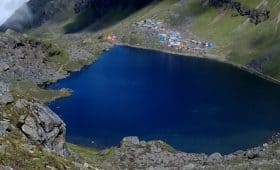
The Gosaikunda trek is all about Gosaikunda Lake. At an altitude of 4380m, the Gosaikunda lake is a sacred place for both the Hindus and Buddhists.
Gosaikunda is one of the most surreal trekking destinations in Nepal. This 5-day trek is a perfect blend of a natural and cultural tour of Nepal. It allows you to experience high altitude trek in Nepal within a short duration.
This 5-day trek provides you with spectacular views of the snow-capped mountain peaks from the first day. The trek takes you through beautiful, lush green forests of rhododendron, oak, pine, and birch.
Gosaikunda 5 days trek is ideal for those who are short on time. But, want to experience the Himalaya trekking experience. You can even modify this trek to add some other nearby trekking destinations.
Table of Contents
Main Highlights of GosaiKunda Trek
- Opportunity to witness the exotic wildlife, flora, and fauna of Langtang National Park.
- Lush green Pine and Rhododendron forest.
- Gosaikunda Lake: one of the holiest lakes for both Hindus and Buddhists.
- Magnificent views of the mountains like Ganesh Himal, Annapurna, Hiuchuli.
- A look into the culture and lifestyle of the Tamangs of Rasuwa district.
- Explore the many lakes in the area. There are a total of 108 lakes.
Want more information? Send us your query, and our experts will get back to you within 24 hrs.
Facts about Gosaikunda Lake
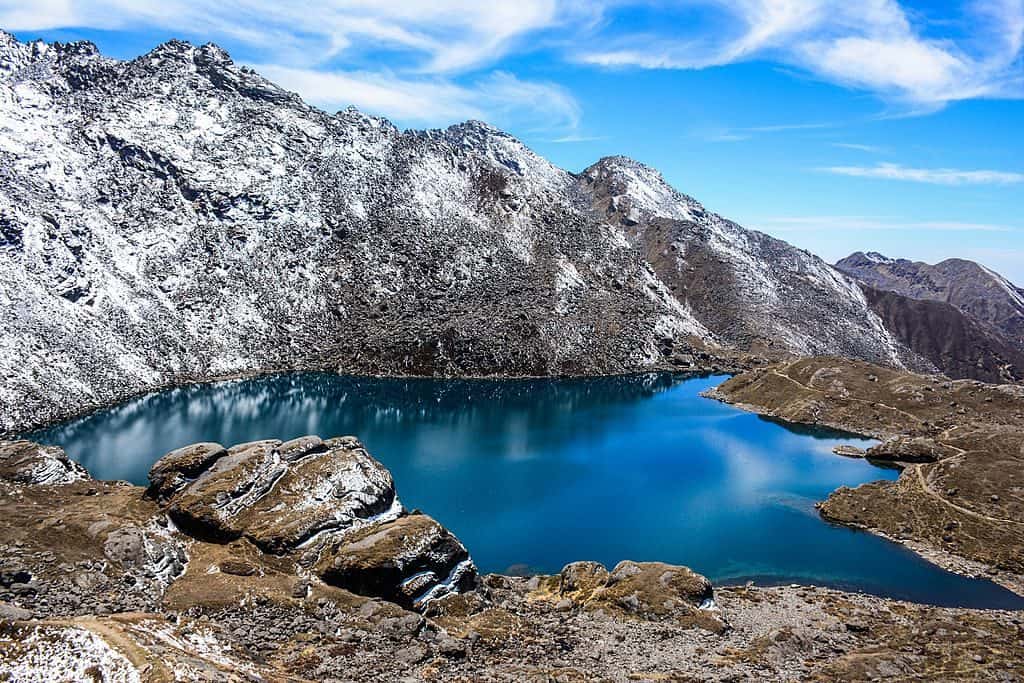
- Gosaikunda Lake is an alpine freshwater lake.
- It rests in Langtang National Park, of Rasuwa district of Nepal.
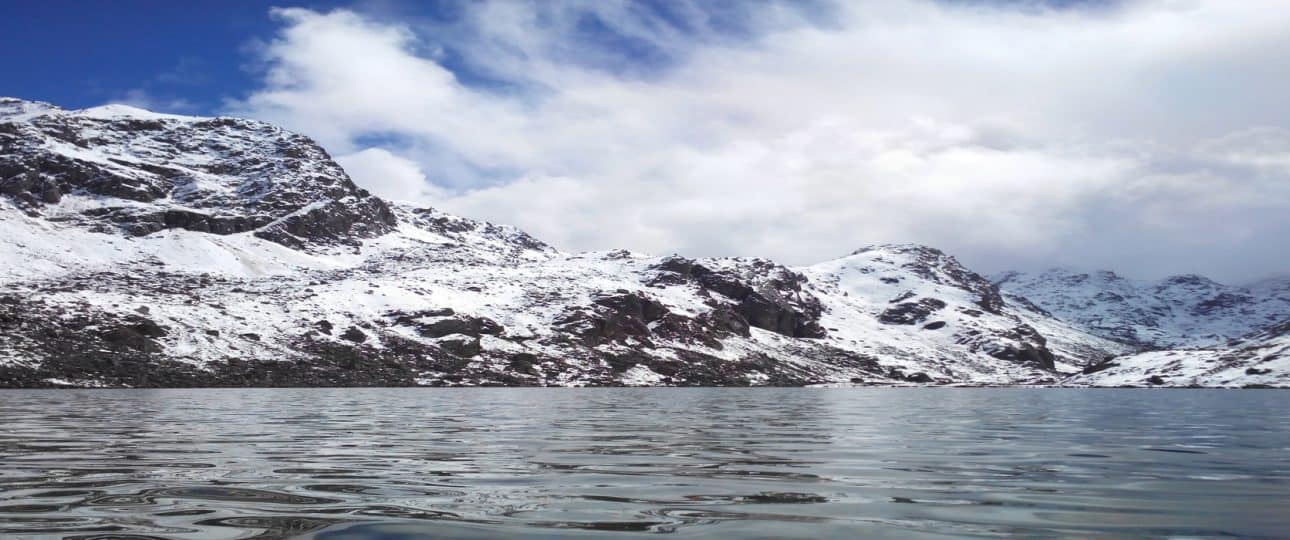
- Gosaikunda Lake remains frozen for almost 6 months of the year (October-June).
- It melts and sips down to form Trishuli river. Trishuli river is one of the biggest rivers in Nepal.
- According to Hindu mythology, the Gosaikunda lake and its surrounding area is the home of Lord Shiva and Lady Gauri.
- According to Hindu mythology, Lord Shiva created Gosaikunda lake when he thrust his Trishul (trident) into a nearby mountain to extract water. He wanted to cool his stinging throat after he had drunk poison.
- Gosaikunda lake and its surrounding area are revered by Hindus and Buddhists alike.
- Thousands of Hindu pilgrims from all over the world visit this area every year.
- Most of the pilgrims visit the area during the Janai Purnima and Ganga Darshan festivals.
Itinerary
Day 1: Drive to Dhunche.
Altitude: 2000m (Dhunche)
Duration: 6 hrs drive
The first day of your journey starts with a long drive from Kathmandu to Dhunche. After a 6/7 hours drive, you will reach Dhunche. Dhunche is the starting point of your actual trek to Gosaikunda. Dhunche is the headquarters of Rasuwa district.
Make sure you have the proper documents. There are many checkpoints along the way. You need to show your permits.
Day 2: Trek to Chandanwari
Altitude: 3580m
Duration: 4/5 hours trek
From Dhunche, you will trek to Deurali. Here, you can rest, have something to eat. There is a good choice of restaurants and cafes to eat and drink at.
After the rest, you start your trek to Chandanwari. Chandanwari is also known as Singompa. Singompa is a famous monastery in the area. You can visit and pay respects at the monastery. It provides a glimpse into the local culture of Rasuwa district.
There are a lot of good tea houses and lodges to spend the night at. The area is also famous for its cheese factory. You can visit the factory if you reach early in Chandanwari.
Day 3: Trek to Gosaikunda.
Altitude: 4380m (Gosaikunda)
Duration: 5/7 hours trek
This is the day you reach your trekking destination ‘Gosaikunda’. After a beautiful night in Chandanwari, your trek starts with an accent till you reach Cholangiopathy. From here, you trek onwards to Lauribine.
This is the toughest section of the trek. With your beautiful destination in mind, your trek continues onwards to Gosaikunda.
You can explore the area and try to locate all the 108 lakes. Or, just relax and enjoy the magnificence of Gosaikunda lake. The magnificent mountains surround this lake on all sides and offer the best sunrises and sunsets.
Other famous lakes in and around Gosaikunda lake are Nagkunda, Bhairav Kunda, Suryakunda.
Day 4: Trek back to Dhunche.
After a beautiful and relaxing night at Gosaikunda, you will trek back the way you came from. You can have lunch and a rest stop at Singompa. You can enjoy the view of the Pine and Rhododendron forests.
The descent is more difficult for some. Having a trekking pole can help improve your balance and provide support.
Day 5: Return to Kathmandu.
After a night at Dhunche, you will drive to Kathmandu by bus or jeep. Once in Kathmandu, you can choose to relax or explore the beautiful city of temples.
Permits
- TIMS (Trekkers Information Management System): This permit is compulsory for everyone (excluding locals) to trek in Nepal. TIMS cost Nrs. 2000 (the US $20) per person.
- Langtang National Park Entry Permit: Gosaikunda lies in the premises of Langtang National Park. So, you will need this entry permit to be able to trek in the region. This costs around Nrs. 3500 ($35) per person.
Both these permits are easily available in Kathmandu from NTB (National Tourism Board).
Best Time to Do This Trek
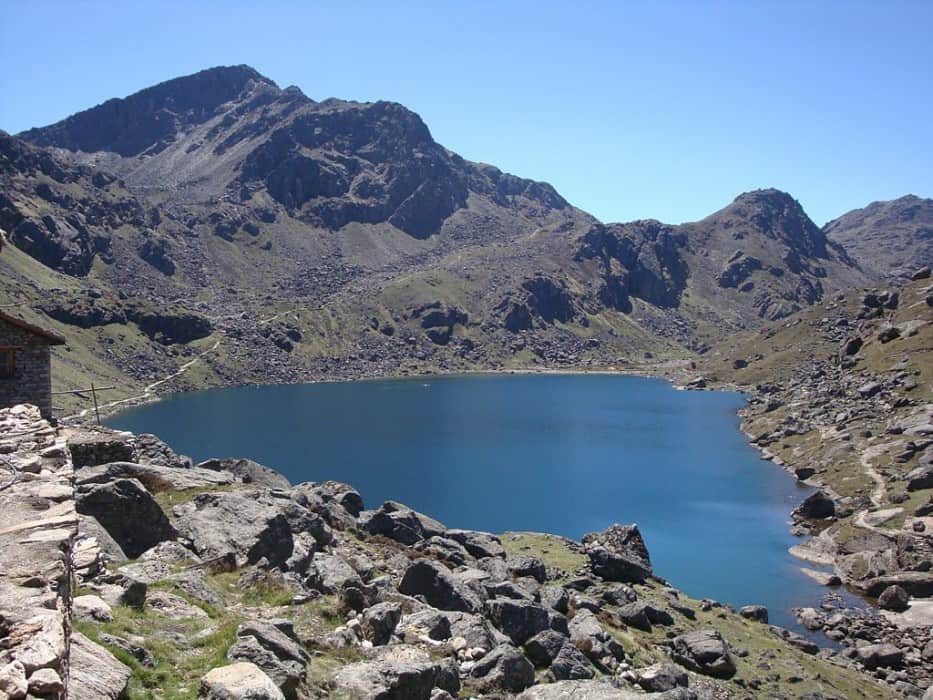
The Gosaikunda lake lies at an alpine altitude of 4610m. The weather is quite unpredictable in these regions. Hence, you need to be well prepared for weather changes.
The months from February to June and September to December are among the ideal time to do this trek. These months provide the best weather conditions along with high visibility.
You can enjoy the views and magnificence of the place in its full glory during these months.
You can travel during the rest of the year as well. The visibility will be slightly less during those months.
You can also enjoy the occasional snowfall during the months of November, December, and January.
Physical Fitness
The Gosaikunda 5 days trek is a moderate trek. Most of the trail is easy and flat. There are some parts that are rough and steep. Hence, you need to have some level of physical fitness to complete this trek comfortably.
You can prepare for this trek with some cardio exercises along with aerobics. The most recommended way to prepare for this trek is doing short day hikes in and around your area. This gives you the actual experience of walking on rough terrains and on slopes.
Find our guidelines on training for Trekking in Nepal here.
Food and Drinks
Freshwater is easily accessible in most parts of the trail through tap water, waterfall. However, as a safety precaution against water contamination, we recommend you to bring your own water purifying tabs or gels.
There are a number of restaurants, cafes, and lodges along the way. They offer some choice on their menu for food and drinks.
Most of them include traditional meals of dal, bhat, tarkari (steamed rice, lentils, and seasonal vegetables), momo (dumplings), soups, noodles, and so on.
For drinks, you have options like tea, coffee, hot and cold flavored drinks, hot water, bottled water and so on.
Accommodation
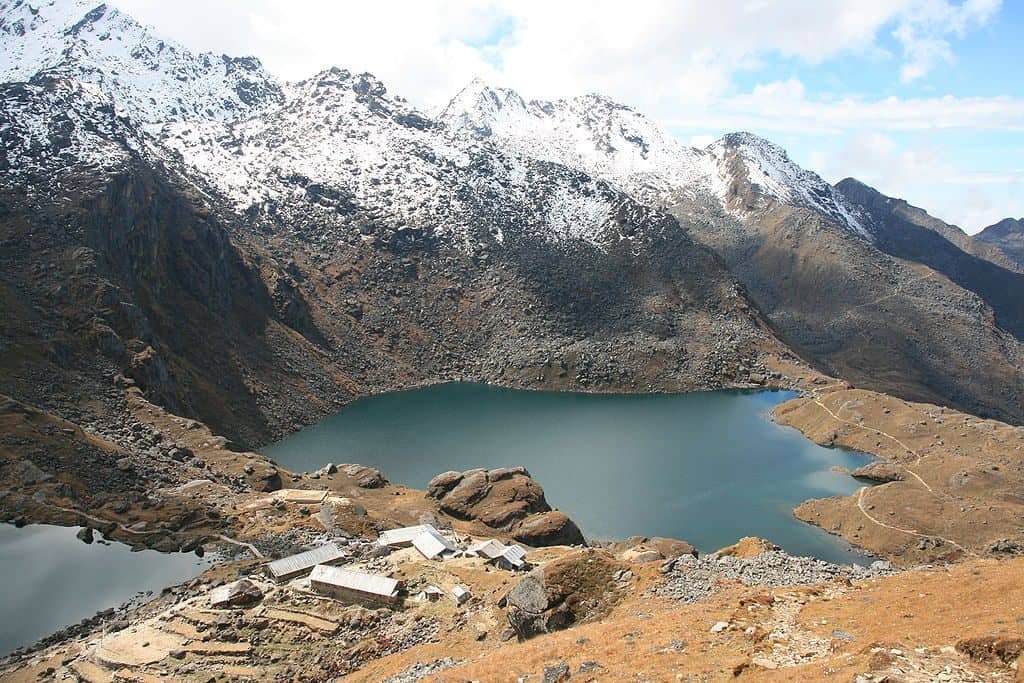
There are a number of lodges and tea houses on the route to Gosaikunda. Most of them provide basic facilities- bathroom, hot showers, bedrooms. You can choose single rooms or double bedrooms or attached bathrooms.
Some of the lodges also have Wi-fi facilities. Feel free to ask them about it.
Some Additional Tips for Gosaikunda 5 Days Trek
- If you are not short on time, you can add nearby trekking destinations within the area like Surya Peak (5,100 m), Langtang Valley trek and Ama Yangri Peak (3,771 m) to your itinerary.
- Get as much information as you can about AMS (Acute Mountain Sickness). Although a short trek, this can be a problem.
- Try the local delicacies like red rice, yak cheese, local mushroom soup and so on on the trek.
- Have a day or two extra. Once you are here, you might want to trek to nearby trekking villages of Chisapani, Syabrubesi.
- Gosaikunda lake is a holy lake for the local people. Respect their faith.
- Make sure to pack a pair of warm, winter clothes along with light, summer clothes regardless of the season you trek in.
Final Say
Gosaikunda 5 day trek is a short and easy trek in the Langtang region of Nepal. The heart of alpine freshwater lake, Gosaikunda lake is absolutely spectacular.
This trek is popular among both local and foreign tourists. This holy lake is center of faith for both Hindus and Buddhists. You will get to experience the bond of the Nepali culture as well through this trek.
If you have any confusions, queries or questions about Gosaikunda trek or any other treks, feel free to contact us.
Want more information? Send us your query, and our experts will get back to you within 24 hrs.
Madhav started working as a porter in 2001 and then moved on to work as a trekking guide. After working in the trekking and tourism industry for eight years, he co-founded Mosaic Adventure in 2009.
Madhav has trekked to most of the trekking destinations in Nepal, including Everest Base Camp Trek, Annapurna Base Camp, Annapurna Circuit Trek, Poon Hill Trek, Jomsom Muktinath Trek, Indigenous Peoples Trek, Langtang Valley Trek, Mardi Himal Trek, and all of the day hikes around Kathmandu.
He has also extensively traveled to other countries such as Australia, the USA, the UK, France, Hong Kong, Japan, China, the Philippines, the UAE, Saudi Arabia, Bahrain, Thailand, Turkey, and India. Madhav is the one who answers most of your questions about trekking and tours and helps to plan your trip by giving a personal touch.