
Trekking in Nepal is one of the country’s most popular outdoor activities, and among its many trekking regions, the Upper Mustang trek has become a preferred choice for travelers seeking remote landscapes and cultural depth. This guide explains the weather and temperature variations in Mustang across its four distinct seasons to help you plan your trek more effectively.

Overview of Mustang
Mustang, historically known as the Kingdom of Lo, lies at an average altitude of around 3,840 meters in north-western Nepal. This remote region was once an independent Tibetan kingdom, and many elements of its traditional lifestyle and Tibetan Buddhist culture remain well preserved today.
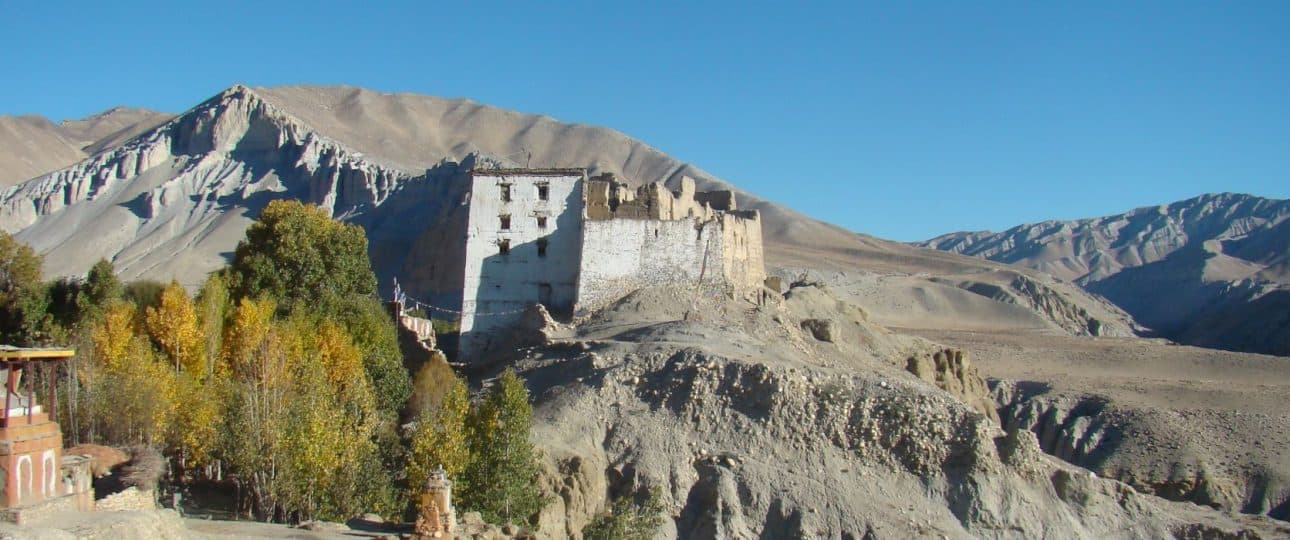
The upper Mustang tour offers striking views of some of the highest mountains in the world. With its diverse culture and beautiful landscape, including sandstone caves and ancient cave paintings, the trek only gets better.
One of the main reasons for its growing popularity is that trekking in Mustang is possible throughout most of the year with proper planning and an understanding of the best time to trek in Nepal. Unlike the Everest region and Annapurna region, trekking in Mustang is feasible even during summer and monsoon.
Mustang’s Unique Climate
Mustang lies in the rain-shadow zone of the Annapurna range, meaning the region receives significantly less rainfall than much of Nepal. As a result, trekking in Mustang remains feasible even during the monsoon season, when many other popular trekking routes become difficult or inaccessible.
The area experiences a trans-Himalayan climatic condition which is cool and semi-arid. The average annual daytime temperature of the region is about 10.9 degrees Celsius, with rainfall averaging around 307mm. This unique climate supports apple orchards, barley farming, and hardy alpine vegetation adapted to dry, high-altitude conditions.
Mustang Weather and Temperature Across Four Seasons
Mustang, like other parts of Nepal, experiences four seasons: Spring, Summer, Autumn, and Winter. Each season offers a different trekking experience, with noticeable changes in temperature, wind conditions, and trail accessibility.
Spring in Upper Mustang (March, April, and May)
Spring is considered one of the most favorable times for trekking in Upper Mustang, particularly along the ancient Trans-Himalayan trade routes to Tibet. During this season:
- Daytime temperature: 16 to 22 degrees Celsius
- Nighttime temperature: -6 to 2 degrees Celsius
- Clear blue skies offer excellent visibility
- Stable weather conditions make this season popular among trekkers
A major highlight of trekking during spring is the Tiji Festival (AKA Tenchi Festival), the biggest cultural event in the region.
Spring in Lower Mustang
Lower Mustang in spring offers clear views of the Annapurna, Nilgiri, and Dhaulagiri mountains. The region experiences:
- Average daytime temperature: 18 to 20 degrees Celsius, with nighttime temperatures occasionally dropping below freezing in early March
- Relative humidity: Around 46.2%
- May is the windiest month, followed by April
April is a preferred month for trekking in Nepal if you are looking for lower humidity and stable trail conditions.
Want more information? Send us your query, and our experts will get back to you within 24 hrs.
Summer in Upper Mustang (June to August)
Summer, which coincides with Nepal’s monsoon season, offers a distinct trekking experience in Upper Mustang:
- Daytime temperature: 13 to 20 degrees Celsius
- Nighttime temperature: -3 to 0 degrees Celsius
- Minimal rainfall due to the rain shadow effect
- Daytime temperatures remain moderate, allowing for manageable trekking conditions
Summer in Lower Mustang
Lower Mustang experiences more typical monsoon conditions:
- Daytime temperature in June (warmest month): Around 32 degrees Celsius
- Nighttime temperature: Rarely below 21 degrees Celsius
- Increased humidity: August is the most humid month (77.6% relative humidity)
- Trails may become wet and slippery, particularly after rainfall, requiring extra caution
Despite these challenges, summer offers a quieter trekking experience with fewer visitors, allowing for more solitude with nature.

Autumn in Upper Mustang (September to November)
Autumn is widely regarded as one of the best seasons for trekking in Upper Mustang:
- Daytime temperature: 12 to 20 degrees Celsius
- Nighttime temperature: -8 to -4 degrees Celsius
- Excellent visibility for viewing the surrounding landscapes and the Tibetan Plateau
- Strong winds from the north, so windproof gear is essential
Autumn in Lower Mustang
Autumn is the peak trekking season in Lower Mustang:
- Average temperature: Around 8 degrees Celsius
- Clear weather and optimal trekking conditions
- Busier trails and fuller accommodations
Winter in Upper Mustang (December to Mid-February)
Winter brings harsh weather conditions to Upper Mustang:
- Daytime temperature: 0 to 5 degrees Celsius
- Nighttime temperature: -25 to -20 degrees Celsius
- Heavy snowfall, limited services, and challenging trekking conditions
- Many locals descend to lower regions, leaving villages less populated
While demanding, winter trekking in Upper Mustang is suitable only for well-prepared and experienced trekkers with proper equipment.
Winter in Lower Mustang
Lower Mustang offers milder winter conditions:
- Average temperature: Between 19 to 23 degrees Celsius
- Occasional snowfall, especially in Jomsom
- Magnificent views of snow-capped mountain peaks
- Opportunities for winter sports and activities
Tips for Trekking in Mustang
- The Lower Mustang trek is accessible throughout the year and does not require restricted area permits.
- Keep extra days in your itinerary, especially during summer, as transportation can be affected by weather conditions.
- Upper Mustang requires a restricted area permit and a licensed guide; solo trekking is not permitted. More details are covered in our guide on the restricted area permit in Nepal.
- Witness the long-preserved Buddhist architecture and traditional lifestyle.
- Inquire about local festivals like Tiji and the Horse festival for a cultural experience.
- Explore the unique landscape featuring caves, rocky cliffs, and ancient cave paintings.
- Check updated weather forecasts before your trek and adjust your gear and itinerary accordingly.
- Bring appropriate rain gear for monsoon treks in Lower Mustang.
- For winter treks, prepare for extreme weather with proper gear and supplies.
- Consider flying into Jomsom from Pokhara International Airport to start your trek.

Final Thoughts
The Upper Mustang trek leads you to remote villages in the mountain region of Nepal, areas that remain largely untouched by modernization. While spring and autumn offer the most pleasant weather for trekking, Mustang’s unique position in the rain shadow area makes it suitable for trekking year-round with the right preparation and equipment.
Whether your goal is cultural exploration, remote trekking routes, or dramatic mountain scenery, Mustang offers rewarding experiences in every season. Respect local Tibetan culture, prepare for wide temperature variations, and allow time to experience this unique Himalayan landscape at a comfortable pace.
If you have any further questions about trekking in Mustang or would like to arrange a private tour, please feel free to contact us. We’re more than happy to share our knowledge and help you plan an unforgettable trekking adventure in Mustang.
Want more information? Send us your query, and our experts will get back to you within 24 hrs.

Madhav Prasad is a seasoned trekking and tourism expert with over two decades of experience in the field. Starting his career in 2001 as a porter, Madhav quickly advanced to the role of trekking guide, gaining invaluable hands-on experience in Nepal’s diverse trekking routes. In 2009, after eight years of dedication to the industry, he co-founded Mosaic Adventure, a leading trekking and tour company known for its commitment to safety, sustainability and personalized service.
Madhav has personally trekked to nearly every major trekking destination in Nepal, including Everest Base Camp, Annapurna Base Camp, the Annapurna Circuit, Poon Hill, Jomsom Muktinath, the Indigenous Peoples Trail, Langtang Valley and Mardi Himal, among others. His experience extends beyond Nepal, as he has also successfully summited Mount Kilimanjaro, Africa’s highest peak.
In addition to his extensive trekking credentials, Madhav is well traveled globally, having explored countries such as Australia, the USA, the UK, France, Japan, China, and many others. His global exposure enhances his ability to understand and cater to the diverse needs of international trekkers.
Madhav is the primary point of contact for many clients at Mosaic Adventure, personally addressing inquiries and helping plan treks with a meticulous and personalized approach. His deep knowledge of Nepal’s trekking routes, combined with his global travel experience, ensures that every trek is well planned, safe and unforgettable.
