If you are planning a trip to Nepal, the hardest part is not finding places to go. It is about choosing which places fit your time, comfort level, and interests. Nepal can feel very different from one region to the next. In one trip you can see old city squares in the Kathmandu Valley, lakes in Pokhara, wildlife in the lowlands, and high mountain trails in the Himalayas.
This guide focuses on practical choices for first-time and returning travelers. It is written in a practical way, with time estimates, local etiquette, and simple planning tips.
About this guide: Mosaic Adventure is a Nepal-licensed tour operator working across Nepal’s cultural sites, national parks, and trekking regions. You can read about our team and experience here: About Mosaic Adventure and Our Team.
What's Inside This Guide
- Where to go in Nepal (quick pick guide)
- Before you choose: best seasons at a glance
- Places covered in this guide
- Sample Nepal itineraries (simple options)
- Pashupatinath Temple (Kathmandu): sacred Hindu site on the Bagmati River
- Boudhanath Stupa (Boudha): evening walk, monasteries, and a calm pace
- Swayambhunath Stupa (Monkey Temple): wide views over Kathmandu Valley
- Thamel (Kathmandu): practical base for hotels, food, and travel planning
- Patan (Lalitpur): Durbar Square, museums, and Newar craftsmanship
- Bhaktapur: medieval city squares, pottery, and local snacks
- Nagarkot: sunrise viewpoint near Kathmandu (weather dependent)
- Pokhara: lakeside base for views, day hikes, and adventure
- Chitwan National Park: wildlife safaris and Tharu culture
- Sagarmatha National Park (Everest region): trekking, Sherpa villages, big mountains
- Bandipur: quiet hill town stop between Kathmandu and Pokhara
- Lumbini: birthplace of the Buddha and a peaceful pilgrimage zone
- Palpa (Tansen): hill town views, markets, and heritage streets
- Annapurna Sunrise Trek (Poon Hill): short trek for classic sunrise views
- More places to visit in Nepal (if you have extra time)
- Frequently Asked Questions (FAQ) About Visiting Nepal
- Conclusion
Where to go in Nepal (quick pick guide)
Mobile tip: Swipe left or right on the table to see all columns.
| Choose this if you want | Best places | Best time to go | How many days | Travel effort |
|---|---|---|---|---|
| UNESCO sites and culture | Pashupatinath, Boudhanath, Swayambhunath, Patan, Bhaktapur | All year (clearest months: Oct to Nov, Dec to Feb) | 2 to 4 | Easy (city travel) |
| Mountain views without a long trek | Nagarkot, Pokhara (Lakeside + Sarangkot) | Oct to May (clearest early mornings) | 3 to 5 | Easy to moderate (road travel) |
| Wildlife and warm weather | Chitwan National Park | Oct to Mar (pleasant temps) | 2 to 3 | Moderate (road/flight) |
| A short, beginner-friendly trek | Poon Hill (Annapurna Sunrise Trek) | Mar to May and Oct to Nov | 4 to 6 | Moderate (walking days) |
| Everest region trekking goal | Sagarmatha National Park (Everest region) | Mar to May and Oct to Nov | 12 to 16 | High (altitude + flight) |
| Quiet towns and slower travel | Bandipur, Palpa/Tansen | Oct to May | 2 to 4 | Moderate (winding roads) |
| Spiritual history and peace | Lumbini, Boudhanath | Oct to Mar (comfortable in Terai) | 1 to 3 | Moderate (distance) |
Before you choose: best seasons at a glance
- Autumn (Sep to Nov): clear mountain views, busiest trekking season.
- Spring (Mar to May): warmer days, rhododendrons on many trails.
- Monsoon (Jun to Aug): greener hills, more rain and transport delays; some rain-shadow regions still work well.
- Winter (Dec to Feb): clear days in cities and lowlands; cold nights in hill areas; fewer crowds.
If you want a deeper season breakdown, see our full guide: Best Time to Visit Nepal.
Places covered in this guide
This guide covers 14 main highlights, with a few extra options at the end for travelers who have more time or want quieter routes.
- Pashupatinath Temple
- Boudhanath Stupa
- Swayambhunath Stupa (Monkey Temple)
- Thamel
- Patan
- Bhaktapur
- Nagarkot
- Pokhara
- Chitwan National Park
- Sagarmatha National Park (Everest region)
- Bandipur
- Lumbini
- Palpa / Tansen
- Annapurna Sunrise Trek (Poon Hill)
If you are building a route, start with one base in the Kathmandu Valley. Then add either Pokhara for lakes and short walks, Chitwan for wildlife, or one trekking region such as Annapurna, Everest, or Langtang.
Sample Nepal itineraries (simple options)
They are realistic routes many travelers use, with driving time and energy levels in mind. Road travel in Nepal is slower than maps often suggest, so leaving buffer time helps.
7 days: classic highlights (culture + Pokhara)
- Day 1: Arrive Kathmandu, rest, short walk in Thamel
- Day 2: Pashupatinath + Boudhanath, evening stupa walk
- Day 3: Patan or Bhaktapur (choose one), sunset viewpoint
- Day 4: Drive to Pokhara
- Day 5: Pokhara (Phewa Lake + Sarangkot sunrise option)
- Day 6: Extra Pokhara day (easy hikes / caves / waterfall) or return toward Kathmandu
- Day 7: Departure
10 days: culture + Pokhara + wildlife
- Day 1 to 3: Kathmandu Valley (temples + Patan/Bhaktapur)
- Day 4: Drive to Pokhara
- Day 5 to 6: Pokhara (lakeside + viewpoints)
- Day 7: Drive to Chitwan
- Day 8: Chitwan safari activities + Tharu village visit
- Day 9: Return to Kathmandu
- Day 10: Departure
14 days: add a short trek (Poon Hill)
- Day 1 to 3: Kathmandu Valley highlights
- Day 4: Drive to Pokhara
- Day 5 to 9: Poon Hill trek (4 to 5 days)
- Day 10: Rest day in Pokhara
- Day 11 to 12: Chitwan National Park
- Day 13: Return to Kathmandu (shopping / final dinner)
- Day 14: Departure
Need a version without trekking? This guide may help: What to Do in Nepal if You Are Not Trekking.
Pashupatinath Temple (Kathmandu): sacred Hindu site on the Bagmati River
Pashupatinath Temple is one of Nepal’s most important Hindu pilgrimage sites. It sits on the Bagmati River in Kathmandu and is part of the Kathmandu Valley UNESCO World Heritage listing.
- Best for: culture, religion, architecture, photography (from respectful viewpoints)
- Time needed: 1 to 2 hours (longer if you add nearby temples)
- Good to know: modest clothing is expected; some inner areas are for Hindus only
The complex includes shrines, ashrams, inscriptions, and courtyards. During major festivals (especially Maha Shivaratri), the area becomes extremely busy.
Respectful viewing note: Pashupatinath is also a cremation area where Hindu last rites take place. If you choose to observe, do it quietly and from a distance. Avoid close-up photos of people during ceremonies.
Simple local tip: Late afternoon light is often good from the eastern side of the river, where you can look across without blocking anyone’s path.
Key attractions: Golden spire, main courtyard area, riverside ghats, smaller Shiva shrines.
Boudhanath Stupa (Boudha): evening walk, monasteries, and a calm pace
Boudhanath Stupa is one of the largest Buddhist stupas in the world and a major center of Tibetan Buddhism in Nepal. The stupa is part of the Kathmandu Valley UNESCO World Heritage listing.
- Best for: peaceful atmosphere, Buddhist culture, candle-lit evenings, photos at dusk
- Time needed: 1 to 2 hours (more if you stop at rooftops or monasteries)
- How to visit: walk clockwise around the stupa, spin prayer wheels gently, and keep a calm voice
At sunset, the lamps and prayer flags create a soft, quiet energy. Many visitors like to sit with a tea and watch the steady flow of people circling the stupa.
Key attractions: large prayer wheels, surrounding monasteries (gompas), rooftop viewpoints, evening butter lamps.
Local tip: If you want a quieter visit, arrive early morning. If you want atmosphere, arrive just before dusk.
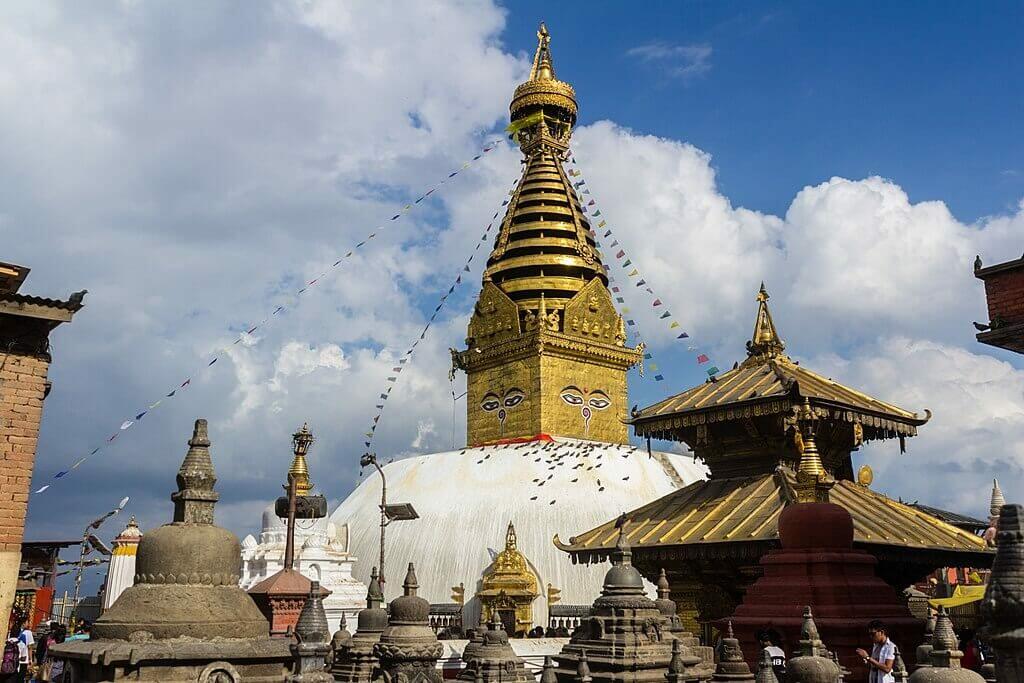
Swayambhunath Stupa (Monkey Temple): wide views over Kathmandu Valley
Swayambhunath is one of Nepal’s oldest and most important Buddhist sites, set on a hill overlooking Kathmandu Valley. It is often called the “Monkey Temple” because monkeys live around the stairs and shrines.
- Best for: panoramic views, a short but meaningful heritage stop, sunrise or late afternoon light
- Time needed: 1 to 2 hours
- Effort level: steep steps if you go on foot, or you can drive close to the top
Monkey note: keep snacks inside your bag and avoid holding plastic bottles openly. If a monkey approaches, stay calm and do not try to grab items back.
Key attractions: painted Buddha eyes, prayer wheels, small shrines and monasteries, valley viewpoint areas.
Thamel (Kathmandu): practical base for hotels, food, and travel planning
Thamel is Kathmandu’s most convenient tourist neighborhood. Many travelers use it as a base because it has a wide range of hotels, restaurants, money exchange, trekking shops, and transport help.
- Best for: choosing hotels, gear shopping, tour preparation, easy meals
- Time needed: a few hours to an evening (or longer if you use it as your base)
- Good to know: it is busy; keep valuables secure in crowds
If you want a calmer break, consider the Garden of Dreams area. For a deeper walk-through of what to do and how to avoid common hassles, see: Things to Do in Thamel.
Local tip: When shopping, compare prices in two or three stores before buying. Friendly bargaining is normal, but keep it respectful and low-pressure.
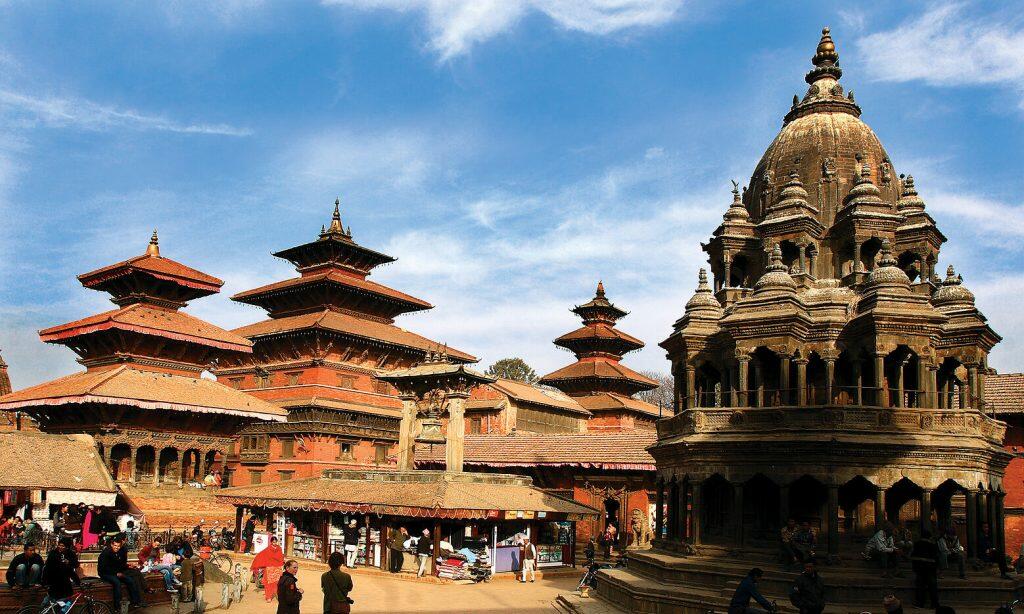
Patan (Lalitpur): Durbar Square, museums, and Newar craftsmanship
Patan is one of the three royal cities of Nepal and is well worth visiting. It is a popular destination for both locals and international travelers. It is mainly known for its rich architecture, detailed wood carvings and a strong Newar heritage feel.
- Best for: temples, Newar architecture, museums, slow walking and photography
- Time needed: 3 to 6 hours (or a full day if you include workshops and cafes)
- How to visit: easiest as a half-day trip from Kathmandu; walk around Durbar Square and nearby courtyards
Practical note: Comfortable shoes help because most of the best areas are explored on foot. If you like learning context, the Patan Museum is one of the best places to start.
Bhaktapur: medieval city squares, pottery, and local snacks
Bhaktapur is a popular day trip for visitors from around the world. Beyond the main squares, you can shop for terracotta, handicraft products, clothes, and souvenirs.
- Best for: medieval city feel, pottery and crafts, temples, local snacks (Juju Dhau)
- Time needed: 4 to 7 hours (many travelers prefer a full day)
- How to visit: day trip from Kathmandu; arrive earlier for calmer streets and better photos
Practical note: Bhaktapur is easiest to enjoy at a slower pace. Keep small cash for entry fees and craft purchases, and plan time to sit in a courtyard for tea.
Key attractions: Terracotta products, lotus, and pretty handicrafts, colorful masks.
Local tip:
- Try Juju Dhau, the famous yogurt from Bhaktapur.
- In Pottery Square, you can even try your hand at throwing a pot with a local artisan for a small fee, it’s a memorable experience you won’t find in a typical guidebook.
Nagarkot: sunrise viewpoint near Kathmandu (weather dependent)
Nagarkot is among the go-to tourist places in Nepal located close to the Kathmandu valley.
- Best for: sunrise, short hikes, a quiet night outside Kathmandu, mountain views (weather dependent)
- Time needed: 1 night (ideal), or a long half-day if you only want views
- How to visit: drive from Kathmandu in the afternoon, stay overnight, then do sunrise and return
Practical note: Views depend on clouds and air clarity. Autumn and winter often give the clearest mornings, but no season is guaranteed.
Pokhara: lakeside base for views, day hikes, and adventure
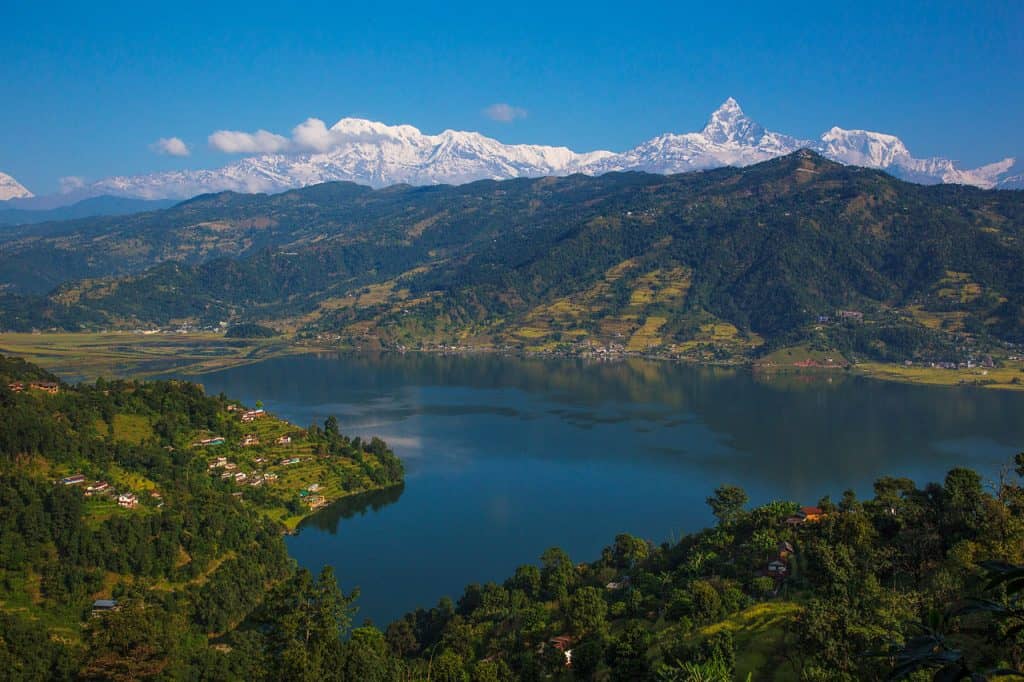
Set beneath the Annapurna range, Pokhara is Nepal’s second-largest valley.
- Best for: lakeside relaxation, day hikes, sunrise viewpoints, adventure sports, a break before/after trekking
- Time needed: 2 to 4 days (more if you add a trek or multiple adventure activities)
- How to visit: travel from Kathmandu by tourist bus, private vehicle, or flight; use Lakeside as your base
Practical note: Pokhara works well in most seasons. If mountain views matter most, check seasonal guidance here: Best Time to Visit Nepal.
Among Nepal’s tourist destinations, Pokhara receives a large number of visitors each year. It is a popular place to relax and take a break from city travel. Pokhara is one of the most visited cities in Nepal.
Pokhara is about 203 km from Kathmandu.
Pokhara has enough to fill a few days without rushing. On clear days, the mountains feel close from Lakeside and nearby viewpoints.
Pokhara is also famous for outdoor and adventure activities. Popular options include boating, rafting, bungee jumping, paragliding, zip flying, and various other extreme sports.
The valley has several lakes, which is a big part of the area’s appeal.
It’s an easy place to combine scenery, light hikes, and a wide range of hotels and food. Lakeside is the simplest base for most visitors.
Key attractions: Lakes, caves, waterfalls, and mountain viewpoints.
Tip: For a wide panoramic view of the Annapurna range, consider hiking or taking a short taxi ride to Sarangkot, especially for sunrise.
Chitwan National Park: wildlife safaris and Tharu culture
If you want to witness a different side of Nepal, then visit Chitwan National Park. It is a UNESCO World Heritage Site and one of Nepal’s best places for wildlife.
- Best for: wildlife viewing, jungle walks, canoe rides, Tharu culture, warm weather in winter
- Time needed: 2 to 3 days (one night is possible but feels rushed)
- How to visit: reach by tourist bus/private vehicle from Kathmandu or Pokhara, or fly to Bharatpur then drive
Safety note: Always follow park and guide instructions during jungle activities. Wildlife encounters are unpredictable, and it is safer not to walk alone outside designated areas.
The tropical monsoon climate makes this area a perfect place for wildlife viewing and jungle safari. It is Nepal’s first national park, with a wide range of lodges and resorts nearby.
In the past, hunting was common in this area. But later the government decided to make it a National Park so that all animals are able to stay.
While in Chitwan you can do so many things. Some of which are going on an elephant safari, capturing the beautiful flora, spotting wildlife. Here you can even row a canoe. And one of the best things to do is to visit the Chitwan Tharu village. Here, the Tharu tribes residing in the vicinity perform the Tharu folk dance which is one of the major attractions of this park.
A Tharu village visit is a good way to understand local culture and food.
Getting there: The easiest way to reach Chitwan from Kathmandu is by a tourist bus, which takes about 5-6 hours, or a short flight to Bharatpur airport, followed by a short drive.
Key attractions: The park is home to rhinoceros, freshwater dolphins, sloth bears. Witness Tharu culture and their folk dance.
Sagarmatha National Park (Everest region): trekking, Sherpa villages, big mountains
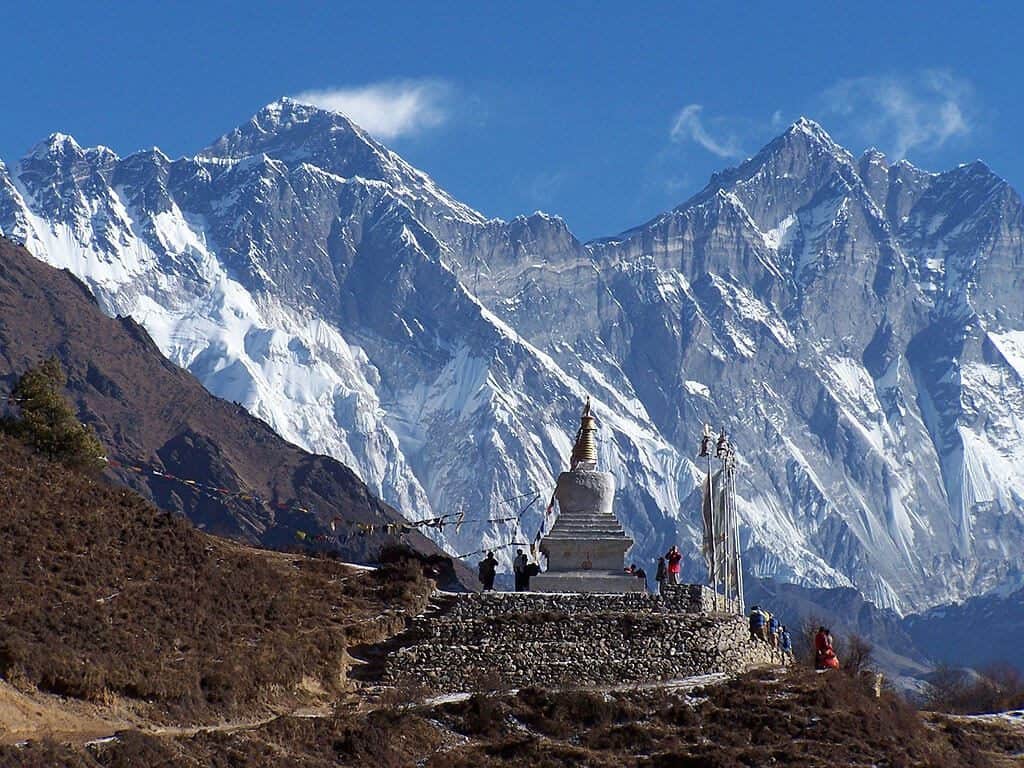
Sagarmatha National Park is one of Nepal’s most famous high-mountain protected areas. Recognized as a UNESCO World Heritage Site, the park covers the Everest region and features dramatic glaciers, deep valleys, and some of the highest peaks in the world, including Mount Everest.
- Best for: Everest region trekking, Sherpa culture, high mountain scenery, monasteries
- Time needed: 12 to 16 days for Everest Base Camp (typical); longer if you add side routes
- How to visit: most treks start after flying to Lukla; allow buffer days for weather delays
Planning note: If you are deciding how to start and what a realistic schedule looks like, this guide helps: Everest Base Camp Trek from Kathmandu.
The most popular adventure here is the Everest Base Camp (EBC) trek. This classic route takes you through Sherpa villages, historic monasteries, and across high suspension bridges. Along the way, you’ll enjoy constant views of Everest, Lhotse, and Ama Dablam.
The park is also rich in wildlife. Visitors may encounter Himalayan Tahr, musk deer, snow leopards, and a wide range of rare birds. It suits travelers who want to experience the high Himalayan landscapes and its unique biodiversity.
Key Attractions: The Everest Base Camp trek, panoramic views of Everest and nearby peaks, Sherpa culture, and rare wildlife.
Getting There: Most visitors begin with a flight from Kathmandu to Lukla Airport, followed by a multi-day trek into the park.
Bandipur: quiet hill town stop between Kathmandu and Pokhara
Bandipur is a perfect place to take a break in the long journey between Pokhara and Kathmandu. It is a living museum of Newari culture, a beautifully preserved village crowning a lofty ridge.
- Best for: a quiet overnight stop, heritage streets, short hikes, slower travel
- Time needed: 1 night (ideal) or a relaxed half-day
- How to visit: stop between Kathmandu and Pokhara; divert from Dumre and drive uphill
Practical note: Bandipur feels best early morning and evening when day-trippers are gone. Bring a light layer for cooler nights.
Here one can go on a trek around the town for picturesque views overlooking the Nepali countryside. Moreover, you can also see a glimpse of the Annapurnas on a clear day.
Time seems to have stood still here. The major attraction in Bandipur is the breathtaking mountain view, Newari culture, and lifestyle.
You can extend one night at Bandipur while returning from Pokhara to Kathmandu or from Kathmandu to Pokhara. You have to take a short diversion from Dumre to uphill for Bandipur.
Key attractions: Typical Newari settlement, Famous Siddhi cave. A Short hike around Bandipur village, Orange garden, panoramic view, etc.
Lumbini: birthplace of the Buddha and a peaceful pilgrimage zone
Lumbini, the birthplace of the Buddha is a serene pilgrimage site. It lies in Nepal’s Rupandehi district. A sacred Buddhist pilgrimage site, the entire area is a UNESCO World Heritage site with stupas and monasteries lining the entire Lumbini.
- Best for: spiritual travel, quiet cycling/walking, learning about Buddhist history
- Time needed: 1 to 2 days (one day is possible if you focus on key areas)
- How to visit: combine with a flight or long drive to the Terai; explore the zones on foot or by bicycle
Etiquette note: Keep voices low in monasteries and remove shoes where required. Modest clothing is appreciated.
This is one of the foremost sites of Buddhist pilgrimage. People from all over the world come here to study scriptures. And learn about the religion of peace, contemplate and refresh their heart and souls.
Lumbini is best experienced slowly, with quiet walks between monasteries and the sacred garden.
Here you can involve yourself in Yoga and meditation. The air here radiates serenity and calm. And Lumbini today is as popular as it is historically significant.
Key attractions: The Maya Devi Temple, which lies amidst a large park that comprises of lakes and monasteries, Tilaurakot and many other monasteries and historical sites surrounding this famous place of Lord Buddha.
Palpa (Tansen): hill town views, markets, and heritage streets
One of the best places to visit in Nepal is Palpa also known as Tansen. This charming hill town offers a unique blend of history, culture and natural beauty.
- Best for: hill town views, architecture, local markets, a quieter cultural stop
- Time needed: 1 to 2 days
- How to visit: travel by road; many travelers add Palpa between Lumbini and Pokhara (or as a western Nepal detour)
Practical note: Roads can be winding and slow. If you get travel sickness, plan breaks and keep water/snacks in the vehicle.
With its rich Newari architecture, narrow winding streets and panoramic views of the Himalayas, Palpa/Tansen provides a memorable experience for visitors.
Additionally, the ancient Ranighat Palace, often called the “Taj Mahal of Nepal,” adds to the town’s appeal.
You can explore historic temples, visit local markets and enjoy the peaceful atmosphere. The town is also known for its handwoven Dhaka fabric, which makes for great souvenirs.
Annapurna Sunrise Trek (Poon Hill): short trek for classic sunrise views
Best For: Short treks, sunrise views over the Himalayas, and a first experience in the Annapurna region.
If you are short on time or looking for a less demanding trek, the Annapurna Sunrise Trek, also known as the Poon Hill Trek, is a fantastic choice. It is one of the most popular short treks in Nepal and usually takes around 4 to 5 days to complete. The main highlight is the sunrise view from Poon Hill.
- Best for: first-time trekkers, families, short timelines, classic Himalayan sunrise views
- Time needed: 4 to 5 days (typical), plus 1 day buffer if you want a slower pace
- How to visit: start from Pokhara, drive to the trailhead, then trek village-to-village with teahouse stays
Practical note: Even short treks feel harder if you rush. A steady pace, warm layers for mornings, and good footwear make the experience more comfortable.
The trail passes through traditional Gurung and Magar villages, dense rhododendron forests (especially vibrant in spring), and scenic terraced hillsides. The most memorable part of the trek is the early morning climb to Poon Hill, which sits at 3,210 meters. From the top, you get a stunning 360-degree view of the Annapurna and Dhaulagiri mountain ranges as the first light of day touches the snowy peaks.
This trek is ideal for first-time trekkers, families, or travelers who want to enjoy the beauty of the Himalayas without the high-altitude challenge of longer routes. It is a well-balanced experience with natural beauty, cultural encounters, and manageable physical effort.
Key Attractions: Sunrise from Poon Hill, views of Annapurna and Dhaulagiri ranges, local village culture, rhododendron forests, and varied scenery.
Getting There: The trek usually begins from Hile, which is about a 1.5 to 2 hour drive from Pokhara.
More places to visit in Nepal (if you have extra time)
Upper Mustang (high-desert culture and landscapes)
If you want a very different landscape (dry valleys, red cliffs, Tibetan influenced culture), Upper Mustang is one of Nepal’s most distinct regions. It is also a restricted area with special permits, so planning matters.
Related guide: Upper Mustang Jeep Tour vs Trekking
Bardia National Park (quieter alternative to Chitwan)
Bardia is larger and less visited than Chitwan, and many travelers choose it for a quieter safari experience if they have the time to reach western Nepal.
Related trip: Bardia Jungle Safari Tour
Langtang (closest major trekking region to Kathmandu)
Langtang is often chosen by travelers who want a Himalayan trek without flying. It is reached by road from Kathmandu, then trekking starts from the trailhead area.
Planning help: How to Reach Langtang from Kathmandu
Frequently Asked Questions (FAQ) About Visiting Nepal
To help you plan your trip with confidence, here are answers to some of the most common questions travelers ask before visiting Nepal.
What is the best time of year to visit Nepal?
A: The best time to visit Nepal is during the autumn months, from September to November. This season offers clear skies, mild temperatures, and the best mountain views. It is the most popular time for trekking. Spring, from March to May, is another great option, especially if you enjoy warmer weather and want to see rhododendron forests in full bloom.
Note: If you are not up for trekking in the Himalayas, then December to February is also an ideal time to visit Nepal. Places like Kathmandu, Pokhara, Chitwan, Lumbini, and Janakpur still have good weather conditions.
While the temperatures are cooler than in autumn, they are generally mild and pleasant for sightseeing. The days are usually sunny and clear, making it perfect for exploring the cities and cultural sites.
Kathmandu and Pokhara (Hilly Regions): Daytime temperatures typically range from 15-19°C (59-66°F), with night-time and early morning lows dropping to 3-5°C (37-41°F). You’ll need warm jackets for the evenings and a light jacket or sweater for the day.
Chitwan, Lumbini, and Janakpur (Terai/Southern Plains): These regions are much warmer. Daytime temperatures are generally between 20-25°C (68-77°F), making it a very comfortable time for jungle safaris and exploration. Evenings are cooler, with temperatures dropping to around 8-13°C (46-55°F), so a light jacket or fleece is still recommended.
Is Nepal safe for tourists?
Yes, Nepal is generally considered safe for visitors. The local people are friendly and welcoming. Serious crime is uncommon, but like in any tourist destination, it is wise to take basic precautions. Keep an eye on your belongings in busy areas like Thamel, and try to avoid walking alone late at night in places you do not know well.
For more detailed information on how to stay safe, including common scams to look out for, see our guide on Scams in Nepal and How to Avoid Them.
Do I need a visa to visit Nepal?
Yes, most travelers will need a visa. The good news is that Visa on Arrival is available for many nationalities at Tribhuvan International Airport in Kathmandu and at several land border crossings. To get your visa, you will need a valid passport (with at least six months of validity) and cash to pay the visa fee. The process is generally simple and fast.
How much does a trip to Nepal cost?
Nepal is known for being a budget-friendly destination.
- A backpacker can often travel on roughly $25 to $35 USD per day, which covers basic accommodation, meals, and local transport.
- A mid-range traveler might spend $50 to $100 USD per day, with more comfort and convenience.
If you are planning a trek, your costs will be higher due to permits, guides, and higher prices for food and lodging in remote areas.
How do I get around Nepal?
Getting around Nepal takes time, but it is straightforward with a bit of planning.
- In cities like Kathmandu and Pokhara, taxis are easy to find. Make sure to agree on the fare before starting your ride.
- Apps like Pathao and InDrive are useful for booking motorbikes and taxis.
- For longer travel between cities, tourist buses are a safe and affordable option. A private car can also be rented through vehicle rental companies.
- If you’re short on time, domestic flights are available, although they cost more.
In trekking areas, most travel is done on foot, with local jeeps or buses used to reach the starting points.
What is the food like in Nepal?
Nepali food is tasty, filling, and full of variety. The national dish is Dal Bhat, which includes lentil soup, rice, vegetables, and pickles. Many places offer free refills. Other favorites include momos (steamed or fried dumplings), thukpa (a hearty noodle soup), and a range of Newari and Tibetan dishes, especially in the Kathmandu Valley.
Is it safe to drink tap water in Nepal?
No, it is not safe to drink tap water in Nepal. Always use bottled or filtered water. To reduce plastic waste, bring a reusable water bottle and water purification tablets or a portable filter. These are widely available in major cities like Kathmandu, Pokhara, Chitwan, Lumbini etc.
What should I wear in Nepal?
Dress modestly, especially when visiting religious sites.
- For general travel, loose and comfortable clothing is best.
- During treks, layered clothing is important as temperatures can change quickly.
- Bring sturdy walking shoes or hiking boots, as you will likely be walking a lot, even outside trekking regions.
Do I need travel insurance for Nepal?
Yes, travel insurance is strongly recommended, especially if you plan to go trekking. Your policy should cover high-altitude trekking and emergency evacuation by helicopter, which can be very costly if you do not have coverage.
Can I use credit cards in Nepal?
Credit cards are accepted in many hotels, restaurants, and shops in Kathmandu and Pokhara. However, cash is still the most widely used payment method in most parts of the country. Carry some Nepali rupees, especially when visiting rural areas or trekking routes. ATMs are common in cities but may not work reliably in remote areas.
Are guides required for trekking?
In many trekking areas, yes. Nepal Tourism Board’s revised TIMS provision (effective from April 2023) requires trekkers in specific trekking regions to be accompanied by a licensed trekking guide and to carry a TIMS card issued through a registered trekking agency. This was introduced for safety and better trek monitoring.
Because rules can differ by region (and restricted areas have separate permit systems), it is wise to confirm requirements for your exact route before you start.
For the official update, see Nepal Tourism Board’s TIMS information.
Conclusion
Nepal has many popular places, but the right choices depend on your time, interests, and comfort level. If you want culture and UNESCO sites, focus on the Kathmandu Valley. If you want an easier nature break, add Pokhara and a sunrise viewpoint. If wildlife matters, include Chitwan. If trekking is your main goal, choose one trekking region and give it enough days to do it safely.
If you want to keep planning, these pages may help with further planning:
- Best Time to Visit Nepal
- Tourist Scams in Nepal and How to Avoid Them
- Most Popular Local Foods in Nepal
- How to Start the Everest Base Camp Trek from Kathmandu
If you have a question about route choices (for example, “Pokhara vs Chitwan if I only have 2 extra days”), you can contact us here: Contact Mosaic Adventure.
Want more information? Send us your query, and our experts will get back to you within 24 hrs.
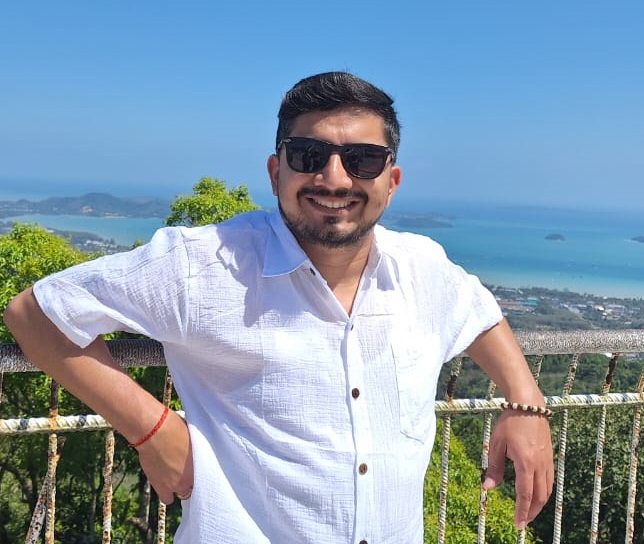
Madhav Prasad is a seasoned trekking and tourism expert with over two decades of experience in the field. Starting his career in 2001 as a porter, Madhav quickly advanced to the role of trekking guide, gaining invaluable hands-on experience in Nepal’s diverse trekking routes. In 2009, after eight years of dedication to the industry, he co-founded Mosaic Adventure, a leading trekking and tour company known for its commitment to safety, sustainability and personalized service.
Madhav has personally trekked to nearly every major trekking destination in Nepal, including Everest Base Camp, Annapurna Base Camp, the Annapurna Circuit, Poon Hill, Jomsom Muktinath, the Indigenous Peoples Trail, Langtang Valley and Mardi Himal, among others. His experience extends beyond Nepal, as he has also successfully summited Mount Kilimanjaro, Africa’s highest peak.
In addition to his extensive trekking credentials, Madhav is well traveled globally, having explored countries such as Australia, the USA, the UK, France, Japan, China, and many others. His global exposure enhances his ability to understand and cater to the diverse needs of international trekkers.
Madhav is the primary point of contact for many clients at Mosaic Adventure, personally addressing inquiries and helping plan treks with a meticulous and personalized approach. His deep knowledge of Nepal’s trekking routes, combined with his global travel experience, ensures that every trek is well planned, safe and unforgettable.