
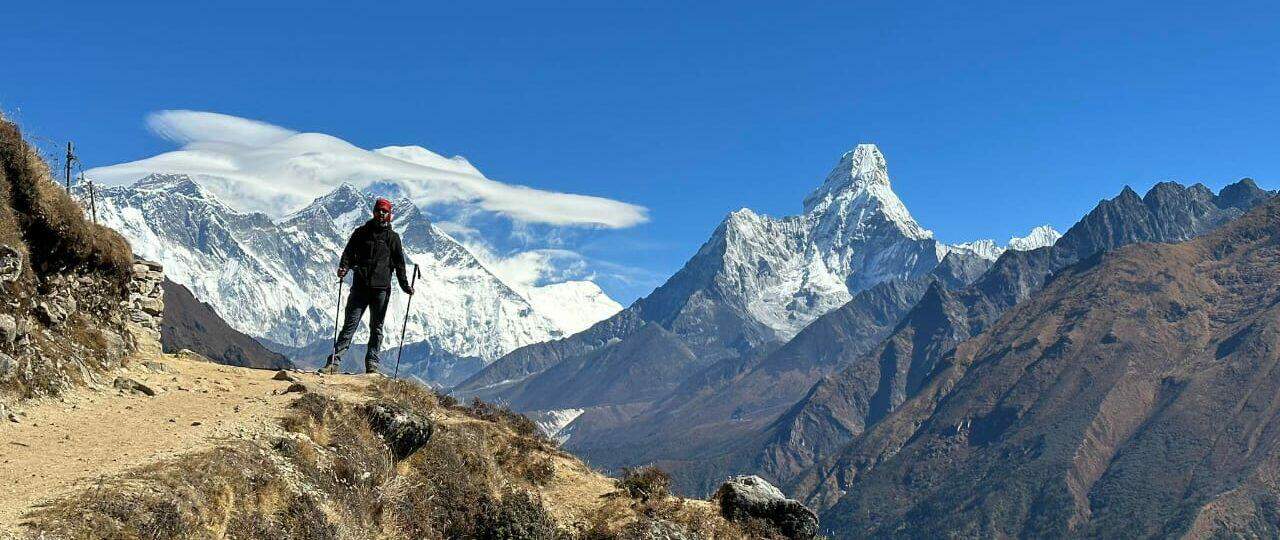
Nepal, home to the high Himalayan peaks, has long been a top destination for trekking lovers and adventure seekers from around the world. From subtropical lowlands to alpine forests, Nepal offers a wide range of trekking trails, which is why it is considered a true trekker’s haven.
Adventurers from around the world visit this beautiful country to explore its diverse landscape, rich culture, and friendly, humble people, and to experience the peace and spirituality inspired by Buddha’s teachings.
This guide focuses on trekking routes that are especially popular with travelers planning trips in 2026, based on what guides and trekkers are actually choosing on the ground. For a broader, experience-based overview of Nepal’s best trekking routes across all difficulty levels, see our detailed guide to the best treks in Nepal.
In this guide, based on our on-ground trekking experience in Nepal, you will learn a short history of trekking, the best seasons to trek (spring, summer/monsoon, autumn, and winter), and a hand-picked list of Nepal’s top 10 trekking trails for 2026. We also share who each trail is best for (short treks, classic routes, quieter alternatives), plus FAQs on safety, permits, costs, and planning tips to help you choose the right trek.

History of Trekking in Nepal
Nepal’s trekking history is closely tied to the Himalayas and the early days of mountaineering and exploration. Trekking, as we know it today, started in the early 1960s when Nepal opened its doors to travelers worldwide. But the roots of this adventure run deep, weaving into the esteemed mountaineering history of the region.
In 1956, Colonel Jimmy Roberts (from United Kingdom) set out on a groundbreaking journey, completing the first recorded trek along the Annapurna Circuit. This marked the beginning of something extraordinary, a phenomenon that would later call out to trekkers not just in search of trails but in pursuit of something profound amid the towering peaks.
The allure of the Himalayas grew after the historic ascent of Mount Everest in 1953 by Sir Edmund Hillary and Tenzing Norgay. As stories of this monumental achievement spread globally, the world turned its attention to Nepal, giving birth to a new era of exploration.
The 1960s and 1970s witnessed the evolution of trekking routes, the emergence of teahouses and improvements in infrastructure. The Annapurna and Everest regions became pioneers, with their trails weaving through a tapestry of challenges and breathtaking landscapes. Many of these early routes later shaped what are now considered Nepal’s classic trekking journeys, which we break down in more detail in our ultimate guide to trekking in Nepal.
In 1973, the Nepal Mountaineering Association (NMA) was founded, bringing order to the growing trekking and climbing activities. This pivotal moment ensured responsible exploration and sustainable tourism practices.
As time passed, trekking in Nepal transformed into a flourishing industry. New routes beckoned adventurous souls, from the serene beauty of Langtang to the rugged charm of Manaslu. The far-western regions opened their doors, adding new chapters to the exploration narrative.

The Annapurna and Everest Base Camp treks continue to be among the most popular journeys in Nepal, drawing people who love both culture and nature. Trekkers explore different places, from green rhododendron forests to dry mountain deserts, encountering a mosaic of cultures and traditions.
In addition, Nepal’s commitment to conservation is evident in the establishment of areas like the Annapurna Conservation Area and Manaslu Conservation Area. These regions showcase the country’s dedication to preserving its natural treasures. Additionally, some regions, such as Kanchenjunga, Upper Mustang and Manaslu, remain restricted for trekking, adding an element of mystery and exclusivity to the trekking experience.
Today, Nepal showcases a beautiful blend between tradition and modernity, where the echoes of the past resonate in every footstep on its revered trails. The legacy of Nepal’s trekking history isn’t only marked on maps; it lives in the hearts of those who’ve walked its paths. Nepal provides timeless adventure awaiting new chapters with every sunrise over the Himalayan horizon.
Want more information? Send us your query, and our experts will get back to you within 24 hrs.
Four Seasons for Trekking in Nepal
Each of these 4 seasons in Nepal brings a unique flavor to the trekking experience.
Spring
Spring, from March to May, brings a burst of colors to Nepal, with blooming rhododendrons painting the landscapes. The weather is nice and steady, providing clear views of the mountains. The trails are vibrant with flowers, perfect for nature lovers. Many trekkers visit during this time, making it a great opportunity to socialize at teahouses along the route.
If you are spending time in popular cities like Kathmandu or Pokhara, you get to experience festival celebrations like the colorful Holi festival, Nepalese New Year and many other happening festivities.
Best for: Clear views, flowers, and classic trekking conditions.
Summer
Summer, which starts in June and lasts until August to mid September, brings the monsoon season. While the lush greenery and blooming flowers create a picturesque landscape, trekkers must contend with heavy rainfall, muddy trails and leeches on some trekking trails in the country.
This season is ideal for those seeking solitude and wanting to enjoy the trail by themselves, avoiding crowds. Plan carefully and pack accordingly to make the most of the season.
Best for: Fewer crowds and green landscapes.
Autumn
From mid-September to early December, you are coming to Nepal to experience the autumn season. This is one of the busiest trekking seasons in Nepal.
Clear blue skies, stable weather, mild temperatures, and post-monsoon landscapes make it the most popular time to trek. The popular festival season of Nepal, Dashain and Tihar, falls in this season.
Along with international trekkers, domestic trekkers are also exploring the country due to government holidays. Therefore, the trails are at their busiest, offering a festive atmosphere and breathtaking views.
Best for: Stable weather and festivals.
Winter
Winter, from December to February, transforms Nepal into a peaceful and colder wonderland. While trekking in lower elevations remains feasible, higher altitudes witness sub-zero temperatures and the possibility of snow.
Winter trekking provides a serene experience with fewer crowds, making it an attractive option for those seeking solitude and unique winter landscapes. However, it requires careful preparation for cold conditions and potential trail closures.
If you are doing a higher altitude trek like Manaslu Circuit, Annapurna or Everest Base Camp, to avoid crowds and make the most of your winter trek in Nepal, try to do it by mid-January so that there is less chance of trail closure. There is less chance, but you should always be prepared to turn around if there is heavy snow.
Even though trekking in Nepal is enjoyable throughout the year, it’s suggested to go in spring and autumn for the best experience. Both seasons offer a mix of beautiful nature, rich culture and good weather. Whether you love the blooming landscapes of spring or prefer the clear trails of autumn, Nepal’s trekking adventures happen in some incredibly beautiful surroundings.
Best for: Quiet trails and winter scenery.
If you are planning your trip around weather and trail conditions, our month-by-month breakdown in best season to trek in Nepal offers a more detailed overview.
Popular Trekking Trails in Nepal for 2026
Now that you’ve learned about the exciting trekking adventures in Nepal, including its history and the best times to go, it’s time to discover the top 10 treks. Here’s a list of trekking trails that are especially popular in 2026, chosen based on accessibility, seasonal demand, and traveler preferences rather than overall ranking.
Below is a quick comparison to help you choose the right trek based on difficulty, duration, and trekking style.
| Trek | Difficulty | Duration | Best suited for |
|---|---|---|---|
| Everest Base Camp | Moderately challenging | 11–14 days | Classic high-altitude Himalayan experience |
| Gokyo Lakes | Moderately challenging | 10–13 days | Lakes, glaciers, and quieter Everest trails |
| Manaslu Circuit | Challenging | 14–18 days | Remote trekking and mountain culture |
| Annapurna Base Camp | Moderate | 7–10 days | Shorter trek with big mountain views |
| Annapurna Circuit | Moderately challenging | 12–18 days | Long, diverse trek with a high pass |
| Langtang Gosaikunda | Moderately challenging | 10–14 days | Sacred lakes and alpine scenery |
| Langtang Valley | Moderate | 7–10 days | Easy access and peaceful trails |
| Poon Hill | Easy to moderate | 3–5 days | Beginners and short trips |
| Mardi Himal | Moderate | 4–6 days | Close-up mountain views, fewer crowds |
| Everest Panorama | Easy to moderate | 5–7 days | Everest views without extreme altitude |
Difficulty and duration are based on altitude, terrain, and typical daily walking hours, using our on-ground guiding experience in Nepal.
-
Everest Base Camp Trek
Choose the exciting Everest Base Camp trek, a thrilling journey in Nepal that follows the paths of famous climbers to the base of the world’s highest mountain. This classic adventure unfolds in the stunning Khumbu region and Sagarmatha National Park, embraced by the majestic Himalayas.
Guided by expert local Sherpas, the trek promises an immersive experience into Sherpa culture and hospitality. The journey includes a visit to the famous Tyangboche Monastery, exploration of Namche Bazaar and Sherpa settlements and trekking through the adventurous trails of the Khumbu region. The excitement added with a flight into Lukla, known for its short runway and dramatic mountain setting.
Over 11 days, trekkers walk around high altitudes, rocky paths and get rewarded with a breathtaking panoramic sunrise view of Everest, Kongde Ri, Nuptse, Lhotse, Kangtega and Ama Dablam.
This trek offers a rewarding Himalayan experience with a strong balance of scenery and cultural exposure.
Best for: First-time high-altitude trekkers, classic Himalayan experience seekers, and fit beginners with preparation.
Difficulty: Moderately challenging due to altitude and daily walking hours.
-
Gokyo Lakes Trek
Hidden high in the mighty Himalayas, there’s a group of special lakes called the Gokyo lakes, which are a really important destination in Nepal for breathtaking views. Trekking to this area offers incredible sights of mountains and the Ngozumpa Glacier, one of the largest in the world. Moreover, you’ll catch glimpses of famous “eight-thousanders” like Cho Oyu, Everest, Lhotse, Lhotse Shar, and Makalu from Gokyo Ri (5360m). A standout moment is witnessing the ice point between Cho Oyu (8201m) and Gyachung Kang (7952m) in the Khumbu region.
Gokyo Lakes trek starts with an exhilarating flight between mountains to Tenzing Hillary Airport in Lukla. Subsequently, it briefly follows the Everest Base Camp route before diverging to Gokyo Valley, altering our route from Namche Bazaar. Challenges arise as we traverse Sherpa land where Buddhism holds great importance. Bridges display large Buddhist prayer flags, and we’ll pass Buddhist memorial sites like mani stone walls and chortens. Our ultimate destination is Gokyo Ri and the world’s highest freshwater lakes. It is an enchanting journey in a stunning location, far removed from the hustle and bustle of the modern world.
Best for: Trekkers who want stunning Himalayan lakes, glacier views, and a quieter alternative to the Everest Base Camp route.
Difficulty: Moderately challenging, with high altitude but fewer steep days than EBC.

-
Manaslu Circuit Trek
Manaslu is like a natural wall between Nepal and the Tibetan plateau and trekking opened there in 1992. The place is pretty new for trekking but a great option with incredible nature and can leave you without words!
While you walk from one village to another, dealing with tough land, you’ll see a bunch of local animals, cool rocks, old civilization leftovers and some of the best mountain views ever.
This trek is like a mix of different cultures, amazing views and cool nature stuff. Manaslu Circuit trek takes you on a big adventure in the calm Himalayas, showing you the tallest mountains (over 8000m!). If you’re into exciting trips and love mountain views, this is a perfect journey. The place is so peaceful that you can forget about your problems and really enjoy the mountain magic.
Best for: Experienced trekkers looking for a remote trail, rich mountain culture, and fewer crowds than the classic routes.
Difficulty: Challenging due to remoteness, long days, and the high Larkya La Pass.

-
Annapurna Base Camp Trek
ABC Trek offers stunning mountain views, village life and diverse ecosystems. Starting in Pokhara, we trek through lush forests to Tikkhedunga, Ghorepani and beyond, experiencing Gurung and Magar cultures.
En route to Annapurna Base Camp (ABC), encounter wildlife amid breathtaking mountain scenery. At ABC, marvel at the icy peaks of the Annapurna Range. The route includes Poon Hill for unparalleled vistas and challenging days to reach 4130 meters.
Best for: Trekkers who want close-up mountain views, varied landscapes, and a rewarding trek in a shorter time frame.
Difficulty: Moderate, suitable for beginners with good fitness and preparation.

-
Annapurna Circuit Trek
Annapurna Circuit trek is a renowned classic, praised for its visit to Thorong La Pass, stunning mountain views and pristine natural beauty.
Despite challenges, reaching 5416 meters is rewarded by panoramic Himalayan vistas and warm local welcomes. The route explores Manang and Mustang districts, following the Marsyangdi River to Thorong La Phedi. Highlights include Marpha’s apples, Jomsom Valley’s winds and the world’s deepest gorge between Annapurna I and Dhaulagiri. Visit Nepal’s oldest monastery, Gurung and Thakali villages, and unwind in Tatopani’s hot springs. Indulge in Ghorepani’s acclaimed “daal bhat” and Marpha’s apple delights. Join this trek into a Tibetan-influenced wonderland and reward yourself with this timeless trekking.
Best for: Fit trekkers seeking a long and diverse journey with high mountain passes, cultural variety, and dramatic scenery.
Difficulty: Moderately challenging to challenging because of its length and high mountain pass.

-
Langtang Gosaikunda Trek
Begin your journey on the mesmerizing Langtang Gosaikunda trek, an incredible adventure through the renowned valley of glaciers. Explore pristine forests to Ghoda Tabela, where the Langtang Valley unfolds with stunning camping sites, majestic peaks and glaciers.
Reach the sacred Gosaikunda Lake at 4,380 meters, a significant Hindu pilgrimage site surrounded by lovely lakes like Nagkunda, Suryakunda, Saraswatikunda and Bhairabkunda.
Experience a lesserknown trail with diverse landscapes, people, and culture, along with natural beauty. From lush evergreen forests to alpine grasslands and beautiful waterfalls, all added with picturesque mountains.
Despite the challenges post-2015 earthquake, the Langtang Valley is resilient, showcasing vibrant rhododendrons, red pandas and the unique Tibetan culture.
Best for: Trekkers interested in sacred lakes, alpine scenery, and a culturally rich trail close to Kathmandu.
Difficulty: Moderately challenging, with steep sections and high altitude near Gosaikunda.
-
Langtang Valley Trek
Discover the Langtang Valley trek, a 7-day adventure less known among Nepal’s trekkers.
This unique journey takes you into the remote landscapes of Langtang, offering an easily accessible highland escape from Kathmandu. The valley decorated by the snow topped Langtang Lirung (7246m), features high mountain lakes, including the breathtaking Kyanjin Gompa.
Experience the untouched beauty of thick forests, lush farmlands, traditional villages and deep gorges shaped by the Bhote Koshi and Langtang Khola rivers. The vibrant rhododendron, oak, maple and alder tree forests are a haven for wildlife, from wild boar and Himalayan black bears to grey langur monkeys, leopards, musk deer and the endangered red panda. This simple yet extraordinary trek promises a wonderful journey through peaceful landscapes, making it a unique and accessible adventure for all.
Well suited to: Trekkers looking for a peaceful Himalayan experience, moderate difficulty, and easy access from Kathmandu.
Difficulty: Moderate, with gradual altitude gain and shorter daily walking hours.
-
Poon Hill Trek
For those with a limited four days to explore Nepal, Poon Hill Trek stands out as the ideal choice. This condensed trek offers a taste of everything the Nepalese trails have to offer, making it a perfect option for those short on time.
The highlight of the journey is the breathtaking mountain views, especially during the sunrise ascent of Poon Hill. Beginning and concluding in Nayapul, the trek forms a loop through Ghorepani and Ghandruk, immersing trekkers in the crisp serenity of the high alpine region and providing glimpses into traditional Nepali lifestyles.
Accommodations are provided in welcoming teahouses and the trek involves a challenging climb of 3300 steps to Ulleri. Following the Bhurungdi River east, the trail meanders past lowland rice fields and dense jungles where playful monkeys and various bird species can be observed in their natural habitats. Poon Hill Trek ensures a unique and memorable experience, showcasing the essence of Nepalese trekking in a short and impactful journey.
Best for: Beginners, families, and travelers with limited time who want sunrise views and cultural village walks.
Difficulty: Easy to moderate, suitable for beginners and families.

-
Mardi Himal Trek
Discover the Mardi Himal Trek, a route that has gained popularity in 2026 for its short duration and close-up mountain views. It’s a favorite among locals and international visitors for its stunning views of Mount Fishtail. In just 3 nights and 4 days from Pokhara, you can see the gigantic mountains up close without any obstacles.
Starting from the beautiful city of Pokhara at 800 meters, the trek takes you to the Mardi Himal Base Camp at 4500 meters. Along the way, you’ll pass through lovely forests and open spaces, where you might spot Himalayan wildlife and catch glimpses of impressive mountain peaks.
For a Himalayan experience on a less crowded trail, the Mardi Himal Trek is an excellent choice. It’s perfect for those who want to explore everything from green forests to valleys, villages, farmland and enjoy views of famous Himalayan peaks like Annapurna, Machhapuchre and Hiunchuli.
Well suited to: Trekkers seeking a short, less-crowded trail with close-up views of Annapurna and Machhapuchre.
Difficulty: Moderate, with some steep uphill sections near the high camp.
-
Everest Panorama Trek
Short on time for the full EBC trek but still want a glimpse of Everest? Choose the Everest Panorama Trek!
It’s a shorter trek, reaching 3860 meters, taking you to the heart of the Khumbu region for stunning mountain views.
Follow the Dudh Koshi River, cross over high suspension bridges decorated with Buddhist prayer flags and through thick rhododendron forests. The trail leads to Tyanboche, home to the Tyangboche Monastery, offering breathtaking panoramic views of Everest and other majestic mountains.
Everest Panorama Trek is a great start to your trekking journey, capturing the essence of this mountain wonderland. Frequently chosen by trekkers in 2026, it’s perfect if time is short but the desire to witness the highest mountain in the world. Choose the Everest Panorama Trek for an exciting adventure!
Well suited to: First-time trekkers and travelers short on time who want Everest views without going to very high altitude.
Difficulty: Easy to moderate, ideal for first-time trekkers and shorter itineraries.
Is trekking in Nepal safe in 2026?
Yes, trekking in Nepal is considered safe in 2026 when done with proper planning, a licensed guide, and a registered trekking company. Most trekking regions are well-established and supported by local communities. It is important to stay updated on local conditions and follow any travel advisories published by your government.
For a deeper understanding of safety, altitude awareness, and preparation, you can also refer to our detailed guide on acute mountain sickness and high altitude trekking.
What are the best trekking routes in Nepal for 2026?
Based on current travel trends, accessibility, and seasonal demand, the routes listed above are among the most popular choices for trekkers planning trips in 2026. Popularity reflects ease of planning and traveler preference rather than an overall ranking of trekking quality.
Which trekking trails are most popular with travelers in 2026?
In 2026, trekking trails such as Everest Base Camp, Annapurna Base Camp, Poon Hill, and Mardi Himal remain popular due to accessibility, established infrastructure, and reliable seasonal conditions. Popularity often reflects ease of planning and travel trends rather than overall trekking quality, which can vary depending on individual preferences.
How can I get a trekking permit in Nepal in 2026?
Trekking permits can be obtained through the Nepal Tourism Board or at local immigration offices, depending on which trek you are doing. As of recent regulations, foreign trekkers are required to trek with a licensed guide in most regions of Nepal. Booking through a registered trekking company helps ensure safety and compliance. So, make sure you book your trek with a registered company and they will take care of the required permits.
What is the best time to trek in Nepal in 2026?
As outlined above, the best trekking seasons are spring (March to mid-June) and autumn (mid-September to early December) when weather conditions are favorable with clear skies and mild temperatures.
Are COVID-19 precautions still in place for trekkers in 2026?
There aren’t any specific entry restrictions at the moment, but it is advised that you check the latest guidelines and travel restrictions related to COVID-19 before booking any flights or trips.
What kind of accommodation can I expect during trekking in 2026?
Depending on the trekking trail you choose, there are still teahouses and tented camping available for trekking trips in Nepal. In the outlined top 10 treks for 2026, teahouses/lodges are common, providing basic amenities and food for passing trekkers.
How physically demanding are the different trekking routes in Nepal?
Trekking difficulty varies among the various treks outlined above. Treks like Everest Base Camp, which goes above 5000 meters, are moderately challenging, while routes like Poon Hill are easy to moderate and can be challenging too for some. Make sure you book a trek that matches your fitness level and don’t forget to ask fitness-related questions before making a decision on which trek to go.
Can I trek solo or join a group in Nepal in 2026?
Both solo and group trekking are possible. Joining a group trek offers camaraderie and shared costs. If trekking solo, make sure to hire a local guide for added safety.
What is the cost of the Nepal entry visa for 2026?
There have been no recent changes in visa fees. The Nepal entry visa costs for 2026 are as follows:
- 15 days: USD 30
- 30 days: USD 50
- 90 days: USD 125
Please note that these visa fees are subject to change without prior notice. Ensure you obtain up-to-date information through the Nepal Immigration website before planning your trip.
In a Nutshell
Nepal, with its rich history and diverse landscapes, offers a trekking experience like no other. Based on recent travel trends and on-ground guiding experience, we have highlighted trekking trails that are especially popular with travelers planning trips in 2026. Whether you opt for the iconic Everest Base Camp trek or explore the hidden gems of the Langtang region, each trail promises an adventure of a lifetime.
As you plan your trek in 2026, consider the advantages and disadvantages of each season, and remember that autumn stands out as the best time to immerse yourself in the unparalleled beauty of Nepal’s Himalayas.
For many trekkers, Nepal remains one of the most rewarding countries in the world to explore on foot. Rich experiences await you on these legendary Himalayan trails. Happy trekking!
Want more information? Send us your query, and our experts will get back to you within 24 hrs.
If you are still comparing routes based on experience level, scenery, and overall trekking value, our main guide to the best treks in Nepal can help you narrow down your final choice.

Madhav Prasad is a seasoned trekking and tourism expert with over two decades of experience in the field. Starting his career in 2001 as a porter, Madhav quickly advanced to the role of trekking guide, gaining invaluable hands-on experience in Nepal’s diverse trekking routes. In 2009, after eight years of dedication to the industry, he co-founded Mosaic Adventure, a leading trekking and tour company known for its commitment to safety, sustainability and personalized service.
Madhav has personally trekked to nearly every major trekking destination in Nepal, including Everest Base Camp, Annapurna Base Camp, the Annapurna Circuit, Poon Hill, Jomsom Muktinath, the Indigenous Peoples Trail, Langtang Valley and Mardi Himal, among others. His experience extends beyond Nepal, as he has also successfully summited Mount Kilimanjaro, Africa’s highest peak.
In addition to his extensive trekking credentials, Madhav is well traveled globally, having explored countries such as Australia, the USA, the UK, France, Japan, China, and many others. His global exposure enhances his ability to understand and cater to the diverse needs of international trekkers.
Madhav is the primary point of contact for many clients at Mosaic Adventure, personally addressing inquiries and helping plan treks with a meticulous and personalized approach. His deep knowledge of Nepal’s trekking routes, combined with his global travel experience, ensures that every trek is well planned, safe and unforgettable.
