
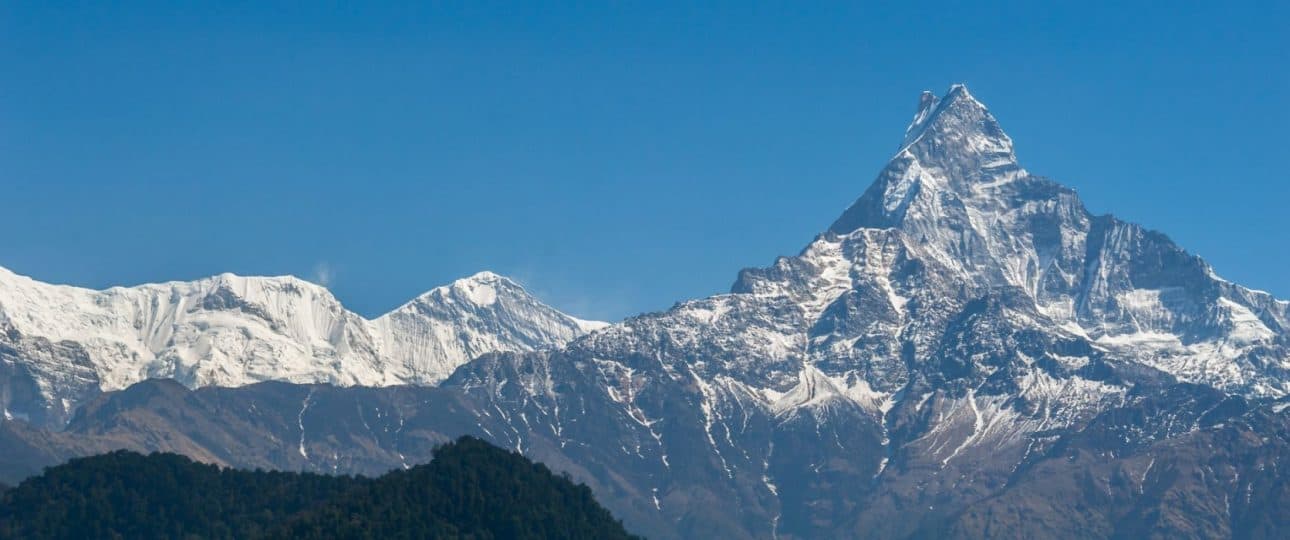
Trekking in Nepal is world-famous, and for good reason. Nepal is a truly amazing place for wonderful activities like hiking, touring, mountaineering, and trekking in the Himalayas. Yearly, Nepal attracts a large number of trekkers. You can choose among 200 trekking routes that are legally opened for foreign tourists. There are thousands of wonderful hiking trails you can explore throughout the year. The best part of trekking in Nepal is there are no seasonal constraints throughout the year. Despite the heavy monsoon, June, July, and August are still the best off-season trekking months in Nepal.
This guide explains what really happens during the monsoon season, which trekking regions stay dry, which trails to avoid, what gear matters most, and how to choose the right trek based on rainfall, altitude, and safety. You will also learn why some July treks offer better scenery, fewer crowds, and deeper cultural experiences than peak season.
But before heading towards the trail during the monsoon months, one question comes up for many trekkers. Does it rain 24 hours like in other parts of the world? The short answer is no! The monsoon in Nepal is not like the typical monsoon of Asia. It rains but mostly at night time. That’s why we recommend early starts, when views are most likely to be clear.
You must be careful about choosing the trekking routes while making the plan for trekking in Nepal in July. So, while planning your trekking trip in Nepal, there is a lot more to it than just looking at what season it is.
July is not as bad a trekking month as many people assume, especially if you value quieter trails, greener landscapes, and cultural experiences. This guide helps you decide if July fits your trekking style and which routes make the most sense.
If you are also comparing nearby monsoon months, you can read our guides on trekking in Nepal in June and trekking in Nepal in August to see how rainfall and trail conditions change.
Weather Conditions while Trekking in Nepal in July
July is an off-season trekking month. The weather during this month gets very hot, humid, and wet. During this month, it rains almost daily with an occasional thunderstorm in the evening. Although the mornings are often clear with great mountain views. Weather conditions depend upon the altitude and elevation. Also, the regional distribution varies rainfall from one place to another.
Pokhara valley, located in the central part of Nepal, receives more than 400 mm of rainfall. Normally, the western and northern sides of Nepal receive less rainfall. In the northern side of Nepal, there exists a large rain shadow area beyond the great Himalayan ranges. During the monsoon, these rain shadow regions receive less rainfall, like 50 mm. During this month, in Kathmandu, it rains to an average between 200-375 mm. Due to frequent rainfall, temperatures feel slightly cooler than early summer, especially in the evenings. Around the Kathmandu valley, the temperatures may range from max 30°C to min 21°C. The rain spreads pleasantness around the green lush vegetation in the hill area.
Humidity often feels stronger than cold in July, so managing sweat, wet clothes, and drying time becomes more important than carrying heavy insulation.
Who Should Consider Trekking in Nepal in July?
- Trekkers who prefer fewer crowds and quieter trails
- Repeat visitors who want a different Himalayan experience
- Photographers interested in lush landscapes, clouds, and dramatic skies
- Travelers flexible with schedules and comfortable with weather changes
- Those interested in rain shadow regions like Upper Mustang or Nar Phu
Who Should Avoid Trekking in July?
- First-time trekkers on tight international flight schedules
- Those uncomfortable with rain, leeches, or trail mud
- Travelers expecting constant mountain views all day
Best Trekking Destinations Trekking in Nepal in July
Trekking in Nepal is doable in any season. Summer or monsoon seasons are the off-season for trekking in Nepal. Despite this, July also offers some fantastic short as well as long treks. During July, the climate plays a critical factor for trekking. But you can choose any of these trekking destinations, where there is no risk of monsoon. The popular off-beaten trekking routes like Upper Mustang, Upper Dolpo Trek, and Nar Phu Valley trek are doable during this month. Besides this, the popular trekking destinations like Everest Base Camp trek, Ghorepani Poon Hill trek, and Mardi Himal trek are also equally fruitful to do. To help you plan your trekking in Nepal in July, I’ve listed some great trekking routes that are better suited to monsoon conditions.
| Trek Region | Monsoon Rainfall | Why It Works in July |
|---|---|---|
| Upper Mustang | Very Low | Rain shadow area, dry trails, Tibetan culture |
| Nar Phu Valley | Low | Protected by high Himalayan ranges |
| Mardi Himal | Moderate | Short duration, flexible itinerary |
| Poon Hill | Moderate | Lower altitude, village access, greenery |
| Everest Base Camp | Moderate | Morning views, open teahouses |
Another smart July idea: parts of the Annapurna Circuit Trek sit closer to the rain shadow (especially around Manang and Muktinath), so conditions can be more stable than many lower hill trails during peak monsoon.
Poon Hill Trek

While talking about the short trekking in Nepal, Poon hill trek comes in number one position. Yes, Poon Hill trek is one of the most famous short treks in Nepal. It is a perfect trek for beginners with minimal time in Nepal. The major highlight of this trek is the view of sunrise at Poon Hill, 3810 m above sea level. From the top of the hill, you’ll get 360-degree panoramic views of the surrounding mountains. It is one of the most popular trekking routes, and there are significant travelers around the trail during the high trekking season.
In July, the same trail becomes quieter, with richer vegetation, active farming villages, and fewer crowds compared to spring and autumn.
On the trail, you’ll visit some important villages, and one of them is Ghandruk. It is the second biggest village of Gurung inhabitants. Within the short period of trekking, you’ll get to see marvelous views of Mt. Annapurna, Mt. Dhaulagiri, Mt. Macchapucchre, and Hiunchuli. This trekking trail leads you via incredible dense rhododendron forests and deep subtropical valleys. In addition, with a bit of preparation on the Poon Hill trail, you can enjoy the lush green landscapes and unique agricultural cultivation style that may not be possible to observe during other trekking seasons.
Upper Mustang Trek

Despite the monsoon, July is still a good time for the Upper Mustang trek in Nepal. The Upper Mustang region lies in the north of Nepal and has little or no rainfall during the monsoon. Since this region is highly dominated by the giants Annapurna and Dhaulagiri massif, the rainfall is rare in this region. This trekking trail lies under the restricted trekking region of Nepal. Thus, you require special trekking permits.
During this amazing trek, you’ll get an amazing scenery of the unique landscape of the trans-Himalayan mountain area. Also, you’ll get a chance to experience some unique Tibetan culture. One of the major highlights of the Upper Mustang trek is the ancient capital of Lo Manthang. This place is the last example of lively Tibetan culture. It is largely inhabited by Manangi people whose culture and traditions are similar to those of the Tibetan people. On this trek, you’ll get a great chance to witness the Buddhist art and culture and learn about the Trans-Himalayan history. This trekking route offers wonderful mountain views of Annapurna, Dhaulagiri, Nilgiri, and other nearby peaks of the Annapurna region. Upper Mustang trek is a great adventure trek along the off-beaten path in the Himalayas.
Nar Phu Valley Trek
Nar Phu Valley trek is a newly opened and adventurous trek that is possible for trekking in July. This trekking region never gets affected by monsoon rainfall. This trek is perfect for those adventurous trekkers who seek to venture off the beaten track with panoramic mountain views. Throughout the trail, you’ll visit different Buddhist monasteries. You’ll pass via high peaks and passes, glaciers, remote villages, narrow canyons, and amazing landscapes. Since it lies in the isolated region, the Nar and Phu villages are untouched by modern development. So, the trail is rugged, and basic accommodations are available.
This off-beaten trekking trail situates north of the popular Annapurna Circuit Trek route. Like Upper Mustang, its landscape is also Tibet-like. This trekking route brings you closer to the people of the Himalayas. Furthermore, the higher regions of the treks are home to Tibetan culture still leading their ancient way of life. Because the villages are remote, the lifestyle feels quieter and more traditional than on busy trekking routes. Take time to explore the unique culture, completely different from other mountainous regions. If you’re fit and want to get off the common routes, this adventure will take you to new heights. Throughout the trail, you’ll encounter basic tea houses. You’ll get a chance to taste local and delicious food on the trail.
Nar Phu Valley trek can be done year-round. Autumn and spring are more popular, especially October, November, March, and April. July can still be a rewarding time if you are comfortable with basic facilities and want fewer people on the trail.
For those looking for other trekking options in July, the Langtang Valley Trek and Mardi Himal Trek are also excellent choices, offering unique experiences and breathtaking views.
Other Treks Possible in July with Proper Preparation
With the right planning, experienced guides, and flexible itineraries, several classic treks remain possible during July. These routes require flexible planning and are best done with local guidance to adjust daily plans if weather or transport changes.
- Annapurna Base Camp Trek (via shorter itineraries)
- Langtang Valley Trek with buffer days
- Everest Base Camp Trek with weather contingency planning
- Lower Everest treks like Pikey Peak Trek (great views with fewer flights and crowds)
- Helambu treks like Ama Yangri Trek for a short trip from Kathmandu
Equipment and Packing List for Trekking in Nepal in July
Essential Gear
- Sleeping Bag
- Pillowcase
- Ear Plug
- Trekking Bag
- Duffel Bag
- Rucksack Bag
- Day Pack
- Trekking pole
- Water bottle
Clothing
Upper Body
- Hiking shirts
- Long sleeved t-shirt
- Fleece jacket
- Hooded rain jacket
- Down jacket
- Sweater
- Waterproof shell jackets
- Sports bras
- Light and expedition weight thermal tops
Lower Body
- Lightweight cotton pants
- Polypropylene underwear
- Waterproof pants
- Hiking shorts
Foot Wear
- Hiking boots
- Camping sandals
- Thick wool socks
- Light socks
Hand
- Heavyweight winter gloves
- Light and waterproof gloves
Head
- Sun hat or scarf
- Woolen hat
- Winter hat or insulating hat or Wide-brimmed hat
- Headlight with extra batteries
Toiletries
- Medium sized quick-drying towel
- Toothbrush
- Toothpaste
- Hand sanitizer
- Wet wipes
Personal
- Sunscreen
- Sunglass with UV protection
- First aid kit
- Lip balm
- Water purification tablets
- Binoculars (optional)
Monsoon Add-ons Most Trekkers Forget
- Dry bags or zip-lock style waterproof pouches (for phone, passport, power bank)
- Backpack rain cover + an inner liner (double protection)
- Light gaiters or leech socks (especially below 3,000m)
- Quick-dry towel and spare socks (feet comfort matters a lot in July)
Clothing Tips for trekking in Nepal in July
- During July, especially when there will be a torrential downpour, don’t forget to pack breathable rain gear.
- While walking through the dense forests, there might be significant insects, so full-sleeved clothes are highly recommended.
- During this month, the humidity can also be a huge problem. So you need to choose quick-drying fabrics like synthetic. Strictly avoid cotton clothes!
Safety Tips for trekking in Nepal in July
- Keep yourself updated with the weather conditions. The weather, especially in the Himalayas, keeps changing. So, while trekking in Nepal in July, you need to act wisely.
- Choose your trekking destinations carefully. If you choose the trekking destinations wisely, then June can be one of the best times to trek in Nepal.
- Keep some buffer days in your trekking packages. Since the weather in the Himalayas is mostly unpredictable, it’s wise to set two or three extra days in case something unavoidable (landslides/floods) occurs during the trek.
- Expect leeches and insects below about 3,000m. Wear long sleeves and pants, use insect repellent, and carry salt or leech socks as a backup.
- Be realistic about fitness and altitude. Some routes feel more demanding in humid monsoon conditions, so proper acclimatization and pacing are essential.
- Always carry oral rehydration salts to prevent dehydration, which can be a risk during strenuous trekking in humid conditions.
- July weather can delay flights and block some roads. If your trek depends on flights (like Lukla or remote regions), keep 2 to 3 buffer days so you are not forced to rush or cancel.
What Trekking in Nepal in July Really Feels Like (Day to Day)
- Mornings: often the clearest time for mountain views, so start early.
- Afternoons: clouds build up faster, and short rain bursts are common.
- Trails: expect muddy patches in forests and lower hills, especially after night rain.
- Gear reality: quick-dry clothes matter more than warm layers in many areas, but you still need a light insulating layer for cool mornings.
- Wet stuff problem: keep one set of “dry clothes” sealed in a dry bag so you always have something comfortable at night.
Best Reasons for Trekking in Nepal in July
- Fewer trekkers and lower demand mean quieter trails and better value on accommodation compared to peak seasons.
- Everything is more beautiful, greener, and cleaner than ever. The flowers blossom everywhere in the hillside area. The hills and forests look their greenest, and the landscapes feel fresh after rain.
- You can experience the unique beauty of rain shadow regions like Upper Mustang and Upper Dolpo, which remain relatively dry even during the monsoon season.
FAQs
Are teahouses open on Nepal trekking trails in July?
Yes. Teahouses stay open on popular routes like Everest, Annapurna, and Langtang. In quieter areas, a few lodges may close for maintenance, so it helps to trek with a guide who can adjust the stops if needed. If you are considering Everest in July, this guide may help: Everest Base Camp Trek in July.
Does it rain all day while trekking in Nepal in July?
No. July is peak monsoon, but rain usually comes in bursts, often later in the day or at night. Mornings are often clearer, so we recommend early starts to catch the best views and finish the main walking hours before afternoon clouds build up.
What are the biggest challenges trekkers face in Nepal in July?
The common challenges are muddy or slippery trails, leeches below about 3,000m, and travel delays (flights or roads) during heavy rain. These are manageable with the right route choice, waterproof packing, and 2–3 buffer days in your plan.
Which trekking regions are best in July to avoid heavy rain?
Rain shadow regions are the safest choice, like Upper Mustang, Nar Phu, and Upper Dolpo, because they usually receive much less monsoon rain. Upper Mustang is a restricted region, so permits are important. See: Nepal restricted area permit fees.
How do I deal with leeches during monsoon trekking?
Wear long pants, use gaiters or leech socks, and check your shoes and ankles during breaks. Avoid brushing through wet bushes when a clear trail exists. Carry a small salt packet as a simple backup. After heavy rain, leeches are more active in forest sections.
Do I need extra buffer days in July?
Yes. We strongly recommend adding 2–3 buffer days for July treks, especially if your itinerary includes flights (like Lukla) or remote road travel. Buffer days reduce stress and help you stay safe if weather delays transport.
Can beginners trek in Nepal in July?
Yes, but route choice matters more in July. Beginners should pick shorter treks, avoid landslide-prone road sections during heavy rainfall, and keep the plan flexible. A good option near Pokhara is the Poon Hill Trek.
Can we do Everest Base Camp Trek in July?
Yes, it is possible with proper preparation and flexible timing. The biggest July risk is not constant rain on the trail, but travel delays and occasional low visibility. With buffer days and good rain gear, July can be quieter and greener than peak season. Read: Everest Base Camp Trek in July.
What is the best time of day to hike in July?
Start early. Morning walks are often clearer and more comfortable. Afternoon clouds and showers are more common, so finishing the main walking hours earlier usually feels safer and helps you enjoy better mountain views.
Final Thoughts
If you’re an actual adventure lover, then you’ll love this challenging month. The little obstacles like leeches and rain won’t bother you too much. Yes, July is one of the wettest months in the whole year. But this may not always be the case. If you choose any of the trekking regions that lie in the rain shadow area, then you’ll encounter light monsoon. Besides trekking, if you’re planning to travel during this month, you can do activities like volunteering, meditation, and yoga.
Having guided trekkers across Nepal for many monsoon seasons, we have seen July reward those who plan carefully with unforgettable landscapes and quieter trails.
This month is the main time period for rice plantation. If you visit the village side, then you can take part in the rice plantation with the locals. In fact, in the Pokhara valley, the Mud festival is held during this month. During this festival, you’ll get to play fun games like rice plantation race, mud race, and even play and throw mud at each other. So don’t stop yourself from exploring Nepal because of the monsoon, as in Nepal it isn’t that difficult either!
Happy Trekking!
If you want more information about trekking in Nepal in July, including details on the Annapurna Circuit Trek, Langtang Valley Trek, or Mardi Himal Trek, then we are happy to answer your questions. Please feel free to contact us.
Want more information? Send us your query, and our experts will get back to you within 24 hrs.

Madhav Prasad is a seasoned trekking and tourism expert with over two decades of experience in the field. Starting his career in 2001 as a porter, Madhav quickly advanced to the role of trekking guide, gaining invaluable hands-on experience in Nepal’s diverse trekking routes. In 2009, after eight years of dedication to the industry, he co-founded Mosaic Adventure, a leading trekking and tour company known for its commitment to safety, sustainability and personalized service.
Madhav has personally trekked to nearly every major trekking destination in Nepal, including Everest Base Camp, Annapurna Base Camp, the Annapurna Circuit, Poon Hill, Jomsom Muktinath, the Indigenous Peoples Trail, Langtang Valley and Mardi Himal, among others. His experience extends beyond Nepal, as he has also successfully summited Mount Kilimanjaro, Africa’s highest peak.
In addition to his extensive trekking credentials, Madhav is well traveled globally, having explored countries such as Australia, the USA, the UK, France, Japan, China, and many others. His global exposure enhances his ability to understand and cater to the diverse needs of international trekkers.
Madhav is the primary point of contact for many clients at Mosaic Adventure, personally addressing inquiries and helping plan treks with a meticulous and personalized approach. His deep knowledge of Nepal’s trekking routes, combined with his global travel experience, ensures that every trek is well planned, safe and unforgettable.
