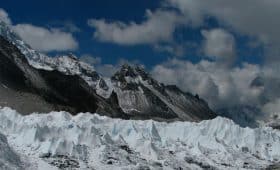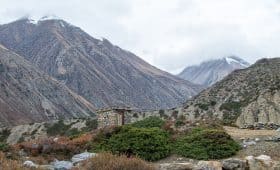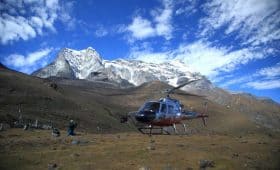
Nepal is the Trekker’s Paradise for a good reason. Of the ten highest peaks in the world, more than eight peaks lie in Nepal. And, trekking to these magnificent places in June is a heavenly experience.
Trekking in Nepal is one of the unique and thrilling walking adventures! Some of the most beautiful landscapes are only reachable on foot.
Generally, autumn and spring seasons are considered as the best season. During this time, generally, the weather conditions are good and you’ll also get the clear mountain views.
Likewise, the monsoon season has its own share of unique advantage.
In Nepal, June is the starting month of the monsoon. The rainy season usually starts from the middle of the June and lasts to the first week of September.
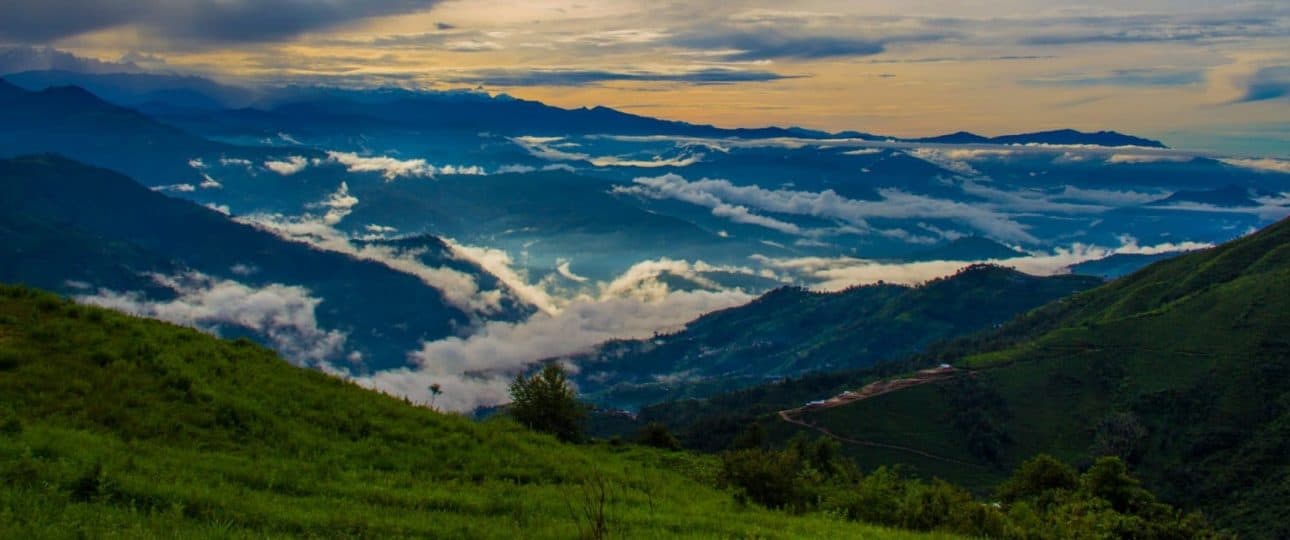
During monsoon, the green lush vegetations, blooming flowers, and quaint trials make the trail more beautiful.
If you are planning to come during June and don’t know when the next opportunity will come, then don’t hesitate to make your plans.
If you don’t have any idea about June month then I’ll help you out via this article.
Normally, trekkers have few questions before planning their trip during the monsoon seasons in Nepal.
How bad is the monsoon season? Is it really okay to go for trekking in Nepal in June?
If you wisely choose the trekking trail during this month, then you’re likely to find yourself trekking at least part of the time in the rain.
Many trekking regions of Nepal are best discovered in the monsoon season.
Although June is technically within the rainy season, it’s still a very pleasant time to visit.
Definitely, at this time you won’t be sharing trails with all the crowds.
So, while planning your trekking in Nepal in June, think beyond torrential rains, heat, and leeches.
Table of Contents
Weather Conditions while trekking in Nepal in June
June is the starting month of the monsoon season in Nepal. So, people don’t find it the perfect time for trekking in Nepal.
Muddy trails, plenty of rainfall causing the slippery trials, and risk of flood and landslides may occur during June month.
Despite this, many of the travelers from the world prefer to trek during the monsoon as it has its own beauty.
The weather is generally cloudy before the rain occurs. But as soon as the rain comes it clears all the weather and provides a bright sunny day with fresh air. After the rain, the climate is quite fresh this month.
In June, the max temperature is 24°C and the min temperature is 19°C. So, the climate is hot and humid most of the time. During June, the precipitation rate is generally around 198 mm.
Nepal receives 80% of its rainfall during the monsoon month. But still, the weather in the rain shadow regions, behind the High Himalayas, is warm and dry. Rainfall gradually decreases above 2,000 meters.
The best part of trekking in Nepal in June is it’s not always raining.
Yes, all my dear friends, rain is most often seen during the afternoon and night. After the heavy rainfall, you’ll have a clear bright sunny day with 7 to 10 hours of sunshine in a day.
Want more information? Send us your query, and our experts will get back to you within 24 hrs.
Best Trekking Destination for June Trekking in Nepal
Since we all know that, Nepal offers a variety of trekking routes with different climatic features.
So, it is possible to trek in Nepal during the monsoon seasons.
Yes, don’t be surprised !!!
As Nepal is blessed with the diverse geography, trekking in Nepal in June is still possible. You’ll get wide ranged options for popular trekking trail during this month.
Because most of the trekking regions of Nepal lie in the rain-shadow area in the north of the Himalayas.
Also, these trekking regions also lie in high altitude regions so visiting in other seasons can be particularly cold. So, the summer can be the perfect time to trek in these trekking regions.
Thus, all the mentioned trekking routes in Nepal aren’t affected by climate and can be planned at any time of the year.
Upper Mustang Trek
Upper Mustang trek is one of the most popular off-season treks in Nepal. Since Upper Mustang is a part of Tibetan plateau so visiting Upper Mustang is like visiting Tibet. So, trekking in this region is a rare privilege.
The trail proceeds via the bottom of the deepest gorge in the world, the Kali Gandaki to the top of 4,000 m high passes.
All the way to Upper Mustang, you’ll pass via some ancient Tibetan Buddhist villages. This popular trek starts from Jomsom after a short flight from Pokhara.
After Pokhara, the trail takes you to Jomsom and Kagbeni where you can see actual desert part. This region is a naked and barren landscape with prayer flags, the ringing of religious bells, and mind-blowing wind.
Along the trail, you’ll pass several passes between 3,500 m and 4,000 m that has red cliffs and hidden caves with the dramatic backdrop of amazing 8,000 m peaks.
The major highlight of this trek is the forbidden kingdom of Lo Manthang, one of the last examples of living in Tibetan culture.
Trekking to Mustang region is one best way to experience the true life of mountain people who’re not in touch with the rest of Nepal.
Despite all this, sometimes the heavy rains can make the road to the trailhead in Jomsom impassible. Also, the flight from Kathmandu to Jomsom can get affected by poor weather conditions.
So, it’s a good idea to add some buffer days in your itinerary.
Highlights
- Explore thousands of years old monasteries, temples, caves, and beautiful desert landscapes
- An amazing view of Mt. Dhaulagiri, Mt. Annapurna, Mt. Machhapuchhre, and many other high mountain peaks
- Enjoy the hospitality of the local peoples
- Experience lifestyle, culture, and tradition of true Himalayan people
- Kali Gandaki gorge, the world’s deepest gorge
- Visit a historical place like Kagbeni and Lo Manthang
Nar Phu Valley Trek
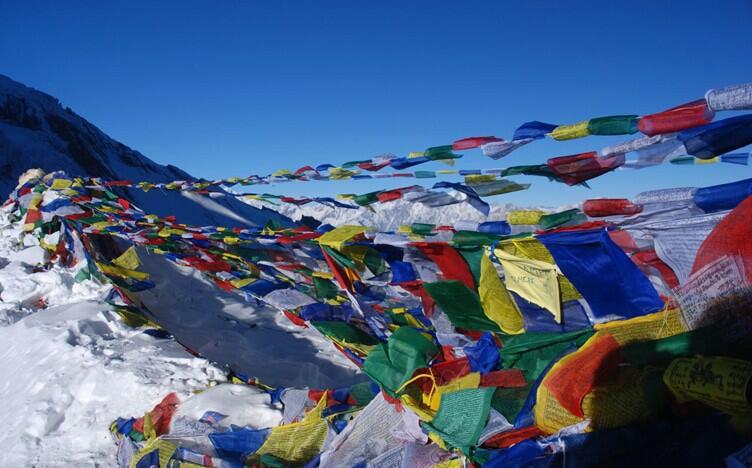
Are you willing to explore the hidden mountain valley and villages? The exotic places that are less explored and far away from the main tourist trail? Then Nar Phu valley trek is the best option.
This trail was closed to foreigners till 2003 and later it was opened with a special permission to visit this region.
The trek starts from the gateway to famous Annapurna Circuit Trail i.e Besisahar – Chame. You’ll cross the suspension bridge over the Marsyangdi river. The trail leads to Koto village via narrow passage later become wider to high mountain valleys.
After that, you’ll pass via first challenging mountain pass of Kang-la that leads up to Ghyaru villages of Manang.
From here, the trail again connects with the traditional Annapurna Circuit at Khangsar that leads you to Manang and finally cross Thorong La Pass at 5,416 meters. After crossing one of the high mountain passes, you’ll be again back to Pokhara by flight or road from Jomsom.
The culture and tradition are relatively similar as Tibet.
Nar Phu Valley trek is located in the northeast section of the Annapurna region and belongs to the rain shadow area. Thus, this makes an ideal condition for trekking in Nepal in June, one of the monsoon months.
With limited monsoon trouble, everywhere it’ll be green (especially in the lower and middle hills). You’ll spot plentiful wildflowers on the trail. All in all these things make your trip wonderful!
Highlights
- Crossing the highly challenging high mountain pass in between Manang and Mustang region i.e. Thorong La Pass at 5,416 m
- Explore unique lifestyle and tradition, influenced by Tibetan culture
- Walk via less populated village, religious Chortens, and Mani walls
- Visit ancient monasteries and high pasturelands
- Majestic Himalayan views from Manang and Thorong La Pass
- Enjoy the hot springs at Tatopani
Everest Base Camp Trek
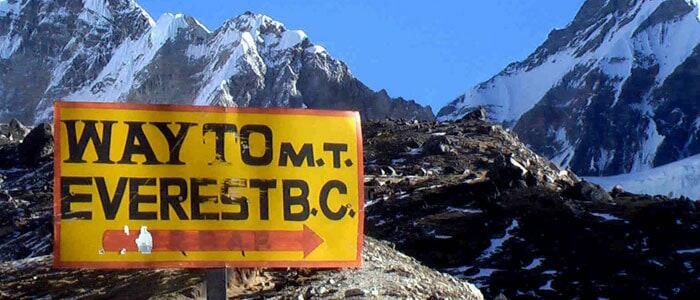
Everest Base Camp trek is one of the most famous trekking trails in the world along with Annapurna Base Camp Trek, Langtang Valley Trek, Poon Hill Trek etc.
This trek is getting popularity worldwide as you can enjoy the beautiful view of Mt. Everest without attaining much altitude.
This wonderful trek starts with a short flight from Kathmandu to Lukla. From Lukla, you’ll have to trek all way up to the base camp passing through different Sherpa villages.
During this trekking journey, you’ll also get an opportunity to do sightseeing in Sagarmatha National Park. Here you can spot rare wild species like the Himalayan bear, Musk Deer, and Red Panda.
On the trail, you can enjoy the settlement, hospitality, lifestyle, culture, and tradition of the legendary Sherpas.
Sherpas are not only famous for their courageous and high altitude climbing expertise but also for their generosity and benevolence.
You’ll walk via trails lined with mani stones, engraved with Tibetan Buddhists prayers.
Everest Base Camp trek in June has several advantages. For instance, you’ll be getting great deals on accommodation and flights.
You know this is one of the most popular trekking destinations in the world. If you travel during this time, you’ll have more space for yourself at the popular tourist attractions sites.
Also, you’ll not find so much difference between day and night temperature like in the dry seasons.
During this time of year, the Everest region can be pleasant and dry as altitude increases. Despite this, you need to add extra days to your trip. As flights to Lukla might get cancel or delay due to poor weather conditions.
Highlights
- Trek to the foot of the world’s highest mountain, breathtaking Mt. Everest
- Sightseeing in Sagarmatha National Park, a world heritage site
- An amazing view of Mt. Everest, Mt. Lhotse, Mt. Ama Dablam, Mt. Makalu, and other peaks of the Khumbu regions
- Explore the ancient Sherpa villages
- Visit a school established by Sir Edmund Hillary in the mountain village of Khumjung
- Discover a remote mountain monasteries and learn about the Sherpa’s spiritual culture and traditions
- Visit a Tyangboche monastery, one of the largest monasteries of the Khumbu region
Best Reasons for Trekking in Nepal in June
Now, let me make you clear why most of the trekkers avoid trekking in Nepal in monsoon seasons and what are they actually missing.
The Best Sceneries
During June, the starting of the monsoon season, the scenery is incredible.
You may get the best views after the rain clears off all the dark clouds.
The rain showers bring lush green hills, the wildflowers dot the countryside, and the brightly colored terraces with planted vegetables are in bloom. You’ll also see locals planting their crops.
You don’t have to fight the crowds
Nepal is one of the most visited countries in Asia for the trekking activities. During the high seasons like autumn and spring, you’ll experience large crowds. As during this time the weather is stable with the great mountain views.
During the monsoon season, there are significantly fewer people. This allows trekking in Nepal in June in complete peace. It’s good to take beautiful photos, without many strangers in them. And, the best opportunity to frame the quieter trails.
Cheaper accommodations, flights, and souvenirs
With few visitors on the trail, teahouses may drop their prices. Take advantage of this by upgrading to a higher quality of tea houses.
Likewise, the airlines also may drop their prices and you can opt for the better seat on the airplane. You may also have a better bargaining power at the small shops, and in the markets that sell local handicrafts.
Not that much rain
In general, during June you’ll experience clear mornings and late afternoon showers. The rain doesn’t usually last all day. It may only rain for a couple of hours in the afternoon or evening. So, if you make an early start you can avoid getting wet.
Tips for Trekking in Nepal in June
Remember one thing, monsoon should never be your excuse for exploring the amazing Himalayan landscape!
Exploring the wilderness in June is altogether a different experience. The trails become more vibrant with rain-washed vegetation and landscapes.
The key to a great trekking experience in June is being well-prepared. This means taking all the necessary measures to avoid any type of discomfort on the trail.
- Be prepared for rain. Bring waterproof gears, especially if you’re going for a multi-day trek.
- Hire a professional trekking guide. In the monsoon season, the trail may get slippery and muddy. Also, the many trekking routes are closed due to the landslides and flood. So, your trekking guide will surely help you out in these situations.
- Take a high-quality rain gear, quick-drying clothing, and extra socks. You need to pick gears that will actually keep you going.
- Last but not the least always remember the rain shower will not last for long, and the sun will be back soon smiling at you!!!
Final Thoughts
Many people don’t realize that Nepal has some of the best trekking trails that lies in a rain-shadow area, particularly north of the Himalayan region.
The bottom line is, of course, no one wants to get drenched during their vacation. But, you shouldn’t miss out trekking in Nepal in June because of it.
This time of the year also tends to bring fewer tourists. So, you can often enjoy some special places with far fewer people around you.
Lastly, if you’re still hesitating whether to go trekking in Nepal in June or not then I would just like to say “just go”!!
With the proper planning and flexibility to customize your plan if necessary, you’ll have a great time. And, not to forget is the proper packing list for the Everest Base Camp trek.
Nepal is worth a visit all season! Variation in season means the diversity in your trekking experience.
Want more information? Send us your query, and our experts will get back to you within 24 hrs.
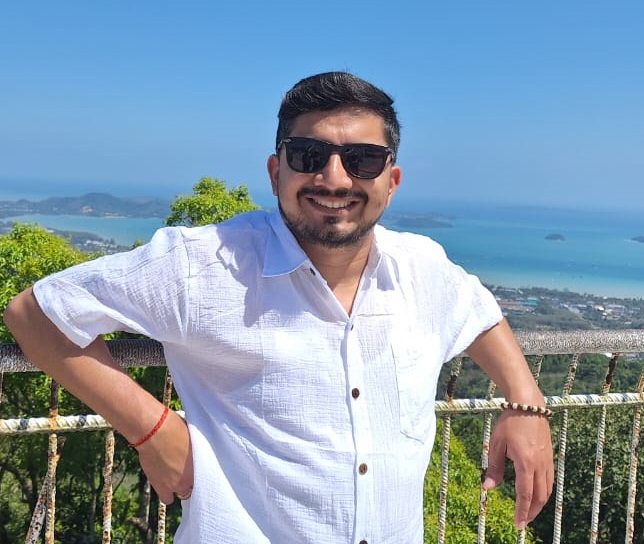
Madhav started working as a porter in 2001 and then moved on to work as a trekking guide. After working in the trekking and tourism industry for eight years, he co-founded Mosaic Adventure in 2009.
Madhav has trekked to most of the trekking destinations in Nepal, including Everest Base Camp Trek, Annapurna Base Camp, Annapurna Circuit Trek, Poon Hill Trek, Jomsom Muktinath Trek, Indigenous Peoples Trek, Langtang Valley Trek, Mardi Himal Trek, and all of the day hikes around Kathmandu.
He has also extensively traveled to other countries such as Australia, the USA, the UK, France, Hong Kong, Japan, China, the Philippines, the UAE, Saudi Arabia, Bahrain, Thailand, Turkey, and India. Madhav is the one who answers most of your questions about trekking and tours and helps to plan your trip by giving a personal touch.