
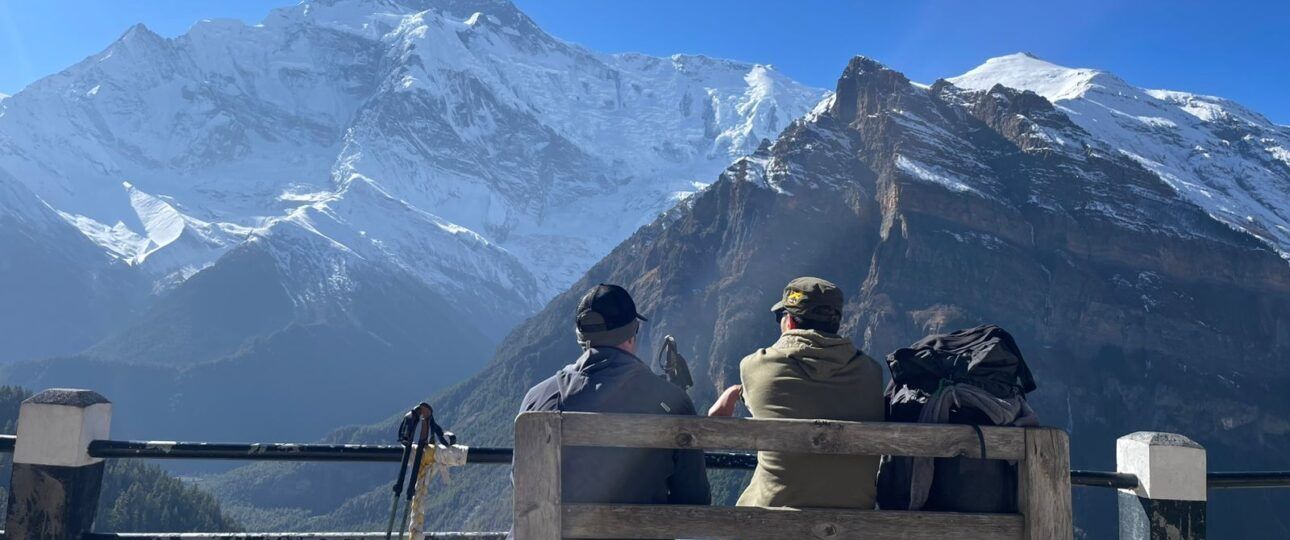
- Best for: Trekkers who want lush scenery, fewer crowds, and cultural experiences.
- Weather: Monsoon transition, occasional rain early, clear skies later.
- Visibility: Improving throughout month, best after mid-September.
- Cost & Crowds: Cheaper early, rising late month.
- Suitability: Ideal for nature lovers and adapted trekkers; moderate risk of rain.
September sits between Nepal’s monsoon and the busy autumn season. Early weeks can still bring showers, but mid to late September often turns brighter, with greener hills and clearer mornings. If you want quieter trails than October and you do not mind occasional rain, September can be a rewarding time to trek in Nepal.

Overview of Trekking in Nepal in September
September is when Nepal starts shifting into the autumn trekking season. Early in the month, trails can remain wet and cloudy, but by mid-September the sky often begins to clear, bringing sharper mountain views and more stable weather. This unique shoulder month blends solitude, greenery, and cultural richness. If you value lush scenery and local festivals and don’t mind occasional showers, September can be an excellent trekking choice.
Compared with October (the peak season), early September offers quieter trails and competitive lodging prices, while late September begins to approach the clearer conditions travelers expect in autumn. As always in Nepal’s high mountains, weather remains unpredictable at high altitudes, so flexibility and preparation are essential.
To help you decide, we’ll break down September weather, compare it with August and October, and then suggest the routes that fit this month best.
Weather While Trekking in Nepal in September
| Region | Day Temp | Night Temp | Conditions |
|---|---|---|---|
| Kathmandu Valley | 18 to 26°C | 8 to 15°C | Mixed sun and occasional rain early |
| Annapurna Region | 15 to 22°C | 4 to 10°C | Clearer late month |
| Everest Region | 10 to 18°C | 0 to 8°C | Better visibility late month |
| High Passes (5000m+) | 5 to 12°C | -5°C and below | Unpredictable, prepare for cold |
As the monsoon pulls back, rain usually becomes less frequent and skies often clear more in mid to late September. Expect lush green landscapes followed by improving visibility towards the end of the month.
Now that you know what conditions to expect, here are the biggest reasons trekkers choose September.
Highlights of Trekking in Nepal in September
Here’s what trekkers usually like most about September:
- Festival season begins, so you can see local celebrations and culture alongside your trek
- Fewer crowds, which often means easier room availability in teahouses
- Amazing up-close views of the snow-capped mountains
- Clearer days later in the month, with improving mountain views
- More personal service in lodges because hosts are less rushed than peak season
- If you trek in the Everest region, you may find it easier to get a seat on a flight to Lukla. With fewer travelers than October, rebooking can also be simpler if flights are delayed.
Pros and Cons of Trekking in September
Pros
- Fewer crowds than peak October and November seasons
- Lush landscapes and fresh greenery after monsoon
- Chance to witness local festivals like Teej, Indra Jatra, and Dashain
- Often lower lodging and flight costs early month
Cons
- Weather can be unpredictable early in the month
- Trails may still be slippery or muddy
- Mountain views in early September can be obscured by clouds
- Domestic flights (Lukla, Jomsom) are more likely to be delayed early in month
A lot of people get stuck deciding between August, September, and October because the weather shifts fast during these weeks. The comparison below breaks down how August, September, and October differ so you can choose the month that fits you best.
August vs September vs October: Which Month Is Best for Trekking in Nepal?
August, September, and October are close on the calendar, but they feel very different on the trail. The table below compares weather, crowds, costs, and flight reliability across all three months.
| What to Compare | August | September | October |
|---|---|---|---|
| Weather and sky clarity | Monsoon is active. Expect frequent rain, high humidity, and cloud cover that can hide mountain views. | Transition month. Early September can still be wet and cloudy, but conditions often improve from mid to late September as the monsoon withdraws. | Most stable trekking weather. Typically drier days, clearer skies, and the most reliable mountain visibility. |
| Trail conditions | Wet, muddy trails in many areas. Leech activity is common on lower forest sections. Some days feel slow due to rain. | Mixed. Early month can still be slippery, but trails generally dry out later. Rivers and waterfalls are still lively and landscapes are very green. | Generally dry and stable. Trails are easier to walk and more comfortable for long days. |
| Crowds and lodge availability | Quiet trails. Plenty of lodge space on most routes. | Still quieter than October, especially early month. Late September starts to feel busier on popular routes. | Busiest time of the year on Everest and Annapurna routes. Popular teahouses can fill up. |
| Prices and planning pressure | Often better deals and more flexibility, but weather can disrupt plans. | Good value month. Early September can be budget-friendly, while late month begins to move toward peak pricing. | Higher costs and less flexibility. Booking flights and guides earlier is smart due to demand. |
| Flight reliability (Lukla and mountain airports) | More delays and cancellations are common due to cloud and rain. | Improves through the month. Late September is usually more reliable than early September. | Generally most reliable, though mountain weather can still change quickly. |
| Best for | Trekkers who want solitude, very green landscapes, and do not mind rain or flexible schedules. | Trekkers who want a balance: fewer crowds than October, greener trails, and improving views later in the month. | First-time trekkers, photographers, and anyone who wants the highest chance of clear views and stable trekking days. |
| Simple decision tip | Choose August only if you are comfortable trekking with rain and delays. | Choose September if you want a quieter trek and can plan with a little weather flexibility, especially in early month. | Choose October if you want the safest bet for clear skies and do not mind crowds and higher prices. |
Note: Monsoon withdrawal varies by year and region, and recent seasons have sometimes seen monsoon effects linger into late September or even October. That is why buffer days and flexibility help in both August and September trips.
Once you choose September, the next step is picking the right trek for your fitness level and the kind of experience you want.
Best Trekking Trails in September
September gives you a wide range of trekking options, from classic teahouse routes to quieter valleys. Below are some of the best choices for this month, along with quick notes on difficulty and what September is like on each trail.
Everest Base Camp Trek
Everest Base Camp Trek is Nepal’s most well-known trekking route. It is challenging because of the altitude and long walking days, but the Khumbu landscapes and Sherpa villages make it worth the effort for many trekkers.

September can be a nice time to see village life on the Khumbu trail, with greener hills after monsoon. As the month moves on, the mountain views often get sharper and the trekking days feel more comfortable.
You will be able to see the Mt. Everest (8848m), Mt. Lhotse (8516 m), Mt. Nuptse (7855 m), Mt. Changtse (7550m), Mt. Pumori (7161m), Mt. Amadablam (6856 m), Mt. Thamserku (6723 m) and so on.
You can opt for various routes to reach the Everest Base Camp trek in September. You can choose the classic Jiri to EBC Trek, Everest Three Pass Trek, Gokyo Lakes Trek and, Gokyo and Everest Base Camp Trek.
If you are looking for ideas on how to reach Gokyo Lakes, then this post titled How to Reach Gokyo Lakes in Everest Region might interest you.
- Difficulty level: Moderate to challenging. This trek involves long walking days, steady elevation gain, and high-altitude exposure above 5,000m.
- September trekking conditions: Early September may still see cloud cover and occasional rain below Namche Bazaar, while mid to late September offers improving visibility and drier trails. Lukla flights are more reliable as the month progresses.
- Why September works here: The Khumbu region looks especially fresh after the monsoon. Fewer trekkers early in the month mean quieter trails and better lodge availability, while late September starts to deliver classic Everest views without peak-season crowd pressure.
Annapurna Circuit Trek
The Annapurna Circuit Trek is one of the most popular trekking trails of Nepal. It blends huge mountain scenery with villages, temples, and changing landscapes. And September is a great month to experience the beauty of nature and Nepalese tradition in this trek to the trans-Himalayan region.
You will enjoy the Manang Valley and the welcoming hospitality of the people there.
September is safe to trek through Annapurna Trails. The beautiful September weather gives you the opportunity to witness the rare exotic birds and animals.
You will also get a chance to witness the culture of the local people through the festivals that they celebrate in this month.
You can opt to trek through the Annapurna trails through various routes. It includes Annapurna Base Camp Trek, Poon Hill Trek, Mardi Himal Trek and Annapurna Circuit with Tilicho Lake Trek.
- Difficulty level: Moderate. The trek includes varied terrain and a high-altitude crossing of Thorong La Pass (5,416m), but daily ascents are gradual.
- September trekking conditions: Lower sections may be damp early in the month, but the rain shadow areas of Manang and Mustang remain relatively dry. Weather stabilizes noticeably after mid-September.
- Why September works here: September is ideal for experiencing the cultural diversity of the Annapurna region without the heavy traffic of October. Clearer skies later in the month offer stunning Himalayan views while keeping the trek quieter and more relaxed.
Manaslu Circuit Trek
The Manaslu Circuit Trek is a great alternative to the Annapurna trail. It has been gaining popularity recently, with the emerging teahouses. Even with more teahouses now, Manaslu still feels remote and less crowded than Everest or Annapurna.
Weather changes a lot as you climb from lower villages up to Larkya La Pass (5,160m). In September, conditions are usually improving, especially later in the month.
Since Manaslu Circuit Trek is a new trail and is still in the phase of gaining popularity, there will be a lot lesser crowd in this area. As for September, the crowd will be even lesser.
- Difficulty level: Challenging. Remote trails, limited infrastructure, and the high Larkya La Pass (5,160m) demand good fitness and preparation.
- September trekking conditions: Early September can bring wet trails in lower villages, but conditions improve quickly as altitude increases. Late September provides stable weather and safer pass crossings.
- Why September works here: Manaslu remains one of the least crowded major treks in Nepal. September enhances this advantage, offering solitude, dramatic landscapes, and cultural depth before the busier autumn weeks begin.
Langtang Valley Trek
Langtang Valley Trek is one of the closest major trekking regions to Kathmandu, offering a blend of lush forests, glacial landscapes and rich Tamang culture. Often called the “Valley of Glaciers,” Langtang is ideal for trekkers seeking serenity and authenticity without the crowds of Everest or Annapurna.

September is a fantastic month to explore Langtang Valley. The post monsoon weather clears the skies, revealing panoramic views of Langtang Lirung (7,227m), Ganesh Himal and Dorje Lakpa. Langtang’s trails in September are vibrant with blooming rhododendrons and pine forests refreshed by monsoon rains.
The trek starts with a scenic drive from Kathmandu to Syabrubesi, followed by trails winding through yak pastures, glacial moraines and traditional cheese factories. A highlight is visiting Kyanjin Gompa, where you can hike to Tserko Ri for sunrise views of the Langtang Himal range.
- Difficulty level: Moderate. Shorter trekking days and lower maximum altitude make this trek suitable for both beginners and experienced trekkers.
- September trekking conditions: Trails are lush and green after monsoon rains. Skies begin clearing mid-month, revealing strong mountain views around Kyanjin Gompa and Tserko Ri.
- Why September works here: Langtang is perfect for September due to its accessibility, fewer crowds, and strong cultural connection. It is a great choice if you want a rewarding Himalayan trek without committing to longer or more demanding routes.
Tips for Trekking in Nepal in September
September trekking is most enjoyable when you plan for mixed conditions. These simple tips help you stay comfortable, safe, and flexible on the trail.
- Make sure you have a good pair of hiking shoes with a strong grip. Since the early September can still have rain, the trails can get slippery.
- Likewise, make sure you have proper rain gears such as waterproof jacket and gaiters.
- Drink regularly. It helps with energy and can reduce headaches at higher altitude.
- Learn the early signs of altitude sickness, like headache, nausea, and loss of appetite, and do not ignore them.
- Train yourself physically and mentally at least 2-3 months before the actual trek.
Many trekkers also follow a simple 8 to 12 week plan to build stamina before heading to the Himalayas (see our training guide here).
Packing List for September Treks
Packing for trekking in Nepal during September requires a balance between rain protection, warmth for higher altitudes, and lightweight gear for humid lower trails. If you want a complete, trek-tested checklist, you can refer to our detailed packing guide here.
Clothing & Rain Gear
- Waterproof trekking jacket & pants
- Quick-dry trekking shirts and pants
- Fleece and warm mid-layers
- Insulated jacket for night-time & high altitudes
- Rain covers for backpack and boots
Footwear
- Sturdy waterproof hiking boots
- Good quality trekking socks
- Gaiters for muddy trails
- Sandals for campsite evenings
Essentials
- Headlamp & spare batteries
- Water purification tablets
- High SPF sunscreen
- Adequate first aid kit
- Altitude sickness medication (consult doctor)
- Portable phone charger
Frequently Asked Questions About Trekking in Nepal in September
Planning a trek in Nepal during September often raises practical questions about weather, safety, visibility, and logistics. The answers below address the most common concerns trekkers have when deciding whether September is the right month for their Himalayan journey.
Is September a good month for trekking in Nepal?
Yes. September can be a great month to trek, especially from mid to late September. You get greener trails than October and usually fewer crowds, but early September can still bring rain.
Does it rain a lot in Nepal during September?
Rain is more common in early September, often later in the day. By mid-September, showers usually reduce and trekking days feel more stable.
How clear are mountain views in September?
Views improve as the month goes on. Early September can be cloudy, while late September often brings clearer mornings and better mountain visibility.
Are trekking trails safe in September?
Most trails are safe, especially after mid-September. Early in the month, some lower sections can be muddy or slippery, so good boots and careful footing matter.
Is September less crowded than October for trekking?
Yes. September is quieter than October on most popular routes. Late September gets busier, but it still usually feels less packed than peak October weeks.
Are Lukla flights reliable in September?
They can still be delayed early in September due to weather. Reliability often improves later in the month, but it’s smart to keep buffer days if your schedule is tight.
Who should choose September for trekking in Nepal?
September is best for trekkers who want greener landscapes and fewer crowds, and who can stay flexible if weather changes. If you want the clearest skies with the least risk, October is usually the safer bet.
Conclusion
September can be one of the best months to trek in Nepal if you value lush scenery, quieter trails, cultural experiences, and flexible planning. Early month suits budget and solitude seekers. Late month offers clearer views and more predictable weather. When compared with October (peak season), September gives a richer natural experience with slightly more weather risk. Pack for a few wet days early in the month and keep your plan flexible. If you do that, September can be an excellent time to trek in Nepal.
If you want a quieter experience in September, treks like Dhaulagiri Circuit, Makalu Base Camp, and Ganesh Himal can feel far more peaceful than the classic routes.
If you have more questions and queries, please feel free to contact us. Our experts are happy to be at your service.
Want more information? Send us your query, and our experts will get back to you within 24 hrs.

Madhav Prasad is a seasoned trekking and tourism expert with over two decades of experience in the field. Starting his career in 2001 as a porter, Madhav quickly advanced to the role of trekking guide, gaining invaluable hands-on experience in Nepal’s diverse trekking routes. In 2009, after eight years of dedication to the industry, he co-founded Mosaic Adventure, a leading trekking and tour company known for its commitment to safety, sustainability and personalized service.
Madhav has personally trekked to nearly every major trekking destination in Nepal, including Everest Base Camp, Annapurna Base Camp, the Annapurna Circuit, Poon Hill, Jomsom Muktinath, the Indigenous Peoples Trail, Langtang Valley and Mardi Himal, among others. His experience extends beyond Nepal, as he has also successfully summited Mount Kilimanjaro, Africa’s highest peak.
In addition to his extensive trekking credentials, Madhav is well traveled globally, having explored countries such as Australia, the USA, the UK, France, Japan, China, and many others. His global exposure enhances his ability to understand and cater to the diverse needs of international trekkers.
Madhav is the primary point of contact for many clients at Mosaic Adventure, personally addressing inquiries and helping plan treks with a meticulous and personalized approach. His deep knowledge of Nepal’s trekking routes, combined with his global travel experience, ensures that every trek is well planned, safe and unforgettable.
