
Manaslu Circuit trek is one of the most adventurous treks in Nepal. The Manaslu Circuit Trek in February has fewer trekkers, which means quieter trails, more space in teahouses, and a more remote feel overall.
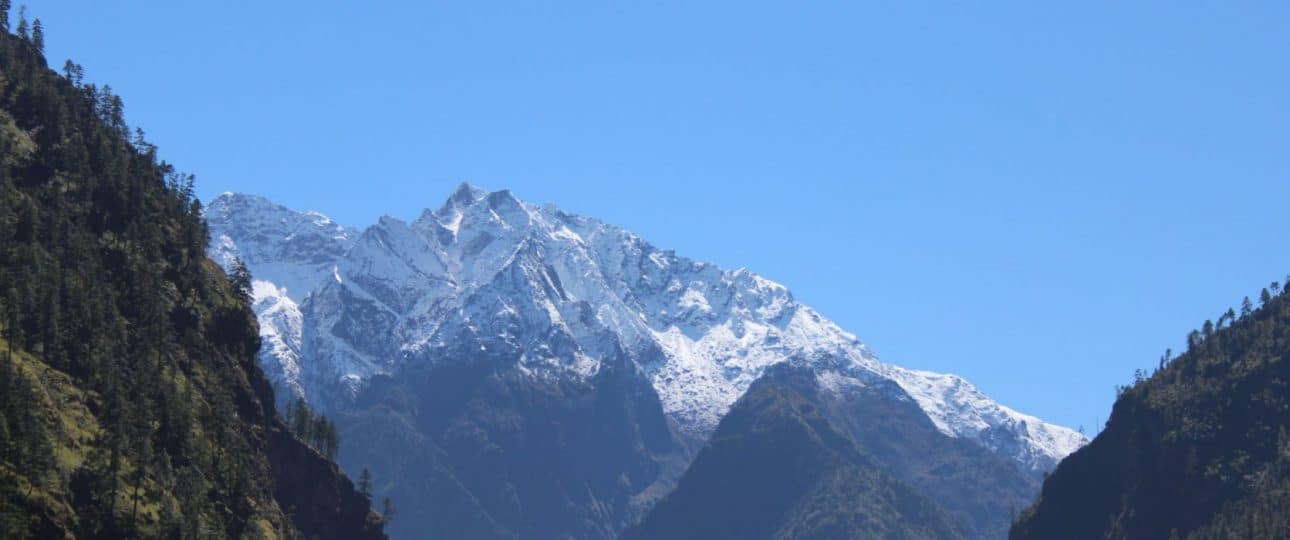
February is winter in the Manaslu region. Expect cold mornings and nights, but many days are clear and bright. When the skies open up, the snow-covered mountains look sharp and dramatic.
Even though the route has grown in popularity since more teahouses opened, the Manaslu Circuit still feels like a true mountain journey. You will cross long suspension bridges, walk through villages and forests, and face the biggest challenge of the trek: Larkya La Pass (5,106m / 16,751ft).
With the right preparation, a licensed guide, and a sensible pace, the Manaslu Circuit trek in February can be a rewarding winter adventure.
Should You Trek Manaslu Circuit in February?
Good choice if you:
- Prefer quiet trails and solitude
- Have prior trekking experience
- Can tolerate cold nights and flexible plans
- Are trekking with a licensed guide
Not ideal if you:
- Dislike cold weather
- Have tight international schedules
- Are new to high-altitude trekking
- Expect guaranteed teahouse comfort
February note: winter trekking works best when you stay flexible with the itinerary and let local conditions guide the plan.
Trip Highlights
- Peaceful trekking due to fewer trekkers in February
- Remote Himalayan villages and quiet trails
- Challenging and adventurous trekking over the Larkya La (5,106m)
- View of snow-capped mountains including Mt. Manaslu (8,156m): the 8th highest mountain in the world
Manaslu Circuit in February: At a Glance
| Crowd level | Very low (quiet trails) |
|---|---|
| Weather | Mostly dry with clear views, but winter cold |
| Daytime feel | Cool to comfortable while walking (sun helps) |
| Nighttime feel | Cold to very cold above 3,000 to 3,500m |
| Snow risk | Moderate to high near Larkya La and higher villages |
| Teahouses | Limited but available (more open toward late February) |
| Difficulty | Harder than peak season due to cold and possible snow |
| Best for | Experienced trekkers who want solitude and winter scenery |
Manaslu Circuit Trek Weather in February
The Manaslu region is cold and often dry in February (see Manaslu Circuit trek in different seasons), which brings clear views when the weather is stable.
If you want crisp mountain views and quiet trails, February can be a great time. Clear winter skies often bring strong visibility when the weather is stable.
Towards the end of February, lower regions start to warm up and rhododendrons may begin to bloom in some areas.
At higher altitude, it stays cold. The daytime is mostly sunny and warm but the nights and mornings demand proper preparation and insulation.
Night temperatures in higher villages (especially above 3,000 to 3,500m) often fall below freezing. Wind and fresh snow can make it feel much colder, especially before sunrise.
If you do not enjoy cold nights, February may not feel comfortable. But if you have trekking experience and want quieter trails with winter mountain views, February can be a great fit.
February Temperature Reality Check (What It Feels Like)
| Trail zone | Typical daytime feel | Typical nighttime feel | What this means for you |
|---|---|---|---|
| Lower trail (Soti Khola to around Jagat) | Cool to mild | Chilly | Layers are enough; mornings can feel cold in shade |
| Mid trail (around Deng to Namrung) | Cool | Cold | Warm jacket needed at breakfast and evenings |
| High villages (Samagaun, Samdo) | Cold | Very cold (below freezing is common) | Good sleeping bag and warm layers become essential |
| Pass day area (Dharamsala/Larkya La zone) | Cold and windy | Very cold | Start early, protect fingers/toes, and expect snow/ice |
Note: Wind and fresh snow can make it feel much colder than expected.
Larkya La Pass in February: Reality and Your Options
Larkya La Pass (5,106m) is the toughest day on the Manaslu Circuit. In February, heavy snow can make the crossing unsafe, so plans may change. If you want to understand the day-by-day route, see our Manaslu Circuit trek itinerary.
- Closures can happen: after heavy snowfall, the pass may be delayed or not possible to cross.
- Trail conditions change fast: fresh snow can hide the route, and packed snow can turn icy early in the morning.
- Local updates matter most: conditions are decided on the ground, not from a forecast alone.
What we do: our guide checks trail conditions and teahouse availability before moving ahead.
Smart alternative: consider the Manaslu Circuit with Tsum Valley extension. If Larkya La is not safe to cross, you can still finish the trip with a complete winter trekking experience.
Difficulty during Manaslu Circuit Trek in February

The trek climbs from the low valleys to 5,106m at Larkya La Pass, so temperatures change a lot along the way. For route length and daily walking expectations, see our Manaslu Circuit trek distance guide.
In early February, mornings and nights can be very cold. Snowfall can also make sections of the trail slower and more tiring. The hardest part is usually the pass day, especially if there is fresh snow or ice.
If you can handle cold weather and stay flexible, February can be a great time to experience Manaslu with fewer crowds.
Altitude Sickness during Manaslu Circuit Trek in February
Altitude sickness (AMS) can affect anyone on high-altitude treks. Going slowly and listening to your body is important, especially in February when cold can make trekking feel harder.
Common early symptoms: headache, unusual tiredness, loss of appetite, nausea, and trouble sleeping.
If symptoms are mild, rest and do not climb higher until you feel better. Tell your guide early.
- Go slow: a steady pace is better than pushing hard.
- Drink regularly: cold weather can reduce thirst, but your body still needs water.
- Sleep and acclimatize: rest days and proper sleep matter.
- Tell your guide early: do not hide symptoms.
If you notice symptoms, tell your guide early so they can respond safely.
Food and Accommodation during Manaslu Circuit Trek in February
In February, some teahouses stay open along the route, especially in lower and mid sections. Rooms are simple, usually twin-sharing, with basic bedding.
Meals are served in the teahouses. Dal Bhat is the most common and filling option.
Heating: Most bedrooms are not heated. The warmest place is usually the dining room where the stove is.
Charging and hot showers: Charging may be limited at higher villages in winter and may cost extra. Hot showers (often bucket showers) are sometimes available but not guaranteed every night.
Water: Water can freeze at altitude. Many trekkers prefer boiled water or a thermos to keep drinking easy in cold weather.

Trekking Permit for Manaslu Circuit Trek in February
Manaslu is a restricted trekking area, so you need multiple permits. Costs depend on season and dates, and February is often cheaper than peak months.
- Manaslu Restricted Area Permit (RAP): seasonal fee (varies by date range)
- Manaslu Conservation Area Permit (MCAP): required
- Annapurna Conservation Area Permit (ACAP): required
Tip: Because permit rules and fees can change, confirm the latest costs when you book or before you travel.
Guide or Porter for Manaslu Circuit Trek in February
Manaslu is a restricted region and trekking without a licensed guide is not allowed. In February, a guide also helps with safety decisions, route checks, and day-to-day adjustments in winter conditions. If you are wondering about independent trekking, read Manaslu Circuit trek without guide.
Also, as you will have to pack the winter gears your backpack will be heavier than in other seasons. So, it is a good idea to hire an experienced porter as well. If you plan to walk without a porter, it may be much harder walking in the cold, snow, and the slippery trails.
An experienced guide helps choose safer options and respond well if plans need to change.
Itinerary Tip for February: Add Buffer Days
In February, it is smart to keep 2 extra days in your plan. Snow, road delays, and slower walking conditions can shift the itinerary. Buffer days protect your safety and reduce stress.
How to Prepare for Manaslu Circuit Trek in February
Fitness and training
You should be comfortable walking 5 to 7 hours a day for multiple days in a row. Before the trek, build stamina with walking, hiking stairs, or uphill training. A simple goal is to train consistently for 8 to 12 weeks.
Mindset and flexibility
February trekking needs patience. Weather can slow your pace, so keep expectations realistic.
Plan for cold
Cold is the main challenge, not just distance. Bring the right layers, protect your hands and feet, and use a warm sleeping bag. Staying warm helps you sleep better and recover faster.

Packing Checklist for Manaslu Circuit Trek in February
| Category | What to pack | Why it matters in February |
|---|---|---|
| Base layers | Thermal top and bottom (2 sets) | Warmth without bulk; helps mornings and nights |
| Mid layers | Fleece or insulated jacket | Core warmth in cold villages |
| Outer layers | Windproof/waterproof jacket and pants | Protects from wind, snow, and sudden weather changes |
| Down jacket | Warm down jacket (good quality) | Essential for evenings, tea houses, and rest stops |
| Hands & head | Warm gloves (plus spare), beanie, neck buff | Fingers and ears get cold fast in wind |
| Footwear | Warm trekking socks, proper boots with grip | Cold feet and slippery trails are common issues |
| Sleep | Warm sleeping bag (winter-rated) | Tea house rooms are cold; blankets may not be enough |
| Traction | Microspikes (recommended) | Useful if there is ice or packed snow near the pass |
| Hydration | Insulated bottle cover or thermos | Water can freeze; warm water is easier to drink |
| Power | Power bank + spare batteries | Batteries drain faster in cold |
For the full gear list, see our Manaslu Circuit trek packing list. For a deeper training and planning checklist, see our Manaslu Circuit trek preparation guide.
Some Tips for Manaslu Circuit Trek in February
- Since the trail is quite challenging in February, it is wise to train yourself about 3-months prior to your trek.
- The trails can be wet and slippery due to the snow, so carry a good pair of trekking boots and warm clothing gears.
- Take your own pace and do not rush and rest when you feel the need.
- If you have health concerns, talk to a medical professional before trekking at high altitude.
Is February Better Than Other Months for Manaslu?
| Month | Crowds | Views | Cold level | Snow / pass risk | Best for |
|---|---|---|---|---|---|
| February | Very low | Very clear on good days | High | Moderate to high | Solitude + winter adventure |
| March | Low to medium | Great | Medium | Medium (decreasing) | Good balance of comfort and quiet |
| October | High | Excellent | Low to medium | Low | Best overall conditions (but busy) |
| December | Low | Clear | High | Medium to high | Early winter trekkers with flexibility |
How Mosaic Adventure Supports February Treks (Without Rushing You)
- We plan winter-ready pacing and realistic walking hours.
- Our guides check local trail and weather updates and adjust plans when needed.
- We focus on safety, comfort, and clear communication so you can enjoy the trek with confidence.
Manaslu Circuit Trek in February: Quick FAQs
Is the Manaslu Circuit Trek possible in February?
Yes, it is possible, but winter conditions can make it harder. Snow near Larkya La may affect the crossing in some periods.
Is Larkya La Pass closed in February?
It depends on the year and the week. In February, heavy snow can make the pass unsafe and delays are more common than in spring or autumn. Your guide will decide based on local updates and current trail conditions.
What if Larkya La Pass is not safe to cross in February?
The best approach is to plan flexibility. Many trekkers also choose a Manaslu trek with a Tsum Valley extension, so the trip still feels complete even if the pass cannot be crossed.
Are teahouses open in February on the Manaslu Circuit?
Some are open, especially in the lower and mid sections. At higher villages, fewer lodges operate, but services are usually available with proper planning.
Is February better than March for Manaslu?
February is quieter but colder with higher snow risk. March is warmer with more predictable conditions and still fewer crowds than peak season.
Who should avoid trekking Manaslu in February?
First-time high-altitude trekkers, people who dislike cold nights, and travelers with tight schedules should consider spring or autumn instead.
Final Say,
The Manaslu Circuit Trek in February is best for trekkers who want quiet trails and can handle winter conditions. If you value solitude, raw mountain landscapes, and the challenge of winter trekking, February offers a rare and rewarding experience. If comfort, predictability, and warmth matter more, spring or autumn may suit you better.
The key is not whether February is “good” or “bad” but whether it aligns with your expectations, experience, and mindset.
When planned well, with the right preparation and support, the Manaslu Circuit in February remains one of Nepal’s most authentic trekking experiences.
Want more information? Send us your query, and our experts will get back to you within 24 hrs.

Madhav Prasad is a seasoned trekking and tourism expert with over two decades of experience in the field. Starting his career in 2001 as a porter, Madhav quickly advanced to the role of trekking guide, gaining invaluable hands-on experience in Nepal’s diverse trekking routes. In 2009, after eight years of dedication to the industry, he co-founded Mosaic Adventure, a leading trekking and tour company known for its commitment to safety, sustainability and personalized service.
Madhav has personally trekked to nearly every major trekking destination in Nepal, including Everest Base Camp, Annapurna Base Camp, the Annapurna Circuit, Poon Hill, Jomsom Muktinath, the Indigenous Peoples Trail, Langtang Valley and Mardi Himal, among others. His experience extends beyond Nepal, as he has also successfully summited Mount Kilimanjaro, Africa’s highest peak.
In addition to his extensive trekking credentials, Madhav is well traveled globally, having explored countries such as Australia, the USA, the UK, France, Japan, China, and many others. His global exposure enhances his ability to understand and cater to the diverse needs of international trekkers.
Madhav is the primary point of contact for many clients at Mosaic Adventure, personally addressing inquiries and helping plan treks with a meticulous and personalized approach. His deep knowledge of Nepal’s trekking routes, combined with his global travel experience, ensures that every trek is well planned, safe and unforgettable.
