
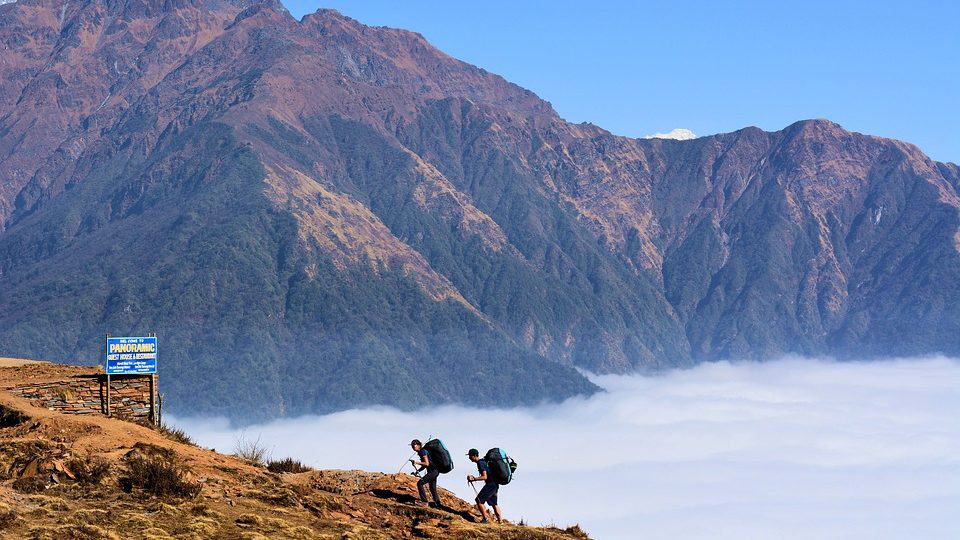
Not everyone has two or three weeks for a Himalayan trek and you do not need them. In eight days you can sleep in mountain teahouses, cross village trails and watch the sun rise over real snow peaks. We have been sending travelers on these short routes for years and the trick is simple: pick the route that fits your fitness, your comfort with altitude and where you are starting from.
This guide helps you choose the right route based on where you start (Kathmandu or Pokhara), your fitness level and how comfortable you are with altitude. It also covers permits, seasons and the small details that matter on the trail (cash, charging, showers and flight delays).
Quick note: “8 days” usually means 8 days on the ground. Some itineraries include arrival and departure days inside those 8 days, while others count only trekking days. In the comparisons below, we focus on the most common 8-day formats and what they feel like in real life.
Quick Answer: Which 8-Day Trek in Nepal Should You Pick?
The best 8-day treks in Nepal are Poon Hill (easiest), Mardi Himal, Langtang Valley, Gosaikunda and a fast Everest Base Camp with a helicopter return. Choose Poon Hill for a first trek or a family trip. Choose Langtang or Gosaikunda if you want to drive from Kathmandu and skip flights. Choose Everest only if you are fit, have a flexible schedule and accept the altitude.
How to Choose the Right 8-Day Trek in Nepal
- If you want Everest scenery and can handle higher altitude, choose Everest Base Camp (8 days). Expect a flight to Lukla and busy trails in peak season.
- If you want a lower-altitude, family-friendly trek with classic sunrise views, choose Annapurna Panorama (Poon Hill).
- If you want a short drive from Kathmandu and a quieter valley feel, choose Langtang Valley.
- If lakes and pilgrimage culture matter most, choose Gosaikunda Lake.
- If you want a ridge trek with close mountain views without committing to a long route, choose Mardi Himal.
Starting point shortcut: Most travelers begin in Kathmandu. From there, Langtang and Gosaikunda are reached by road. Annapurna routes start from Pokhara. Everest routes usually require a flight to Lukla.
Quick Comparison of Our Top 8-Day Treks
Tip: On mobile, swipe left/right to view the full table.
| Trek | Start / End | Difficulty | Max altitude | Best match if you want | Best Month |
|---|---|---|---|---|---|
| Everest Base Camp | Kathmandu to Lukla (flight), helicopter return | Strenuous | 5,364 m | Everest region culture and high Himalayan terrain | Mar to May and Oct to Nov |
| Annapurna Panorama (Poon Hill) | Pokhara (drive and trek) | Easy | 3,210 m | Short days, villages, sunrise viewpoint | March to early June and October to mid-December |
| Langtang Valley | Kathmandu to Syabrubesi (drive) | Moderate | 4,984 m | Quieter trail close to Kathmandu | March to early June and October to mid-December |
| Gosaikunda Lake | Kathmandu to Dhunche (drive) | Moderate | 4,380 m | High lakes and cultural or religious sites | March to May and October to November |
| Mardi Himal | Pokhara (drive and trek) | Moderate | 4,450 m | Ridge walking and close mountain views | March to early June and October to mid-December |
Which 8-Day Trek Suits Your Group?
- Families with kids: Poon Hill. Days are short and altitude stays under 3,300 m. See trekking in Nepal with kids.
- Beginners and older trekkers: Poon Hill first, then Langtang if you want more. See best treks for beginners and seniors.
- Solo travelers: Join a small group or hire a private guide. See solo trekking in Nepal and our guide for women trekkers.
- Fit hikers who want big views: Langtang or Gosaikunda.
- A fixed flight home: Choose a road trek and avoid Lukla.
Everest Base Camp Trek

Grade: Strenuous
Starting point: Lukla
Max elevation: 5,364 m
The Everest Base Camp lies at an elevation of 5,364 m and is one of the world’s most well-known trekking routes. Each year, thousands of trekkers walk through the Khumbu region for Everest views, Sherpa culture and high Himalayan terrain.
The 8-day Everest Base Camp trek only works with a helicopter return from Gorak Shep, which saves two to three days of walking down. Even then it is the tightest trek on this list, with little room for weather delays. Most of our guides prefer 12 to 14 days on foot, so choose the 8-day version only if you are fit and your schedule is flexible. The trek starts with a scenic flight from Kathmandu to Lukla, then follows the Dudh Koshi river towards Namche Bazaar and higher villages.
Best for
- Trekkers who want Everest region scenery in about a week
- People comfortable with long walking days and higher altitude
- Travelers who enjoy teahouse trekking and lively trail villages
Not ideal for
- Anyone who must avoid high altitude
- Travelers on a very tight international flight schedule (weather can delay Lukla flights)
- People who prefer quiet trails during peak season
Route feel
This trek combines mountain landscapes with Sherpa villages, monasteries and busy teahouse stops. Namche Bazaar is the main hub and a common acclimatization base. Views include Mt. Everest, Lhotse, Nuptse, Ama Dablam and others.
Altitude and safety
This is a strenuous trek mainly because of altitude. You do not need technical trekking skills, but you do need steady fitness and a calm pace. Acclimatization matters. Walk slowly, hydrate and do not ignore symptoms.
Sagarmatha National Park is one of the highlights of the trek and is rich in flora and fauna. Species reported in the region include Himalayan tahr, musk deer, ghoral and many bird species.
Logistics
- Access: Flight from Kathmandu to Lukla (mountain weather can affect schedules)
- Facilities: Well-developed teahouse network, especially compared to remote regions
- Optional add-on: Some itineraries use a helicopter ride for timing or comfort on the return
Highlights
- Scenic flight to Lukla
- Sherpa culture, tradition and hospitality
- Namche Bazaar (largest village in the Khumbu region)
- Views of Everest, Lhotse, Nuptse, Ama Dablam and more
- Khumbu Glacier and Khumbu Icefall
Outline itinerary
Day 01: Flight Kathmandu to Lukla, trek to Phakding (2,860 m)
Day 02: Phakding to Namche (3,440 m)
Day 03: Rest day and acclimatization at Namche Bazaar
Day 04: Namche to Tengboche (3,860 m)
Day 05: Tengboche to Dingboche (4,410 m)
Day 06: Dingboche to Lobuche (4,940 m)
Day 07: Lobuche to Everest Base Camp (5,364 m), back to Gorak Shep
Day 08: Helicopter from Gorak Shep to Kathmandu (weather permitting)
If you want a longer breakdown with daily walking time and options, see: 8-Day Everest Base Camp Trek | Itinerary.
Want more information? Send us your query, and our experts will get back to you within 24 hrs.
Annapurna Panorama View

Grade: Easy
Starting point: Pokhara
Max elevation: 3,210 m
The Annapurna Panorama Trek, also called the Ghorepani Poon Hill Trek, is a short and scenic trek that suits first-time trekkers, families and small groups. It is known for village trails, rhododendron forests and the sunrise view from Poon Hill.
Best for
- Beginners who want classic mountain views without high altitude
- Families and groups who prefer moderate walking days
- Travelers who enjoy village culture and comfortable teahouses
Not ideal for
- People seeking very remote trails
- Trekkers who want high-altitude terrain above 4,000 m
- Anyone with knee issues who struggles on long stair descents (unless paced carefully)
Route feel
The trek begins from Pokhara with a drive to Nayapul. A well-known part of the route includes many stone steps on the climb to Ghorepani. The effort is rewarded with a sunrise at Poon Hill, where Annapurna and Dhaulagiri ranges often glow in early light. You also pass through Gurung villages such as Ghandruk, where local culture is part of the experience.
Guide tip
Leave Ghorepani around 4:30 am with a headlamp. The climb takes about 45 minutes and clouds often roll in by mid-morning. The thousands of stone steps are the real challenge here, so trekking poles help your knees on the way down.
Logistics
- Access: Kathmandu to Pokhara (flight or road), then local drive to the trailhead
- Facilities: Good teahouse availability and clear trekking infrastructure
- Season: Can be walked in most seasons, but views are best in clear weather
Highlights
- Subtropical trails in the lower Himalayas
- Mountain views of the Annapurna range
- Sunrise viewpoint at Poon Hill
- Traditional villages like Ghandruk and Gurung cultural encounters
Outline itinerary
Day 01: Arrival in Kathmandu (1,338 m)
Day 02: Kathmandu to Pokhara (820 m)
Day 03: Drive to Nayapul, trek to Tikhedhunga (1,540 m)
Day 04: Tikhedhunga to Ghorepani (2,860 m)
Day 05: Poon Hill (3,210 m), trek to Tadapani (2,630 m)
Day 06: Tadapani to Ghandruk (1,940 m)
Day 07: Ghandruk to Pokhara
Day 08: Drive back to Kathmandu
Langtang Valley Trek

Grade: Moderate
Starting point: Syabrubesi
Max elevation: 4,984 m
The Langtang Valley trek is one of the most practical 8-day treks from Kathmandu. It offers strong mountain views, a quieter trail atmosphere than Everest or Annapurna in peak season and a steady teahouse route through forests and villages.
Best for
- Travelers starting in Kathmandu who prefer road access to the trailhead
- People who want mountain scenery with fewer crowds
- Trekkers comfortable with moderate uphill days
Not ideal for
- Anyone who wants the lowest-altitude trek possible
- People who want a highly developed “tourist hub” experience like Namche
Route feel
Langtang sits north of Kathmandu and is part of a national park. The trail passes through rhododendron, bamboo and pine forests, then opens into wider valley landscapes near Langtang and Kyanjin. Many trekkers add a day hike to viewpoints such as Kyanjin Ri or Tserko Ri for panoramic Himalayan views.
You may see rice terraces and monasteries along the way and the valley is known for impressive scenery and biodiversity.
Altitude and safety
Although the walking pace is moderate, the route can reach high points close to 5,000 m on side hikes. Walk slowly, hydrate and do not try to “push through” symptoms.
Logistics
- Access: Drive from Kathmandu to Syabrubesi
- Facilities: Teahouses are available, but choices are fewer than the Everest region
- Trail style: A good balance of nature and village life, usually calmer than the major routes
Highlights
- Views of Langtang Lirung (7,246 m)
- Kyanjin Ri viewpoints and wide Himalayan panoramas
- Diverse flora and fauna along the trail
- Langtang and Kyanjin villages
Outline itinerary
Day 01: Drive Kathmandu to Syabrubesi (1,450 m)
Day 02: Syabrubesi to Lama Hotel (2,480 m)
Day 03: Lama Hotel to Langtang (3,540 m)
Day 04: Langtang to Kyanjin Gompa (3,900 m)
Day 05: Day hike to Tserko Ri (4,984 m), return to Kyanjin Gompa
Day 06: Trek back to Rimche
Day 07: Trek to Syabrubesi
Day 08: Drive back to Kathmandu, transfer to hotel
Comparing routes? This may help: Langtang Valley vs Everest Base Camp.
Gosaikunda Lake Trek
Grade: Moderate
Starting point: Dhunche
Max elevation: 4,380 m
Gosaikunda lies in Rasuwa district, northwest of Helambu, at about 4,380 m. This trek is known for high lakes, mountain views and strong cultural and religious importance. There are many lakes in the area, ranging from small to medium in size.
As per Hindu mythology, Gosaikunda is linked with Shiva and Gauri and the region also reflects Tamang heritage and Buddhist traditions in villages along the broader Langtang area.
Best for
- Trekkers who want high-altitude lakes and spiritual sites
- Travelers starting in Kathmandu who prefer road access
- People who want cultural depth alongside mountain scenery
Not ideal for
- Anyone who wants the lowest-altitude option
- Travelers who are uncomfortable with colder mornings at higher elevation
Route feel
The trail climbs from the roadhead into forest and alpine terrain. In season, rhododendrons can be a highlight. The lakes area feels open and high and conditions can change quickly depending on weather.
Altitude and safety
This trek goes above 4,000 m, so altitude awareness matters. Go slowly, hydrate and take symptoms seriously. If headache, dizziness, or nausea increases, the safest choice is to stop ascending and consider descending.
Logistics
- Access: Drive from Kathmandu to Dhunche
- Facilities: Teahouses are available, but services can be simpler at higher stops
- Timing: Weather affects comfort at the lakes more than on lower treks
Highlights
- Scenic drive from Kathmandu to Dhunche
- Gosaikunda Lakes (4,380 m)
- Himalayan views and high alpine landscapes
- Tamang culture and local lifestyle
- Diverse flora and fauna
Outline itinerary
Day 01: Arrival in Kathmandu, transfer to hotel
Day 02: Trek preparation
Day 03: Drive Kathmandu to Dhunche (1,960 m)
Day 04: Dhunche to Chandanbari (3,330 m)
Day 05: Chandanbari to Gosaikunda (4,380 m)
Day 06: Gosainkund to Dhunche (1,960 m)
Day 07: Drive Dhunche to Kathmandu
Day 08: Departure
Guide tip
The big climb comes on Day 5, from Chandanbari up to the lakes. Mornings at 4,380 m are properly cold, even in October. In August, thousands of pilgrims come for the full moon festival, so book early if you plan to go then. See the weather guide.
Mardi Himal Trek

Grade: Moderate
Starting point: Pokhara
Max elevation: 4,450 m
The Mardi Himal trek is a shorter route in the Annapurna region that many people choose for ridge walking and close mountain views.
Compared to the busiest Annapurna trails, Mardi can feel quieter, especially outside peak weeks. Trail conditions and crowd levels still change by season.
Best for
- Trekkers who want a ridge trek with strong views in 8 days
- Travelers based in Pokhara or combining trekking with Pokhara time
- People who prefer moderate days and do not need technical climbing
Not ideal for
- Anyone who must avoid altitude above 4,000 m
- People who want only village-to-village cultural trekking (this route has more wilderness feel in parts)
Route feel
The trek starts near Pokhara and moves through forest and villages, then climbs to higher camps with open ridgelines. On clear mornings, views can include Machhapuchhre (Fishtail), Annapurna South, Hiunchuli and nearby peaks.
Altitude and safety
Although it is a moderate trek, it reaches high points above 4,000 m. Walk steadily, hydrate and keep your pace conservative on the uphill days.
Logistics
- Access: Short drive from Pokhara to the trailhead area
- Trail: Mix of forest paths, stone trails and high mountain landscapes
- Facilities: Teahouses along the route, with simpler options higher up
Highlights
- Less-visited sections of the Annapurna region
- Rhododendron forests and high ridgelines
- Mountain views of Mardi Himal, Machhapuchhre, Annapurna South and Hiunchuli
- Remote landscape feel without technical climbing
Outline itinerary
Day 01: Drive to Pokhara
Day 02: Drive to Phedi and trek to Pothana
Day 03: Pothana to Forest Camp (2,554 m)
Day 04: Forest Camp to High Camp (3,580 m)
Day 05: Trek to Mardi Himal Base Camp (4,350 m)
Day 06: Trek to Siding Village
Day 07: Trek to Sidlaghatta and drive to Pokhara
Day 08: Drive back to Kathmandu
How Hard Are These 8-Day Treks? Fitness and Altitude
None of these treks need climbing skills. They do need steady legs and a calm pace. If you can walk 4 to 6 hours a day on hills with a small pack, you can manage Poon Hill, Mardi Himal, Langtang or Gosaikunda. Start training six to eight weeks ahead with hill walks and stairs. Our trek training guide shows how.
Altitude is the bigger issue. Fitness does not protect you from it. Climb slowly, drink water often and tell your guide about headaches early. If symptoms grow, the answer is to stop going up and head down. Our licensed guides carry first aid and check on everyone each evening. Read more in our altitude sickness guide.
Best Time for 8-Day Treks in Nepal

The best months for an 8-day trek in Nepal are October and November, then March to May. You get steadier weather and clearer views, which is also why these are the busiest months on the trail. September can be good too, but early rain can still linger on lower trails.
Temperatures change a lot with altitude and time of day. Lower villages can feel warm in the sun, while mornings and nights at higher stops can be cold even in peak season. Roads and flights are also more reliable in these months, while landslides and cancelled flights are much more common in July and August. Mountain weather can still change quickly, so keep a warm layer handy.
Spring brings blooming rhododendron forests and autumn brings the clearest skies after the monsoon.
| Season | What it’s like | Good for |
|---|---|---|
| Spring (Mar to May) | Stable trekking weather, warmer days, blooming forests at mid-altitudes | Annapurna, Langtang, Mardi |
| Autumn (Sep to Nov) | Clearer skies after monsoon, busy trails, crisp mornings | Everest and classic routes |
| Winter (Dec to Feb) | Cold nights, quieter trails, higher passes can get blocked | Lower altitude treks (choose carefully) |
| Monsoon (Jun to Aug) | Rain, clouds, leeches at lower elevations, more flight/road disruption | Plan with extra buffers |
Not sure which month fits your plans? Our guide to the best season to trek in Nepal explains what each month feels like on the trail. If you can only travel between December and February, don’t write Nepal off. Some winter treks are quiet, clear and very rewarding, as long as you pick a lower route and pack warm layers.
Useful Tips for an 8-Day Trek in Nepal
- Choose your route first, then your season. Higher routes (Everest, Langtang side trips, Gosaikunda) feel very different from lower routes (Poon Hill).
- Build a small buffer if you can. Road conditions and mountain flights can change plans, especially in monsoon or winter.
- Walk slower than you think you need to. A steady pace helps with altitude and reduces knee pain on descents.
- Hydration matters. Drink regularly and add soup or hot drinks in colder conditions.
- Carry enough cash. Outside Kathmandu and Pokhara, ATMs are limited and may not work. Small notes help.
- Expect paid extras in teahouses. Hot showers, charging and Wi-Fi often cost extra and prices rise with altitude.
- Keep food simple. Many trekkers rely on dal bhat, noodles, eggs, soups and potatoes because they are easy to digest on the trail.
- Take symptoms seriously. If headache, dizziness, or nausea increases at altitude, the safest step is to stop ascending and consider descending.
If You Have Less or More Than 8 Days
- One day only: 1 day treks in Nepal
- A long weekend: 3 day treks in Nepal
- Four to five days: 5 day treks in Nepal
- Ten days: 10 day treks in Nepal
- Not sure how long you need: short treks in Nepal or 15 best treks in Nepal
Questions People Ask Before Choosing an 8-Day Trek in Nepal
These answers cover the common practical issues that affect comfort, safety and timing on an 8-day itinerary.
Which 8-day trek is the easiest for most people?
If you want the lowest altitude and the simplest pacing, Annapurna Panorama (Poon Hill) is usually the easiest option in this list. The walking can still feel tiring (there are long stair sections), but altitude is rarely the main problem.
Which 8-day trek works best if I am starting from Kathmandu?
Langtang Valley and Gosaikunda are reached by road from Kathmandu, so they fit well if you want to avoid relying on flights. Everest routes usually need a Lukla flight, which can affect schedules.
How serious is altitude on an 8-day trek?
Altitude can be the hardest part on Everest Base Camp, Gosaikunda and Langtang side hikes (such as viewpoints near 5,000 m). Fitness helps, but it does not prevent altitude illness. The safer approach is simple: walk slowly, drink regularly, rest when needed and descend if symptoms increase.
Do I need permits or a guide?
Permits depend on the region. Nepal Tourism Board notes that under the revised TIMS provision (effective March 31, 2023), certain protected areas require trekkers to be accompanied by a licensed guide and to carry a TIMS card issued through a trekking agency. Check requirements close to your departure because rules can change by route and checkpoint practice.
Can I trek “solo” in Nepal?
Rules and enforcement differ by region, but many trekkers now plan with a guide to avoid problems at checkpoints and to improve safety. If solo travel matters to you, confirm what applies to your exact route before you arrive.
How many buffer days should I keep for the Everest (Lukla) flights?
Weather delays happen, even in good seasons. Many trekkers try to keep at least one extra day on the Kathmandu side if they have an international flight soon after the trek. If your schedule is fixed, consider choosing a road-access trek instead.
How much cash should I carry for teahouses and small expenses?
Outside Kathmandu and Pokhara, ATMs can be limited or unreliable. Plan to pay for meals, snacks, hot showers, charging and sometimes Wi-Fi in cash.
Outside Kathmandu and Pokhara, ATMs can be limited or unreliable. Plan to pay for meals, snacks, hot showers, charging and sometimes Wi-Fi in cash. Many trekkers budget about US$25 to 40 a day for these extras on lower routes and more in the Everest region. Bring small Nepali rupee notes.
What do teahouses usually provide (and what costs extra)?
Teahouses typically provide a basic room and meals. Extras like hot showers, device charging and Wi-Fi often cost more and can get pricier as you go higher. Bring a power bank and a small head torch and keep some small notes for payments.
What should I pack that people often forget?
Earplugs (thin walls), a simple blister kit, a refillable bottle, water purification, a warm layer for evenings and a power bank are the items people most often mention after the trek. Also pack one set of “dry clothes” for evenings.
Is 8 days enough time to enjoy the trek, or will it feel rushed?
It depends on the route. Poon Hill and Mardi Himal often feel comfortable in this timeframe. Everest Base Camp in 8 days is possible but can feel tight because of altitude and flights. If you want a calmer Everest experience, plan extra days when you can.
Why Trek With Mosaic Adventure
Mosaic Adventure is a Nepali company, founded in August 2009 by Rajendra Sapkota and Madhav Prasad. Since then we have looked after more than 5,000 trekkers and over 980 of them have left reviews on Tripadvisor. We are registered with the Nepal Government and the Nepal Tourism Board and we are members of TAAN and the Nepal Mountaineering Association.
Your safety and comfort come first on every trek. Our licensed guides are trained in first aid and wilderness safety and our head guides like Pralhad, Ramesh, Purna and Madan have walked these trails for years. On higher treks, we carry pulse oximeters and your guide checks everyone’s vitals regularly so small problems are caught early. If someone needs to slow down or turn around, that call is made calmly and without pressure.
We keep our group treks small and we always keep one guide for every six trekkers, so you get real attention on the trail. If you already have your own group of friends, family, a school or a club, we can organize a private trek for you, whatever the size, with enough guides to keep that same ratio. We also welcome solo travelers, couples, families with kids and older trekkers. You can book a ready-made package or ask us to tailor a route to your dates, fitness and budget. Our English-speaking guides and planning team help you by email, WhatsApp or a scheduled Zoom or WhatsApp call and we stay with you from your first question until your last day. Our prices aim for good value, not the cheapest and not the most expensive, because we would rather give you a smooth, well-run trip. With more than 17 years of local experience, we would be glad to help you pick the right route.
Curious about who we are? Meet our local team, or tell us about your plans and we will suggest the right 8-day trek for you.
Conclusion
An 8-day trek in Nepal can be enough for a meaningful Himalayan experience if you match the route to your fitness level, altitude comfort and starting point.
If you want the simplest planning, start with the comparison table and choose based on altitude first, then travel logistics (Kathmandu vs Pokhara and whether you want to rely on flights).
If you would like a local team to guide your trek, you can explore the route pages linked above or contact us here: Contact Mosaic Adventure.
Want more information? Send us your query, and our experts will get back to you within 24 hrs.

Madhav Prasad is a seasoned trekking and tourism expert with over two decades of experience in the field. Starting his career in 2001 as a porter, Madhav quickly advanced to the role of trekking guide, gaining invaluable hands-on experience in Nepal’s diverse trekking routes. In 2009, after eight years of dedication to the industry, he co-founded Mosaic Adventure, a leading trekking and tour company known for its commitment to safety, sustainability and personalized service.
Madhav has personally trekked to nearly every major trekking destination in Nepal, including Everest Base Camp, Annapurna Base Camp, the Annapurna Circuit, Poon Hill, Jomsom Muktinath, the Indigenous Peoples Trail, Langtang Valley and Mardi Himal, among others. His experience extends beyond Nepal, as he has also successfully summited Mount Kilimanjaro, Africa’s highest peak.
In addition to his extensive trekking credentials, Madhav is well traveled globally, having explored countries such as Australia, the USA, the UK, France, Japan, China, and many others. His global exposure enhances his ability to understand and cater to the diverse needs of international trekkers.
Madhav is the primary point of contact for many clients at Mosaic Adventure, personally addressing inquiries and helping plan treks with a meticulous and personalized approach. His deep knowledge of Nepal’s trekking routes, combined with his global travel experience, ensures that every trek is well planned, safe and unforgettable.
