

August in Nepal is monsoon season. Expect warm, humid days, sudden downpours, and some cloudy mornings in the mountains. The good news is that rain often comes in bursts, and a few rain-shadow regions stay noticeably drier.
Planning Nepal in August? Monsoon changes the rhythm of the day, but you can still have a brilliant trip if you choose the right regions and stay flexible.
- Best for: Kathmandu Valley heritage, quieter streets, green hills, festivals, rafting
- Best trekking areas: rain-shadow regions like Upper Mustang and Dolpo
- Inside this guide: where to go, what works best in monsoon, what to pack, and simple 3 to 10 day plan ideas
Quick tip: Start early, keep 1 to 2 buffer days, and do not pack every day too tight. Delays happen, especially on mountain roads and short flights.
August is not the month for guaranteed blue skies, but it can be deeply rewarding if you like quieter streets, green hills, and a slower pace. With a flexible plan, you can still enjoy culture, short hikes, festivals, good hotel deals, and a few trekking regions that suit monsoon.
Is August a good time to visit Nepal?
If you are okay with some rain, August can be a great time to visit Nepal. The countryside is at its greenest, crowds are smaller, and hotel prices are often friendlier. The tradeoff is simple: weather can delay mountain drives and short flights, and some high-altitude treks are not in their prime.
Best places in Nepal in August (quick list)
- Kathmandu Valley for UNESCO heritage, food, museums, and easy day trips
- Pokhara for lakeside time, caves, museums, and short viewpoints on clearer mornings
- Rain-shadow trekking regions like Upper Mustang and Dolpo for drier trails
- Chitwan for a jungle-style trip if you do not mind warm, humid days
- Lumbini for a peaceful spiritual visit and monastery walks
Overview of August, the Monsoon Month
In August, the rain turns the countryside bright green. You will see fresh rice fields, misty hills, and rivers running strong. Do expect muddy paths in the hills, and plan road travel with care because heavy rain can trigger landslides in some areas.
It is not the easiest month for high-altitude trekking, but you still have good options. The best picks are rain-shadow areas like Upper Mustang and Upper Dolpo, where monsoon rain is often much lighter.
August is also a strong month for cultural sightseeing. Carry a small umbrella or a light rain jacket, and plan short breaks in cafés when a shower rolls in.
Sunny spells can feel hot and humid. When rain comes, it is often heavy and sudden, then it clears. That is why August works best when you keep the plan simple and flexible.
August weather in Nepal: what changes by region
| Region | What it feels like in August | Best activities |
|---|---|---|
| Kathmandu Valley | Warm, humid, rain often later in the day | Heritage sites, food, museums, short day trips |
| Middle hills | Green and beautiful, but trails can be muddy | Short hikes, village stays, waterfalls |
| Rain-shadow areas (Mustang, parts of Manang) | Much drier than most of Nepal, still warm | Monsoon-friendly trekking, culture, landscapes |
| Terai (Lumbini, Chitwan) | Hot and humid, showers possible | Spiritual visits, jungle activities, slower travel days |
You can also find good hotel deals, which makes August a friendly month for budget travelers. Below are some of our favorite things to do in Nepal in August.
City tour and Sightseeing
A Kathmandu city tour is one of the easiest August plans. Even in monsoon, it rarely rains nonstop all day.
Because most sights are close together, a little rain will not ruin the day. You can duck into cafes or courtyards between stops. If you want an easy plan with a guide and private transport, see our Kathmandu Sightseeing Day Tour.
Kathmandu is one of the most popular cities in Nepal. It is the capital city and is the political, commercial and cultural hub of Nepal. It is famous for its natural beauty along with its historic places.
The city has an artistic exposition of graceful temples, elegant squares and brick paved courtyards. There are pilgrimage sites of Hindus and Buddhists. The following are the places you can visit in the Kathmandu City tour,
Kathmandu Durbar Square
It is one of the three Durbar Squares (royal palace squares) in the Kathmandu Valley. Here you can see Hanuman Dhoka, Kal Bhairav, Taleju Temple, Akash Bhairav, and Kumari House, the home of the living Goddess Kumari.

Swayambhu Stupa
With a colorful fluttering of prayer flags, Swayambhunath sits on a hill overlooking the Kathmandu valley.
It is one of the most famous Buddhist sites in Nepal.
Here you can see swarms of pilgrims and red-clad monks circling the complex. The scores of monkeys that give the temple its nickname (Monkey Temple) prance about in irreverent groups.

Patan Durbar Square
Lalitpur (Patan) is a beautiful city at a 15 minutes drive from Kathmandu. Separated from Kathmandu by the Bagmati River, here you will find Patan’s Durbar Square.
It is an architectural point with a concentration of temples.
Here you can visit the Patan Museum, Hiranya Varna Mahavihar, Golden Window, Mahaboudha temple, Golden Temple and Krishna Mandir, etc.

Pashupatinath
Pashupatinath is a famous Hindu temple in Nepal.
It has one of the most important Shiva Temples on the subcontinent and draws numerous devotees from all over India each year.
The highlights of this place are the Pashupati Temple, Bagmati River (a sacred river) and a cremation center.

Bouddhanath
One of the largest stupas in South Asia, it has become the focal point of Buddhism in Nepal.
Monks in maroon robes and the local people walk with prayer wheels and circumambulate the stupa on their hands and knees bowing down to their lord.
Boudha is a peaceful place with numerous monasteries, shops, cafes, and restaurants in the surrounding.

Bhaktapur Durbar Square
It is a conglomeration of a pagoda and shikhara style temples grouped around a fifty-five window palace of brick and wood.
The square is one of the most charming architectural masterpieces of the Valley that highlights the ancient art and architecture of Nepal. Places to see include Golden Gate, Lions Gate, Vatsala Temple, Nyatapola, and Bhairav Nath among others.

One-day hikes around Kathmandu Valley
Along with cultural sightseeing, the Kathmandu Valley also has great nature escapes. Short hikes are a smart choice in August because you are not too far from the city if weather turns.
If you want an easy overnight escape, check our Nagarkot Chisapani Trek.
Some of the best hikes are:
Nagarkot Hike
Nagarkot is a hill 32 km east of Kathmandu and is a popular tourist destination. It is a good idea to hike around the hills to appreciate the beauty of the area and enjoy the mountain views. And if possible spend a night there. There are plenty of hotels, from simple and budget-friendly to high-end.
Because it is close to the city, it is a suitable hike for August. To start your hike you will first drive one hour to Sakhu. The hike takes around 4 hours through pine forests. On reaching Nagarkot you can explore the village and watch the spectacular sunset over the Himalayas.

Chisapani Hike
Chisapani is a small rural settlement with fantastic views and good hiking areas. The hike starts from Sundarijal which can be reached in an hour’s drive from Kathmandu.
The duration of the hike is about 4 to 5 hours. It passes through the main water source of Kathmandu and goes through Shivapuri National Park until you reach Chisapani village.

Phulchowki Hike
Phulchoki is the highest hill near Kathmandu and lies to the south of the city. To get there you need to drive to Godawari (14 km south of Kathmandu) from where you will start the hike.
In August, the forest is thick and bright green, with oak trees all along the trail. On a clear day, you will get a breathtaking view of the valley and see the eastern parts of the Annapurna range to Gaurishankar in the east.
Also, while you are there, do check out the Botanical Gardens of Godavari.

Chandragiri Hike
Chandragiri is the highest viewpoint in Kathmandu valley at an altitude of 2,425m. It is one of the best hiking places that offer an excellent view of Mt. Everest, Mt. Manaslu, Ganesh Himal, etc.
For this hike, you will need to take an exhilarating cable car ride to the top of the hill of Chandragiri and return back with one hour of downhill hiking.

Trekking in Nepal in August
August is not the easiest month for trekking because of monsoon rain, but it is not a deal-breaker either. The key is choosing the right region and keeping extra time for weather.
For a deeper safety and packing breakdown, read our full guide on trekking in Nepal in August.
With the right preparation, you can still trek on routes that see little to no rain, even in August. These treks include:
Upper Mustang Trek
Upper Mustang is one of the strongest trekking options for August. This is because the Upper Mustang region lies in the rain shadow area of the Annapurna range. So it is usually much drier than the rest of Nepal in August.
The trek gives you the chance to explore centuries-old monasteries, caves, and wide-open landscapes. Moreover, it also allows you to witness Tibetan culture and tradition.
Starting from the deepest gorge in the Kali Gandaki region, the trek takes you to the world’s highest region of Lo-Manthang at an altitude of 3,950m.
During the trek, you will get spectacular views of Mt. Nilgiri, Dhaulagiri, and Annapurna and other high mountain peaks.
It is possible in many months of the year, and it is especially popular in August because the region stays drier than most of Nepal.
You can also customize this trek with Poon Hill trek.

Upper Dolpo Trek
Upper Dolpo trek is one of the long treks in Nepal. During this trek, you will reach the maximum elevation up to 4,350m. This region also lies in the rain shadow area and is possible during August.
The trek offers a real adventure in the remote and untouched region of Nepal. You will pass through many ancient monasteries, highland villages, and beautiful scenery.
You will also go through deep forests of pine, oak, and rhododendrons. You will get to experience the unique culture of the locals living in the region.
One of the major highlights of this trek is the turquoise-color Shey Phoksundo Lake which is a visual treat to the eyes.
It is a special trek for people who want remote trails, strong culture, and dramatic landscapes. In August, the drier weather in this region can make it a very good choice.

Nar Phu Valley Trek
Nar Phu Valley is a solid option in August for trekkers who want a quieter trail. This region sits close to Tibet and feels far from the busy trails. It often gets less rain than many other parts of Nepal in August.
The trek leads to one of the most remote villages of Nar and Phu. It lies in the north-east valley near Chame, Annapurna.
Even today, the villages here feel traditional and quiet. The locals still follow ancient Tibetan culture. This off-the-beaten trail gives you a closer look at local lifestyle, culture, and tradition in the high valleys.
You will also see big mountains, old monasteries, narrow canyons, and striking rock formations.
On clear days, you can see parts of the Annapurna range, Machhapuchhre, Lamjung Himal, and sometimes even peaks like Manaslu, Tilicho, and Dhaulagiri from the right viewpoints.
If you do not mind some rain and you want a classic Himalayan route, you can also consider Everest Base Camp trek and Annapurna Base Camp trek. Just be sure to carry all the necessary rain gear and equipment if you are planning to do Everest Base Camp Trek in August.
Take part in the festivals in Nepal in August
One of the best parts of Nepal in August is festival season. If you enjoy culture, music, and street life, this month can feel very special.
In August, you will get the chance to witness the following festivals:
Gai Jatra
Gai Jatra is a lively street festival in the Kathmandu Valley, especially celebrated by the Newar community.

Teej
Teej is a fasting festival observed by women. During this festival, both married and unmarried women keep religious fasting. They pray for marital bliss and well-being of their spouse or future spouse.

Janai Purnima
This is the festival of the sacred thread. On this day, Hindu devotees tie a sacred thread on their wrists.

Shree Krishna Janmashtami
This festival marks the celebration of the birth of Lord Sri Krishna.

Take Meditation Sessions
Nepal has long been known as a place for pilgrimage and quiet retreat, with many temples and monasteries built for reflection and practice.
August is a great time to slow down and try a meditation session. You can find a peaceful spot near one of the famous holy places like Boudha or Swayambhu. But since it rains quite a lot in Nepal, it is better to join a retreat in a monastery or private centers.
Meditation is great for the body and mind as it rejuvenates one’s energy level and zeal. Hence it is gaining popularity worldwide and people all around the world practice it.
A meditation course will help you relax and explore your own spiritual side. There are many specialized centers offering meditation courses in Nepal. Some of these institutions also provide accommodation and food along with the classes while others only provide classes.
Some of the best meditation centers are,
- Mahayana Buddhist Himalayan Yoga Institute, Thamel
- Kopan Monastery, Boudha
- Nepal Vipassana Centre, Budhanilkantha
Relax at Spas
Not every August day is rainy. When you do get a wet afternoon, it is a perfect time to book a massage.
Kathmandu and Pokhara have plenty of spas with different massage styles, depending on what your body needs. From hot stone massage to ayurvedic, head and shoulder and spa body scrub, there is something for everyone.
Massages are a natural pain reliever. It helps in reducing stress levels, improves the immune system and gets the blood flowing. It has numerous benefits and is also a great way to pamper yourself.

Indoor activities
On rainy days, indoor activities keep the trip fun. You can try wall climbing, archery, indoor football, or swimming.
One of the oldest climbing gyms in Kathmandu is Astrek Wall Climbing Center. While it’s not ultra-modern, it does offer a 50-foot wall, bouldering, and various training options.
Another interesting thing to do is learn archery in Indoor Arena in Thamel.
You can also play indoor football here. And as for indoor swimming, you can go to Gokarna Forest Resort where they have an indoor swimming pool with Jacuzzi.

Try Out Restaurants and Bars in Thamel
Thamel is the main tourist neighborhood, with a lively street vibe. There are plenty of eateries and bars to choose from.
You will find restaurants of all kinds in Thamel, from Italian to Korean to Chinese and Nepali, there is something for every taste.
The nightlife of Thamel is something you shouldn’t miss. In the late evenings, you can step into almost any bar and enjoy live music and have a relaxing time with a drink.

Check out the Malls
If you are someone who enjoys shopping, there are many malls to check out while visiting Nepal in August. While shopping in Nepal, you can always bargain on the price and get some great deals.
Most malls also have a movie theatre. During rainy days, you can spend about 2 to 3 hours watching a movie that you like.
Easy side trips that work well in August
Pokhara (lakeside, caves, museums)
Pokhara is a great August base because you can mix relaxed lakeside time with short outings on clearer mornings. When it rains, museums and cafés make the day easy. If you want a guided day plan, see our Full Day Pokhara Tour.
Chitwan (jungle-style trip)
If you want a different side of Nepal, Chitwan is a strong option. August can be warm and humid, so start early, rest in the afternoon, and keep evenings relaxed. Here is our Chitwan National Park Tour.
Rafting in Trishuli
Trishuli river rafting can be exciting in August. It is known for fun day trips with a mix of bigger rapids and calmer sections.
During the monsoon, the river transforms itself into a stronger, faster flow with bigger rapids. The rafting trip takes you through scenic villages, attractive gorges, exhilarating rapids, and easier sections of the river for swimming and relaxing.
Rafting in Nepal is an exciting and heart-pounding adventure to try in August.

Visit Lumbini – The Birthplace of Buddha
Lumbini is the historic birthplace of Gautam Buddha. People visit from all over the world throughout the year. Lumbini can be hot in summer, and monsoon showers sometimes bring a bit of relief. If you want an easy plan that combines the capital with Lumbini, see our Kathmandu Lumbini Tour.
While in Lumbini, you can visit beautiful monasteries built by different Buddhist countries like China, Japan, Sri Lanka, Korea, Myanmar, etc.
Mayadevi Temple is the key attraction in Lumbini, as well as the inscriptions on the Ashoka pillar that refers to the birthplace of Buddha.
You can walk around the garden or find a peaceful spot for meditation. There are many beautiful things to see in Lumbini and monsoon rain in August will not disrupt your visit to this peaceful historic place.

What to pack for Nepal in August
- Light rain jacket or poncho (easy to carry every day)
- Quick-dry shirts and hiking pants (cotton dries slowly)
- Fast-drying trail shoes (or sandals for around town)
- Small dry bag for phone, passport, and camera
- Insect repellent and after-bite cream
- Leech socks if you plan hikes in the hills
- Refillable water bottle plus a purification method
- One extra day in your plan for weather delays
Useful tips while visiting Nepal in August
- Prepare for the rain and carry a raincoat or an umbrella
- Wear shoes that are waterproof and fast-drying
- Get great deals in flight and accommodation rates due to the off-season
- Avoid long road journeys during heavy rain because landslides and road closures can happen
- In monsoon season, mosquitoes and leeches are common in some areas. Carry insect repellent and check your socks after hikes
- Start your city tours early as the showers mostly occur in the late afternoons and evenings
- Be extra cautious with the water you take during monsoon. Make sure to drink purified water or bottled water to stay away from waterborne diseases
- Be flexible with your timing
- Keep extra days in case of delays due to rain
Frequently asked questions about Nepal in August
These are the questions travelers ask us most during monsoon season, with straightforward answers.
Does it rain all day in Nepal in August?
Most days, no. August rain often comes in short, heavy bursts, usually later in the afternoon or at night. Mornings are your best window for temples, viewpoints, and short hikes. Keep your afternoons flexible and you will enjoy the trip much more.
Where is the least rainy place in Nepal in August?
Look toward the rain-shadow areas. Places like Upper Mustang and parts of Dolpo sit behind the high Himalaya, so they typically get far less monsoon rain than the rest of Nepal. If trekking is your main goal in August, these regions are usually the smartest bet.
Can I see the Himalayas in August?
Yes, sometimes, but you should not plan your whole trip around clear mountain views. The best chances are early mornings after a clearer night, especially right after a fresh shower. If seeing big, crisp peaks every day is your top priority, autumn is more reliable.
Is trekking safe in August?
It can be, but route choice matters a lot. Monsoon can mean slippery trails, leeches in forest sections, and occasional landslides on mountain roads. If you pick a rain-shadow trek, use a guide who knows the conditions, and keep a couple of buffer days, trekking in August can still be a great experience.
What should I pack for Nepal in August?
Think light, quick-drying, and waterproof. A good rain jacket, a small dry bag for your phone and documents, quick-dry clothes, and shoes that handle wet paths make a big difference. If you plan to hike in the hills, add insect repellent and leech socks.
What are the best things to do in Nepal in August if I do not like rain?
Build your trip around experiences that work in any weather. Kathmandu Valley heritage sites, museums, cooking classes, cafés, spas, and short day trips are all easy to enjoy between showers. You can also base yourself in Pokhara for a relaxed lakeside stay and head out when the skies open.
Is August a good time to visit Nepal for families or older travelers?
Yes, if you keep the pace gentle. August is great for cultural sightseeing, comfortable hotels, and quieter streets. Choose shorter drives, avoid tight schedules, and keep a little extra time in your plan in case weather slows things down.
Are flights and roads reliable in August?
They are usually fine, but delays do happen. Heavy rain can affect mountain roads and some domestic flights, so it helps to avoid same-day connections and keep at least one flexible day in your itinerary. If you are traveling to remote areas, plan with extra care.
Are there mosquitoes or leeches in August?
Yes, you may see both, especially in humid areas and on forest trails. It is not a big problem if you come prepared. Use repellent, wear long socks on hikes, and check your shoes and ankles after walking through wet greenery.
Which festivals happen in Nepal in August?
Festival dates change each year because they follow lunar calendars, but August often includes major celebrations like Gai Jatra, Teej, Janai Purnima, and Krishna Janmashtami. If you want to catch a specific festival, it is worth checking the dates for your travel week.
Conclusion
August is still monsoon season in Nepal, so rain can shape your plans. But there is still plenty to do, especially if you focus on culture, shorter day trips, and the drier regions.
There are always some dry windows when you can get outdoors and take short hikes. If the skies clear, you might even catch beautiful mountain views, especially early in the morning.
If you do not mind a bit of rain, Nepal in August can be a wonderful trip. The rain settles the dust and the whole country looks fresh and green.
If you are traveling on a budget and you prefer fewer crowds, August can be a very good time to visit.
If you have questions about planning Nepal in August, feel free to contact us. We are happy to help you choose the right places and routes for your dates.
Want more information? Send us your query, and our experts will get back to you within 24 hrs.
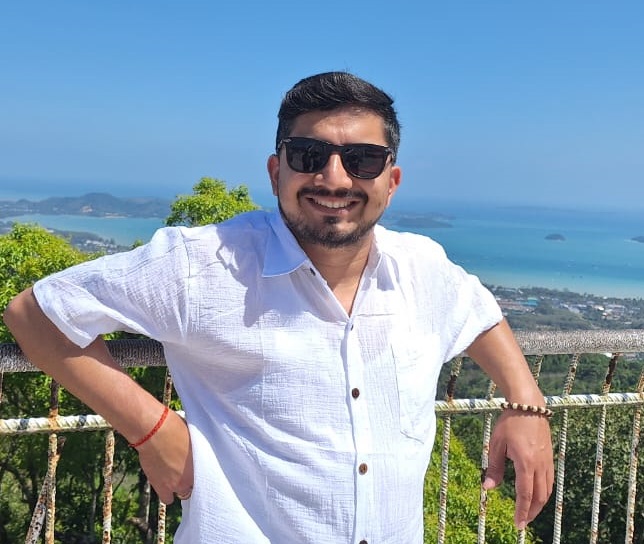
Madhav Prasad is a seasoned trekking and tourism expert with over two decades of experience in the field. Starting his career in 2001 as a porter, Madhav quickly advanced to the role of trekking guide, gaining invaluable hands-on experience in Nepal’s diverse trekking routes. In 2009, after eight years of dedication to the industry, he co-founded Mosaic Adventure, a leading trekking and tour company known for its commitment to safety, sustainability and personalized service.
Madhav has personally trekked to nearly every major trekking destination in Nepal, including Everest Base Camp, Annapurna Base Camp, the Annapurna Circuit, Poon Hill, Jomsom Muktinath, the Indigenous Peoples Trail, Langtang Valley and Mardi Himal, among others. His experience extends beyond Nepal, as he has also successfully summited Mount Kilimanjaro, Africa’s highest peak.
In addition to his extensive trekking credentials, Madhav is well traveled globally, having explored countries such as Australia, the USA, the UK, France, Japan, China, and many others. His global exposure enhances his ability to understand and cater to the diverse needs of international trekkers.
Madhav is the primary point of contact for many clients at Mosaic Adventure, personally addressing inquiries and helping plan treks with a meticulous and personalized approach. His deep knowledge of Nepal’s trekking routes, combined with his global travel experience, ensures that every trek is well planned, safe and unforgettable.


