June, a rainy month in Nepal, is on its way now! And Everest Base Camp in June! What a thrilling experience you will get to have!
It is the month when the earth smells fresh, and the mountains and hills are decorated with lush green carpets of vegetation.
Basically, Nepal offers four climatic seasons in a year, and every season of trekking in the Himalayas provides a different experience. Just as with every changing season, each season has different conditions for trekking in Nepal.
There are many trekking routes in all parts of this beautiful country, Nepal, that can be explored during the monsoon months like June.
There are several trekking trails that you can enjoy even during the monsoon season, but proper planning and preparation are necessary.
Although most of Nepal experiences rainy seasons during the month of June, the northern regions of Nepal are the only exception.
Places like Upper Mustang and some parts of the Annapurna Circuit area fall under a rain shadow area, making it a good place to trek if you are looking for a dry trekking option in the month of June.
No matter which trek you choose, the trekking region comes alive during monsoon months, and the flora and fauna here will make great company.
If you come in the right season, undoubtedly, autumn and spring are the best seasons for trekking in Nepal. During the months of autumn and spring, popular trekking trails like Everest, Annapurna, and Langtang region get lots of trekkers.
Having said all this, there are several treks that are still doable during the monsoon season. Everest Base Camp trek is one of those treks that are still possible to conquer during this kind of monsoon month.
The Everest region is one of the most demanding areas for trekking activities and one of the most famous treks in the world.

If you think that June is the month of only rain, cloud, misty conditions, landslides, floods, etc., then you are wrong.
The Everest Base Camp trek situation is totally different as it’s situated in a high altitude area, 2000 meters above sea level.
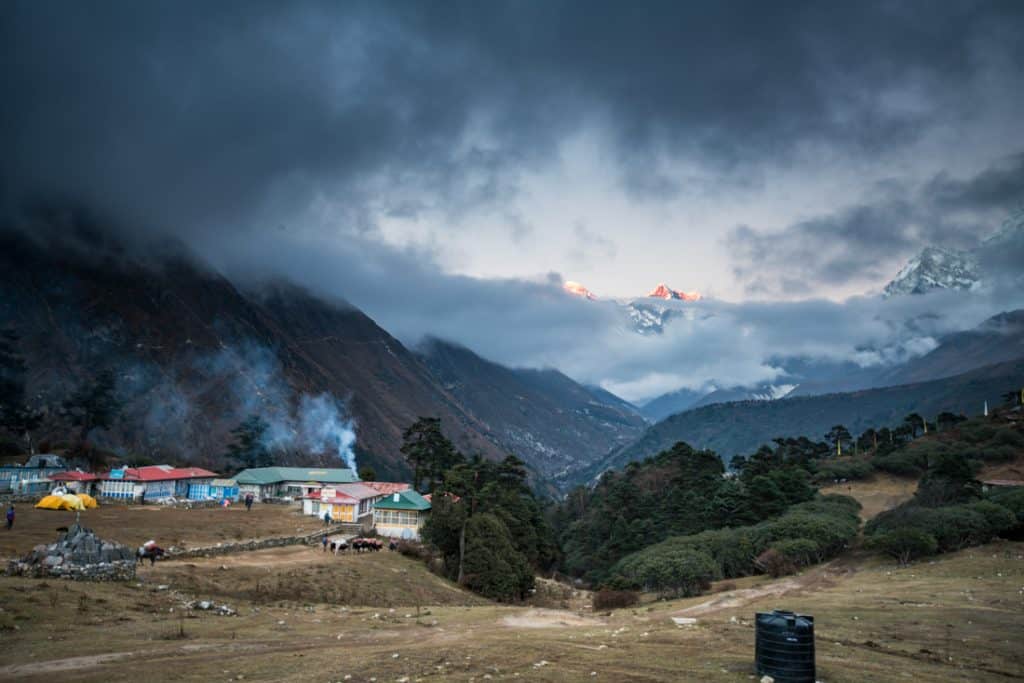
The trekking trail of the Everest Base Camp offers plenty of things, not just some rain. There can be some light rain till you reach Tyangboche, but above that, there is barely any rain even during the monsoon season.
So, get ready to set your foot in one of the most adventurous places in the world. You should not miss it just because of the mere weather condition.
While exploring the Everest Base Camp trek in June, you’ll get the best experience of going through some village of Sherpa people.
You’ll get plenty of opportunities to learn about their culture, traditions, and lifestyle. You’ll surely be happy to see the welcoming attitude of the local Sherpa people.
You’ll absolutely memorize the quality time during this trek for a lifetime. If you’re interested in getting trekking experience in this month, then contact us.
We, at Mosaic Adventure, offer numerous treks and guarantee a successful and memorable trip for a lifetime. We also have some Everest Base Camp Tour options with several itineraries recommended for you.
If you wish, you may view the following options:
16 Days Everest Base Camp Trek Itinerary
14 Days Everest Base Camp Trek Itinerary
12 Days Everest Base Camp Trek Itinerary
10 Days Everest Base Camp Trek Itinerary
Get ready for an amazing experience !
Table of Contents
- Highlights of the Everest Base Camp trek in June include:
- Weather conditions for Everest Base Camp Trek in June
- Tips for Everest Base Camp Trek in June:
- What to wear during Everest Base Camp Trek in June?
- Essential Equipment List for Everest Base Camp Trek in June:
- Frequently Asked Questions (FAQs)
- In Summary,
Highlights of the Everest Base Camp trek in June include:
- A scenic flight from and to Lukla
- Sagarmatha National Park (UNESCO World Heritage Site)
- Namche Bazaar, the heartland of Sherpa people
- Tengboche Monastery, one of the largest monasteries in the Khumbu region
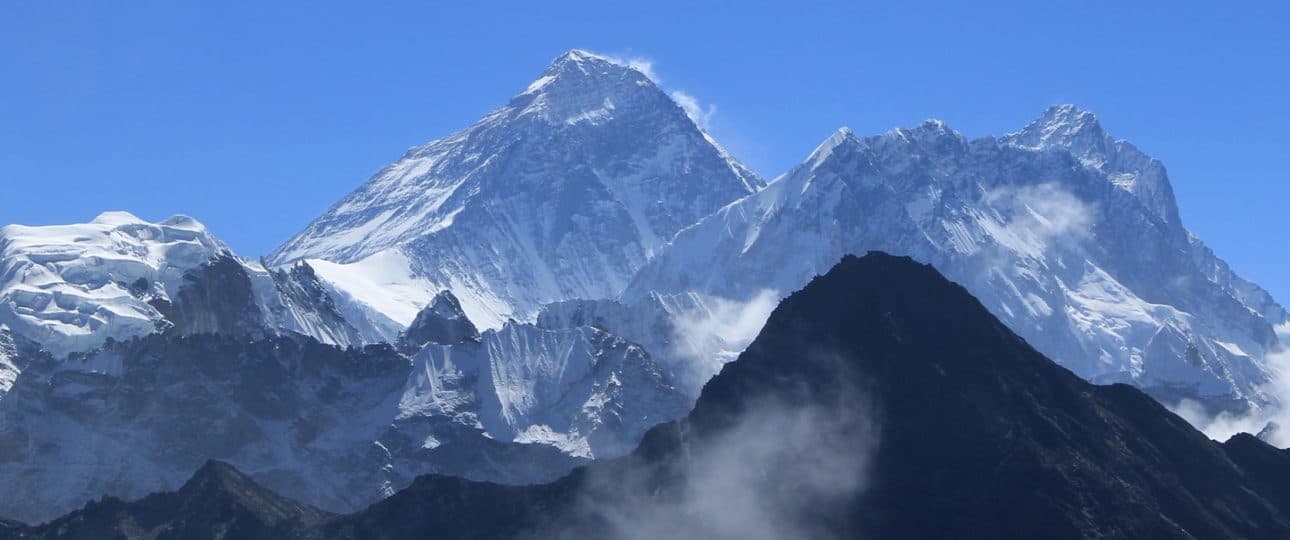
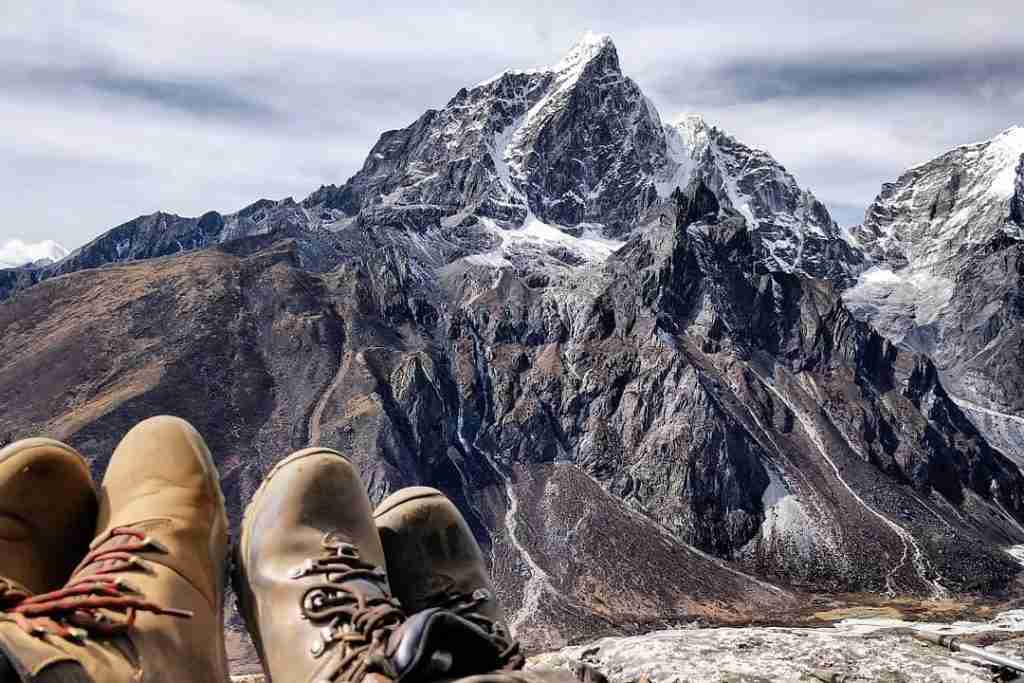
- Kala Patthar, the best vantage point for panoramic views of the entire Mount Everest massif
- Khumbu Glacier, one of the world’s highest glaciers
- Everest Base Camp
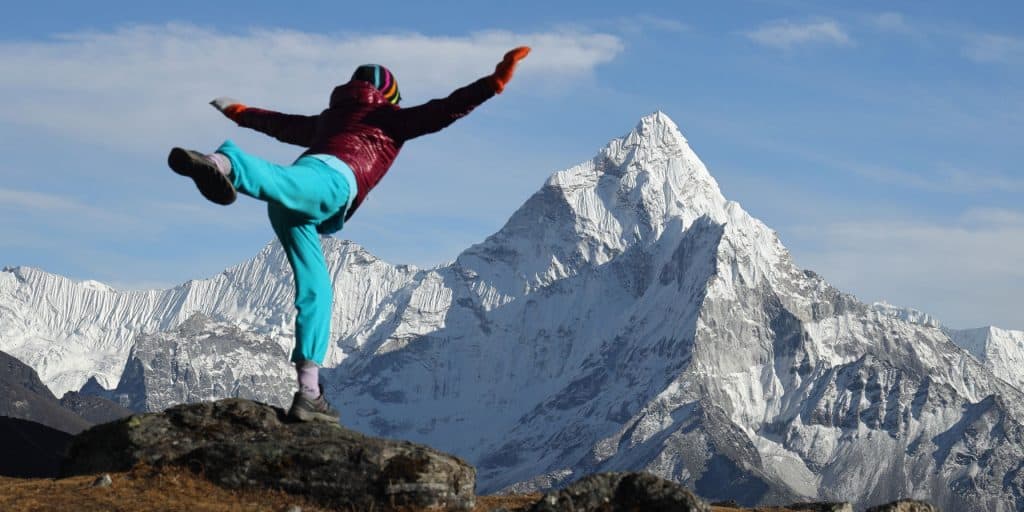
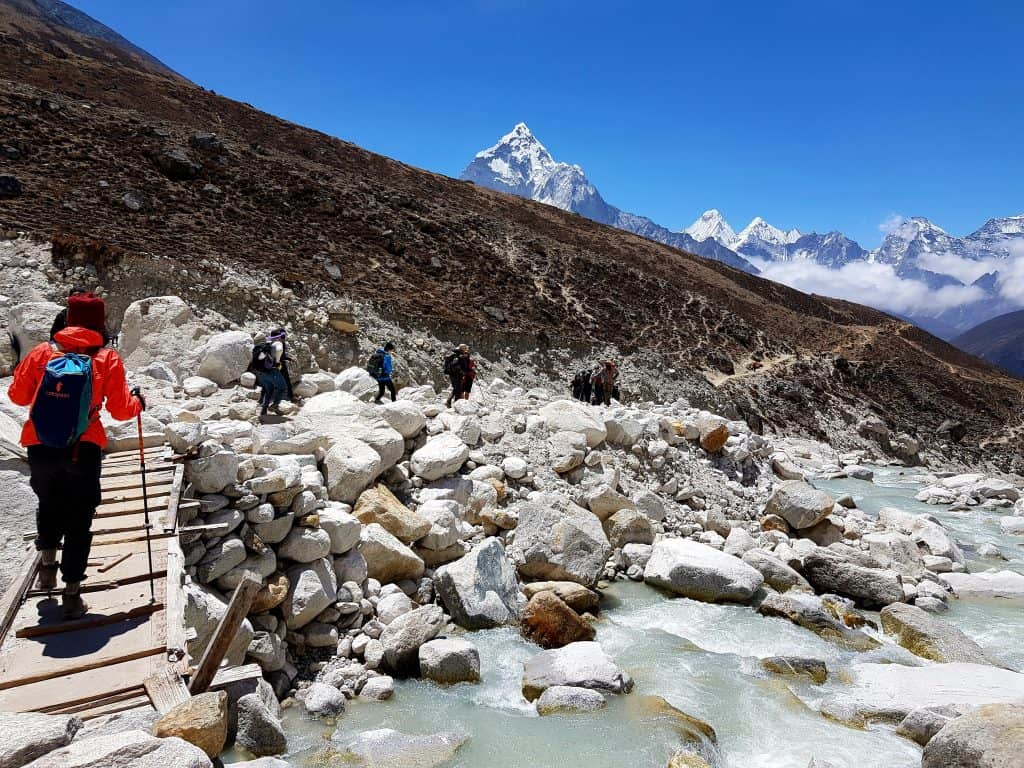
- Astonishing views of Mt. Ama Dablam, one of the most beautiful mountains in the Everest region
- Ancient Buddhist monasteries, Chortens, Mani walls, and prayer flags
- Close-up exploration of Sherpa culture and traditions.
Other Highlights include:
- Lush green vegetation
- Clean and beautiful trails
- Less crowd
- Multiple options for accommodation.
Want more information? Send us your query, and our experts will get back to you within 24 hrs.
Weather conditions for Everest Base Camp Trek in June
June marks the start of the rainy season in Nepal, which continues until the end of September. Nepal has a great deal of variation in climate, and weather conditions vary from region to region.
In Nepal, altitude also affects the annual rainfall or precipitation patterns. Up to about 3,000 m, annual rainfall increases with altitude, and thereafter it diminishes with increasing altitude.
Despite the fact that the arrival of monsoon can vary by as much as a month, in Nepal, it arrives in mid-June, generally preceded by violent thunderstorms and lightning.
Monsoon in Nepal lasts until mid-September or sometimes the end of September.
During the monsoon, plains and lower Himalayas receive more than 70 percent of annual precipitation. Normally, the amount of rainfall declines from southeast to northwest.
Generally, the monsoon pattern in Nepal is that it almost rains throughout the night, and by early morning, the sky starts to clear up.
Temperatures:
In summer, temperatures range over 40 degrees Celsius in the Terai region, while in the hilly region, temperatures range around 28 degrees Celsius.
The average maximum temperature during June is 25 degrees Celsius on sunny days, with a minimum of -15 degrees Celsius in the morning and at night.
During June, around the Everest Base Camp area, temperatures start to increase to around 16 degrees Celsius. At night, the temperatures drop down to around -1 degree Celsius.
Sunshine Hours:
June features the longest days of the year, providing around 12-13 hours of sunshine each day. The length of the day is essentially constant.
According to previous records, the shortest day of this month is June 1 with 13 hours and 47 minutes of daylight, and the longest day is June 21, with 13 hours and 54 minutes of daylight.
Humidity:
The relative humidity during this month ranges from 32% to 86%, rarely falling below 36% or reaching as high as 100% (very humid).
Wind:
Compared to other months, June is a relatively calm month. The average daily wind speed is around 16 km/h.
Tips for Everest Base Camp Trek in June:
Always start early:
Since June is the beginning of the monsoon season, it generally rains in the late afternoons. So, it is good to start the trek early and reach the destination before it rains and darkness invades the surrounding.
It is one of the off-season months, and you’ll hardly see hikers on the trails for miles. In case anything happens, there might not be anyone else on the trails.
The best way to avoid any potential problems is to start as early as possible (around 6 or 7 am).
Most trekkers try to finish by the time it gets dark as they don’t want to be last on the trails.
Keep yourself updated with the weather condition:
While trekking in the monsoon month, it’s wise to keep yourself updated with the current weather conditions. So, keeping an eye on the daily news can really help.
The local news serves as a warning. Besides this, it’ll also assist you in preparing for the trek as to what to take and wear.
Keep buffer days in hand:
As you all might know, the weather in the Himalayas is unpredictable most of the time.
Thus, it is wise to set aside two to three extra days in hand. In case something unavoidable, like landslides, floods, or flight cancellation, may occur.
Walk at your own pace:
Trek slowly and steadily and don’t take too many tea breaks along the way.
Since it’ll be raining, the trails will be muddy and slippery, so walking slowly and steadily is important.
Don’t miss catching the sunrise views:
In the monsoon time, normally you can see the best mountain views in the early morning.
So, try to get up before 5 AM to see the stunning snow-capped mountains. Generally, the views disappear at around 7 AM when the fog rises.
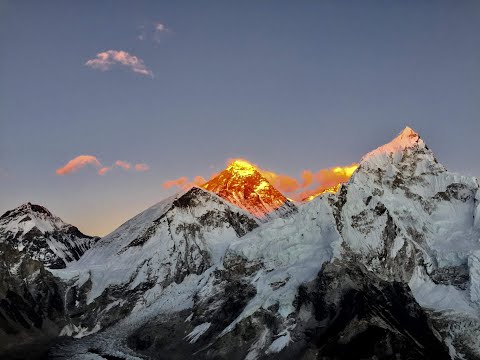
You have to hike Kala Patthar early in the morning. The view of the sunrise over the Everest Himalayas from Kala Patthar is breathtaking!
Beware of leeches and avoid them:
This small creepy creature will be the worst aspect of the trek. But you can adopt the strategy of using salt and turmeric around your shoe and ankle area.
You can also tuck your shirt into your pants and pants into your socks. This will prevent the leeches from entering your unexposed body.
Don’t forget to get off-season discount:
In the low season, you can easily negotiate the price of accommodation with the teahouse owners.
Also, in some teahouses, they’ll let you stay for free if you agree to order food from them.
Hire a professional trekking guide:
The trekking trails through steep stones, streams, waterfalls, and forests are rough and may turn dangerous.
It is always better to listen more carefully to the guide as they know more than anyone on the trails. So, don’t ignore any warning issued by your tour guide, as it may cost you a lot.
Keep a mosquito repellent:
Rainy season means a lot of mosquitoes. In monsoons, stagnant water is a breeding ground for mosquitoes, causing diseases like malaria.
Thus, to avoid getting sick, wear enough insect repellent to keep yourself covered.
What to wear during Everest Base Camp Trek in June?
We all know that rain is common during June, so it is important to be well-prepared. The rain can make your clothes stick to your skin, which ultimately reduces their breathability.
Thus, it is recommended to avoid cotton when it comes to monsoon treks since cotton holds water and gets very heavy with showers.
Synthetic full sleeve t-shirts and synthetic full-length trekking pants are suggested instead. Cotton doesn’t dry easily, while most synthetic fabrics dry with body heat.
Without any doubt, you must be ready for a not-so-easy trail during June. Only good grip on your shoes will save you from slippery, muddy trails, wet vegetation, and more.
Waterproof hiking boots with good ventilation can help prevent blisters on the trek.
Therefore, take care of your feet while trekking in the monsoon. The skin of your feet might turn soft and catch fungal infections due to continuous rain exposure.
You may pack thermal underwear and tights if you wish. Hard shell jackets, ponchos, waterproof gaiters, windcheaters, hats, raincoats, and waterproof trousers are also recommended.
Here is a checklist of essential trekking gear for the Everest Base Camp trek in June:
Clothing:
- Thermal tops/bottoms
- Synthetic long sleeve t-shirts
- Convertible hiking pants
- Hiking undergarments
- Waterproof trousers
- Synthetic insulated jacket
- Windstopper jacket
- Waterproof shell jacket
- Down jacket
Footwear:
- Hiking boots
- Hiking socks
- Camp sandals
- Waterproof gaiters
Headwear:
- Sun hat
- Bandana or scarf
- Polarized UV Sunglasses
Handwear:
- Gloves (Waterproof)
Essential Equipment List for Everest Base Camp Trek in June:
Here is a list of other essential equipment that you may require while on the Everest Base Camp trek in June:
You can find all of these trekking gears and equipment in stores in Kathmandu, Pokhara, and even in Namche Bazaar. Therefore, don’t worry, you don’t have to bring all of these from your home country.
Duffel Bag and Backpack
- Daypack
- Duffel backpack
- Backpack
Sleeping Accessories
- Sleeping bag
- Sleeping bag liner (Optional)
- Pillow
- Sleeping Pad
Other Accessories
- Trekking Poles
- Headlamp
- Water bottle or Hydration bladder
Personal Accessories
- Quick drying towel
- Small locks
- Water purification tablets
- Diamox
- Basic First Aid Kit
- General medications
- Sunscreen / Lip balm
- Wet wipes
- Toiletries (Toothbrush, toothpaste, soap, shampoo)
- Hand sanitizer
Frequently Asked Questions (FAQs)
Q1. Is June a good time to go for an Everest Base Camp Trek?
For those who enjoy solitude and being alone with nature, June is a good time for an Everest Base Camp trek.
Come and explore the trail, although the trail can be a bit slippery and the challenges increase a notch for delighted trekkers.
The monsoon rains help the meadows become greener, while the entire route is filled with freshly bloomed flowers. And obviously, there are the rhododendron and pine trees with stunning views of snow-capped peaks for nature lovers.
The breathtaking views of the mighty Everest peaks from the base camp are worth braving the challenge of trekking Everest Base Camp in June.
Q2. Are tea houses on the trekking trails open in June?
Yes, the tea houses on the trekking trails are open in June. Although June is one of the off-season trekking months in Nepal, you don’t have to worry about accommodation.
You’ll find a variety of accommodation during the Everest Base Camp trek throughout the trail.
During the peak season, you might have difficulty finding suitable accommodation, but this is not the same during the off-season.
One piece of good news is that tea houses are open with a heavy off-season discount. The cost of accommodation drops significantly during this month.
Q3. How long does it take to finish the Everest Base Camp trek?
Trekking to the Everest Base Camp area takes around 8 to 14 days, depending on your pace and how well you acclimatize.
You need to be in good shape and able to walk about 5-6 miles per day.
The altitude makes a significant difference in walking speed. As you start to gain altitude, the walking speed slows down significantly. You need to allow yourself extra time to acclimatize.
In Summary,
The article talks about how exciting it is to go trekking at Everest Base Camp in June, even though it’s Nepal’s rainy season.
Some people might think it rains a lot everywhere, but some places like Upper Mustang stay dry, so you can still trek there.
When you go up to Everest Base Camp, it doesn’t rain much after Tyangboche. The article says June is a great time to experience Nepal’s culture and see amazing views.
It encourages people not to miss out on trekking in June just because they think it’ll be rainy.
It also gives tips on what the weather is like in June, how to prepare for trekking, and what gear you need.
In short, the article says going to Everest Base Camp in June will be an awesome adventure with beautiful nature and Sherpa culture to experience.
Want more information? Send us your query, and our experts will get back to you within 24 hrs.
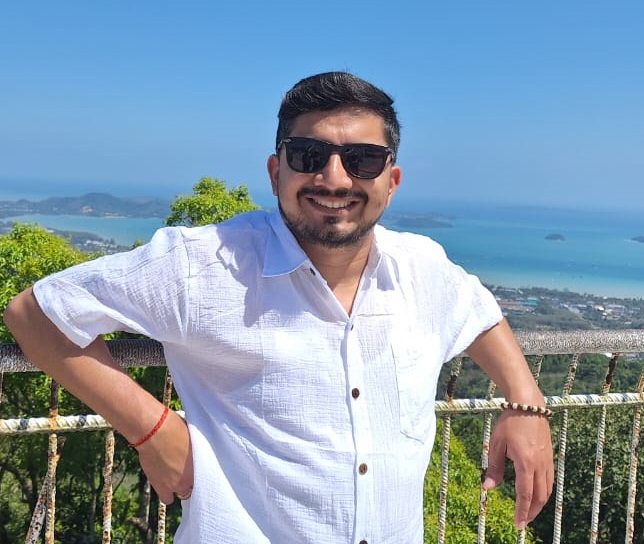
Madhav started working as a porter in 2001 and then moved on to work as a trekking guide. After working in the trekking and tourism industry for eight years, he co-founded Mosaic Adventure in 2009.
Madhav has trekked to most of the trekking destinations in Nepal, including Everest Base Camp Trek, Annapurna Base Camp, Annapurna Circuit Trek, Poon Hill Trek, Jomsom Muktinath Trek, Indigenous Peoples Trek, Langtang Valley Trek, Mardi Himal Trek, and all of the day hikes around Kathmandu.
He has also extensively traveled to other countries such as Australia, the USA, the UK, France, Hong Kong, Japan, China, the Philippines, the UAE, Saudi Arabia, Bahrain, Thailand, Turkey, and India. Madhav is the one who answers most of your questions about trekking and tours and helps to plan your trip by giving a personal touch.